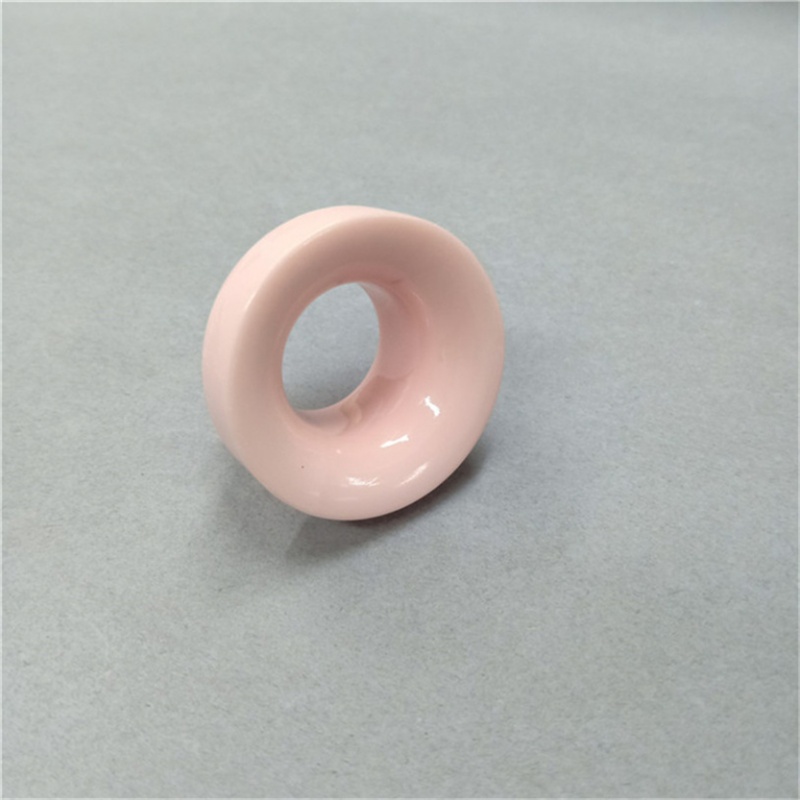
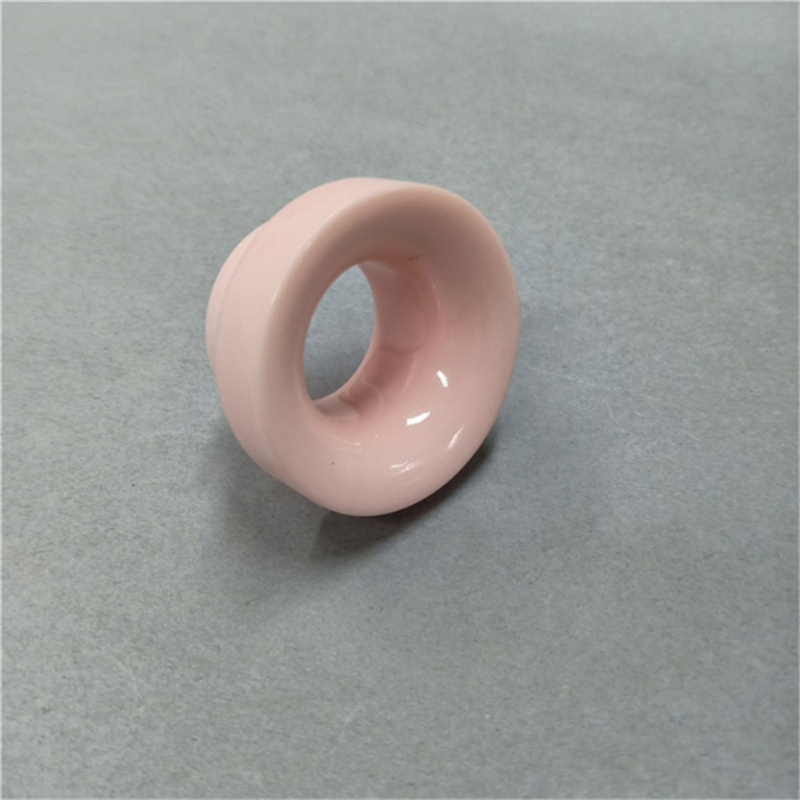
Product Details
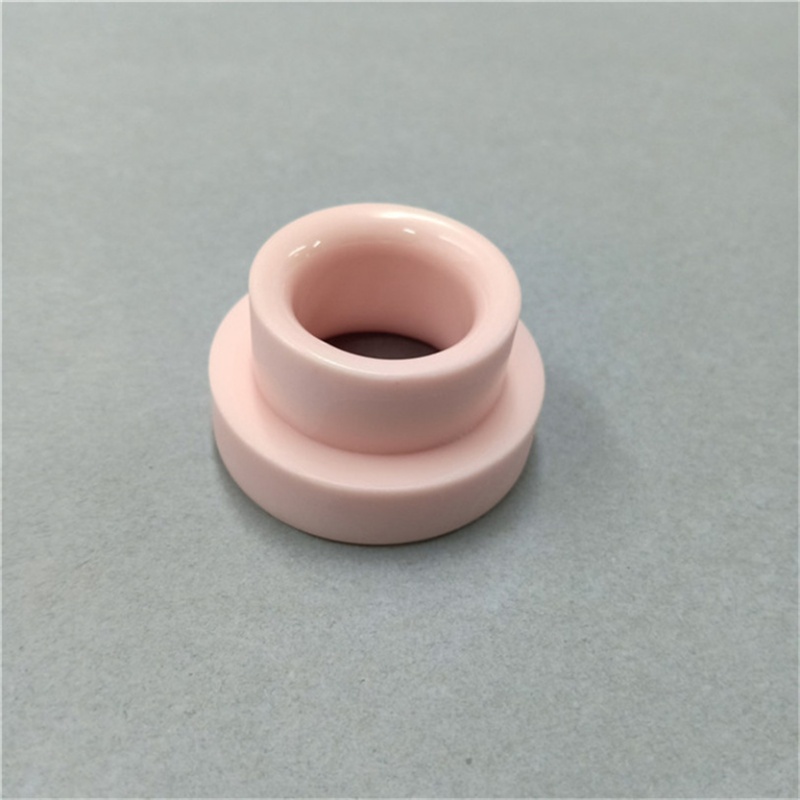
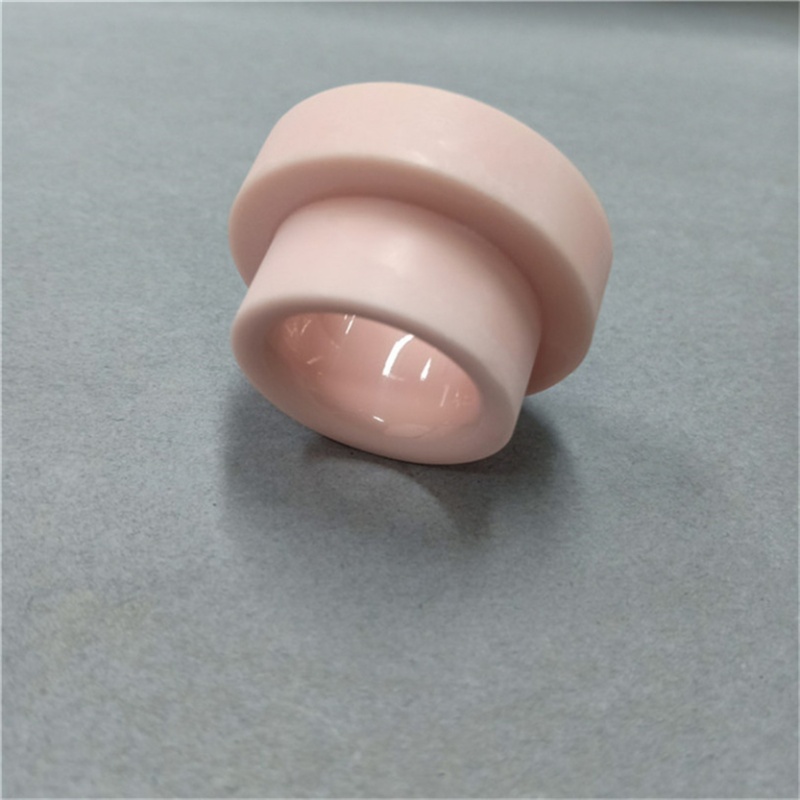
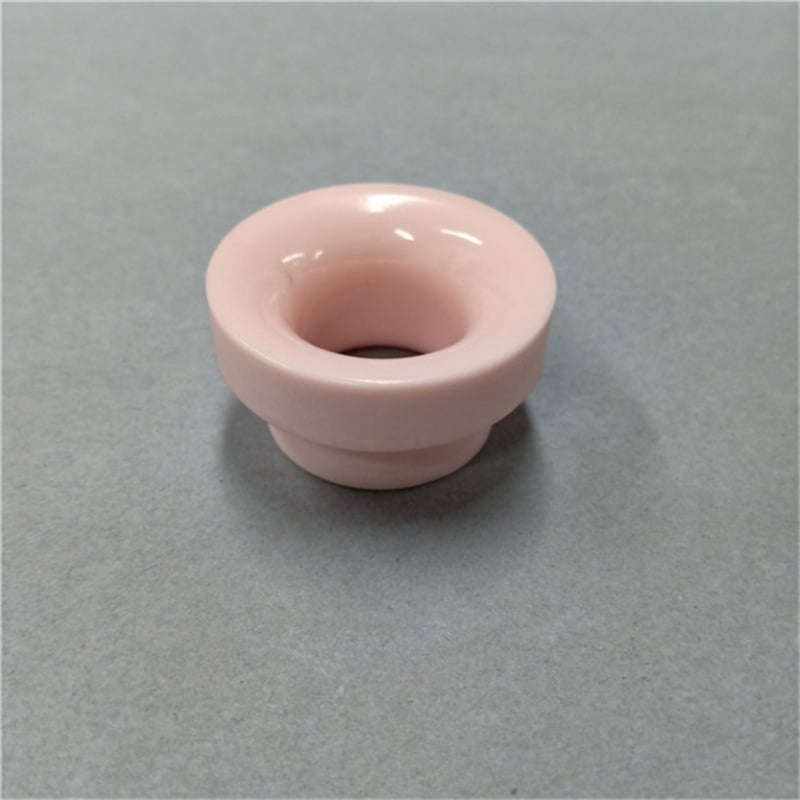
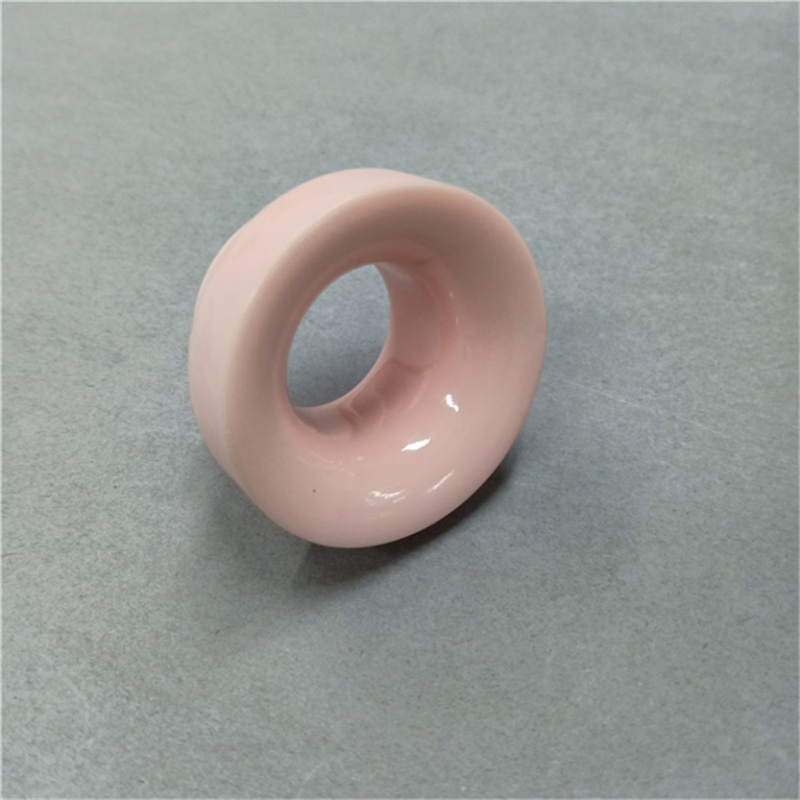
A ceramic thread guide ring is a precision wear-resistant component that leads yarn, filament or fiber along the processing path on textile machinery. Also called an alumina ceramic guide or ceramic eyelet guide, it is made from high-purity alumina ceramic by pressing, high-temperature sintering and precision grinding. Every alumina ceramic guide is finished to controlled roughness so it delivers stable yarn tension and long service life. A well-made alumina ceramic thread guide reduces yarn breaks and keeps machine efficiency high.
1.1 Material Grades
Alumina ceramic guides are produced from several grades to balance cost and performance. The 99.9% Al2O3 grade in ivory or pink serves high-quality guide applications. The 99.7% alumina ceramic grade in ivory or pink is also used for high quality guides, while 95%-98% Al2O3 in white or yellow serves standard thread guides on general machines. We select the alumina ceramic grade according to yarn type, machine speed and service condition, and trace it by batch. Thread guide wear depends mainly on yarn speed, tension and abrasive particles, so the alumina ceramic grade is chosen to match the duty.
1.2 Surface Finish Options
Surface treatment directly affects yarn tension and fiber quality. Smooth polish is the standard finish for ordinary alumina ceramic thread guides. High polish is applied to high-quality thread guides used with fine yarns, filament and high-speed winding, where an ultra-smooth surface avoids fiber damage. Special finish can be supplied for special-quality guides with strict surface roughness or glaze requirements. A mirror-finish alumina ceramic guide is recommended for filament and covered yarn lines where surface quality directly affects product grade.
An alumina ceramic guide combines mechanical strength, wear resistance and chemical stability for demanding textile environments. Key properties include:
• High hardness - HRA 85 or higher, giving excellent wear resistance on the wire-passing surface of the alumina ceramic guide.
• Low friction - smooth polished surface lets yarn slide evenly without scratching fiber, so the thread guide keeps tension stable.
• Corrosion resistance - stable against moisture, dye liquor and most process chemicals in textile plants.
• Thermal stability - withstands heat from high-speed friction without deformation.
• Consistent geometry - precision ground to keep the yarn path and tension stable over long runs.
• Grade selection - choose 99.9%, 99.7% or 95-98% alumina ceramic grades by application and production budget.
• Custom structure - eyelet, flanged and special profiles to match different thread guide positions on the machine.
Ceramic thread guides are widely used wherever yarn or filament changes direction on textile machinery. Typical applications include spinning, reeling, weaving, knitting, winding, twisting, stretching, covered yarn and carbon fiber guiding. The alumina ceramic guide keeps the yarn path smooth and stable, supporting high-speed processing of cotton, wool, chemical fiber and technical yarns. For carbon fiber and technical yarns, the smooth alumina ceramic guide minimizes filament damage during winding and stretching. Every thread guide position benefits from a wear-resistant ceramic surface.
4.1 Installation
Check the bore size, flange dimensions and assembly tolerance before installation. Ceramic is hard but brittle, so avoid heavy impact during fitting. Align the thread guide to the yarn path so the wire-passing surface contacts the yarn smoothly. Use the recommended mounting position. When replacing a worn thread guide, compare the original bore and flange dimensions first.
4.2 Cleaning and Maintenance
Remove dust regularly with compressed air or a soft cloth, and avoid abrasive tools that may scratch the surface. Avoid strong acids or alkalis unless the material grade is confirmed compatible. When the polished area of the alumina ceramic guide shows visible wear, replace it to keep yarn quality stable. Replace any thread guide showing deep grooves or edge chipping to protect yarn quality.
4.3 Storage
Store guides in a clean, dry place, protected from impact and abrasive dust. Inspect the bore and flange before fitting. Keep a small stock of spare thread guides for quick replacement during maintenance shifts.
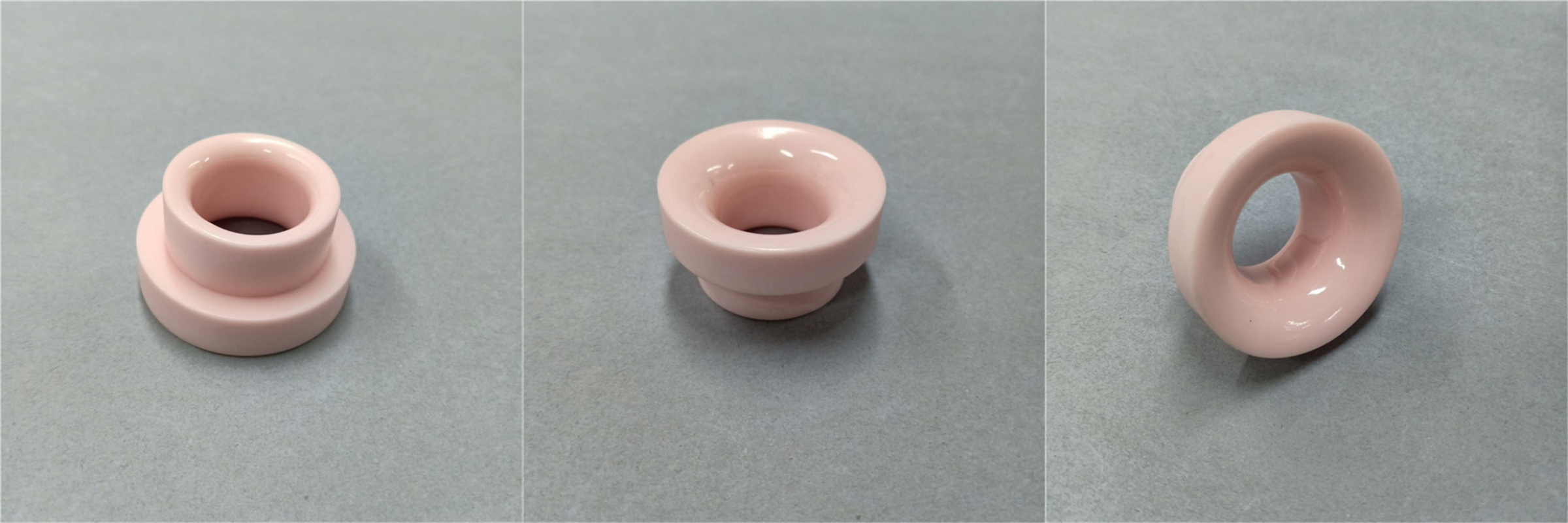
The table below lists standard alumina ceramic guide grades and their typical applications.
|
|
|
|
|
Al2O3 99.9% |
3.90-3.95 |
HRA 88-92 |
High Polish |
High quality guides |
Al2O3 99.7% |
3.85-3.90 |
HRA 85-88 |
High Polish |
High quality guides |
Al2O3 95-98% |
3.70-3.80 |
HRA 80-85 |
Smooth Polish |
Thread guides |
Al2O3/ZrO2 |
4.00-4.20 |
HRA 88-92 |
Special Finish |
Special quality guides |
Custom alumina ceramic guide profiles can be machined per customer drawings, and the thread guide finish can be adjusted for specific yarn counts and running speeds.
Development History
Lianyungang Haibo Technology has built ceramic and special-glass production lines over the past decades, with eight registered trademarks and forty technical patents behind our in-house R&D. The ceramic thread guide line grew from the same precision-material platform that serves our porous ceramics and industrial ceramic components, so tolerance and surface quality follow one consistent standard on every alumina ceramic guide we ship.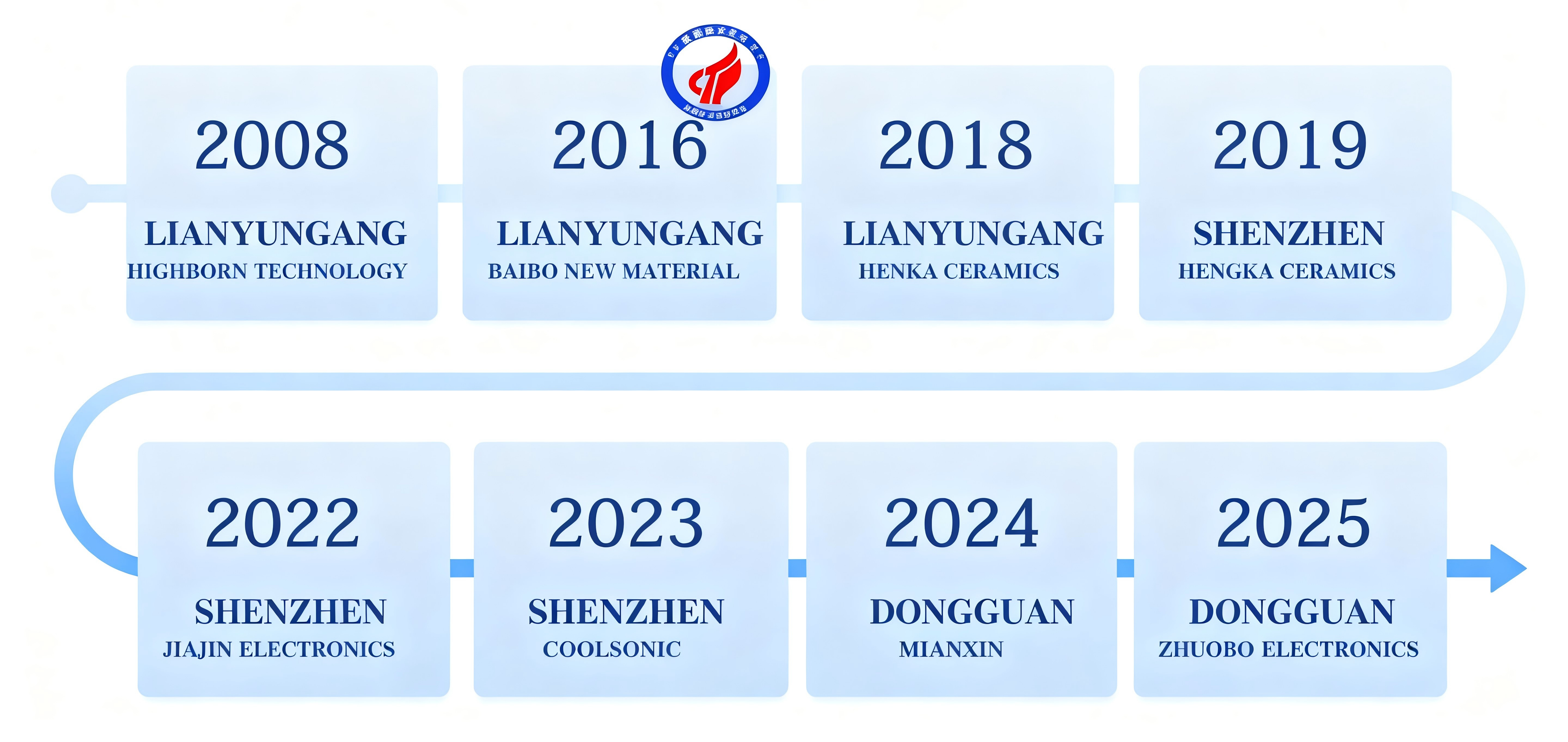
Patents and Certification
We hold a range of global certifications including IATF16949, CE, EMC, LVD, RoHS, FDA, MSDS, ISO 9001, SGS and TUV, together with eight registered trademarks and forty technical patents supporting independent R&D. Our proprietary core technologies run through all product lines - porous ceramics, industrial ceramic components, special glass, metallized ceramics, liquid absorption cotton, ozone generators and silicone goods - and every alumina ceramic thread guide is produced in accordance with international quality standards before delivery.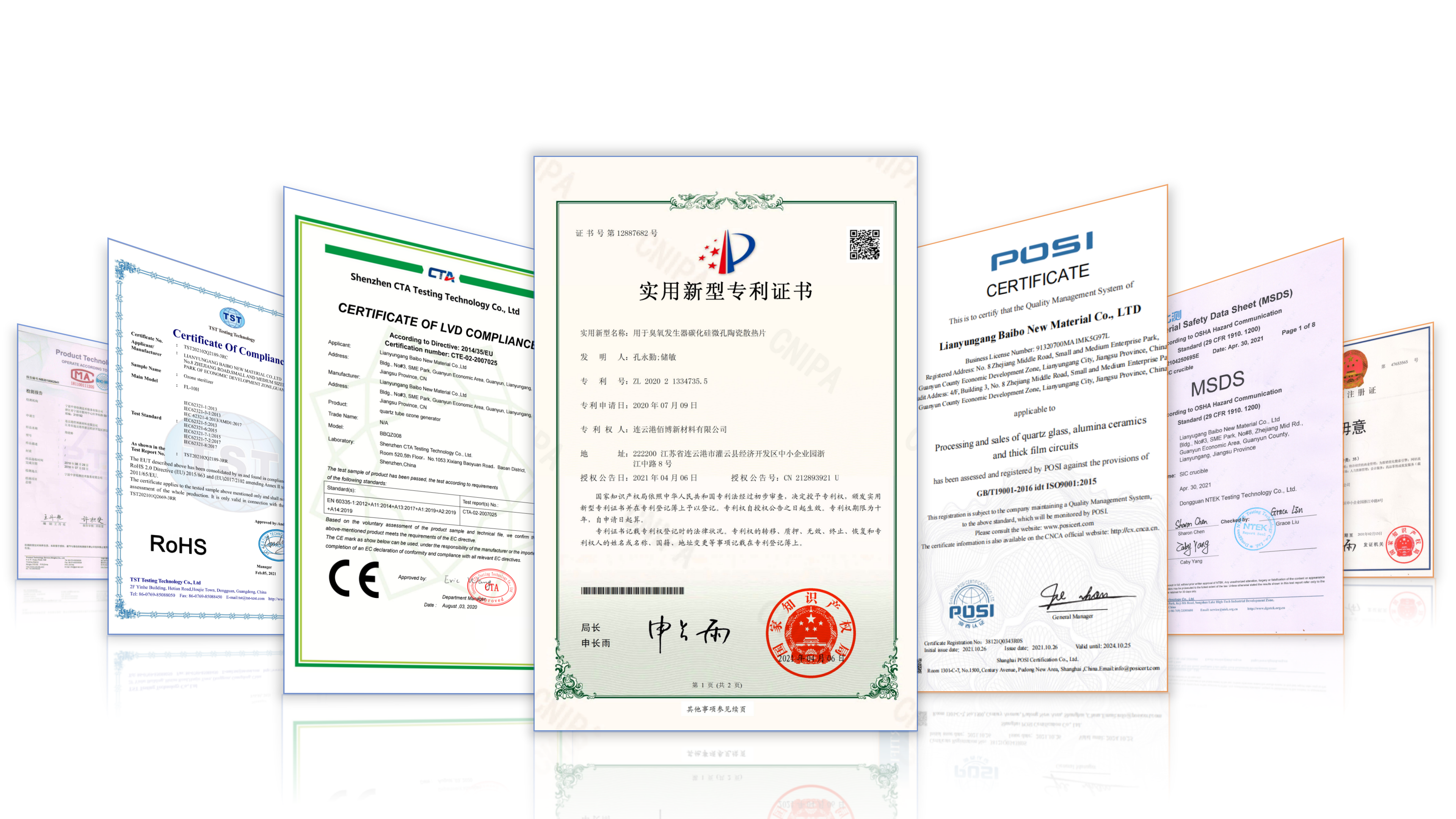
Package
We adopt standardized packaging tailored to the product to effectively prevent collision, extrusion, dust and moisture damage. Each ceramic thread guide ring is protected against scratches and contamination during transit. With a mature global transportation system and strict shipment inspection, we keep orders intact over long-distance delivery and provide safe, efficient one-stop logistics service.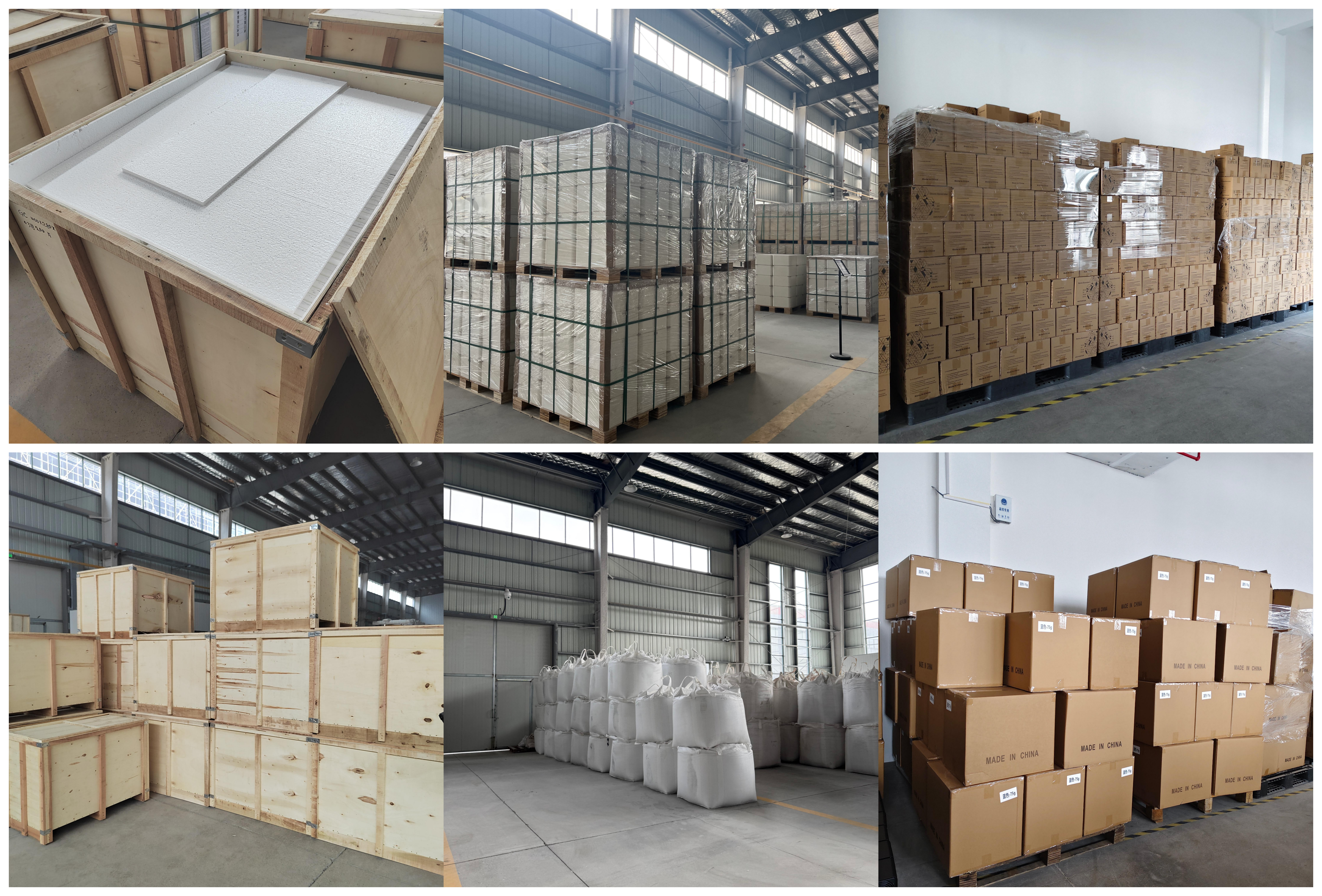
Services
We provide fast, accurate quotations. Flexible OEM & ODM customization is available for alumina ceramic guide size, dimensions, surface finish, packaging and branding.
We keep clients updated with full production progress throughout the order cycle, and our QC team carries out a strict pre-shipment inspection to help ensure goods comply with your quality standards before delivery.
We prepare a full set of standard export documents including commercial invoice, packing list, certificate of origin and related certification papers, to support smooth customs clearance to destinations worldwide.
Sea freight, air freight and express delivery are offered to match your schedule and budget, with real-time cargo tracking so you can monitor shipment status anytime.
We support mainstream cross-border settlement methods such as T/T and L/C to reduce transaction risk on bulk orders.
FAQ
Answer: Yes. We accept technical drawings in mainstream file formats as well as actual physical samples. Before formal production, our engineering team provides a DFM feasibility review for your reference.
Answer: Sample and custom lead time are confirmed per drawing and project scope. Mass production lead time is typically 7-20 working days, depending on part complexity and order quantity; we will quote a specific cycle on your inquiry.
Answer: We offer flexible MOQ for customized items and try to keep the minimum workable for small-batch trials, while still supporting stable mass production for long-term bulk demand.
Answer: We support one-stop customization including size, shape, appearance, precision tolerance, surface treatment and special processing, plus custom engraved logo and exclusive packaging on request.
Answer: Yes. We cooperate with authorized third-party testing bodies such as SGS and BV and can supply inspection reports and material certification documents as required.
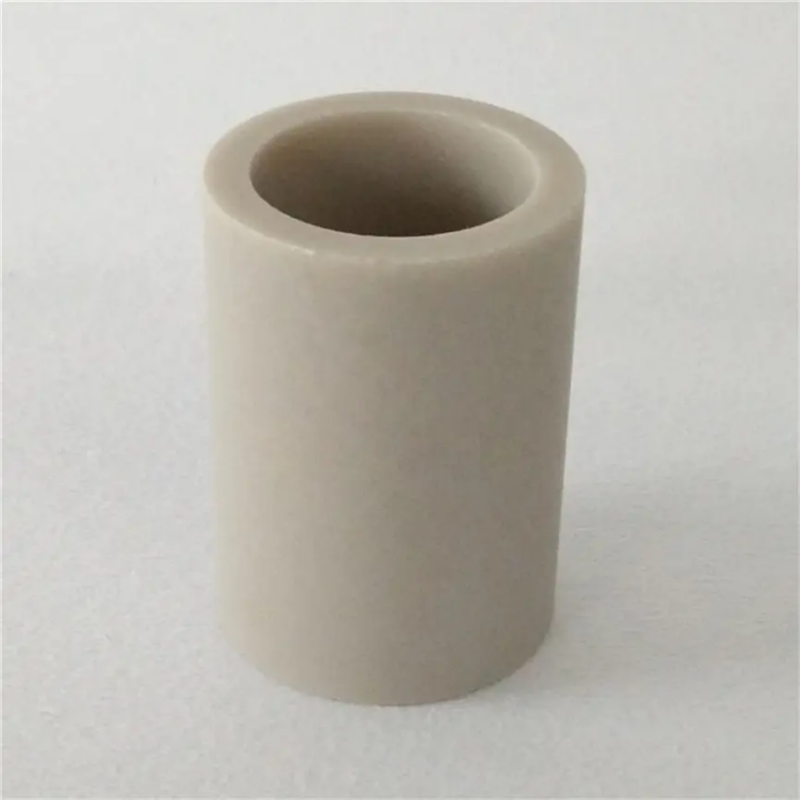
Excellent Thermal Conductivity AlN ceramic Insulator Aluminum Nitride Ceramic Tube
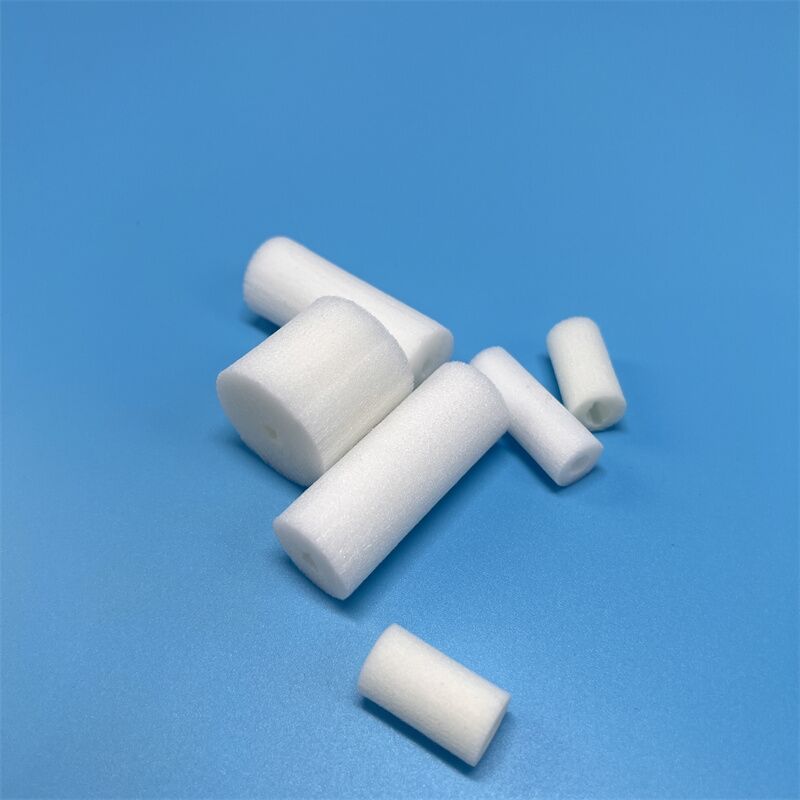
Customized PET Polymer Cotton Microporous Oil Storage Integrated Cotton
Silicone USB Waterproof Plug Phone Charging Interface C Port Type C Rubber Dustproof Cover with Fixing Post
Diatomite Microporous Ceramic Tubes for Filtration and Purification


 EN