Product Details
1.1 Fiber Structure
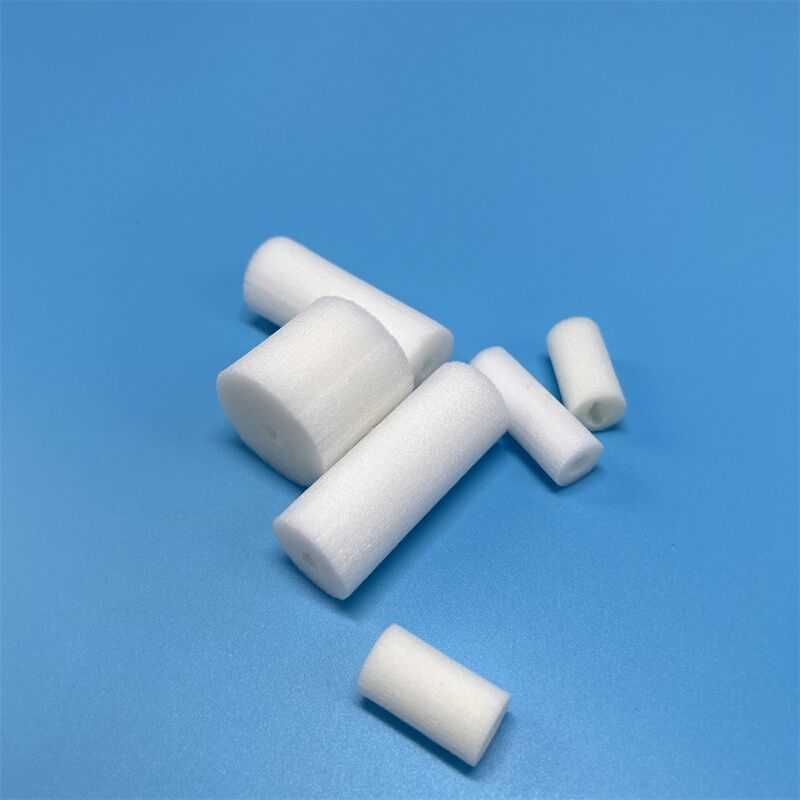
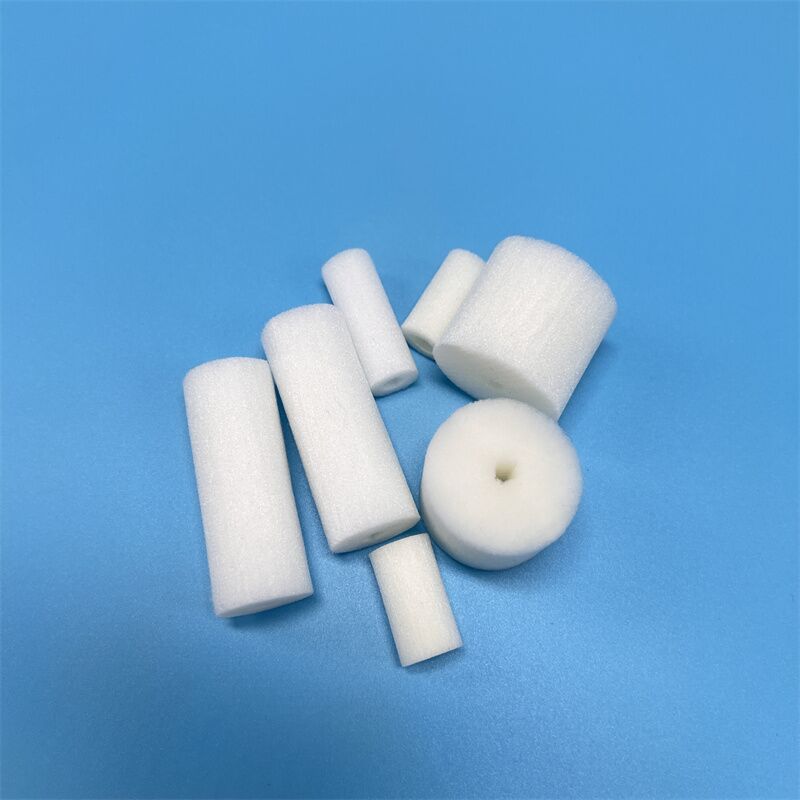
PET cotton is a three dimensional mesh filter material produced with polyester fiber through needle punching melt blowing and winding processes The fiber fineness length and arrangement can be freely adjusted to form complex internal flow channels These channels can effectively intercept solid particles while allowing lubricating oil to pass through and be stored inside the fiber gaps without flow blockage
1.2 High Porosity and Air Permeability
This filter medium carries porosity over 90% The ultrahigh void ratio provides sufficient internal space for oil storage Meanwhile its open pore structure keeps low airflow resistance so supporting equipment will not consume extra energy to overcome filtration pressure
1.3 Oleophilic and Hydrophobic Characteristic
The raw PET material owns natural strong oil affinity It can quickly absorb and lock various lubricating oils inside the mesh structure The material repels condensed moisture carried in air streams to prevent oil water mixing and emulsified sludge which would block filter channels and damage industrial pipelines
1.4 Stable Mechanical Performance
It possesses great tensile strength and overall toughness The complete fiber network can withstand frequent air pressure changes and sudden oil flow impact inside circulating systems The medium will not deform crack or shed tiny fibers after long term continuous operation
2 Core Features
2.1 Efficient Oil Dust Separation
Four collaborative filtration mechanisms including direct interception inertial impact diffusion effect and gravity sedimentation work together to capture dust metal shavings and all solid pollutants contained in compressed air to clean gas output
2.2 Deep Oil Storage and Uniform Oil Return
Its three dimensional interlaced mesh acts as an integrated oil storage tank Lubricating oil distributes evenly inside layered fibers Driven by stable airflow stored oil flows back to the equipment lubrication pipeline slowly and uniformly to maintain continuous stable lubrication of mechanical moving parts
2.3 Excellent Long Term Structural Stability
The material delivers remarkable anti fatigue performance Under repeated pressure fluctuations temperature shifts and cycles of oil adsorption and release the fiber layout stays intact No fiber shedding occurs so secondary pollution to precision machine components is completely avoided
2.4 Broad Chemical Compatibility
PET fiber maintains stable chemical properties when contacting mineral oils synthetic lubricants and hydraulic oils No swelling degradation or chemical reactions will appear within standard industrial operating temperature ranges
3 Main Advantages
3.1 Balanced High Filtration Precision and Extended Service Life
It reaches ultra fine filtering precision of 1 to 3 microns Different from single layer metal wire mesh its gradient fiber structure holds massive dust and oil pollutants which slows pressure difference rising greatly extending replacement intervals
3.2 Outstanding Controllable Oil Return Capacity
This is its most vital competitive merit Recovering separated lubricating oil back to equipment tanks cuts long term oil consumption and avoids oil mist emission that causes environmental pollution and contamination of downstream production facilities
3.3 Effective Protection for Precision Core Parts
By removing all particulate impurities thoroughly it lowers abrasion on rotors bearings cylinders and other high precision vulnerable components reducing overhaul frequency and spare part replacement costs
3.4 Competitive Total Cost of Ownership TCO
Though its single unit cost is higher than simple thin filter materials its long service cycle reduces regular maintenance labor oil purchasing expenses and production downtime loss bringing obvious cost advantages in long term equipment operation
3.5 Flexible Customized Design for Various Scenarios
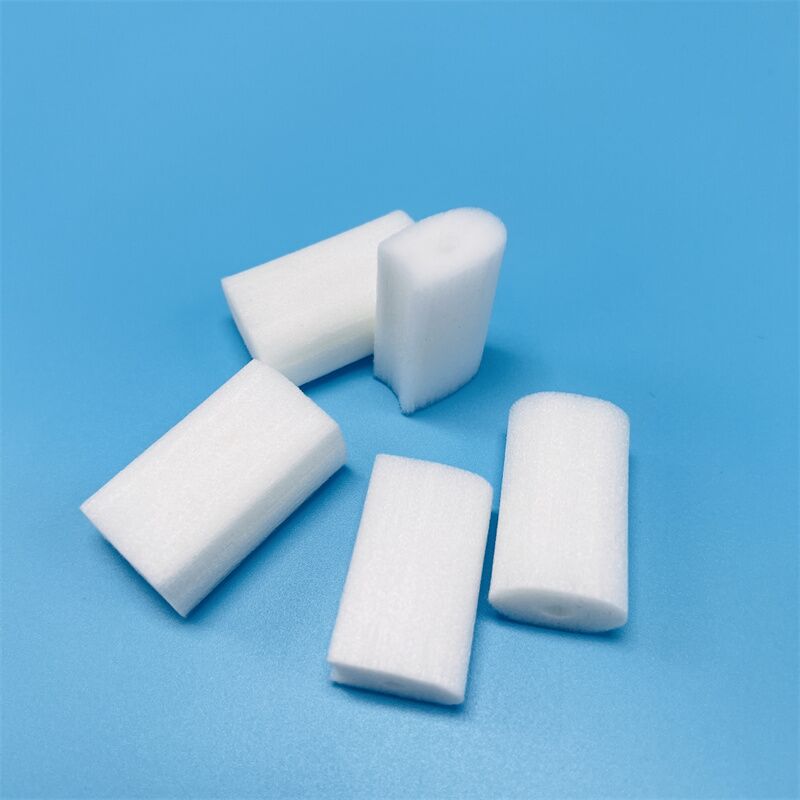
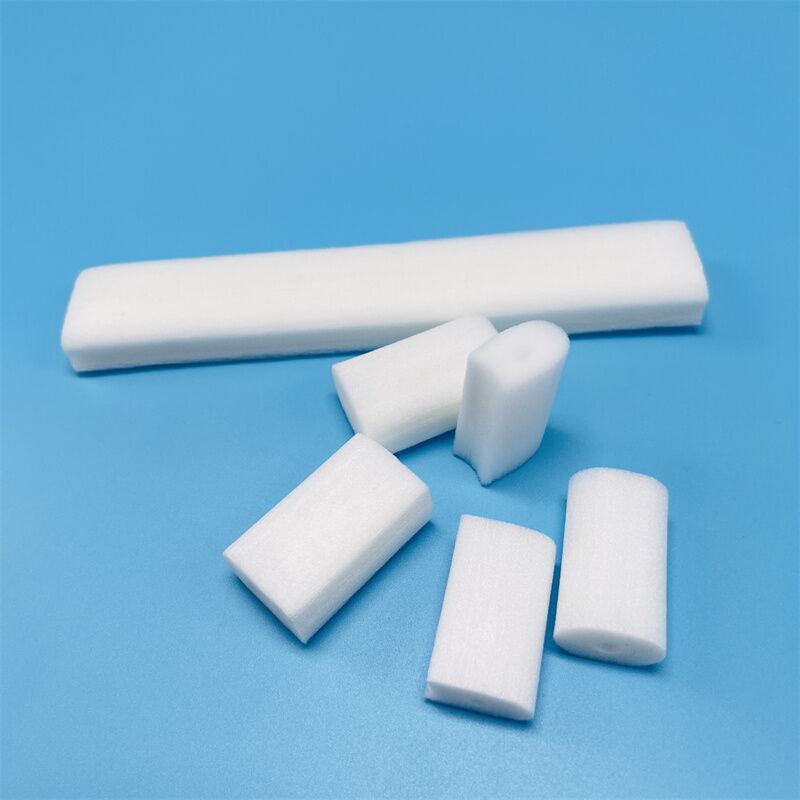
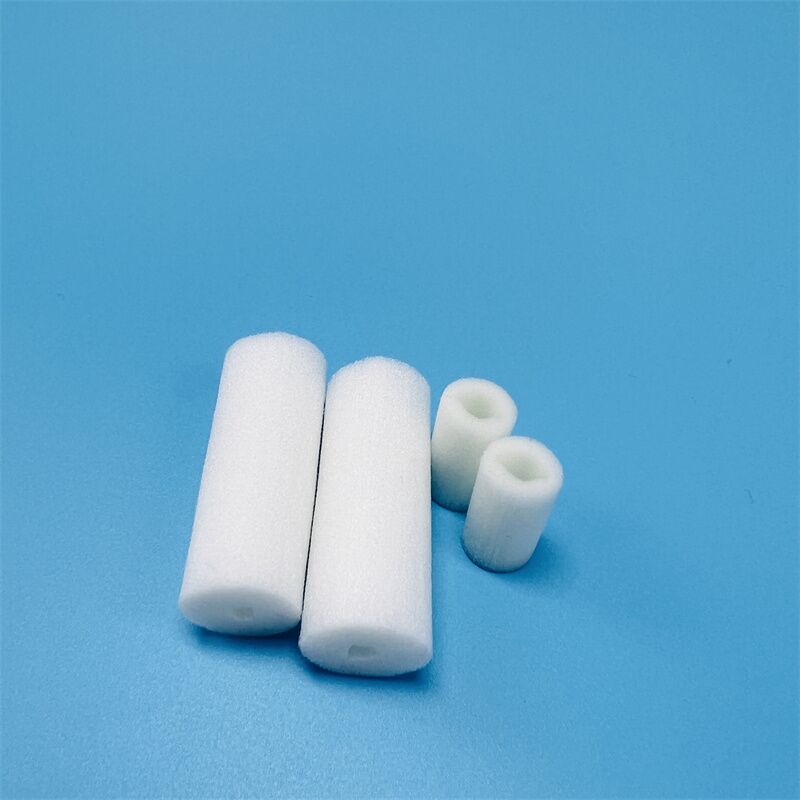
Workers can adjust fiber proportion bulk density thickness and finished shapes to match different operating conditions of screw air compressors vacuum pumps automobile engines hydraulic gearboxes and other industrial devices
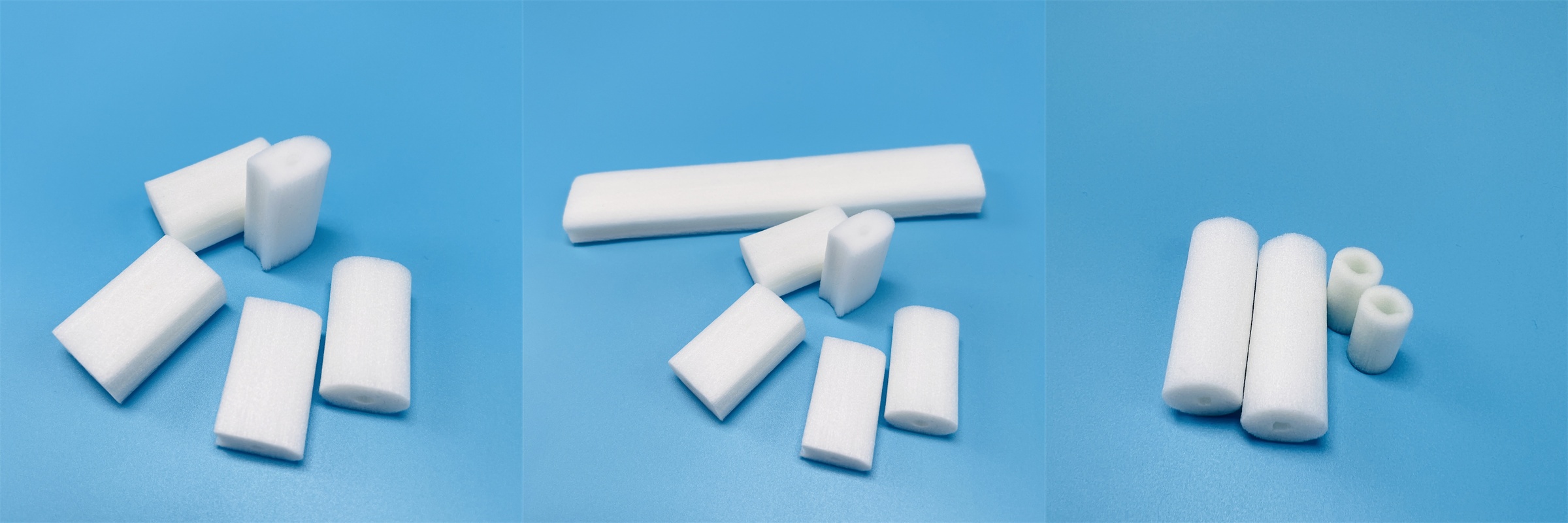
4 Typical Application Fields
PET oil storage filter cotton acts as the core functional medium of oil-gas separation and air intake filtration systems, widely adopted in various industrial and automotive sectors as listed below:
4.1 Air Compressor Industry
This field constitutes the largest consumption market of PET filter cotton. It is applied in two core filter assemblies of screw air compressors: oil-gas separator filter elements and primary air intake filter pads. The oil-gas separator filter element separates mixed lubricating oil from high-pressure compressed air for oil recycling; the intake filter cotton intercepts outdoor dust and suspended impurities before air enters the compression chamber, protecting internal rotor assemblies from abrasive wear.
4.2 Vacuum Pump Equipment
It serves as oil-gas separation filter elements for oil-lubricated rotary vane vacuum pumps and screw vacuum pumps. During vacuum extraction, pump oil easily vaporizes into oil mist and is about to be pumped out along with extracted gas. PET cotton intercepts oil mist droplets and recycles pump oil back to the pump oil tank, preventing vacuum oil from contaminating downstream processing pipelines, laboratory vacuum chambers and precision production processes.
4.3 Automobiles & Internal Combustion Engines
PET cotton is installed inside engine crankcase ventilation systems, namely PCV oil-gas separators. It separates and recovers engine oil entrained in blow-by gas generated during cylinder combustion. After oil recovery, clean gas flows back into the engine intake pipeline for secondary combustion. This function reduces carbon deposit accumulation on intake valves and intake manifolds, stabilizes engine oil consumption and optimizes overall vehicle fuel economy.
4.4 Gas Turbines & Rotating Turbomachinery
It is configured as return oil filter media of large-scale turbine lubrication circulation systems. Lubricating oil flowing back from high-speed turbine rotors carries tiny metal wear particles and carbon impurities. PET cotton filters out solid contaminants before oil flows back into the main oil tank, ensuring continuous cleanliness of circulating lubricating oil and protecting high-value turbine core rotors.
4.5 Industrial Gearboxes & Hydraulic Systems
PET cotton is used as built-in lubricating oil filter pads and breathable filter elements for industrial heavy-duty gearboxes and closed hydraulic stations. It filters out particulate impurities generated by gear meshing and hydraulic valve movement while maintaining balanced internal and external air pressure of sealed oil tanks through breathable pore structures, realizing dual core functions of impurity filtration and pressure equalization simultaneously.
5 Comprehensive Summary
The outstanding market performance of PET oil storage filter cotton originates from its perfectly balanced triple irreplaceable core functions: high-precision filtration efficiency, deep large-capacity oil storage capacity and stable uniform oil return performance. It is far more than a simple single-function sieve medium, but an integrated dynamic oil circulation management system with coordinated multi-layer functional structures.
Technical specifications
Fiber Cotton Data
|
Items
项目
|
PA+PET |
PET+PET |
|
PA(High Temperature)含量
PA (High Temperature)content(%)
|
71 |
- |
|
PET(High Temperature)含量
PET (High Temperature)content(%)
|
- |
71 |
|
PET (Low Temperature)含量
PET (Low Temperature)content(%)
|
29
|
29
|
|
膨胀率
Expansivity(%)
|
3 |
3
|
|
密度
Density(g/cm3)
|
0.04-0.7 |
0.04-0.7 |
|
纱直径
Yarn diameter(μm)
|
15-20 |
15-20
|
|
纱克重
Yarn gram weight
|
400D
|
400D |
|
熔化温度
Melt Temperature
|
250℃ |
250℃ |
Development History
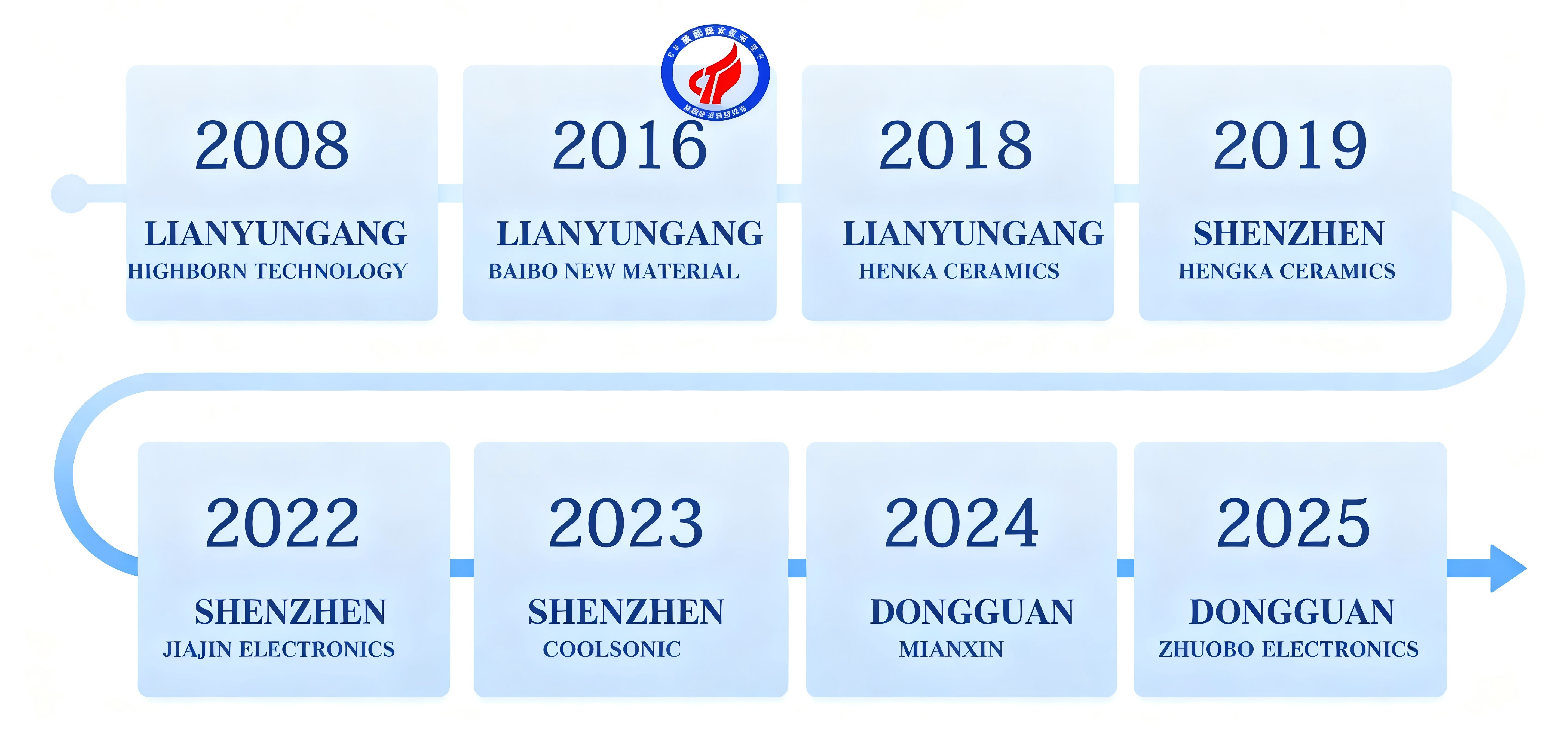
Patents and certification
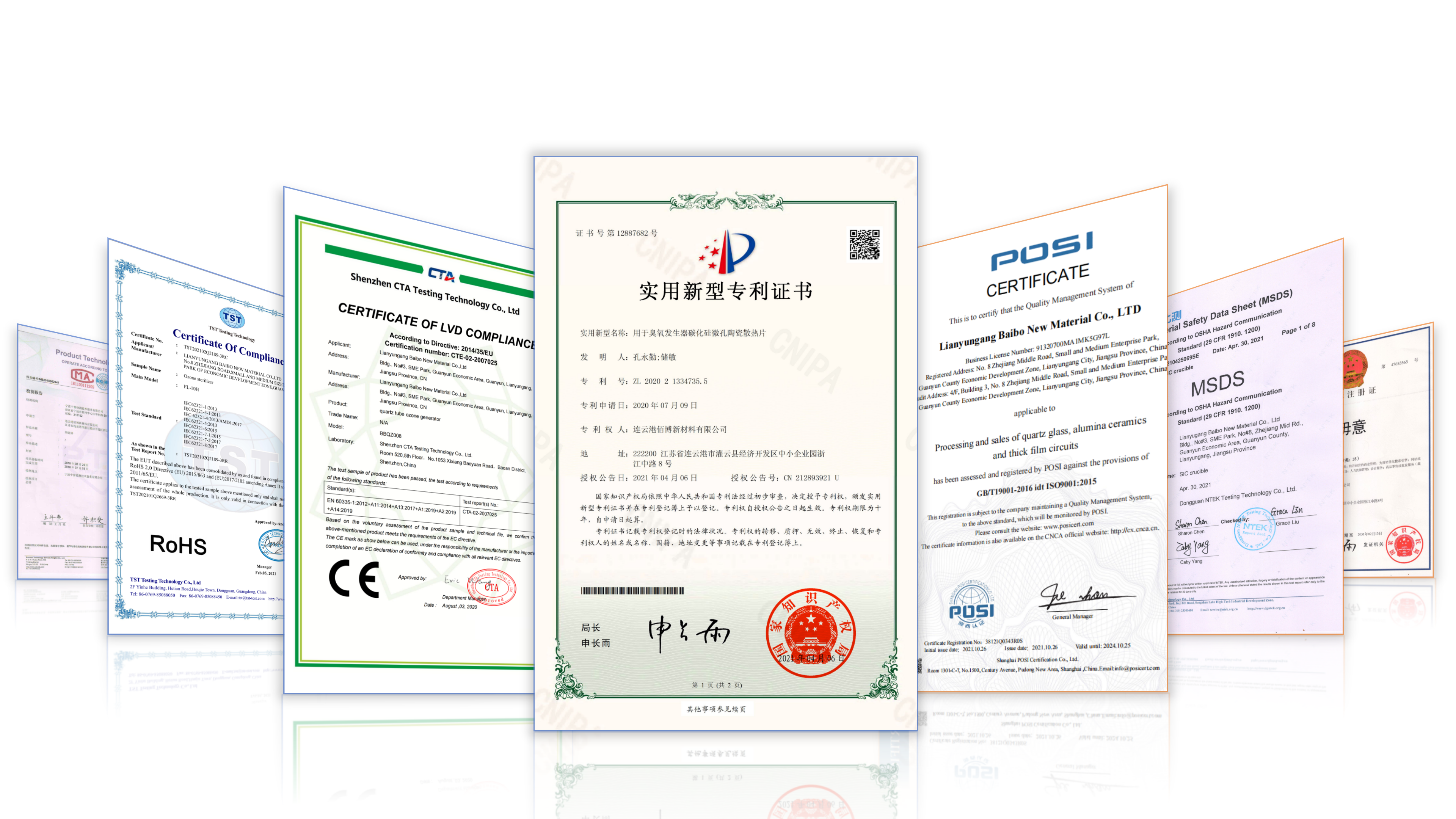
We’ve obtained various global certifications including CE, EMC, LVD, RoHS, FDA, MSDS, ISO 9001, SGS and TUV. We also own eight registered trademarks and forty technical patents to support independent R&D.
Our proprietary core technologies run through all product lines: porous ceramics, industrial ceramic components, special glass, metallized ceramics, liquid absorption cotton, ozone generators and silicone goods. All products are manufactured in strict accordance with international quality standards, delivering reliable and high-performance solutions that have gained wide recognition and market trust worldwide.
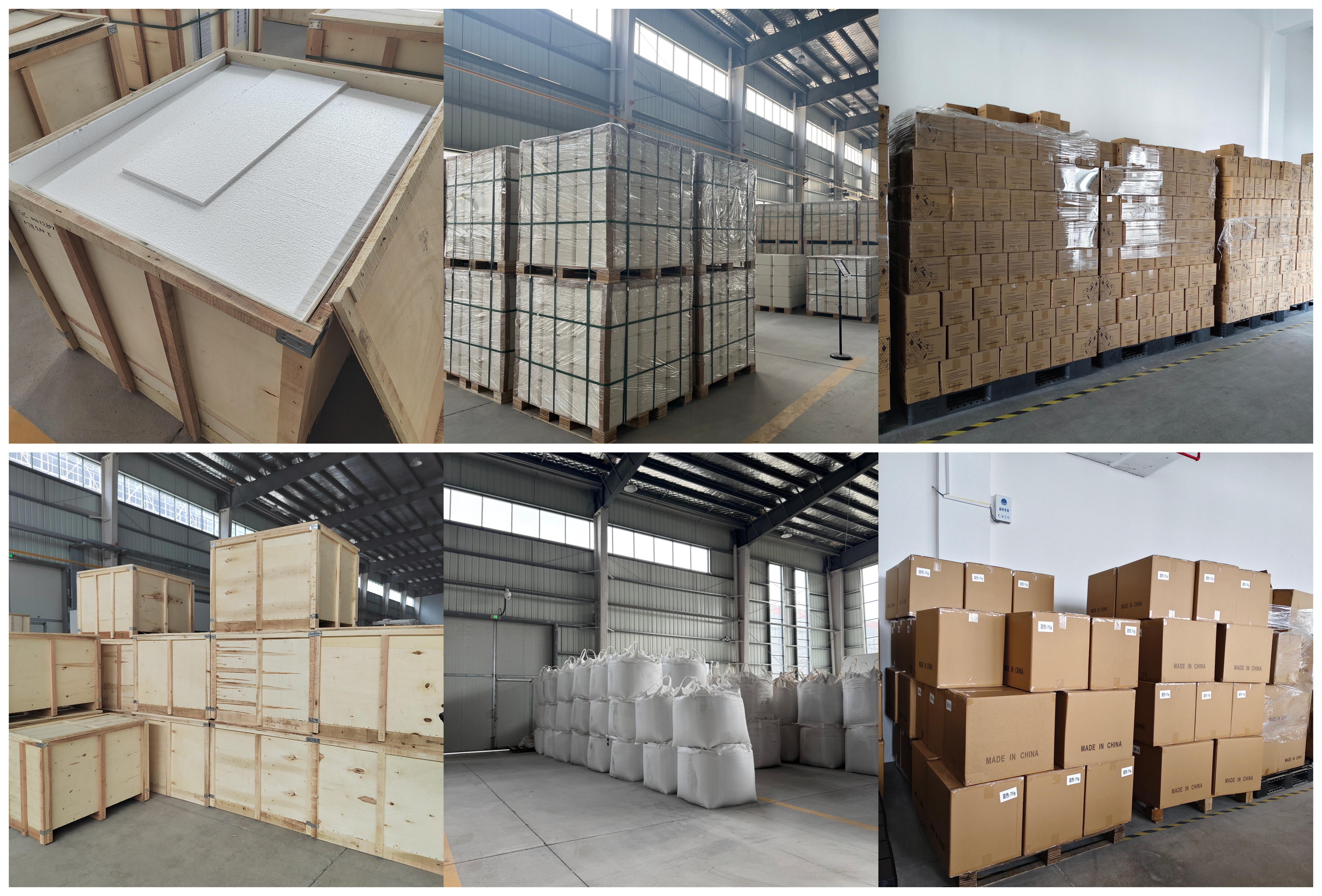
Package
We adopt scientific and standardized packaging solutions tailored to product characteristics to effectively prevent collision, extrusion, dust and moisture damage. With mature global transportation system and strict shipment inspection procedures, we ensure all products remain intact and stable during long-distance delivery, providing customers with safe, efficient and reliable one-stop logistics service.
Services
Inquiry & Customization
We provide fast and accurate quotation response for all your inquiries. Flexible OEM & ODM customization solutions are available to meet your unique product design, packaging and branding requirements.
Order Quality Control
We keep clients updated with full production progress throughout the whole order cycle. Our QC team carries out strict comprehensive pre-shipment inspection to guarantee all goods comply with your quality standards before delivery.
Customs Document Support
We prepare a full set of standard export documents including commercial invoice, packing list, certificate of origin and other certification papers, to ensure smooth global customs clearance for shipments to all destinations worldwide.
One-Stop Logistics
Multiple shipping methods including sea freight, air freight and express delivery are offered to match your schedule and budget. We supply real-time cargo tracking service so you can monitor shipment status anytime.
Flexible Payment
We support a wide range of secure international payment terms such as T/T, L/C, Western Union and other mainstream cross-border settlement methods to reduce your cross-border transaction risks.
After-Sales Support
Our professional after-sales team offers timely technical and business support all year round. We maintain steady long-term stable supply capacity to fully back up your continuous market sales and project demands.
FAQ
01
Question: Can you produce based on customers’ drawings or physical samples?
Answer: Absolutely yes. We accept technical drawings in all mainstream file formats as well as actual physical samples. Before formal production, our engineering team will provide a full professional DFM feasibility evaluation for your reference.
02
Question: How long is the production lead time for custom orders?
Answer: Sample lead time: 3–7 working days. Custom mold lead time: 5–10 working days (we will confirm the cycle separately with you for complex molds). Mass production lead time: 7–20 working days, depending on product structure complexity and order quantity.
03
Question: What’s your minimum order quantity for custom products?
Answer: We provide flexible MOQ solutions for all customized items. We will try our best to set a low minimum order volume to support your small-batch trial orders, meanwhile we can handle stable mass production to satisfy your long-term bulk demands.
04
Question: What customization services can you provide?
Answer: We support comprehensive one-stop customization, including product size, shape, appearance, precision tolerance, surface treatment, hole grooving, bending, cutting and adjustable high-temperature resistant parameters. Custom engraved LOGO and exclusive customized packaging are also available as extra personalized options upon request.
05
Question: Do you accept third-party inspection of finished products?
Answer: Yes, we fully cooperate with all mainstream authorized third-party testing institutions. Well-known organizations such as SGS, BV and other internationally recognized inspection bodies are all acceptable. We can supply complete official inspection reports and material certification documents as you require.
06
Question: Can you customize raw material options for products?
Answer: Sure. We can select and match appropriate raw materials according to your application scenarios, working conditions and performance requirements, including alumina, zirconia, quartz, silicone and other special engineering materials, and adjust related performance parameters to meet your usage standards.



 EN
EN