Home > Products > Special glass > Cuvette
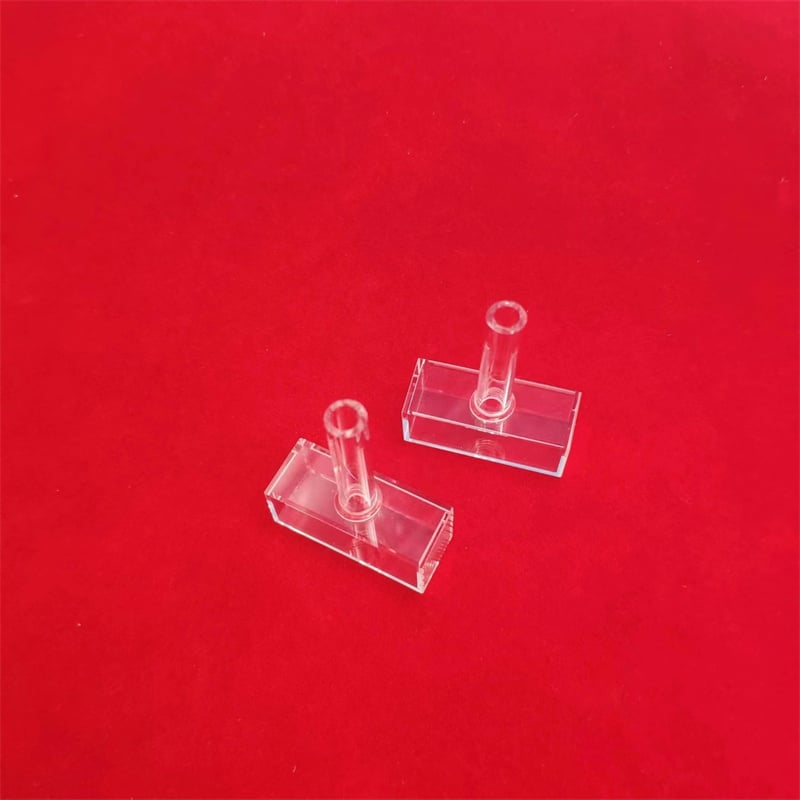
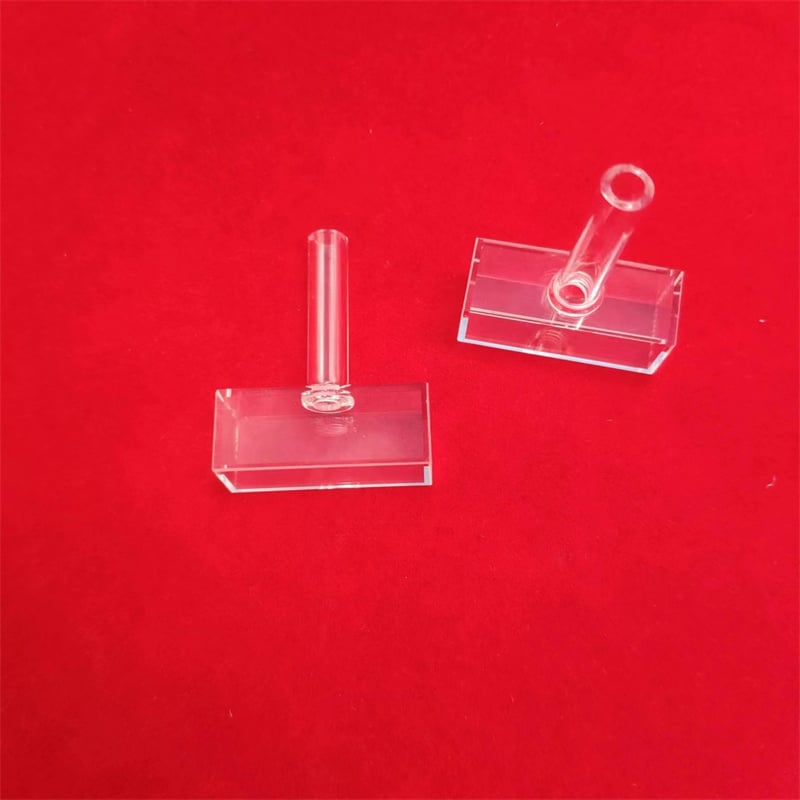
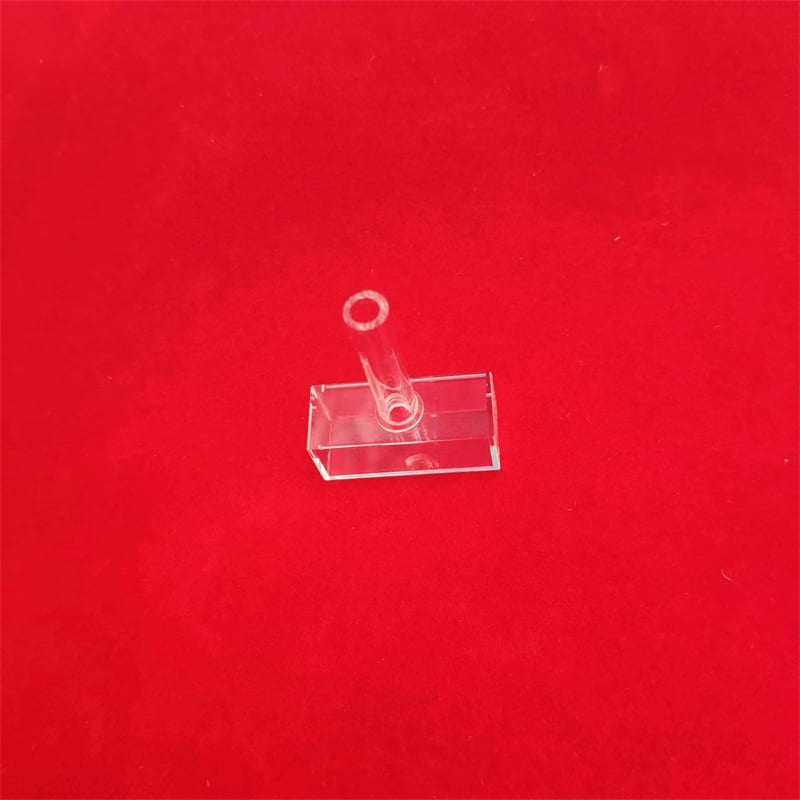
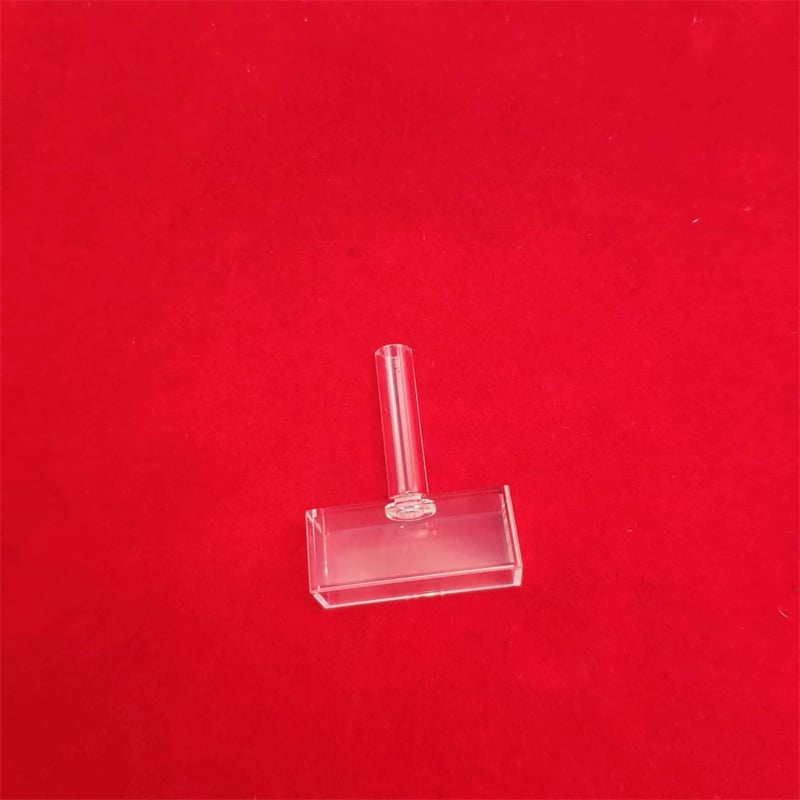
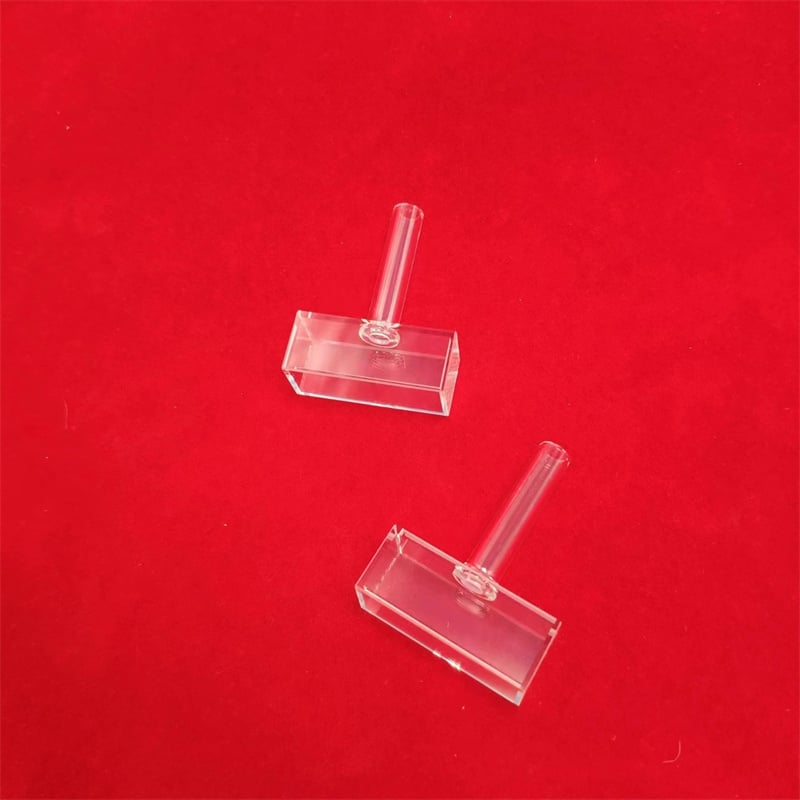
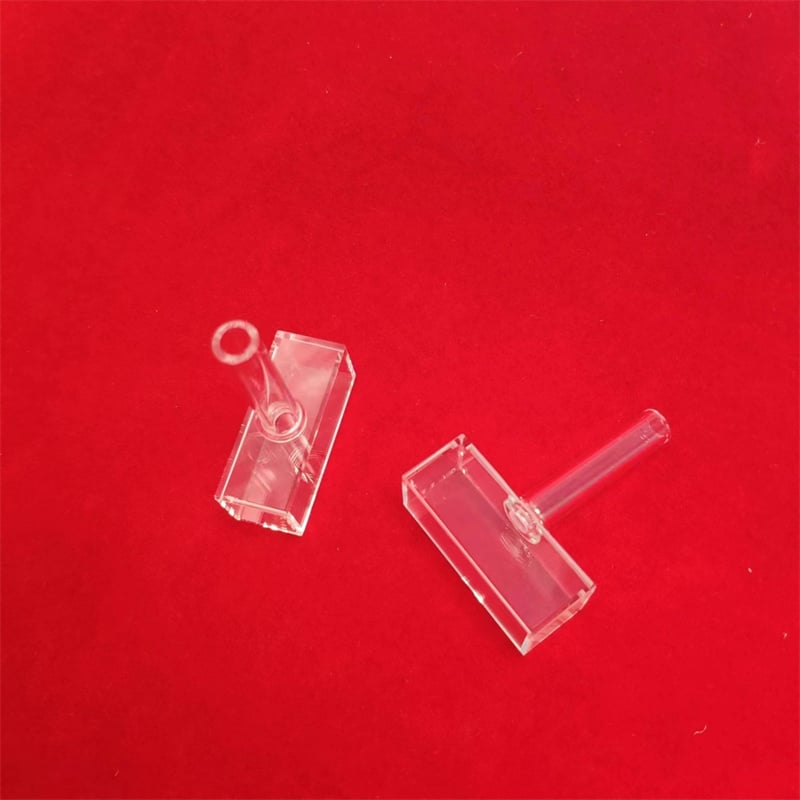
High purity quartz cuvette:
SiO₂, content up to 99.9%
Optical Properties:
High transmittance in the working wavelength range 190-2500nm
Structural Properties:
Precise dimensional tolerance +/0.01mm
Feature:
Long service life, durable for repeated cleaning and use
Application:
For UV-Vis, fluorescence, biochemical and environmental spectral tests
Key Properties:
High temperature resistance, stable against thermal shock and Chemically inert, acid and alkali resistant
Unlike a standard cuvette which holds liquid samples, an atomic absorption cell is designed to contain a gaseous phase of free atoms at high temperatures.
A cuvette is typically a rectangular cuboid, with its base and two sides made of ground (frosted) glass , and the other two opposite sides are transparent optical surfaces that form the light path. These optical surfaces are constructed using methods such as fused one-piece formation, high-temperature sintering of glass powder, or adhesive bonding.
Cuvettes are primarily used in spectroscopic analysis for quantitative, qualitative, and kinetic studies. They serve as essential accessories for instruments such as spectrophotometers, containing reference and sample solutions to determine substance concentration, identify components, and monitor reaction processes
2.1 Shape: Common shapes include rectangular and cylindrical. Rectangular cuvettes are more widely used. Among their four sides, two are optically transparent, and two are frosted, facilitating handling and reducing light scattering. Cylindrical cuvettes are less common and are typically used for specific instruments or specialized experiments.
2.2 Specifications: These are primarily distinguished by path length (the distance light travels through the cuvette) . Common path lengths include 0.1 cm, 0.2 cm, 0.5 cm, 1 cm, 2 cm, 3 cm, and 5 cm. The path length affects the magnitude of the absorbance. According to the Lambert-Beer law, under otherwise identical conditions, a longer path length results in greater absorbance.
A. Strong mechanical strength, strong adaptability to temperature change, very strong bonding part, internal pressure can withstand several air pressure.
B. Extremely precise optical processing technology, excellent optical performance of the transparent surface.
C. Choose high-quality quartz glass, ensure no bubbles, no stripes.
D . Strong corrosion resistance, can withstand 6mol/L hydrochloric acid, anhydrous ethanol, carbon tetrachloride and benzene for 24 hours without degluing and leakage.
Quartz glass, specifically optical quartz glass sheets, boasts advantages such as high temperature and high pressure resistance, making it superior to other optical materials. Quartz glass exhibits excellent ultraviolet transmission performance, with minimal absorption of visible and near-infrared light, making it a fundamental material for producing optical fibers. Its extremely low thermal expansion coefficient and high chemical stability, along with bubble, streak, uniformity, and birefringence characteristics comparable to general optical glass, make it the preferred optical material for applications in harsh environments.
provide excellent transmittance in both the ultraviolet (UV) and visible light spectra. Unlike glass or plastic, they do not absorb UV light, making them essential for a wide range of applications in UV-Vis spectroscopy. This is their most significant advantage over glass cuvettes, which are only suitable for the visible light range.
Usage:The laser beam passes through the absorption cell for atomic vapor, and the attenuation of the light is measured to determine concentration.
Quantitative Analysis: Based on the Beer-Lambert law, the concentration of an analyte is calculated by measuring the absorbance of light at specific wavelengths. Examples include detecting heavy metal ions (e.g., copper, lead) in water quality testing or analyzing nutrients (e.g., proteins, vitamins) in food analysis. Qualitative Analysis: By comparing the absorption spectra of unknown samples with those of standard substances, cuvettes assist in identifying material types, such as in the structural analysis of organic compounds. Kinetic Studies: Continuous monitoring of absorbance changes during reactions helps obtain parameters such as reaction rates and activation energy. An example includes analyzing influencing factors in enzyme-catalyzed reactions.
Wavelength Compatibility: Quartz cuvettes must be used in the UV range (190–400 nm). For the visible light range (400–900 nm), either glass or quartz can be used, with glass typically chosen to reduce costs. Specific infrared cuvettes are required for the IR range. Path Length Selection: Use a long path length (2–3 cm) for lighter-colored solutions and a short path length (0.5–1 cm) for darker-colored solutions to ensure the absorbance falls within the optimal range. Operational Guidelines: Hold the cuvette by the frosted sides to avoid touching the transparent optical surfaces. Fill to about 2/3 of its height. Clean immediately after use, using specific solvents (e.g., an ether-ethanol mixture) for stubborn stains
8.1.Wash with a mixture of 50% ether and 50% absolute ethanol.
8.2.If it is too dirty, it can be cleaned with special cleaning solution, but the cleaning time is short (10min), and then cleaned with water.
Material |
Code |
Transmission on empty cell |
Deviations in Matching |
Optical glass |
G |
at 350nm approx. 82% |
at 350nm max. 0.5% |
ES quartz glass |
Q |
at 200nm approx. 80% |
at 200nm max. 0.5% |
IR quartz glass |
I |
at 2730nm approx. 88% |
at 2730nm max. 0.5% |
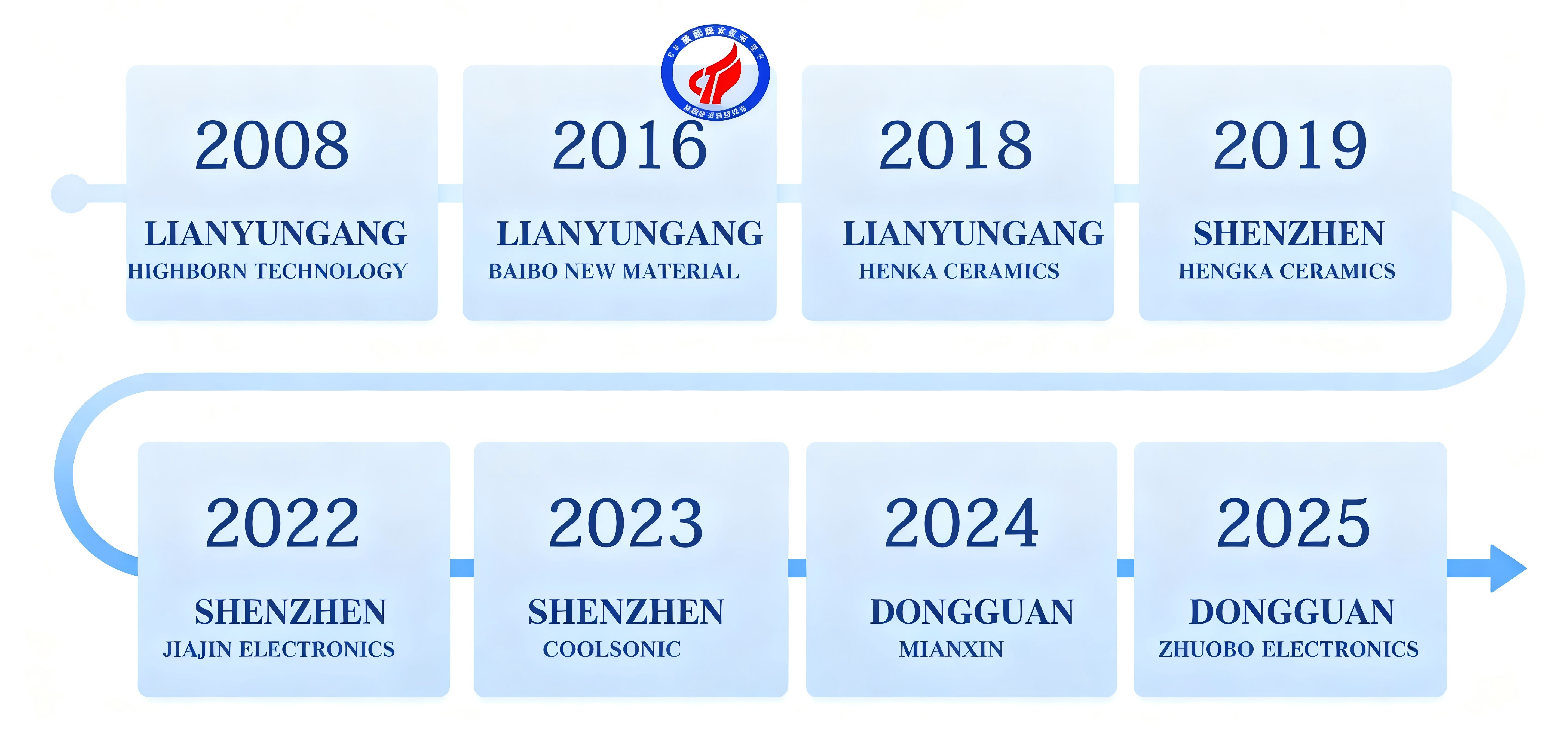
Development History
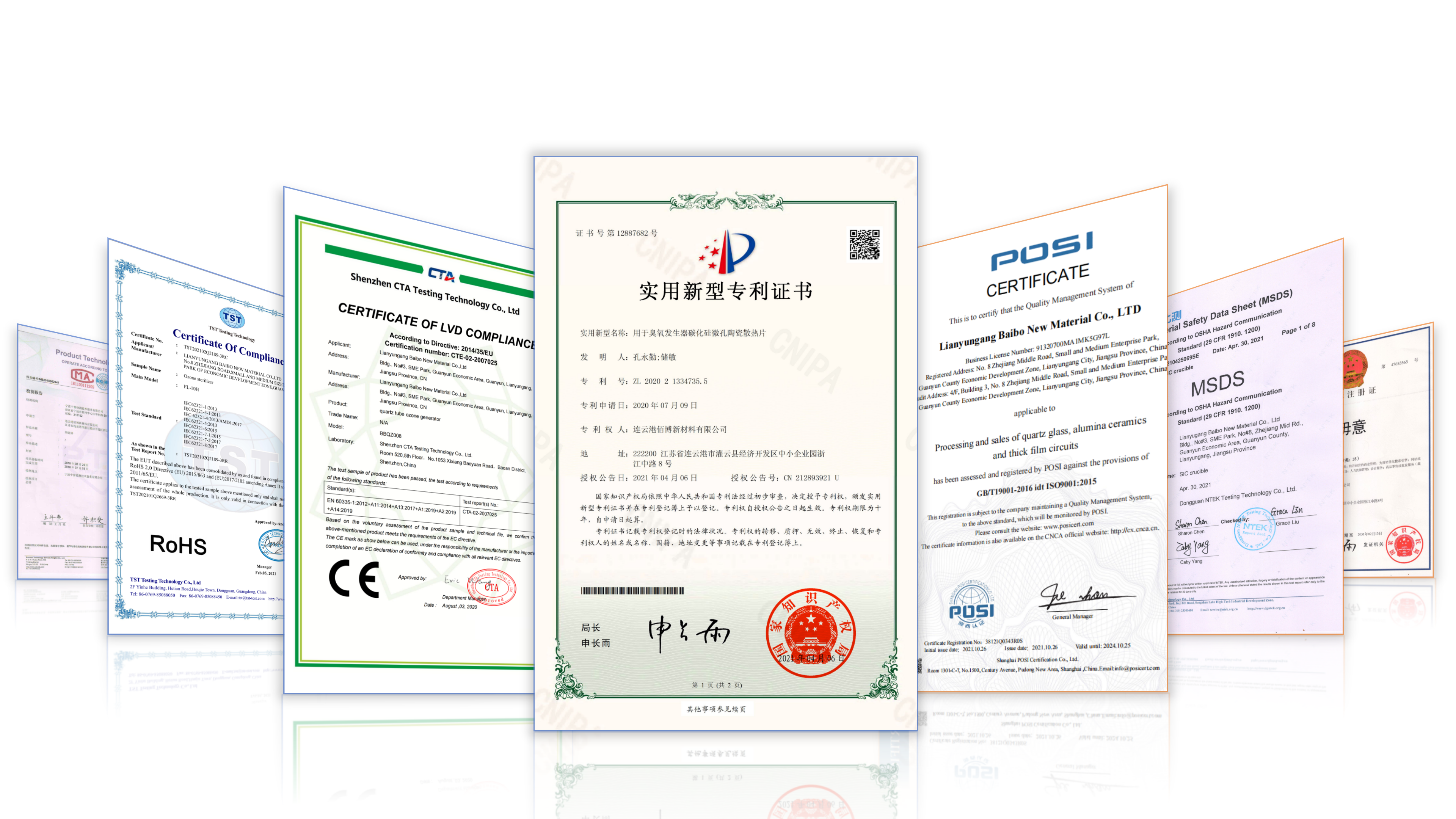
Patents and certification
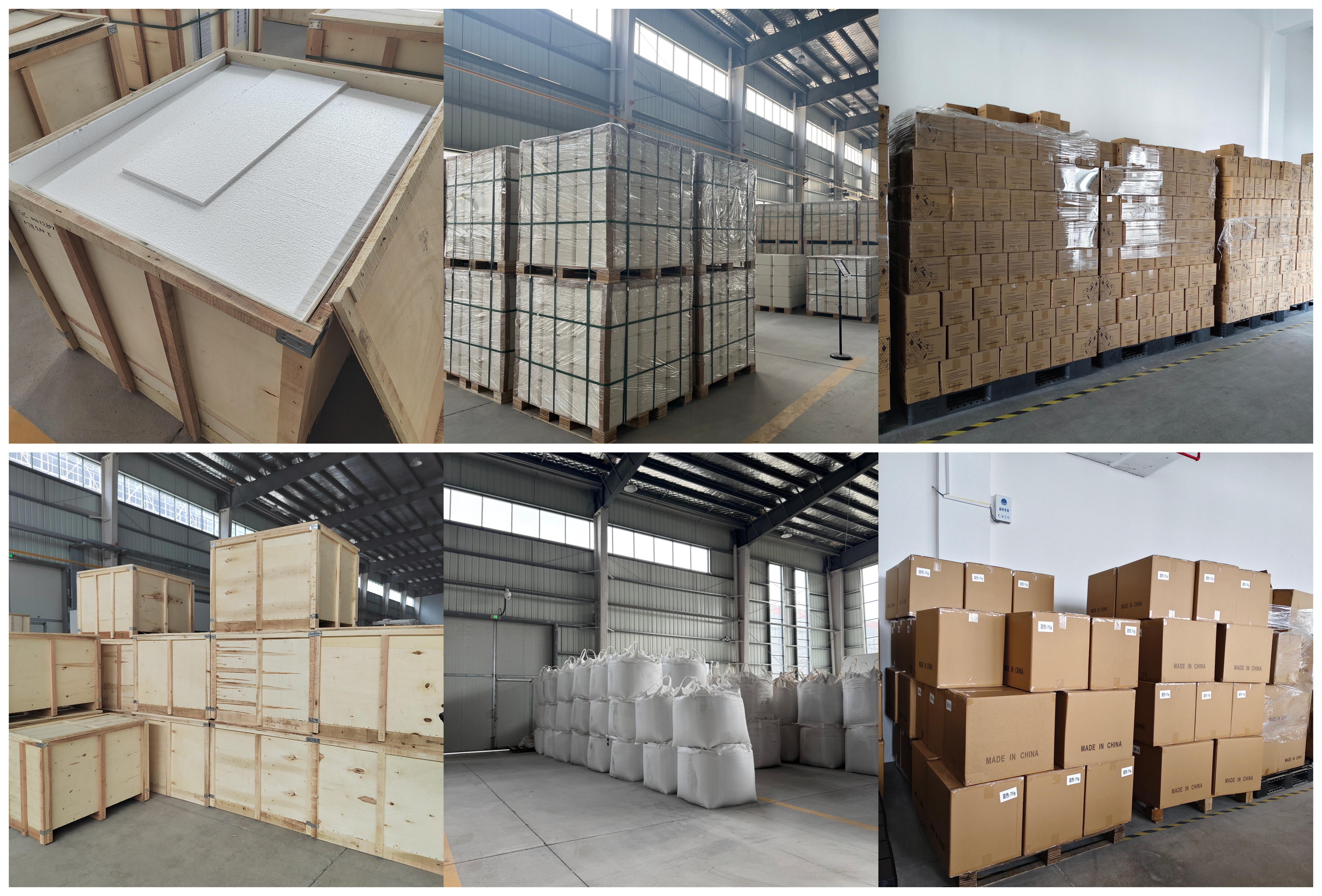
Package
Services
FAQ
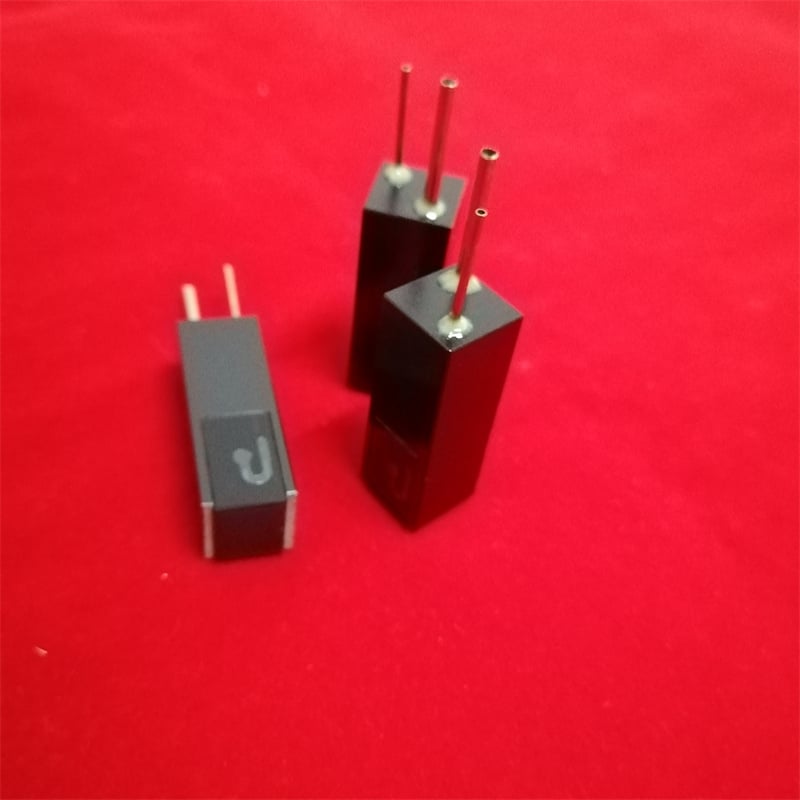
Q614 Black Wall Avoid Light Flow Cell Biochemical Analyzer Quartz Glass Cuvette For Biochemical Analyzer
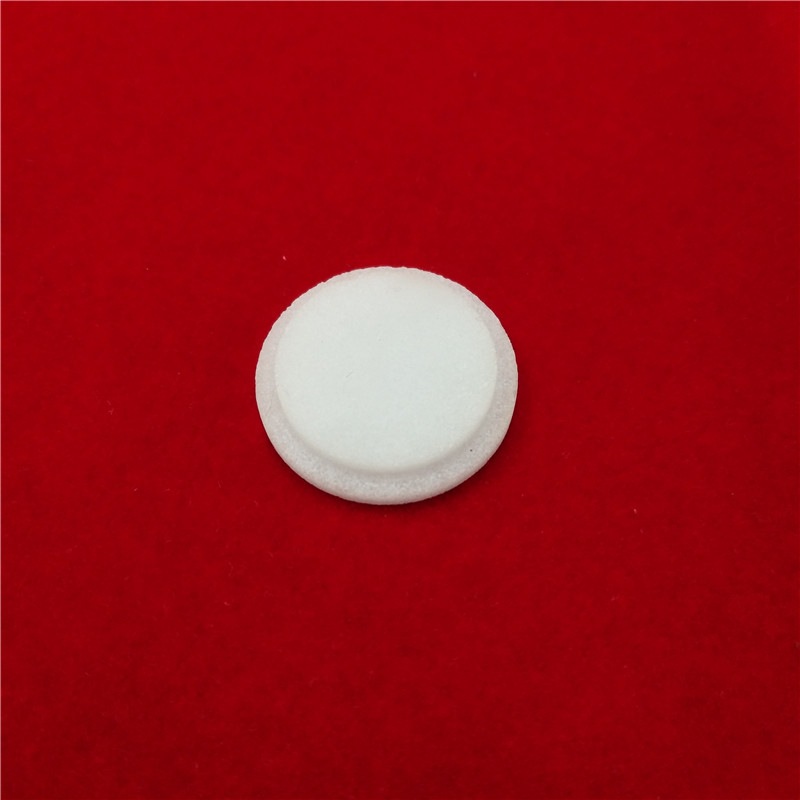
Hot Sale Heat Resistant Custom Size Milky Quartz Glass Plate
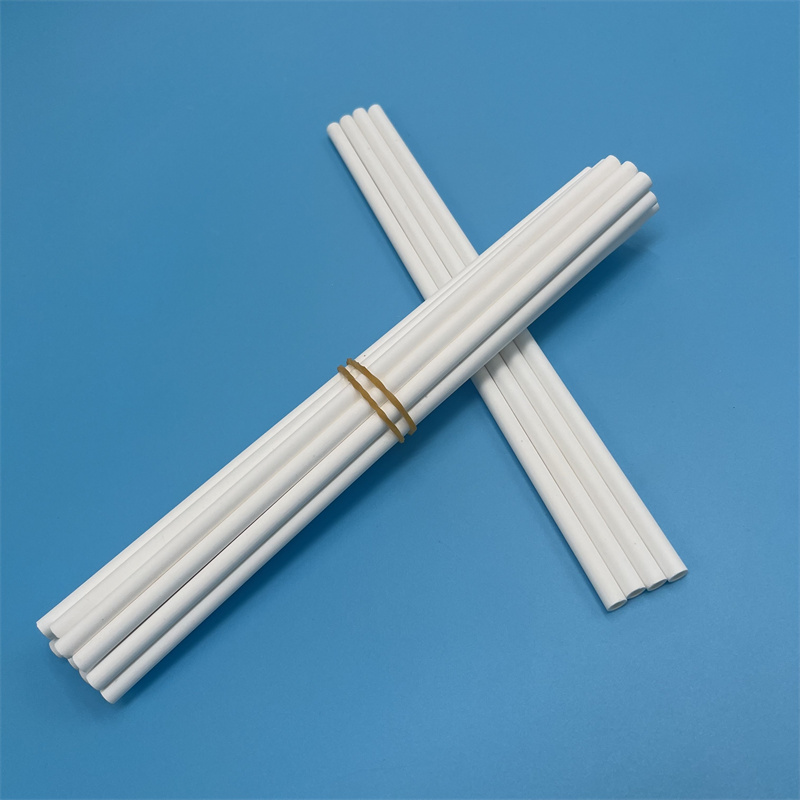
High Purity Magnesium Oxide Ceramic Tube MGO Pipe for Cartridge Heater Insulator
8mol Yttria-stablized YSZ Oxygen Sensor Zirconia Ceramic Tube ZrO2 One End Closed Sleeve


 EN
EN