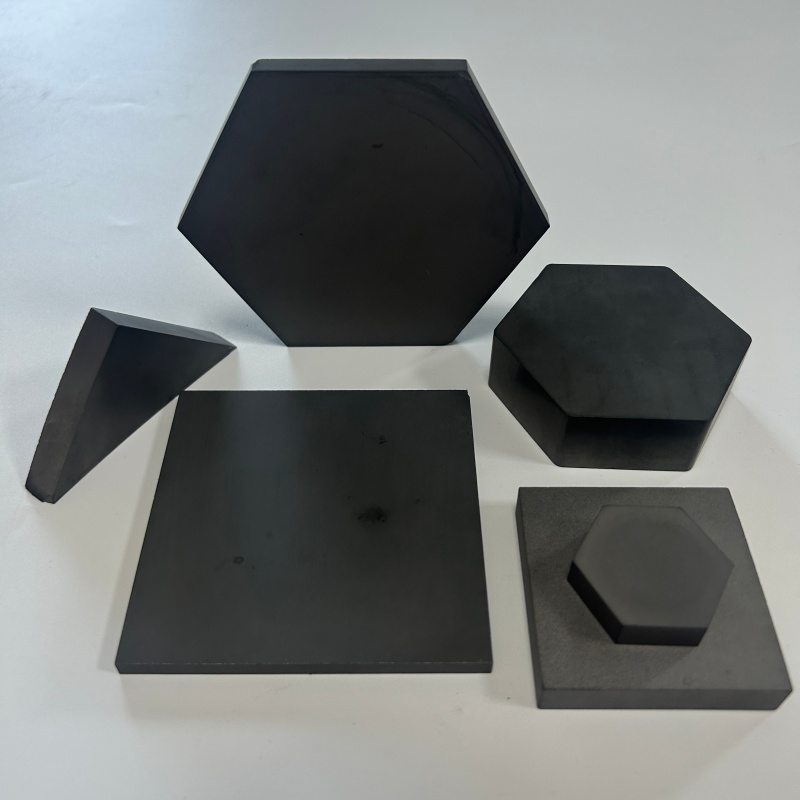
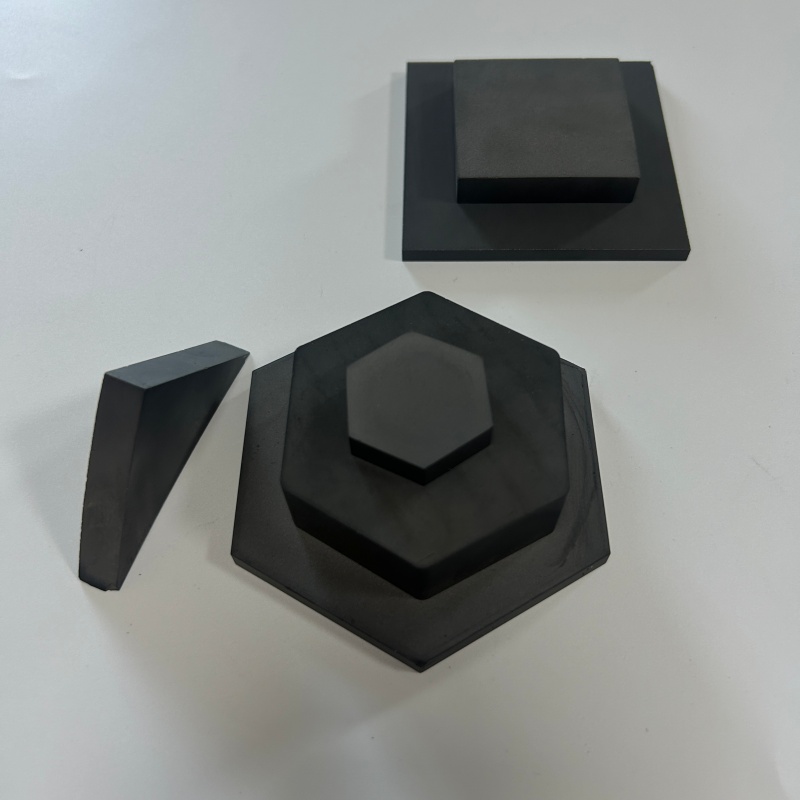
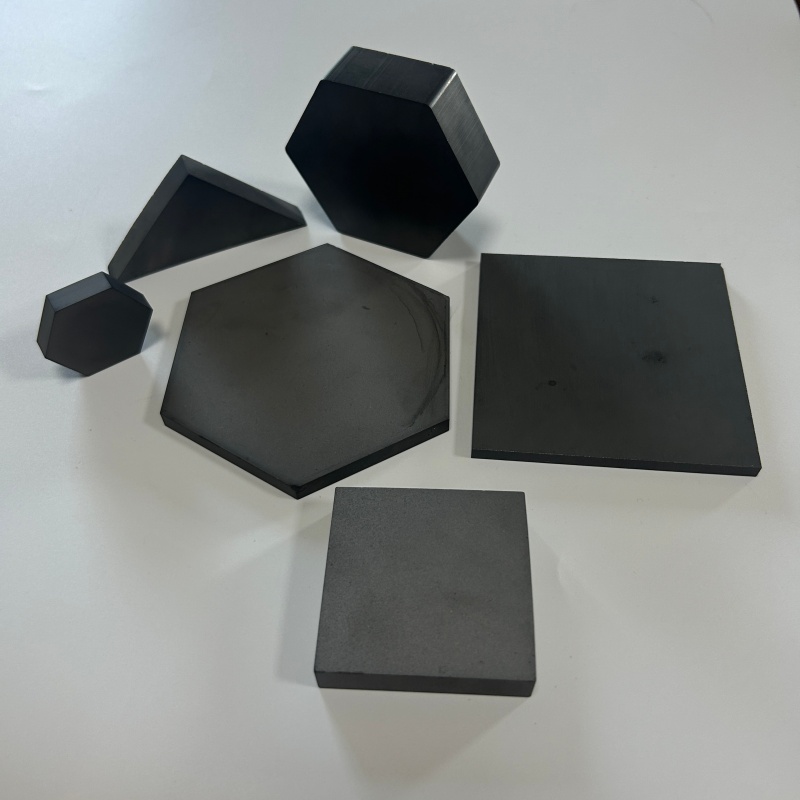
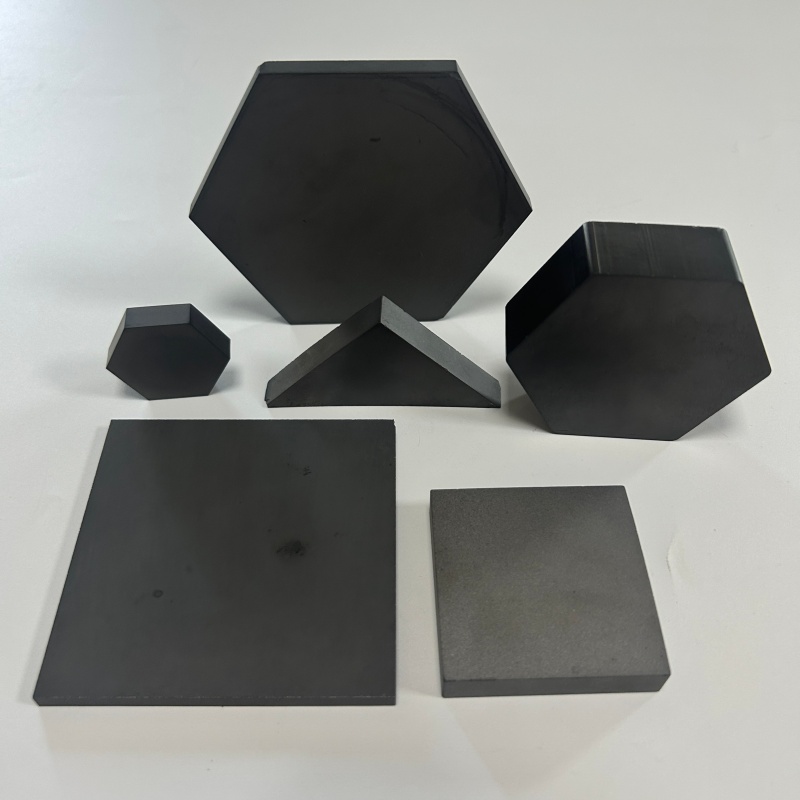
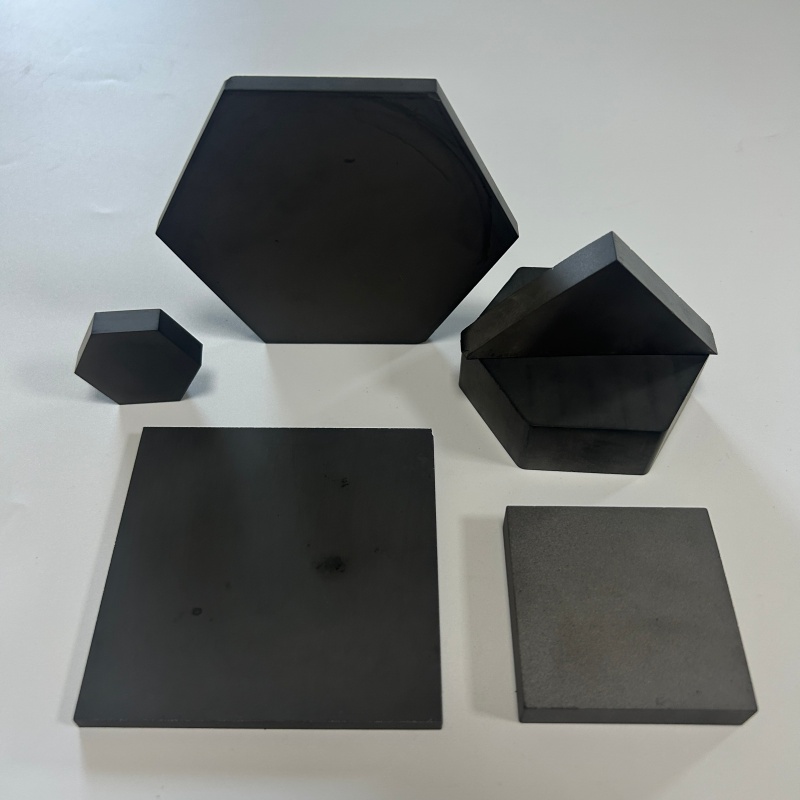
B4C Boron Carbide Ceramic Plate for Chemical and Nuclear Power Industries. Contact for the best quotation.
Performance characteristics of boron carbide ceramic sheets
1. Ultra-high hardness and wear resistance: The Mohs hardness of boron carbide is 9.3, second only to diamond and cubic boron nitride. Its microhardness is approximately 50GPa, and its wear resistance is significantly superior to that of common metals and ceramic materials such as alumina.
2. Low density and high strength: Its density is 2.47-2.55g/cm³, significantly lower than that of steel and silicon carbide ceramics. At room temperature, its flexural strength can reach 300-400MPa, featuring a combination of lightweight and structural strength.
3. High-temperature resistance and oxidation resistance: The melting point of boron carbide ceramic sheets is 2450℃, and they can stably operate above 2000℃ in an inert atmosphere. In the air, the oxidation reaction is slow below 600℃. When the temperature exceeds 800℃, a dense B₂O₃ oxide film will form on the surface, preventing further oxidation of the internal materials.
4. Neutron absorption capacity: The ¹⁰B isotope contained in boron carbide has a high absorption cross-section for neutrons, and no long-lived radioactive products are generated after absorbing neutrons. It is an ideal neutron shielding and control material in the nuclear industry.
5. Chemical stability and electrical properties: At room temperature, boron carbide ceramic sheets do not react with acids, bases, and most organic solvents except hydrofluoric acid. It has better corrosion resistance than metals and common ceramic materials, and also has good electrical insulation.
Manufacturing process of boron carbide ceramic sheets
Powder preparation: The main methods include carbon thermal reduction method, direct synthesis method, self-propagating high-temperature synthesis method (magnesium thermal reduction method) and chemical vapor deposition method, etc. Among them, the carbothermal reduction method is currently the most important preparation method in industry due to its simple operation and low cost.
Molding: Dry pressing molding, gel injection molding, isostatic pressing molding and other methods can be adopted. Dry pressing molding involves mixing powder with a small amount of binder, granulating it, and then pressing it into shape in a mold. Gel injection molding involves mixing ceramic powder with organic monomers, etc., and then injecting it into a mold to trigger the polymerization and molding of the monomers. Isostatic pressing is a process that takes advantage of the property of liquids to uniformly transfer pressure, applying pressure to the sample uniformly from all directions to form it.
Sintering: Common sintering methods include pressureless sintering, hot-pressing sintering, hot isostatic pressing sintering, and spark plasma sintering, etc. Hot-pressing sintering is a process of sintering materials under high temperature and high pressure conditions, which can produce ceramic products with high density and high strength. The pressureless sintering process is simple and low-cost, but the sintering temperature is high and the grains are prone to abnormal growth.
Application fields of boron carbide ceramic sheets
In the field of protection and wear resistance: Boron carbide ceramics have an extremely strong covalent bond structure and excellent properties, such as ultra-high hardness, high flexural strength, excellent oxidation resistance, and good corrosion resistance. They are very high-quality impact-resistant, heat-resistant, and wear-resistant materials, and are also one of the commonly used bulletproof ceramic materials. In addition, boron carbide ceramics have a strong heat absorption capacity and an extremely low coefficient of thermal expansion, which can effectively absorb the heat energy of bullets and prevent the armor from deforming easily. Among several commonly used bulletproof ceramics, boron carbide ceramic sheets have the highest hardness but the lowest density. Therefore, it has always been regarded as a relatively ideal bulletproof armor ceramic. It is the core material for individual bulletproof vests, combat vehicle armor and helicopter protective plates. Under the same protection level, the equipment weight is reduced by more than 50% compared with steel armor. It can also be made into industrial wear-resistant parts such as sandblasting nozzles and grinding media, with a service life 5 to 10 times that of ordinary metal or alumina ceramic parts.
In the nuclear industry: Advanced pressin-free sintering technology is adopted for batch production of boron carbide ceramics, featuring high production efficiency, flexible adjustment of ceramic parameters, and high purity of boron carbide products. Our company has developed a special formula for nuclear power boron carbide. Without introducing other elements, the various indicators of press-free sintered boron carbide ceramics meet the requirements of the nuclear power industry, and the products do not require extensive machining. In addition, we can mass-produce boron carbide control rod cores, boron carbide protective balls, boron carbide shielding plates, boron carbide protective bricks, boron carbide thin sheets and other neutron absorption products that are widely used in nuclear reactors. The boron carbide ceramics we produce can effectively control the neutron density inside the reactor to maintain stable operation, and also reduce the risk of radiation leakage during the treatment and transportation of nuclear waste.
In addition to the military and nuclear power industries, boron carbide ceramic sheets are also widely used in civilian fields, such as bulletproof glasses and bulletproof glass.
Parameter
| Item | Unit | B4C |
| Density | g/cm³ | >2.48 |
| Porosity | % | <0.5 |
| Vickers Hardness | HV1(GPa) | 26 |
| Young’s Modulus | GPa | 410 |
| Flexural Strength | MPa | 460 |
| Compressive Strength | MPa | >2800 |
| Fracture Toughness | MPa.m0.5 | 5 |
| Coefficient of thermal expansion 25℃-500℃ 500℃-1000℃ |
10-6/K 10-6/K |
4.5 6.3 |
| Thermal conductivity at 25℃ | W/mK | 36 |
| Specific electrical resistance at 25℃ | Ω cm | 1 |
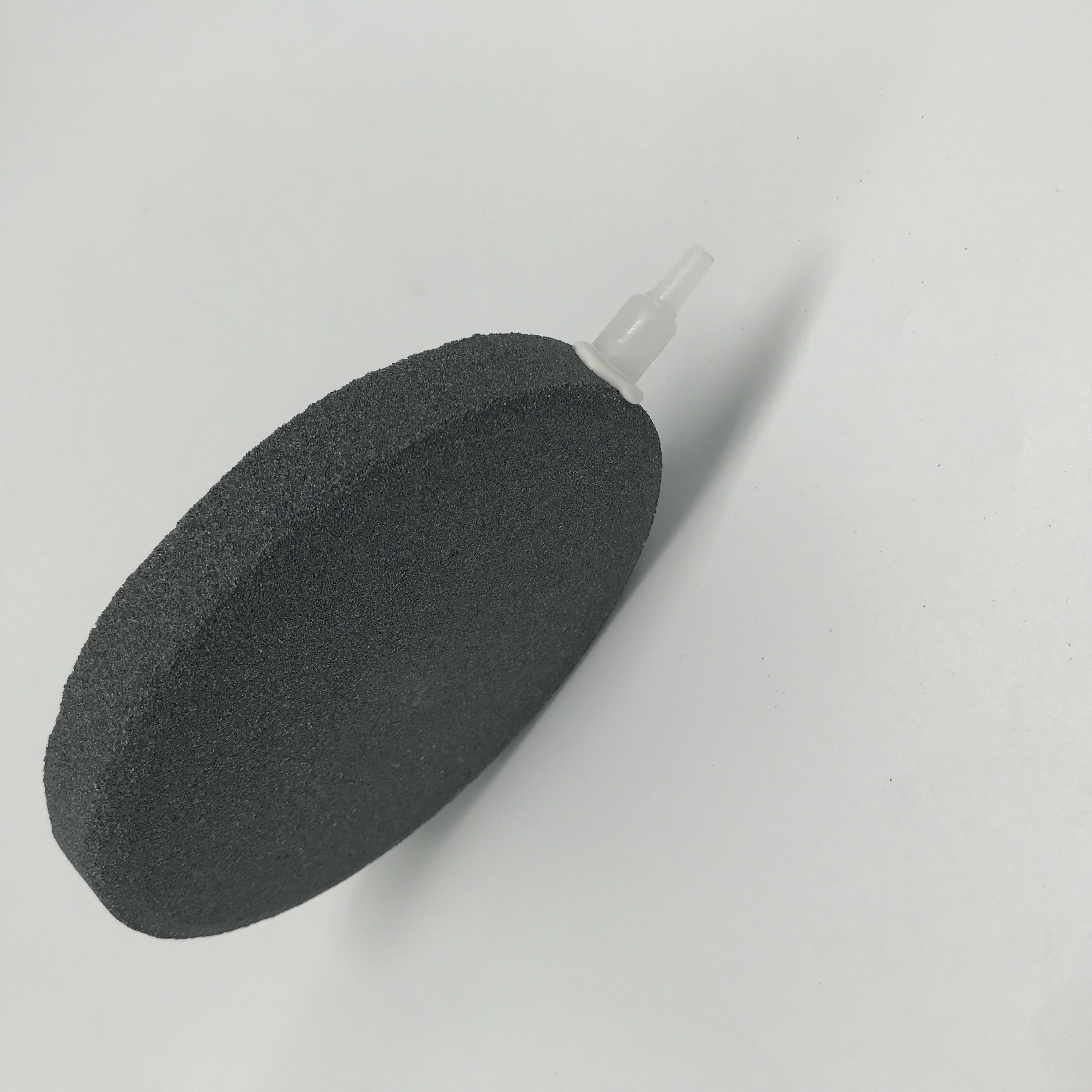
Fish Farming Aquarium Filtering and Oxygenating Air Bubble Stone
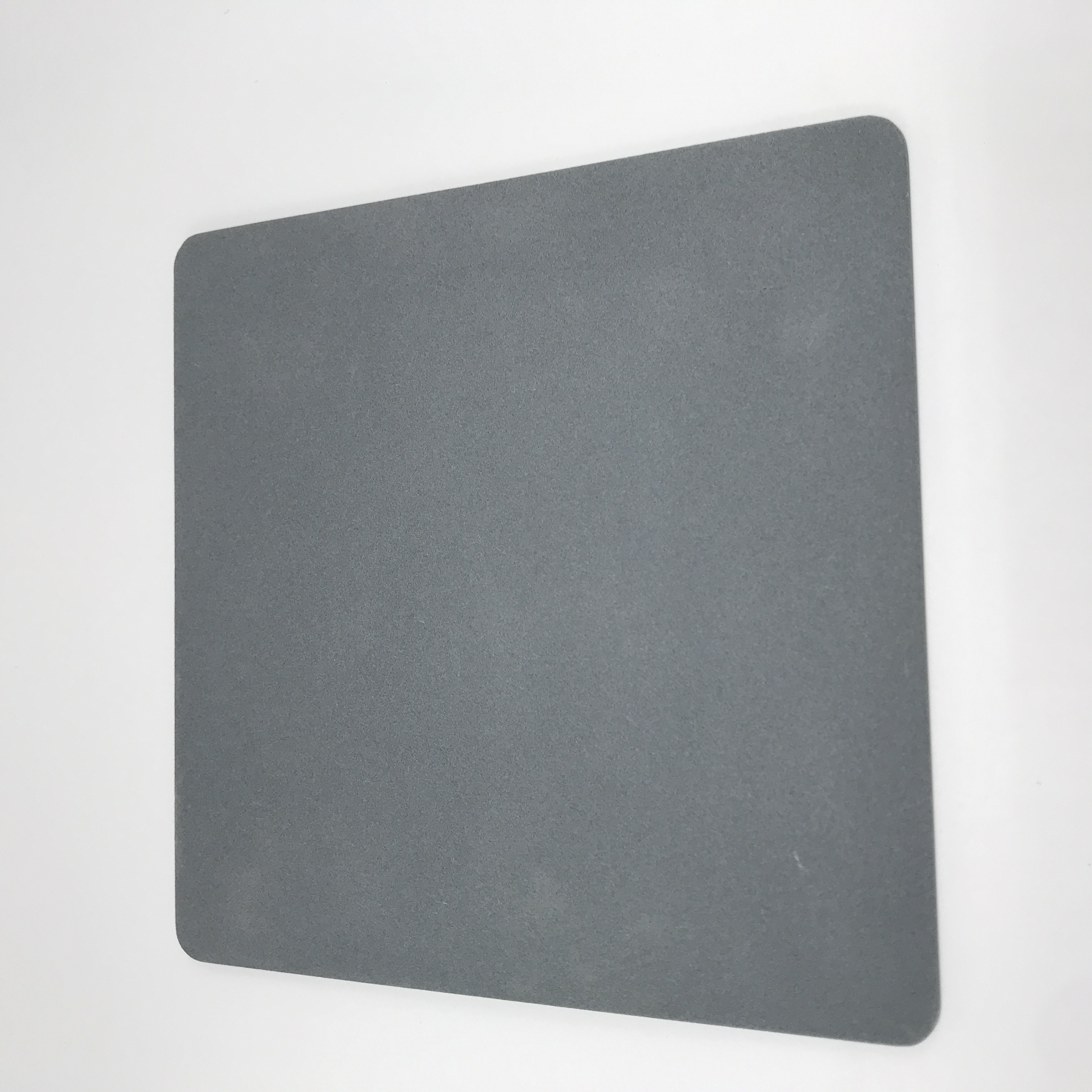
High precision Microporous silicon carbide SiC Ceramic Vacuum Chuck
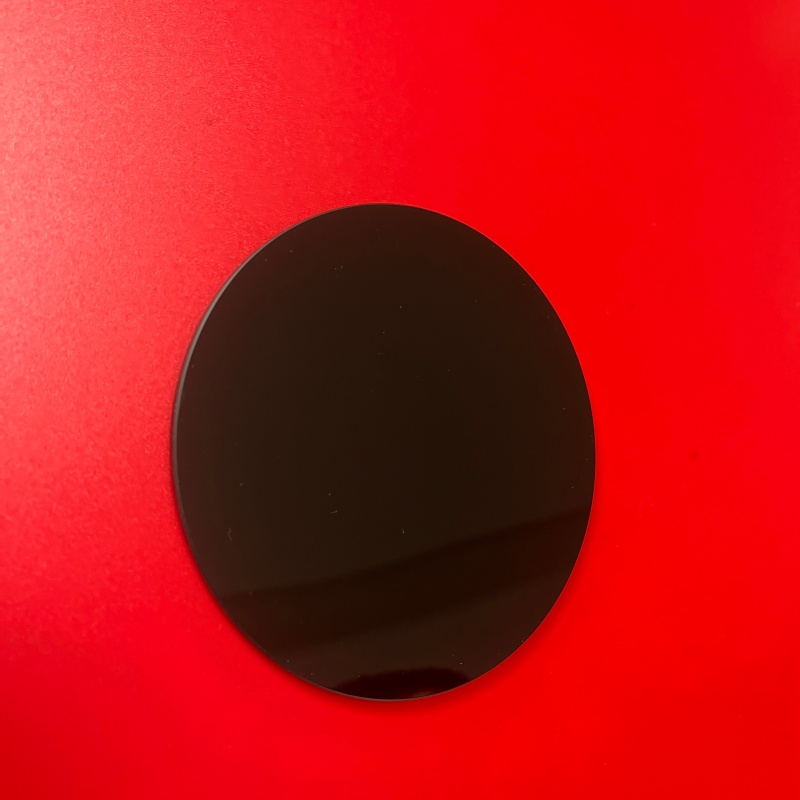
YΦC UG U Glass Filter UV Optical Glass plate lens for UV Curing and Flame Sensor
High-temperature Industrial ZrO2 Pipe Thermal Insulation Precision Zirconia Ceramic Tube


 EN
EN