ထုတ်ကုန်အသေးစိတ်
၁။ အကျဉ်းချုပ်
၁.၁ ကျူဗက်တ်၏ အက advantage များ -
1).အပူချိန်မြင့်မားမှု ခံနိုင်ရည်
2).ခံနိုင်ရည်မြင့်မားသော ပစ္စည်းဖွဲ့စည်းမှု
3).အပျက်အစီး ခံနိုင်ရည် .
၁.၂ ကွာတ့ဇ်ပစ္စည်းနှင့် ဂလပ်စ်ပစ္စည်းတွင် ကွဲပြားခြင်း -
1) ဂလပ်စ်ကျူဗက်တ်များ - အိုပ်တိုကယ်ဂလပ်စ်ဖြင့် ပုံဖော်ထားသည့် ကျူဗက်တ်များဖြစ်ပြီး ဓာတုဆိုင်ရာ ခံနိုင်ရည်အဆင့်တစ်ခုရှိပြီး ဈေးနောက်တွင် သက်သာသည်။ သို့သော် ၎င်းတို့ကို အိုပ်တိုစပက်ထရောစကော့ပီ အသုံးပြုမှုအတွက် မှန်ကန်စွာ အသုံးပြုနိုင်သည့် အလင်းအတိုင်းအတာမှာ မျှော်မြင်နိုင်သော အလင်းအတိုင်းအတာ (၃၈၀–၇၈၀ နမ်) ဖြစ်ပါသည်။ ဂလပ်စ်သည် အနုလေးမှုန်အလင်းကို စုပ်ယူသည့်အတွက် UV အတိုင်းအတာ (၁၉၀–၃၈၀ နမ်) တွင် အသုံးမပြုနိုင်ပါ .
2)ကွာတ်ဇ် ကူဗက်စ်များ - ကွာတ့ဇ်ဂလပ်စ်ဖြင့် ပုံဖော်ထားသည့် ကျူဗက်တ်များဖြစ်ပြီး အလင်းပိုင်းဆိုင်ရာ စွမ်းဆောင်ရည် အထူးကောင်းမွန်ပါသည် . ၎င်းတို့ကို မြင်နိုင်တဲ့ အလင်းတန်းသာမက ခရမ်းလွန်ရောင်ခြည်တန်းမှာပါ သုံးနိုင်ပြီး uV အလင်းအောက်မှာ ပြန့်နှံ့မှုမြင့်မား ပြီးတော့ စပက်ထရိုစကုပ်ဆိုင်ရာ အသုံးအဆောင် အမျိုးအစား ပိုကျယ်ပြန့်တဲ့ လိုအပ်ချက်တွေကို ဖြည့်ဆည်းပေးပါတယ်။ ဒါပေမဲ့ ၎င်းတို့ဟာ ဖန်ခွက်တွေထက် ပိုစျေးကြီးပါတယ်။
(၂) အသေးစိတ်အချက်အလက်များ
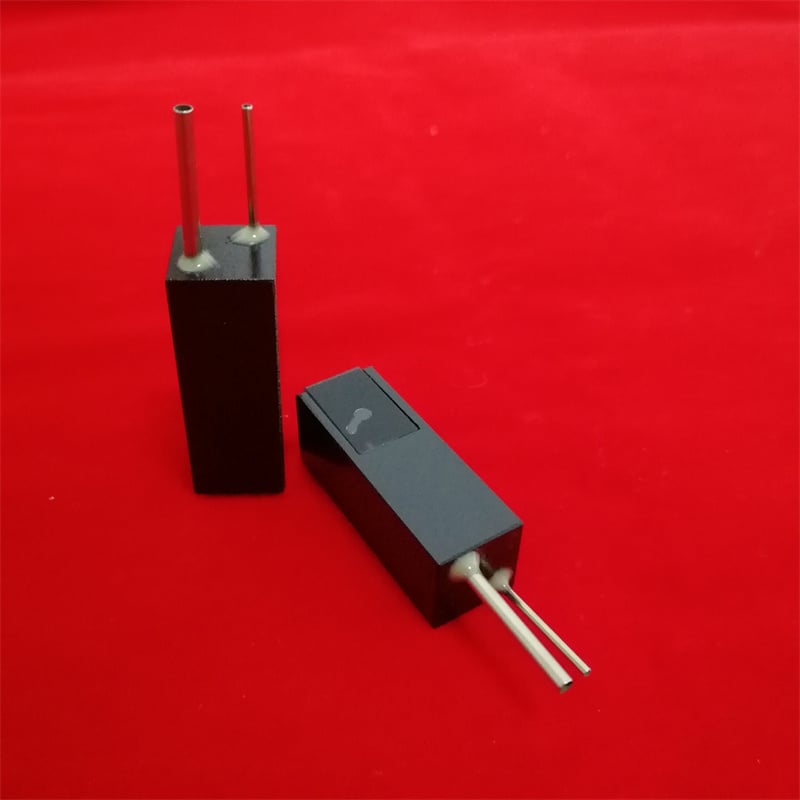
Cuvette ကို စုပ်ယူမှု ဆဲလ် သို့မဟုတ် နမူနာ ဆဲလ် ၊ သည် ဖြစ်သည် စပက်ထရိုစကုပ်ပိုင်း ဆန်းစစ်မှုတွင် အရေးပါတဲ့ opttical device . ၎င်းကို အဓိကအားဖြင့် စမ်းသပ်ရန် ဖြေရှင်းမှုကို ထိန်းထားရန် အသုံးပြုပြီး အလင်းအတွက် အပူချိန်လို အချက်အလက်များကို တိုင်းတာရန် ပို့လွှတ်မှု လမ်းကြောင်းတစ်ခု ပေးသည်။ ဓာတ်များ၏ စုစည်းမှုနှင့် တည်ဆောက်မှု ဖြေရှင်းချက်တွင်။ ကူဗက်စ်များကို ဓာတုဗေဒ၊ ဇီဝဗေဒ၊ ဆေးပညာနှင့် သဘောတော်ပတ်ဝန်းကျင် သိပ္ပံစသည့် နယ်ပယ်များတွင် အရည်အသွေးနှင့် အရေအတွက်ဆိုင်ရာ စမ်းသပ်မှုများတွင် အသုံးများပါသည်။ ဥပမါအားဖေးလျှင် ဆေးဝါးဆိုင်ရာ စမ်းသပ်မှုများတွင် ဆေးဝါးအစိတ်အပိုင်းများ၏ ပမုဏ်း နှင့် သဘောတော်ပတ်ဝန်းကျင် စောင်းကြည့်မှုတွင် ညစ်ညမ်းမှုများ၏ ပမုဏ်း .
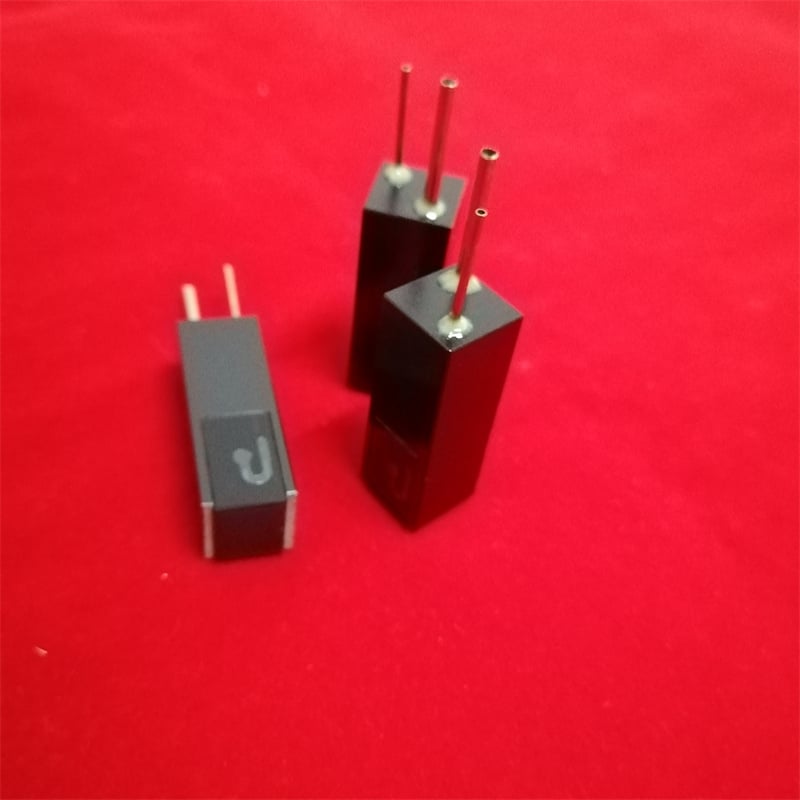
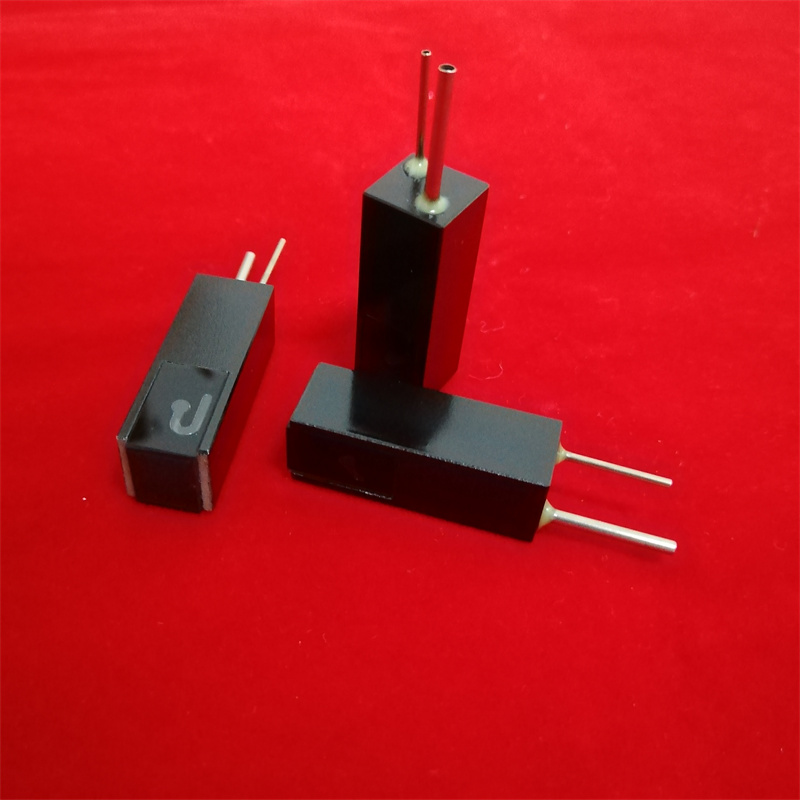
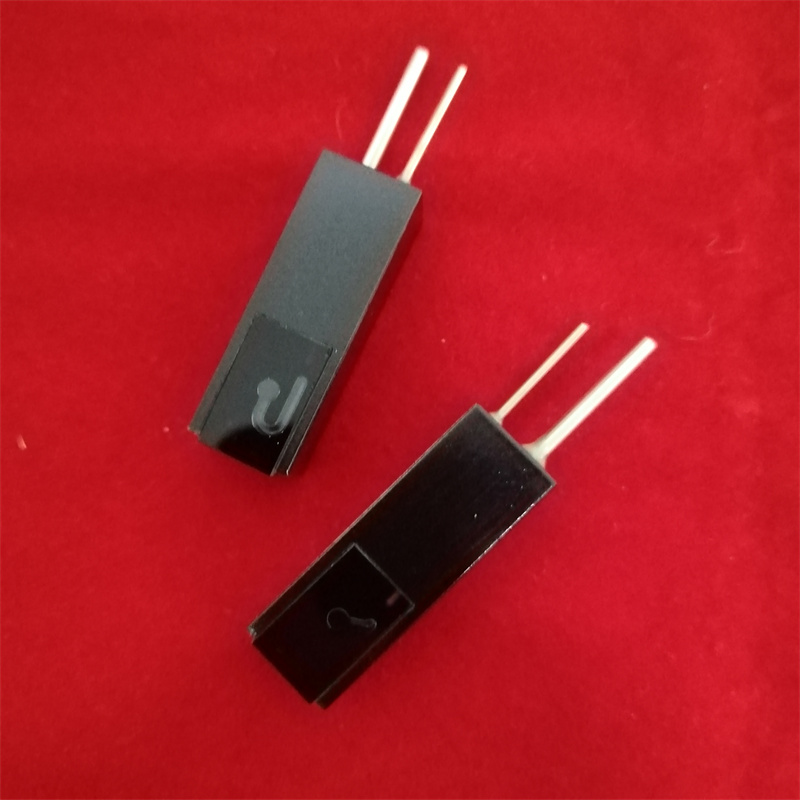
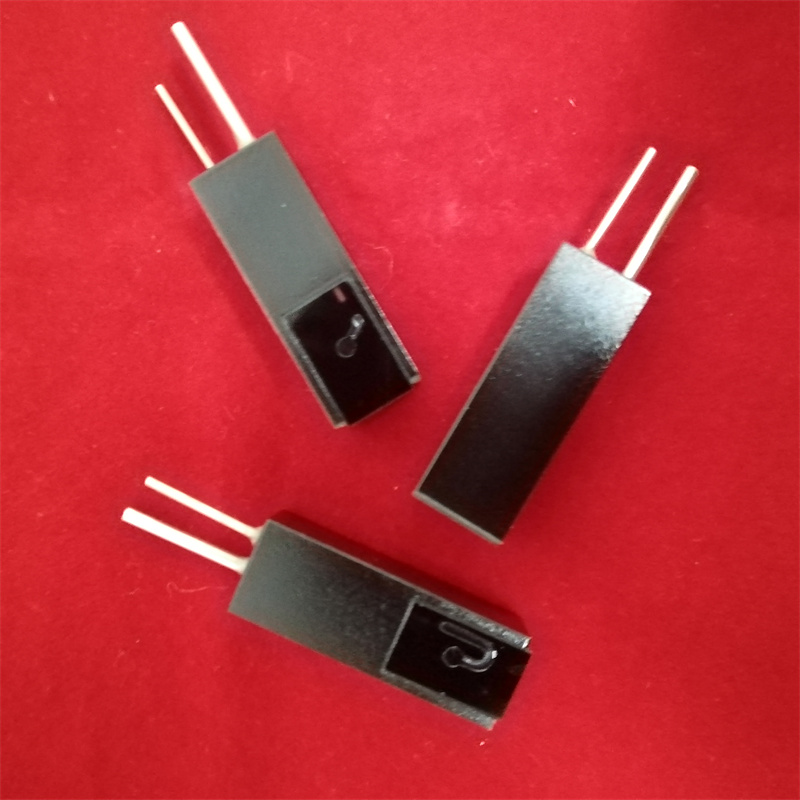
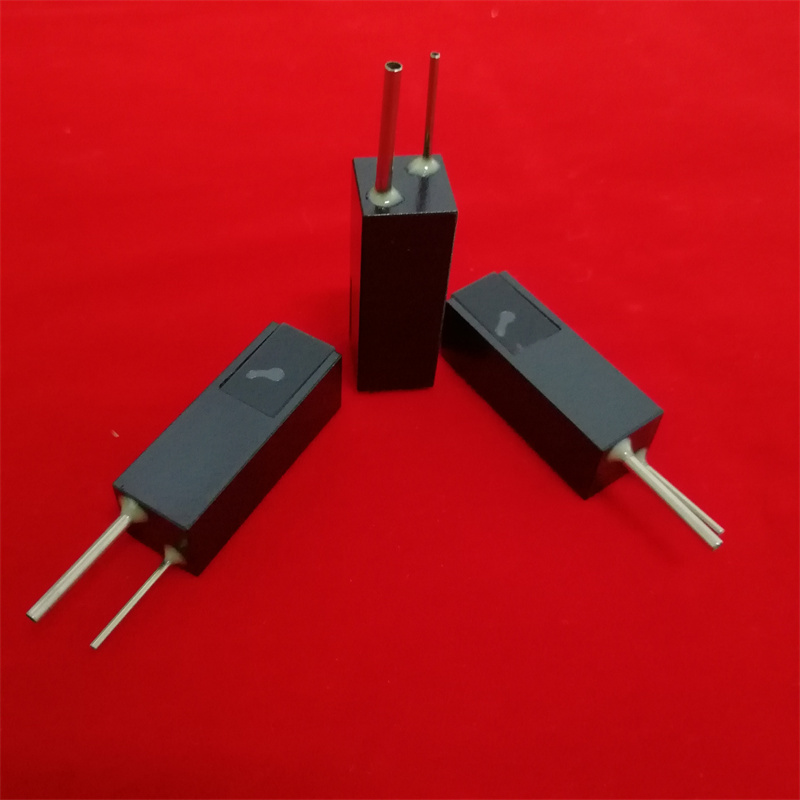
၃။ Q614 ကူဗက်စ်အသေးစိတ်အချက်အလက်များ-
1)အရွယ်အစား ၁၂.၅ × ၁၂.၅ × ၃၅ မီလီမီတာ
2)အသံအမြင့် ၁၈ မိုက်ခရိုလီတာ / ၃၂ မိုက်ခရိုလီတာ
3)အလင်းလှိုင်း ၂၀၀ နမ်မီတာမှ ၂၅၀၀ နမ်မီတာ
4)အသုံးပြုမှု ဇီဝကြွေးသုတ်စက်
ကျွန်ုပ်တို့သည် အဖ пок်ပါသော စံသတ်မှတ်ထားသော ကျူဗက်၊ ပိတ်မောင်းပါသော စံသတ်မှတ်ထားသော ကျူဗက်များကို ပေးသောင်းပါသည်။ အမည်းရောင်နံရံပါသော မိုက်ခရိုကျူဗက်များ , အမည်းရောင်နံရံနှင့် ပိတ်မောင်းပါသော မိုက်ခရိုကျူဗက်များ၊ အလင်းကို ကာကွယ်ပေးသော ပို့ဆောင်ရေးကျူဗက်များ၊ ပိတ်မောင်းပါသော စိုက်ထားသော ကျူဗက်များ၊ ပိတ်မောင်းပါသော စံသတ်မှတ်ထားသော ဖလိုရက်စင့်ကျူဗက်များ အဖုံးပါသော အဖြူရောင်နံရံပါသော မိုက်ခရိုကျူဗက်များ စသည်တို့။
၄။ ပစ္စည်း၏ ဂုဏ်ရည်များ-
အပူချိန်ပေါ်တွင် အလွန်နိမ့်သော ဖောင်းကွဲမှု ုဏ်ကိန်း ,အပူချိန်မြင့်မှုကို ခံနိုင်ရည်ရှိခြင်း ,အမျိုးသား ဓာတ်ပurity မြင့် ,မြင့်မားသော ကားရောင်ခြောက်မှု ကာကွယ်မှု ,အလွန်အမင်းနေရောင်မှ အိုင်အင်ဖရာရက်အထိ အလင်းကို အကောင်းဆုံး ဖြတ်သန်းနိုင်ခြင်း ,အလွန်ကောင်းမွန်သော လျှပ်စစ်အကာအကွယ်ဖြစ်ခြင်း .
5.အသုံးပြုချက်:
ကွာတ့ဇ်ကျူဗက် (နမူနာဆဲလ်၊ စုပ်ယူမှုဆဲလ်) စံဖော်ပြမှုအဖွဲ့အစည်းနှင့် နမူနာအဖွဲ့အစည်းကို ထားရှိရန်အတွက် အသုံးပြုသည်။ စပက်ထရိုဖိုတိုမီတာ၊ အမှုန်အရွယ်အစား ခွဲခြမ်းစိတ်ဖြါမှုကိရိယာ၊ ဟီမိုဂလိုဘင် ခွဲခြမ်းစိတ်ဖြါမှုကိရိယာ စသည့် စပက်ထရမ် ဆေးစမ်းစစ်ဆေးရေးကိရိယာများတွင် အသုံးပြုသည်။ ပစ္စည်းများ၏ ပမိဏာနှင့် အမျိုးအစား ခွဲခြမ်းစိတ်ဖြါမှုအတွက် .
၆။ အမျိုးအစားများရွေးချယ်ခြင်းနှင့် အသုံးပြုမှုဆိုင်ရာ အကြောင်းပါများ
လှိုင်းအလျောင်းအတိုင်း ကိုက်ညီမှု : UV အကြောင်းအရာ (၁၉၀–၄၀၀ နမ်) တွင် ကွာတ်ဇ် ကူဗက်တ်များကို အသုံးပြုရမည်။ UV အကြောင်းအရာ (၁၉၀–၄၀၀ နမ်) အတွက် မျက်စိဖြင့် မြင်နိုင်သော အလင်းအကြောင်းအရာ (၄၀၀–၉၀၀ နမ်) , မျက်စိဖြင့် မြင်နိုင်သော အလင်းအကြောင်းအရာတွင် မှန်ပေါင်း သို့မဟုတ် ကွာတ်ဇ် ကူဗက်တ်များကို အသုံးပြုနိုင်ပြီး စရိတ်သက်သာစေရန်အတွက် မှန်ပေါင်းကို အများအားဖြင့် ရွေးချယ်ကြသည်။ IR အကြောင်းအရာအတွက် အထူး IR ကူဗက်တ်များကို လိုအပ်သည်။
လမ်းကြောင်းအရှည်ရွေးချယ်ခြင်း : အသုံးပြုပါ။ ရှည်လျားသော လမ်းကြောင်းအရှည် (၂–၃ စင်တီမီတာ) ပိုမှေးမှေးသော အဖွဲ့အစည်းများအတွက် နှင့် အ အကွာအဝေးတိုသော လမ်းကြောင်း (၀.၅–၁ စင်တီမီတာ) အရောင်မှိန်ခြင်းများသော အဖျော်အနွေးများအတွက် စုပ်ယူမှုတန်ဖိုးသည် ၀.၁–၀.၇ အကောင်းဆုံးအတိုင်းအတာအတွင်း ရှိရန် .
လှုပ်ရှားမှု ညွှန်ကြားချက်များ ကျောက်ခဲကို အမှုန်များပါသော ဘေးဘက်များမှ ကိုင်ပါ။ အလင်းဖြတ်သွားသော မျက်နှာပုံများကို မထိမိစေရန် အလင်းလမ်းကြောင်းဖွင့်လှစ်ပေးသည့် ပေါင်းစပ်မှုမှုန်းသည့် မျက်နှာပုံများ အမြင့်၂/၃ အထိ ဖြည့်ပါ။ အသုံးပြီးနောက် ချက်ချင်းသန့်စင်ပါ။ အထူးအိုင်ဆိုပရိုပေါ်လ်-အက်သနောလ် ရောစပ်မှုကဲ့သို့သော အထူးအိုင်ဆိုလေးန်တ်များကို ချောက်ချောက်များအတွက် အသုံးပြုပါ။
၇။ အသုံးပြုရာတွင် သတိထားရမည့်အချက်များ -
သန့်ရှင်းခြင်း အသုံးပြုမှုမှီအလျင် နှင့် အသုံးပြုပြီးနောက် သန့်စင်သောရေဖြင့် ကောင်းစွာဆေးကြောပါ။ လိုအပ်ပါက သင့်လျော်သော ဆေးကြောဆေးကို အသုံးပြုနိုင်ပါသည်။ အလင်းဖြတ်သွားသော မျက်နှာပုံများကို ခွေးခွေးဖြင့် ပုတ်ခြင်းများကို ရှောင်ပါ။ အလင်းဖြတ်သွားသော မျက်နှာပုံများ သည် စွမ်းရည်ကို ထိခိုက်စေနိုင်ပါသည်။ သန့်စင်ပြီးနောက် ကျောက်ခဲကို အလောင်းပေး၍ လေဖြင့် ခြောက်စေရန် သို့မဟုတ် နိုက်ထရိုဂျင်ဓာတ်ငွေ ဖြင့် ခြောက်စေရန် လုပ်ပါ။
လက်ကိုင်ခြင်း ကျောက်ခဲကို အမှုန်များပါသော ဘေးဘက်များမှ အမြဲကိုင်ပါ။ လက်ချောင်းများဖြင့် အလင်းဖြတ်သွားသော မျက်နှာပုံများကို ထိမိပါက လက်ချောင်းအမှုန်များ သို့မဟုတ် ဆီများကို ကျန်စေနိုင်ပါသည်။ ထိုသို့သော အမှုန်များသည် အလင်းဖြစ်မှု တိုင်းတာမှု ရလဒ်တွေကို သက်ရောက်စေပါတယ်။
တူညီသည့် : အသုံးပြုပါ။ အံကိုက် ကွပ်ဗက်များ စမ်းသပ်မှု တစ်စုတည်းထဲမှာပါ။ အဆီအထူနဲ့ ပွင့်လင်းမှုလို ကိန်းဂဏန်းတွေမှာ သီးခြား ကွပ်ဗက်တွေအကြား အနည်းငယ် ကွဲပြားနိုင်ပါတယ်။ အံကိုက်စုံတွဲတွေကို သုံးခြင်းက တိုင်းတာမှုအမှားများ .
ဖောင်ထည့် : အရည်နဲ့ဖြည့်တဲ့အခါ အချပ်ရဲ့ စွမ်းဆောင်ရည်ရဲ့ ၃/၄ အထိ ဖြည့်ပေးပါ ဒါ့အပြင် လေပူဖောင်းများ ပူဖောင်းတွေက အလင်းကို ဖြာထွက်စေပြီး တိုင်းတာမှု မတိကျမှုကို ဖြစ်စေနိုင်လို့ပါ။
အမြင်ပိုင်း မျက်နှာပြင်များအား ခဲယဉ်းသော သို့မဟုတ် ညစ်ပတ်သော အရာများနှင့် ထိတွေ့ရန် မပြုလုပ်ရပါ။ အရည်နဲ့ဖြည့်တဲ့အခါ ကွပ်ပြားရဲ့ အမြင့်ရဲ့ ၂/၃ အထိ ဖြည့်ပါ။ အမြင်ပိုင်း မျက်နှာပြင်ပေါ်တွင် အရည်တစ်ခုခု ကျန်နေပါက ပထမဦးဆုံး Filter Paper ဖြင့် နူးညံ့စွာ စုပ်ယူပြီး မှန်ဘီလူးအသား သို့မဟုတ် ပိုးချည် .
ပါရာမီတာ
ပစ္စည်း |
ကုဒ် |
ဗလီဆဲလ်တွင် တိုက်ရိုက်လွှဲပြောင်းခြင်း |
ကိုက်ညီမှုတွင် စံချိန်စံညွှန်း မှားယွင်းမှုများ |
အော်ပတစ်ကွက် |
G |
350nm တွင် ခန့်မှန်း၈၂% |
350nm တွင် အများဆုံး ၀.၅% |
ES quartz ဂလပ်စ် |
Q |
200nm တွင် ခန့်မှန်း 80% |
200nm တွင် အများဆုံး 0.5% |
အနီရောင် ကျုံခွက်မျက်နှာပြင် |
I |
2730nm တွင် ခန့်မှန်း 88% |
2730nm တွင် အများဆုံး 0.5% |
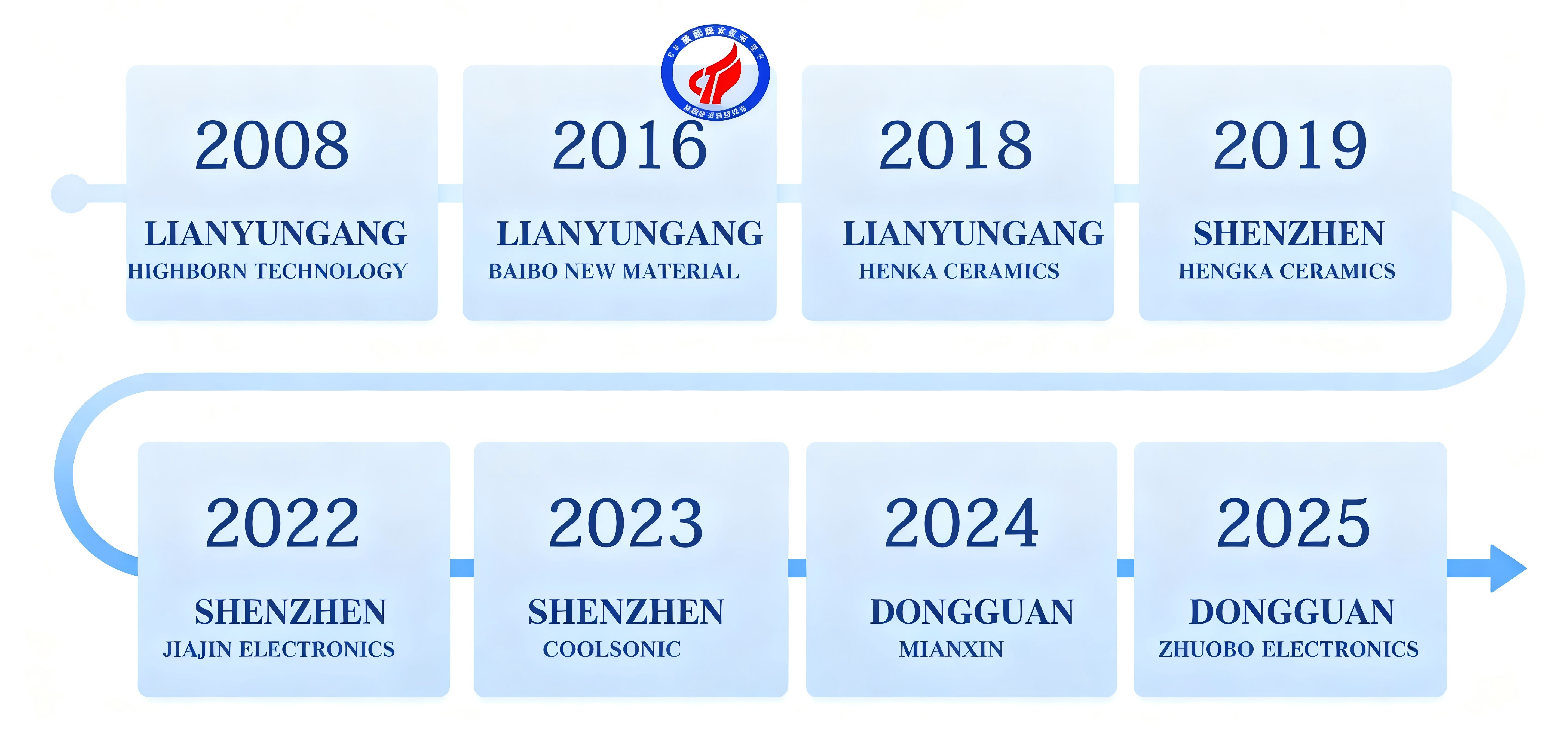
ဖွံ့ဖြိုးတိုးတက်မှုသမိုင်း
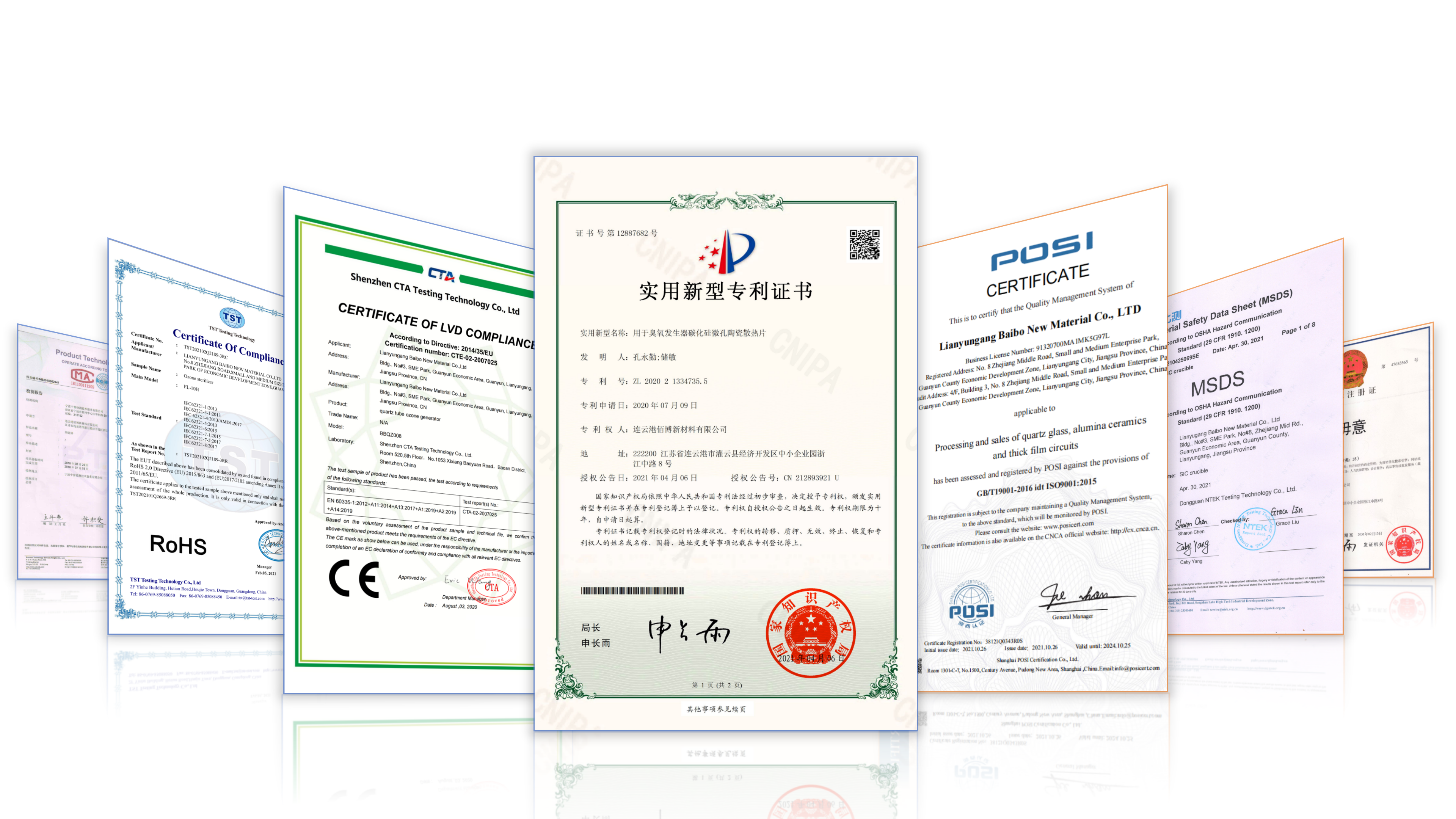
အများပိုင်စိတ်ကူးနှင့် လက်မှတ်များ
ကျွန်ုပ်တို့သည် အများအပြားသော ကမ္ဘာလုံးဆိုင်ရာ လက်မှတ်များ အပါအဝင် CE, EMC, LVD, RoHS, FDA, MSDS, ISO 9001, SGS နှင့် TUV အထောက်အထားများကို ရယူထားပါသည်။ ထို့အပြင် ကျွန်ုပ်တို့တွင် မှတ်ပုံတင်ထားသော အမှတ်တံဆိပ် ရှစ်ခုနှင့် နည်းပညာဆိုင်ရာ အမှတ်ပုံတင် လေးဆယ် ရှိပါသည်။ လွတ်လပ်သော သုတေသနနှင့် ဖွံ့ဖြိုးရေး .
ကျွန်ုပ်တို့၏ ကိုယ်ပိုင် အဓိက နည်းပညာများ ထုတ်ကုန်အားလုံးတွင် အသုံးပြုထားပါသည်။ ပေါက်စောင်းသော မီးသွေးမှုန်၊ စက်မှုလုပ်ငန်းအတွက် မီးသွေးမှုန်အစိတ်အပိုင်းများ၊ အထူးမီးခိုးမှုန်၊ သေးငယ်သော သံမဏိဖုံးထားသော မီးသွေးမှုန်၊ အရည်စုပ်ယူသည့် သုံးပါး၊ အိုဇုန်းထုတ်လုပ်သည့်စက်များနှင့် ဆီလီကွန်ပစ္စည်းများ ။ ထုတ်ကုန်အားလုံးကို နိုင်ငံတကာအဆင့်မှီ အရည်အသွေးစံနှုန်းများနှင့်အညီ တိကျစွာ ထုတ်လုပ်ပါသည်။ ပေးပို့ခြင်း ယုံကြည်စိတ်ချရပြီး စွမ်းဆောင်ရည်မြင့်မားသော ဖြေရှင်းနည်းများ သည် ကမ္ဘာတစ်ဝှမ်းလုံးတွင် အကောင်းဆုံးအသိအမှတ်ပြုမှုနှင့် ဈေးကွက်အတွင်း ယုံကြည်မှုကို ရရှိခဲ့ပါသည်။
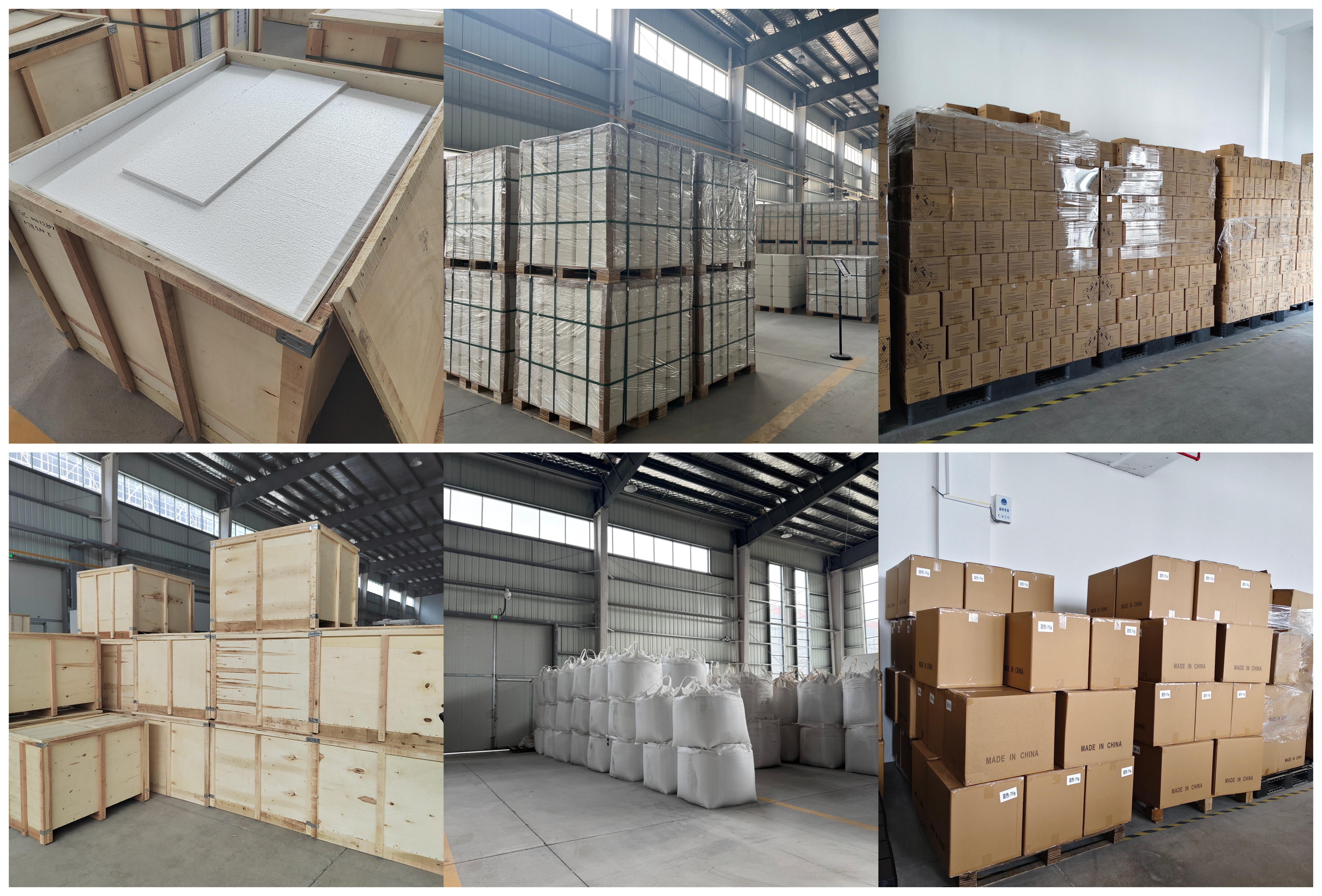
ထုပ်ပိုးမှု
ကျွန်ုပ်တို့သည် သိပ္ပံနည်းကျနှင့် စံနှုန်းထားသော ထုပ်ပိုးမှုဖြေရှင်းနည်းများကို အသုံးပြုပါသည်။ ထုတ်ကုန်၏ အရည်အသွေးများနှင့် ကိုက်ညီသည့် အထူးပြုထားသော စီမံချက်များဖြင့် တုံ့ခိုးမှု၊ ဖိအားပေးမှု၊ ဖုန်နှင့် စိုထိုင်းမှုအန္တရာယ်များကို ထိရောက်စွာ ကာကွယ်ပေးပါသည်။ ကမ္ဘာလုံးဆိုင်ရာ အသုံးပြုမှုများ ပြဌာန်းထားသော သယ်ယူပို့ဆောင်ရေးစနစ် နှင့် စိုးစမ်းစစ်ဆေးမှု လုပ်ထုံးလုပ်နည်းများကို တင်းကြပ်စွာ လိုက်နာခြင်းဖြင့် အဝေးသို့ ပို့ဆောင်ရာတွင် ထုတ်ကုန်အားလုံး မျှတပြီး မှန်ကန်စွာ ရှိနေစေရန် သေချာစေပါသည်။ ဖောက်သည်များအား လုံခြုံပြီး ထိရောက်မှုရှိကာ ယုံကုံစိတ်ချရသော တစ်ခါတည်းပေးသော လော့ဂျစ်စတ်စ်ဝန်ဆောင်မှု .
ဝန်ဆောင်မှုများ
မေးမှုနှင့် အထူးပြုမှု
ဖောက်သည်များ၏ မေးမှုအားလုံးအတွက် မြန်ဆန်ပြီး တိကျသော စျေးနှုန်းဖေးဖော်မှုများကို ပေးအပ်ပါသည်။ ထုတ်ကုန်ဒီဇိုင်း၊ ထုပ်ပိုးမှုနှင့် အမ်းအမ်းဖော်ပြမှု လိုအပ်ချက်များကို ဖောက်သည်၏ အထူးလိုအပ်ချက်များနှင့် ကိုက်ညီစေရန် OEM & ODM စိတ်ကြိုက်ပြုလုပ်ခြင်း။ လုံးဝ ပြောင်းလဲနိုင်သော ဖြေရှင်းနည်းများကို ပေးအပ်ပါသည်။
အမှာစာအရည်အသွေးထိန်းချုပ်မှု
အမှာစာအားလုံး၏ ထုတ်လုပ်မှုလုပ်ငန်းစဉ်အတွင်း ဖောက်သည်များအား အပြည့်အဝ အသိပေးပါသည်။ ကျွန်ုပ်တို့၏ QC အဖွဲ့မှ စနစ်တကျ အသုံးပြုသော ပို့ဆောင်မှုမတိုင်မီစစ်ဆေးခြင်း အရည်အသွေးထိန်းချုပ်မှုစစ်ဆေးမှုများကို ပြုလုပ်ပါသည်။ ထုတ်ကုန်များသည် ပို့ဆောင်မှုမှီမှီအထိ ဖောက်သည်၏ အရည်အသွေးစံနှုန်းများနှင့် ကိုက်ညီကြောင်း သေချာစေပါသည်။
အကူအညီပေးသည့် အကွာအဝေးမှ စီမံခန့်ခွဲရေးစာရွက်စာတမ်းများ
ကုန်ပစ္စည်းအတွက် ကုန်သွယ်မှုအင်ဗွိုင်စ်၊ ထုပ်ပိုးမှုစာရင်း၊ မူလနေရာအထောက်အထားလက်မှတ်နှင့် အခြားလက်မှတ်များအပါအဝင် စံနှုန်းအတိုင်း ထုတ်သည့်စာရွက်စာတမ်းများအားလုံးကို ကျွန်ုပ်တို့က ပြင်ဆင်ပေးပါသည်။ ထို့ဖြင့် ကမ္ဘာတစ်ဝှမ်းရှိ နိုင်ငံအားလုံးသို့ ပို့ဆောင်ရေးမှုများအတွက် အကွာအဝေးမှ စီမံခန့်ခွဲရေးလုပ်ငန်းများကို ချောမွေ့စေရန် ကမ္ဘာတစ်ဝှမ်းရှိ နိုင်ငံအားလုံးသို့ ပို့ဆောင်ရေးမှုများအတွက် ဖြစ်ပါသည်။
တစ်နေရာတည်းတွင် ပေးသည့် ပို့ဆောင်ရေးဝန်ဆောင်မှုများ
သင့်၏ အချိန်ဇယားနှင့် ဘတ်ဂျက်နှင့် ကိုက်ညီသည့် ပို့ဆောင်ရေးနည်းလမ်းများအဖြစ် ပင်လုံးပို့ဆောင်ရေး၊ လေကုန်ပစ္စည်းပို့ဆောင်ရေးနှင့် အရေးကြီးသည့် ပို့ဆောင်ရေးဝန်ဆောင်မှုများကို ပေးအပ်ပါသည်။ ကျွန်ုပ်တို့သည် အချိန်နှင့်တပြေးညီ ကုန်စည်ခြေရာခံခြင်း။ ဝန်ဆောင်မှုကို ပေးအပ်ပါသည်။ ထို့ကြောင့် သင်သည် ပို့ဆောင်ရေးအခြေအနေကို အချိန်မှီ စောင်းကြည့်နိုင်ပါသည်။
ပေါ့ပေါ့ပါပါ ပေးချေမှုနည်းလမ်းများ
သင့်၏ နိုင်ငံတကာ ပေးချေမှုအတွက် လုံခြုံသည့် အများအားဖြင့် အသုံးများသည့် ပေးချေမှုနည်းလမ်းများဖြစ်သည့် T/T, L/C, Western Union နှင့် အခြားနိုင်ငံတကာ ငွေကောင်းမှုများကို ကျွန်ုပ်တို့က ပံ့ပိုးပေးပါသည်။ ထို့ဖြင့် နိုင်ငံတကာ ငွေကောင်းမှုဆိုင်ရာ အန္တရာယ်များကို လျှော့ချပေးပါသည်။ .
အရောင်းပြီးနောက် အထောက်အကူပြုမှု
ကျွန်ုပ်တို့၏ ပရောဖက်ရှင်နယ်အရေးပေါ်အမီ ဝန်ဆောင်မှုအဖွဲ့သည် နှစ်တစ်ခုလုံး အချိန်မီ နည်းပညာရေးနှင့် စီးပွားရေးဆိုင်ရာ အထောက်အပံ့များကို ပေးဆောင်ပါသည်။ ကျွန်ုပ်တို့သည် သင့်၏ စီးပွားရေးလုပ်ငန်းများနှင့် စီမံကိန်းများအတွက် အမြဲတမ်း အာမခံပေးနိုင်ရန် ရှည်လျားသောကာလအထိ တည်ငြိမ်သော ပေးပို့မှုစွမ်းရည် ကို ထောက်ပံ့ပေးပါသည်။
မေးလေ့ရှိသောမေးခွန်းများ။
၀၁
မေးခွန်း။ ဖောက်သည်များ၏ ပုံပေါ်မှုများ (drawings) သို့မဟုတ် လက်တွေ့နမူနာများအရ ထုတ်လုပ်နိုင်ပါသလား။
အဖြေ။ အလုံအလေး ဖြစ်ပါသည်။ ကျွန်ုပ်တို့သည် အဓိကဖိုင်ဖော်မက်အားလုံးဖြင့် ပုံပေါ်မှုများကို လက်ခံပါသည်။ ထို့အပ besides လက်တွေ့နမူနာများကိုလည်း လက်ခံပါသည်။ တရားဝင်ထုတ်လုပ်မှုမှီအထိ ကျွန်ုပ်တို့၏ အင်ဂျင်နီယာအဖွဲ့သည် သင့်အတွက် ပြည့်စုံသော DFM အကောင်အထောက်အကူဖြစ်မှုအကဲဖြတ်မှုကို ပေးအပ်ပါမည်။
02
မေးခွန်း။ အထူးပြုထုတ်လုပ်မှုများအတွက် ထုတ်လုပ်မှုကာလသည် မည်မျှကြာမည်နည်း။
အဖြေ။ နမူနာထုတ်လုပ်မှုကာလ - ၃ ရက်မှ ၇ ရက်အထိ အလုပ်လုပ်သည့်ရက်များ။ အထူးပုံသေနောက်ခံပုံစဥ် (custom mold) ထုတ်လုပ်မှုကာလ - ၅ ရက်မှ ၁၀ ရက်အထိ အလုပ်လုပ်သည့်ရက်များ (ရှုပ်ထွေးသော ပုံသေနောက်ခံပုံစဥ်များအတွက် ကျွန်ုပ်တို့သည် သင့်နှင့် သီးသန့်သဘောတူညီမှုရယူပါမည်)။ အများအားဖြင့် ထုတ်လုပ်မှုကာလ - ၇ ရက်မှ ၂၀ ရက်အထိ အလုပ်လုပ်သည့်ရက်များ၊ ထုတ်ကုန်၏ ဖွဲ့စည်းပုံရှုပ်ထွေးမှုနှင့် အမှာစာအရေအတွက်ပေါ်တွင် မှီခိုပါသည်။
03
မေးခွန်း။ အထူးပြုထုတ်ကုန်များအတွက် အနည်းဆုံးအမှာစာအရေအတွက် (MOQ) မည်မျှဖြစ်ပါသနည်း။
အဖြေ။ ကျွန်ုပ်တို့သည် အထူးပြုမှုလုပ်ထားသော ပစ္စည်းများအတွက် MOQ အား လွတ်လပ်စွာ ချမှတ်ပေးပါသည်။ သင့်၏ အရွယ်သေးငယ်သော စမ်းသပ်မှုအမှာစာများကို အထောက်အပံ့ပေးရန် အနည်းဆုံးအမှာစာပမာဏကို အနည်းဆုံးဖြစ်အောင် ကျွန်ုပ်တို့၏ အကောင်းဆုံးအားထုတ်မှုကို ပြုလုပ်ပါမည်။ ထို့အပြင် သင့်၏ ရေရှည်တွင် အရေအတွက်များစွာ လိုအပ်မှုများကို ဖြည့်ဆည်းပေးရန် စဥ်ဆက်မပေါင်းသော အထုပ်အပိုင်းများ ထုတ်လုပ်မှုကိုလည်း ကျွန်ုပ်တို့ လက်ခံနိုင်ပါသည်။
04
မေးခွန်း။ သင်တို့သည် အထူးပြုမှုဝန်ဆောင်မှုများကို ပေးစေသလား။
အဖြေ။ ကျွန်ုပ်တို့သည် ပစ္စည်း၏ အရွယ်အစား၊ ပုံသဏ္ဍာန်၊ ပုံပန်းသွင်ပဲ့၊ တိကျမှုအတိုင်းအတာ၊ မျက်နှာပုံမျက်နှာပေါ် အမျှတ်အသားများ၊ အပေါက်များနှင့် အနောက်များ ဖောက်ခြင်း၊ ကွေးခြင်း၊ ဖြတ်ခြင်းနှင့် အပူချိန်မြင့်မှုကို ခံနိုင်ရည်ရှိသော အချိန်အတိုင်းအတာများကို ပေးစေပါသည်။ အထူးပြုမှုဖော်ပေးထားသော LOGO များနှင့် အထူးပြုမှုဖော်ပေးထားသော အထုပ်ပို့မှုများကိုလည်း အပိုအမှာစာအဖြစ် အထူးပြုမှုအဖြစ် ပေးစေပါသည်။
05
မေးခွန်း။ သင်တို့သည် အဆုံးသတ်ပြီးသော ပစ္စည်းများကို တတိယပါတီမှ စစ်ဆေးခြင်းကို လက်ခံပါသလား။
အဖြေ - ဟုတ်ကဲ့၊ ကျွန်ုပ်တို့သည် အဓိက အာဏာပေးထားသော တတိယအဖွဲ့အစည်းများနှင့် လုံးဝ ပူးပေါင်းဆောင်ရွက်ပါသည်။ SGS၊ BV နှင့် အခြားသော နိုင်ငံတကာ အသိအမှတ်ပြုထားသော စမ်းသပ်စစ်ဆေးရေးအဖွဲ့အစည်းများသည် အားလုံး လက်ခံနိုင်ပါသည်။ သင်လိုအပ်သည့်အတိုင်း အောက်မ်းစ် စစ်ဆေးမှုအစီရင်ချင်းများနှင့် ပစ္စည်းအထောက်အထားစာရွက်များကို ပေးပို့နိုင်ပါသည်။
06
မေးခွန်း - ထုတ်ကုန်များအတွက် ကုန်ကြမ်းရွေးချယ်မှုများကို သင်၏လိုအပ်ချက်အရ ပြောင်းလဲပေးနိုင်ပါသလား။
အဖြေ - အများကြီး ပုံစံထုတ်နိုင်ပါသည်။ သင်၏ အသုံးပြုမှုအခြေအနေများ၊ အလုပ်လုပ်သည့်အခြေအနေများနှင့် စွမ်းဆောင်ရည်လိုအပ်ချက်များအရ သင့်လျော်သော ကုန်ကြမ်းများကို ရွေးချယ်ပြီး ကိုက်ညီအောင် ပေါင်းစပ်ပေးနိုင်ပါသည်။ ဤသို့သော ကုန်ကြမ်းများတွင် အယ်လူမီနာ၊ ဇီရွနီယာ၊ ကွာတ့်ဇ်၊ ဆီလီကွန်နှင့် အခြားသော အထူးအင်ဂျင်နီယာပစ္စည်းများ ပါဝင်ပါသည်။ ထို့အပေါ်အခြေခံ၍ သက်ဆိုင်ရာ စွမ်းဆောင်ရည်ဆောင်ရွက်မှုများကို သင်၏ အသုံးပြုမှုစံနှုန်းများနှင့် ကိုက်ညီအောင် ညှိပေးနိုင်ပါသည်။


 EN
EN