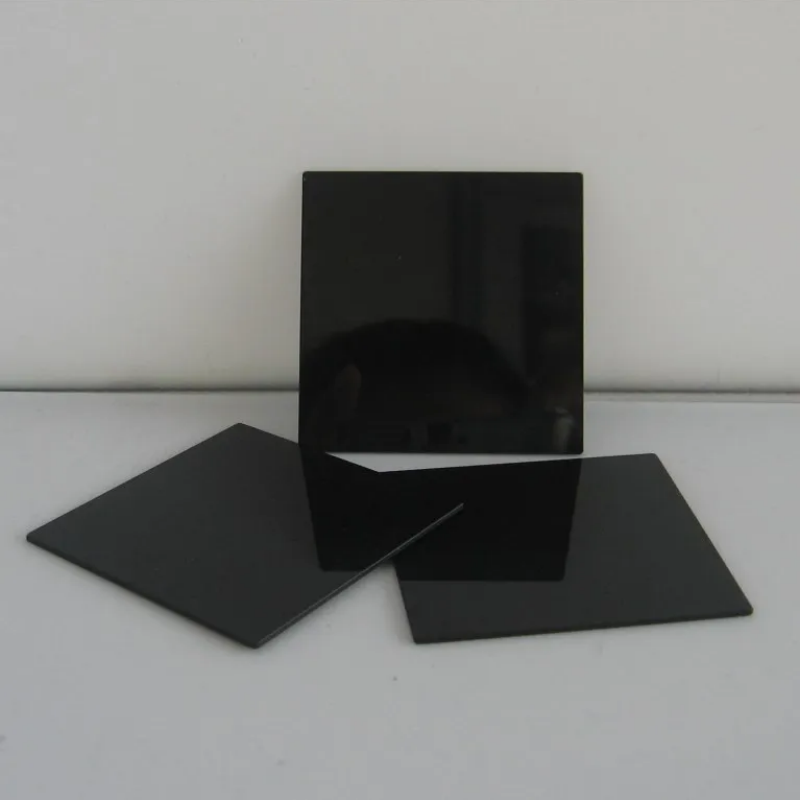
Surface Quality and Flatness:
Surfaces can be polished to extreme smoothness and flatness (e.g., λ/10 flatness, 10-5 scratch-dig)
Environmental Durability:
no cracking after 100 cycles at -50℃~+85℃
Blocking Range:
200-500nm & 560-2500nm, the wavelength range blocked by the filte
Thermal Conductivity:
46W/(m·K) (sapphire window), heat conduction capacity
Thermal Expansion Coefficient (CTE):
(3-10)×10^-6/℃, measures the expansion degree of materials with temperature changes
Spectral Transmission Range:
200nm-2500nm, the wavelength range where optical elements effectively transmit light
Product Details
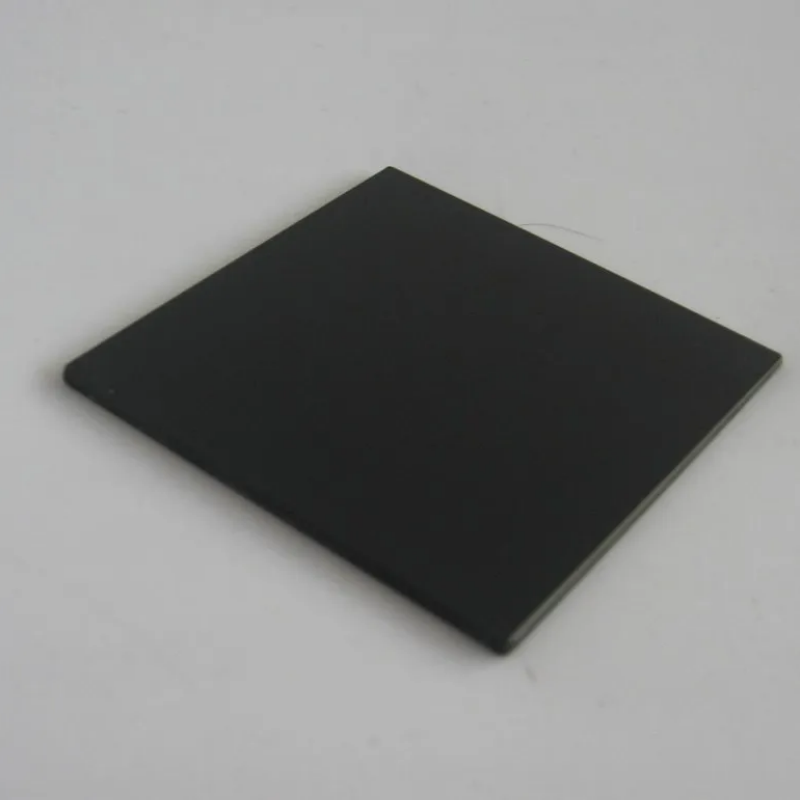
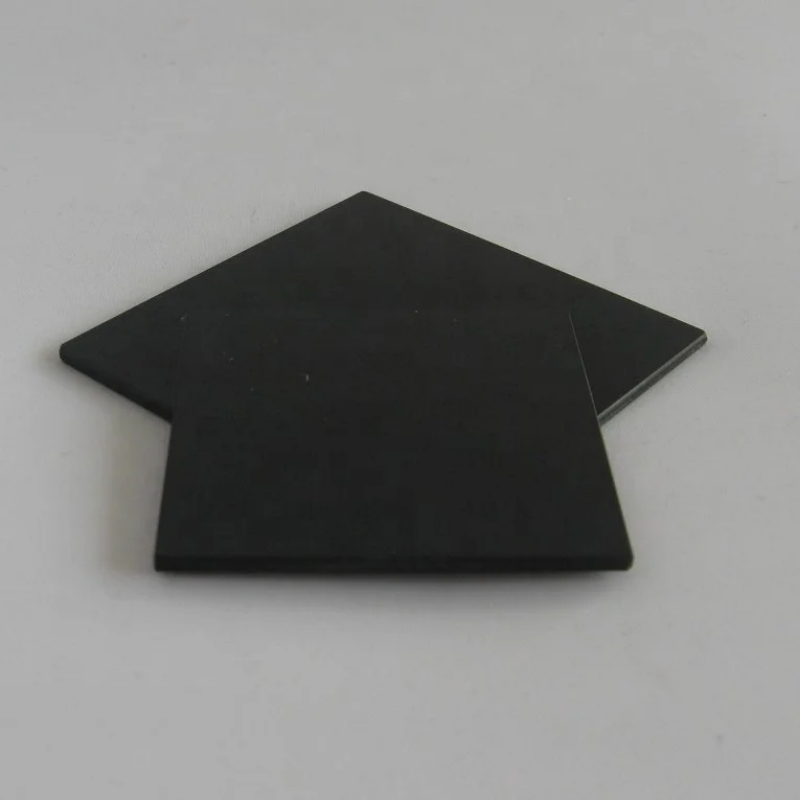
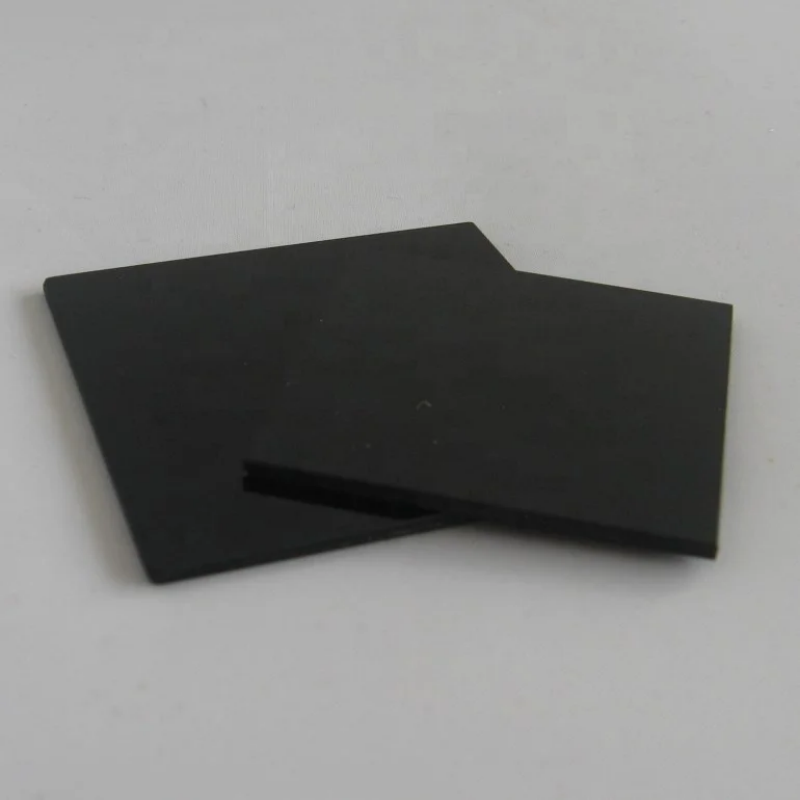
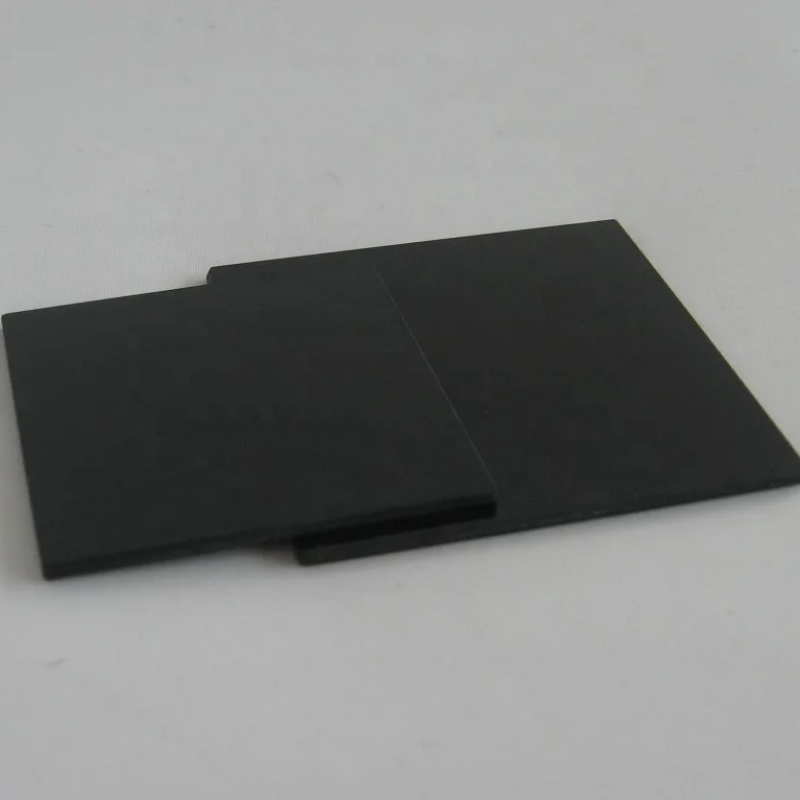
1.Description of the optical glass plate
1.1 An optical glass plate (or sheet) is a high-precision material manufactured from specially formulated glass to possess specific and consistent properties for manipulating light. Its primary function is to transmit, reflect, refract, or modify light waves in optical systems with minimal distortion or energy loss. Unlike ordinary window glass, optical glass is characterized by its exceptional hom
ogeneity, purity, and precisely controlled optical constants.
1.2 With advanced manufacturing techniques, we ensure exceptional surface quality, precise dimensional tolerances, and consistent optical performance. These elements are widely used in imaging, laser systems, spectroscopy, and optical instrumentation.
2.Key Characteristics:
2.1Precise Refractive Index
The refractive index is a fundamental property, meticulously controlled during manufacturing for each glass type. It determines
how severely the glass bends light.
2.2 Precise Abbe Number
Also known as the constringence, this measures the material's dispersion (its tendency to separate light into its constituent
colors, like a prism).
A high Abbe number indicates low dispersion, which is critical for reducing chromatic aberration in lenses.
2.3 High Homogeneity
The refractive index is consistent throughout the entire volume of the glass plate. There are no striae, bubbles, or inclusions that
could distort the light wavefront.
2.4 Excellent Transmission
Designed to have very high transmittance across specific wavelength ranges (e.g., visible, UV, or IR), with minimal absorption and scatter.
2.5 Superior Surface Quality
Surfaces can be polished to extreme smoothness and flatness (e.g., λ/10 flatness, 10-5 scratch-dig), which is critical for applications like laser windows, interferometry, and precise mirrors where any surface defect
would degrade performance.
2.6 Specific Mechanical & Thermal Properties
Properties like hardness, density, and coefficient of thermal expansion are carefully considered for the intended
application to ensure stability and durability.
3.Common Types of Optical Glass
3.1 Crown Glass:
Generally has a lower refractive index and a high Abbe number (low dispersion). Used for elements where controlling chromatic aberration is key.
3.2 Flint Glass:
Contains lead or other heavy metals, giving it a higher refractive index and a lower Abbe number (high dispersion).
Often used in combination with crown glass to correct for chromatic aberration.
4. Primary Applications:
Optical glass plates are fundamental components in a vast array of devices and systems:
4.1 Lenses and Objectives: For cameras, microscopes, telescopes, binoculars, and projectors.
4.2 Prisms: Used to bend, rotate, or split light beams (e.g., in binoculars, spectrometers)
4.3 Windows and Protective Covers: On instruments, sensors, and lasers where a clear, undistorted view is necessary.
4.4 Beamsplitters: Plates that divide a beam of light into two separate paths.
4.5 Filters: Substrates for coated filters that selectively transmit or block specific wavelengths.
4.6 Substrates: For mirrors, diffraction gratings, and other optical coatings.
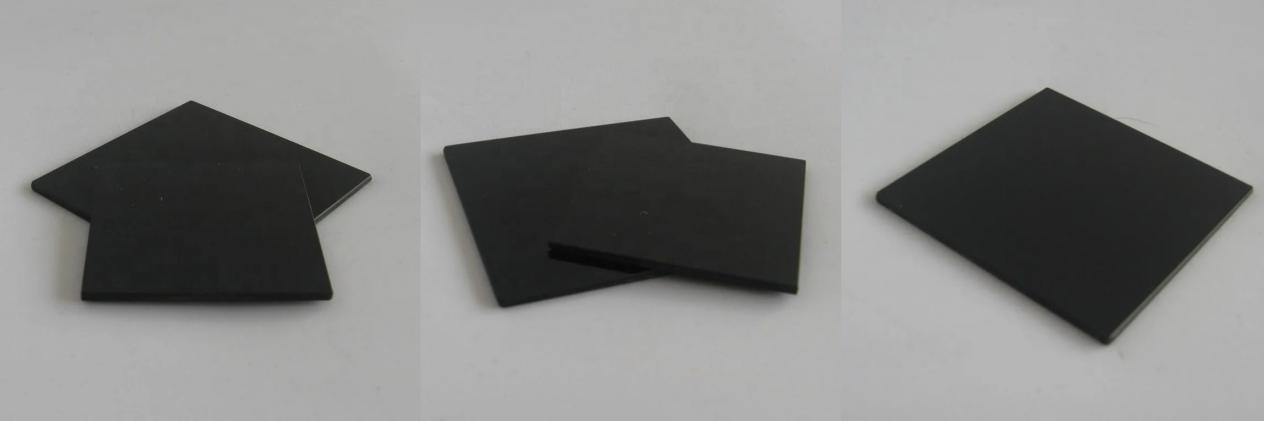
5. Key Advantages of the optical glass
The primary advantages of optical glass plates are their precision, consistency, and versatility.
They are the fundamental building blocks for creating high-performance optical systems where control over light is paramount, from simple camera lenses to
complex microscopes and lithography machines.
5.1 Precise and Predictable Optical Properties:
Controlled Refractive Index: Each type of optical glass has a precisely defined refractive index, allowing designers
to accurately calculate light paths in lenses and prisms.
Managed Dispersion (Abbe Number): The Abbe number is carefully specified, enabling the correction of
chromatic aberration (color fringing) in multi-element optical systems.
5.2 Excellent Transmission:
High Transmittance:They are formulated for maximum light transmission with minimal absorption
loss across specific spectral ranges (UV, Visible, or IR).Low Scatter and Inclusions:High homogeneity
ensures that light passes through without being scattered or distorted by internal imperfections, preserving image quality.
5.3 Superior Surface Quality and Flatness:
Surfaces can be polished to extreme smoothness and flatness (e.g., λ/10 flatness, 10-5 scratch-dig), which is critical for applications like laser windows, interferometry, and precise mirrors where any surface defect would degrade performance.
5.4 High Homogeneity:
The chemical composition and refractive index are uniform throughout the entire volume of the glass.
This eliminates internal distortions and ensures consistent optical performance across the entire aperture.
5.5 Excellent Environmental and Chemical Stability:
Many optical glasses are designed to be highly resistant to staining,
weathering, and moisture, ensuring long-term durability and stable performance in harsh environments.
5.6 Customizability and Variety:
A wide range of glass types is available (e.g., Crown, Flint, Fused Silica) with different properties
(refractive index, Abbe number, density) to meet the exact requirements of virtually any optical system design.
5.7 Good Mechanical Rigidity:
Compared to plastics, optical glass offers greater hardness and rigidity, providing better resistance to
scratching and maintaining its shape under stress, which is vital for preserving optical alignment.
Technical specifications
Type |
Thickness(mm) |
light source A(2856k) |
light source(D65) |
||||
x |
y |
Y |
x |
y |
Y |
||
C2C14 KG2/HA-50 |
3 |
0.439 |
0.412 |
91.7 |
0.307 |
0.330 |
90.8 |
C3C16 KG3 HA-30 |
2 |
0.440 |
0.413 |
86.5 |
0.311 |
0.334 |
87.4 |
Type |
Thickness mm |
420nm |
500nm |
600nm |
700nm |
C2C14 KG2/HA-50 |
3 |
≥85.0 |
|
|
45.0~70.0 |
C3C16 KG3 HA-30 |
2 |
≥83.7 |
≥81.0 |
≥76.4 |
|
Type |
Thickness mm |
800nm |
900nm |
1000nm |
1060nm |
2200nm |
C2C14 KG2/HA-50 |
3 |
|
|
≤4.0 |
|
|
C3C16 KG3 HA-30 |
2 |
≤12.9 |
≤2.8 |
|
≤0.1 |
≤0.9 |
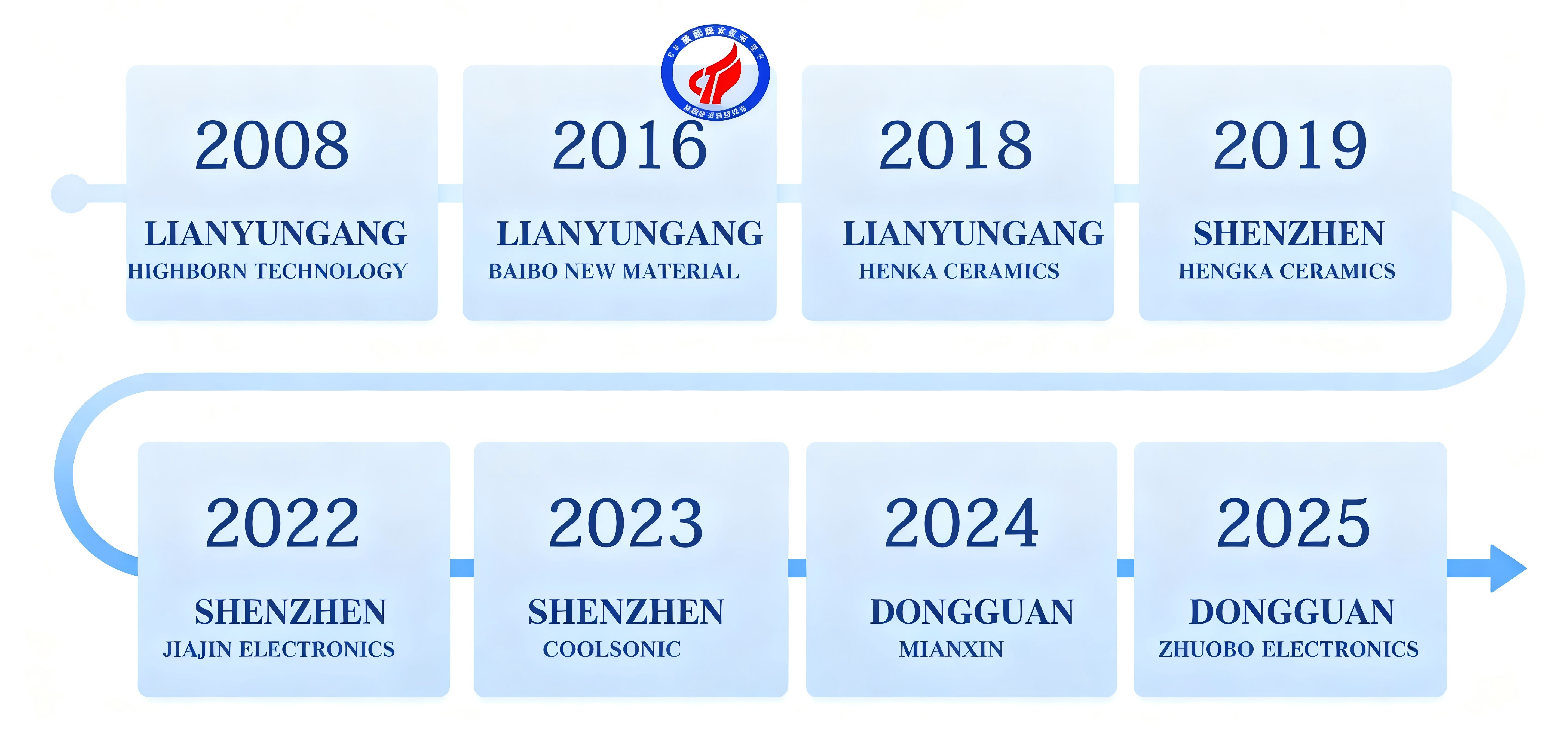
Development History
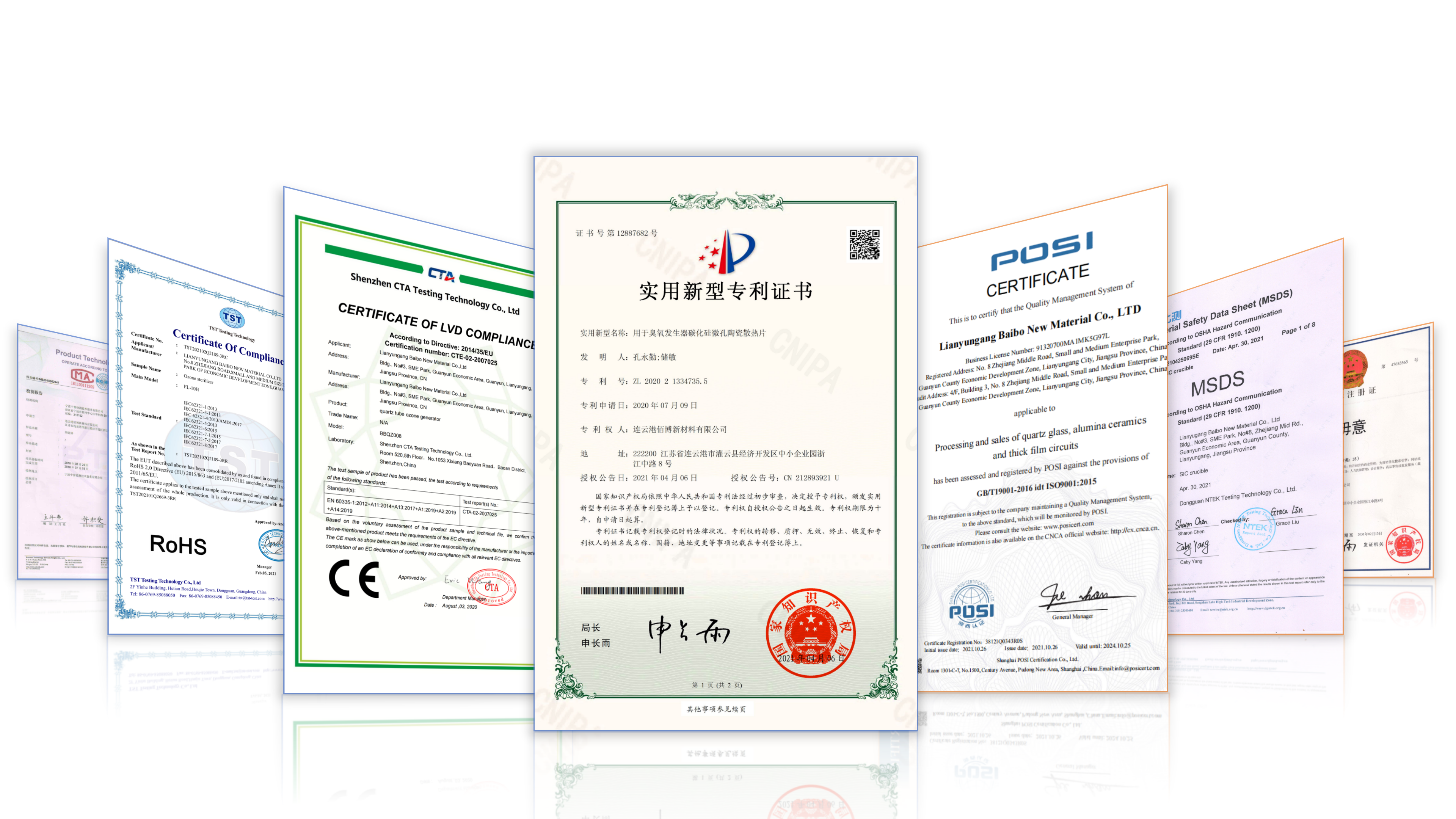
Patents and certification
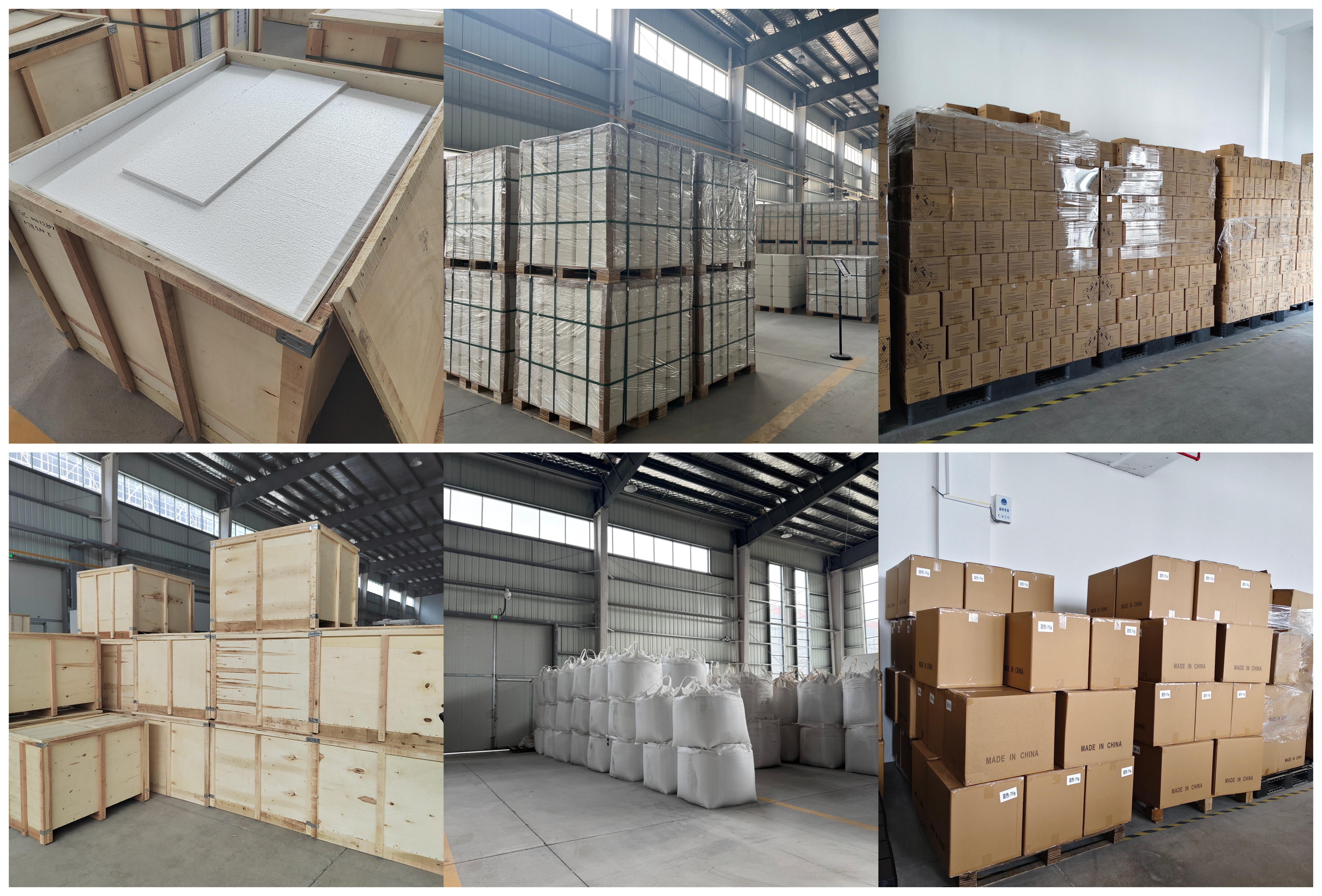
Package
Services
FAQ
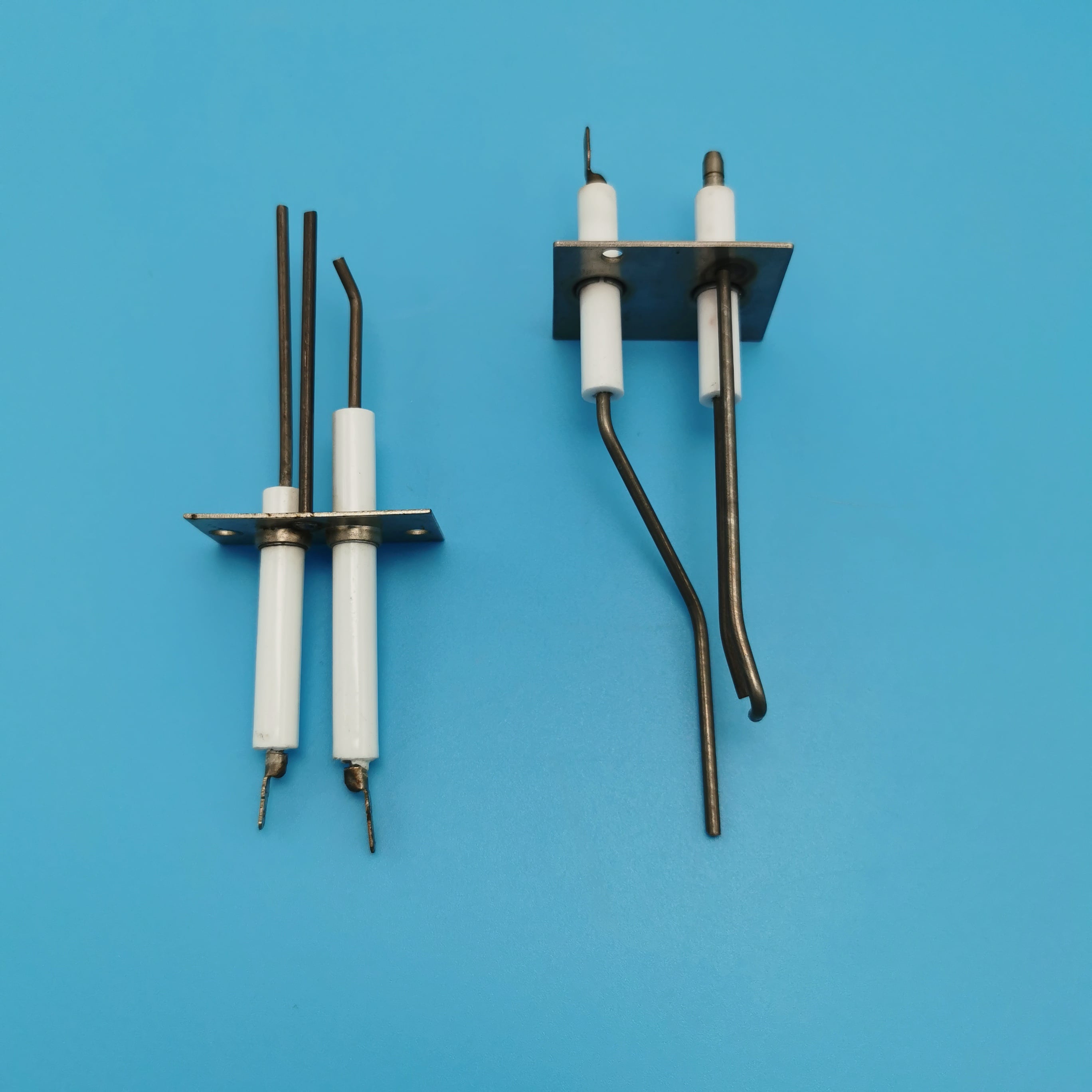
Gas Cooker Stove Electrical Alumina Ceramic Oven Parts Flame Ignitor Electrode Spark Ignition
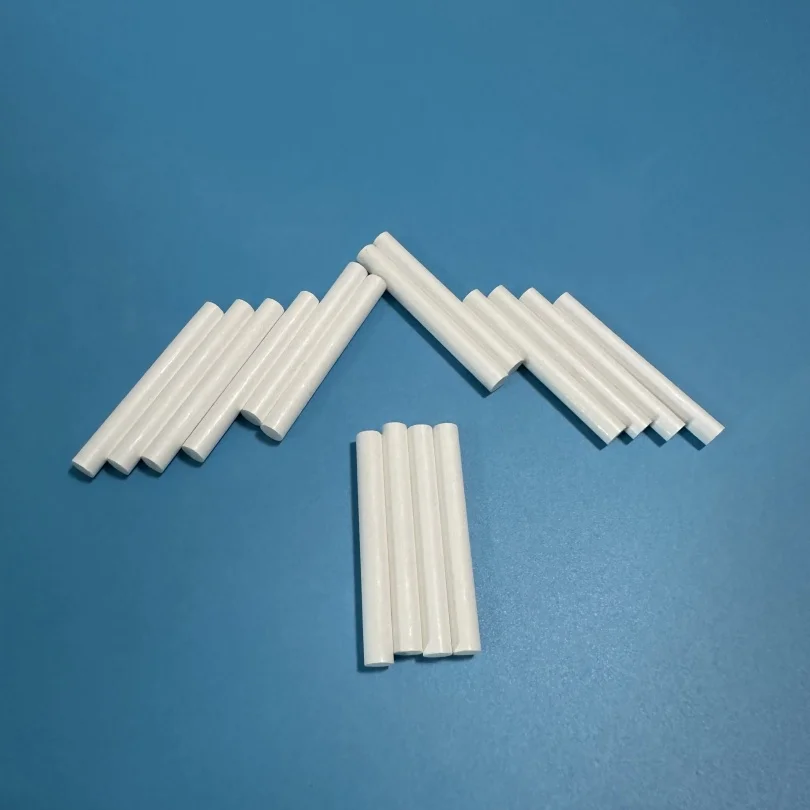
Customized Boron Nitride rod bn ceramic rod
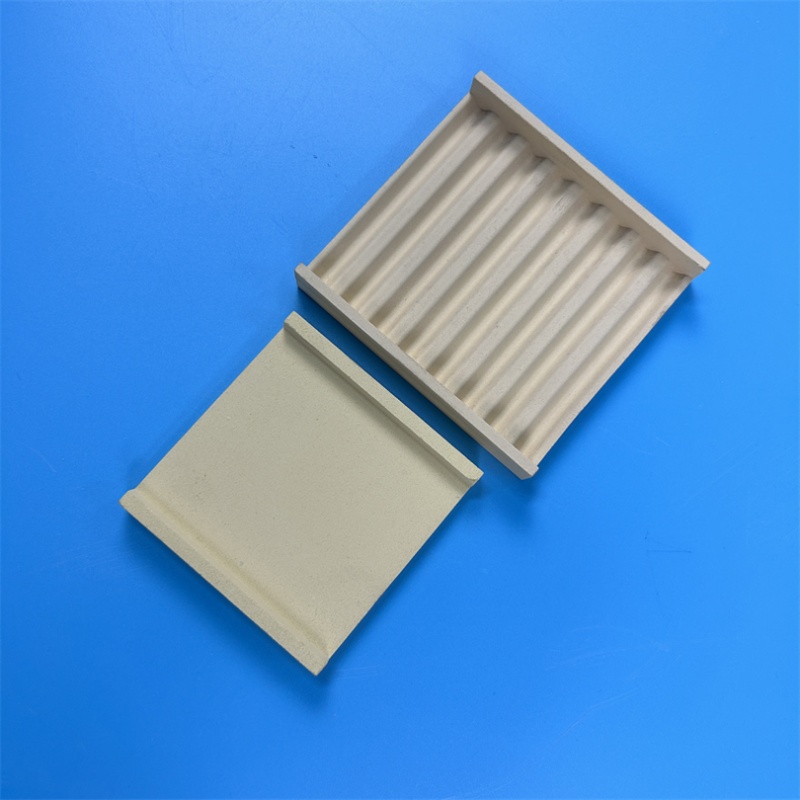
Custom High Temperature Zirconia Ceramic Setter Plate Refractory Ceramic Plate
Customized Plaster Aroma Diffuser Stone Gypsum Scented/Unscented Aromatherapy Flower


 EN
EN