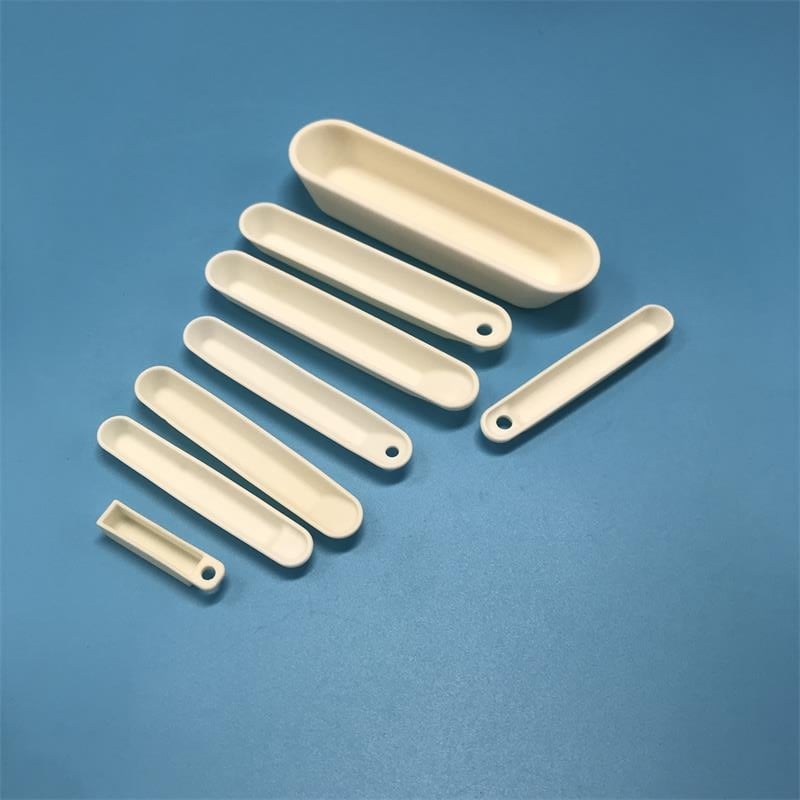
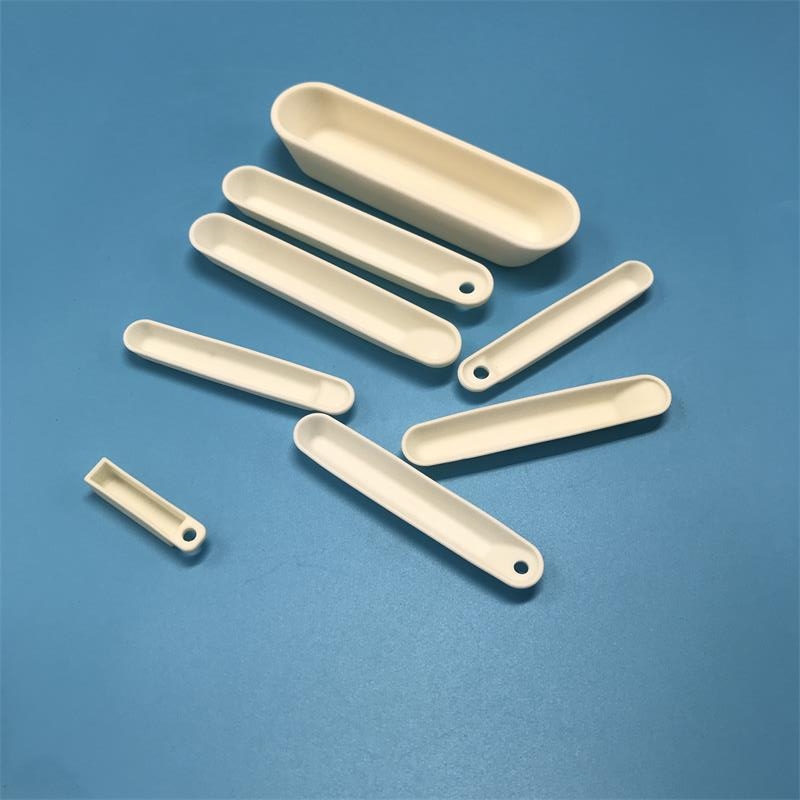
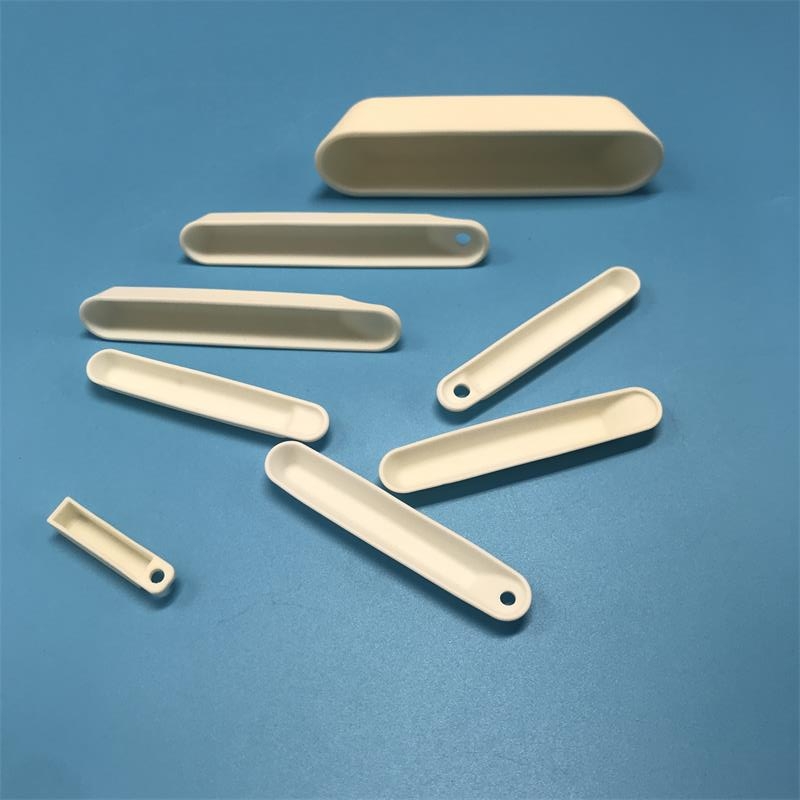
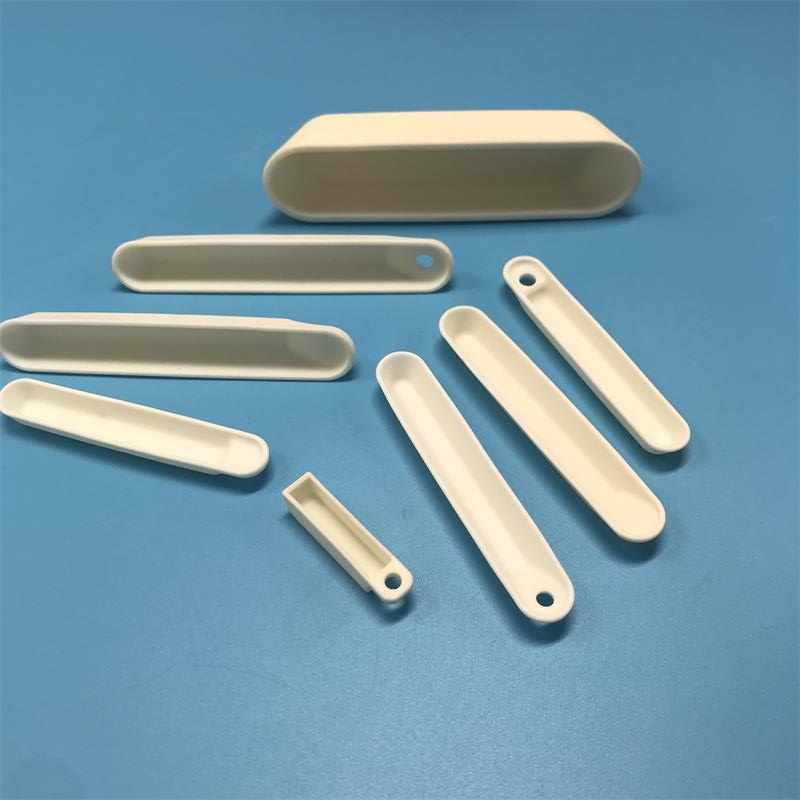
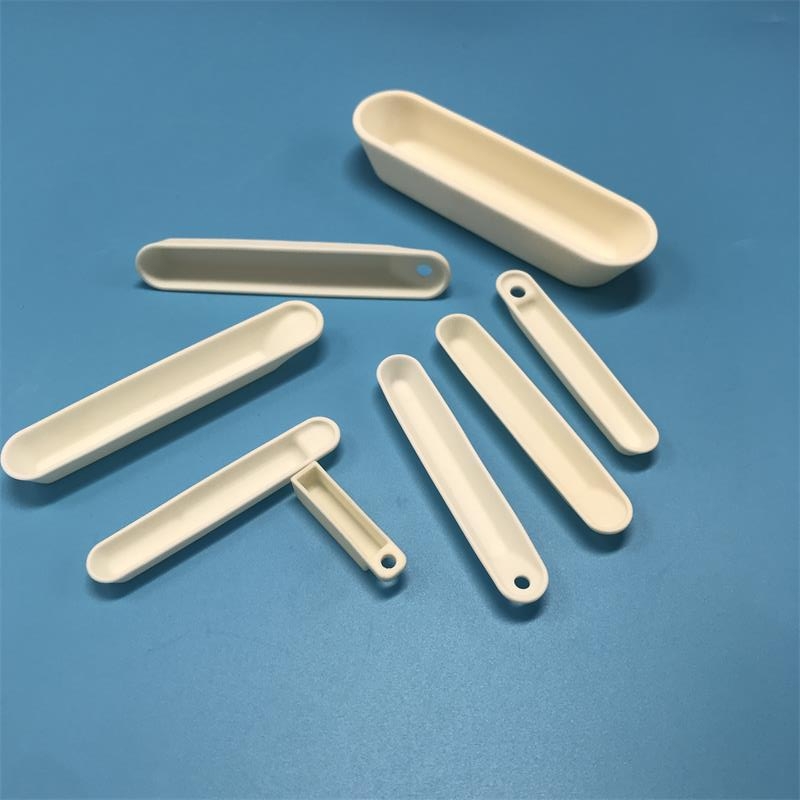
High Temperature ceramic boat with various kind of sizes. Request a quotation from Highborn at once.
Ceramic boats (also known as combustion boats or porcelain boats) are specialized containers used in chemical experiments to hold samples for high-temperature treatment, as well as core high-temperature resistant containers in industrial testing, high-temperature sintering, vacuum coating, and other fields. They belong to the category of chemical porcelain laboratory ware and are specifically designed to hold solid samples for chemical reactions in high-heat environments.
According to the needs of combustion experiments, their structure is boat-shaped (rectangular trough), with extended edges at both ends for easy handling. Common ceramic boats are made of chemical porcelain material, featuring excellent thermal shock resistance, high-temperature resistance (suitable for conventional laboratory high-temperature environments), acid and alkali corrosion resistance, and high mechanical strength.
They are mainly used in laboratories, research institutions, and universities for sample ashing, high-temperature decomposition, and other experimental operations. Another portion is made from high-purity ceramic raw materials through precise forming and high-temperature firing, offering excellent heat
resistance, corrosion resistance, chemical inertness, and structural stability, making them ideal consumables for laboratories and production lines.
Corundum ceramic boats are made from selected high-purity alumina according to industrial standards, with high density and low impurity content. They can withstand long-term temperatures of 1200℃–1850℃ and higher short-term temperatures, and are not easily cracked or deformed under rapid heating and cooling conditions, displaying outstanding thermal shock resistance.
Main Material:
High-alumina ceramic boat: temperature resistance about 1000°C
Corundum ceramic boat (alumina ≥95%/99%): temperature resistance 1300°C–1600°C
The surface is finely polished, smooth and dense, does not absorb samples or stick to molten metals, making it easy to clean and reuse, effectively reducing the risk of cross-contamination. Ceramic boats exhibit extremely strong chemical stability, resist acids and alkalis, are corrosion-resistant, and do not react with molten metals, corrosive gases, or chemical samples, ensuring accurate test results and high product purity. The product has high mechanical strength and stable load-bearing capacity, suitable for tube furnaces, muffle furnaces, sulfur analyzers, carbon-sulfur analyzers, vacuum coating machines, semiconductor heat treatment equipment, and more, widely used for sample combustion analysis, powder sintering, metal evaporation, wafer carrying, and other applications in industries such as coal, ore, metallurgy, chemical engineering, new materials, and electronic components.
Ceramic boat specifications
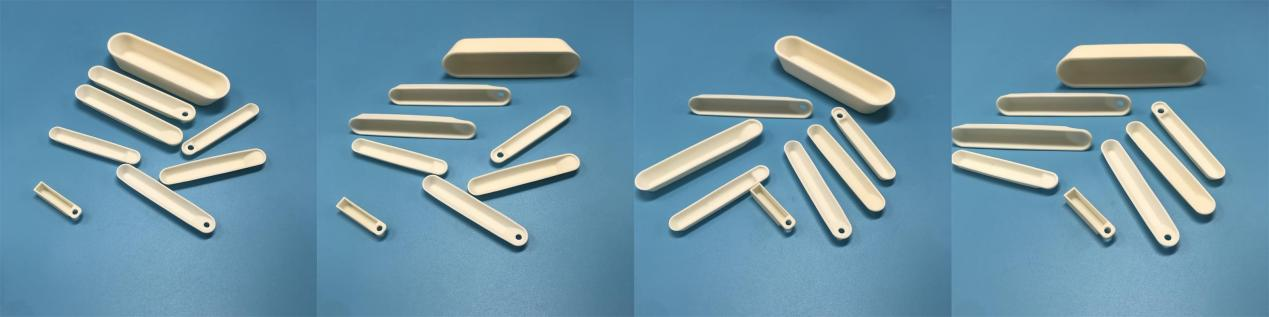
Ceramic boats are available in various specifications and models, with common lengths including 72mm, 77mm, 88mm, 95mm, and 97mm.
Combustion Boats, unglazed:
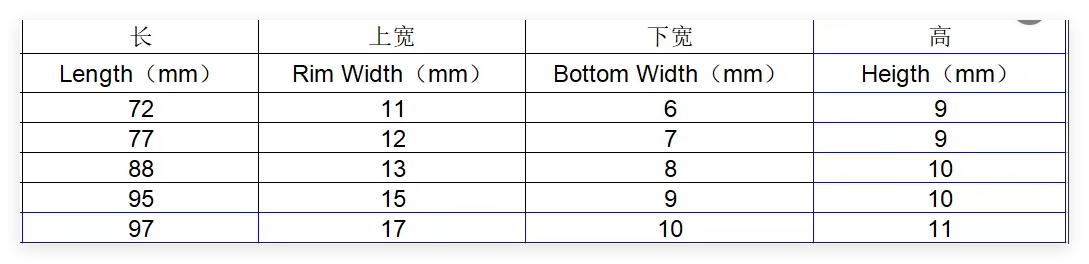
When using ceramic boats in high-temperature experiments, safety must be observed. Ceramic boats freshly removed from a high-temperature furnace should be placed on a clean, refractory asbestos board or ceramic plate, and no flammable materials should be nearby. Ceramic boats can withstand temperatures up to 1000°C, and this maximum temperature should not be exceeded during use.
Due to the thermal expansion of the raw materials used to make ceramic boats, rapid heating and cooling can easily cause the boat to crack. Therefore, it is important to control the heating rate to extend the product's service life.
When cleaning ceramic boats, neutral detergents are suitable, and strong acids or bases should be avoided to prevent corrosion of the glaze.
Application fields
The main applications of ceramic boats include the following experimental scenarios:
Ashing treatment of samples in elemental analysis. Specifically, it is suitable for analyzing carbon and sulfur content in iron ore samples and for analyzing volatile components in lighter-weight samples (can replace volatilization crucibles).
As containers for thermogravimetric analysis experiments. For example, in standard methods for detecting acid gas content in wires and cables, the combustion boat is a key container that carries samples for high-temperature treatment. The appropriate size should be selected according to the inner diameter of the quartz glass tube (outer length 45mm-100mm).
As high-temperature carriers for chemical synthesis reactions.
Observing combustion phenomena in teaching experiments.
An essential accessory for coal sulfur testing instruments, used in conjunction with a combustion tube, placed in a tube furnace to complete high-temperature sample treatment.
Technical Specifications:
Parameter |
Index |
Material |
High-purity aluminosilicate ceramic (SiO₂ 45-55%, Al₂O₃ 35-45%) |
|
Temperature resistance range
|
Continuous use: 1000–1150℃Short-term peak: 1400–1600℃ (high-alumina grade) |
thermal shock resistance |
3 cycles of 1200℃→ambient water quench without cracking (CNAS test)Heating/cooling rate ≤200℃/h recommended |
|
Chemical compatibility
|
- Resistant to strong acids (except HF)- Resistant to cold dilute alkalis, not resistant to hot concentrated alkalis or molten alkaline salts- Not resistant to hot concentrated phosphoric acid |
dimensions |
Porcelain 72mm;77mm;88mm;95mm;97mm High alumina 20mm-300mm etc or customized U-shape/flat bottom/pellet etc |
mechanical property |
- Compressive strength: ≥50 MPa- Flexural strength: Not specified (reference ceramic: 30–50 MPa)- Mohs hardness: 7 |
surface quality |
- Smooth glaze with ≤0.5% bubbles- Dimension tolerance ≤±1% |
Product Applications Scenarios |
- High-temperature ashing, melting (e.g., K₂S₂O₇ acid fusion)- Gravimetric analysis, quantitative ignition- Metal oxide synthesis |
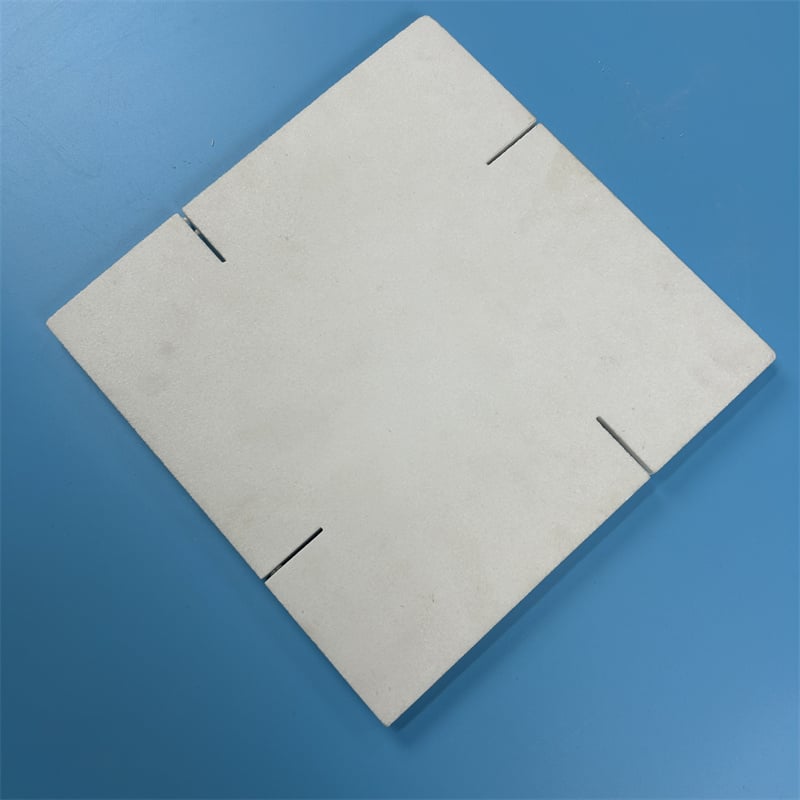
Refractory Cordierite Mullite Ceramic Push Setter Plate for Kiln Furnace
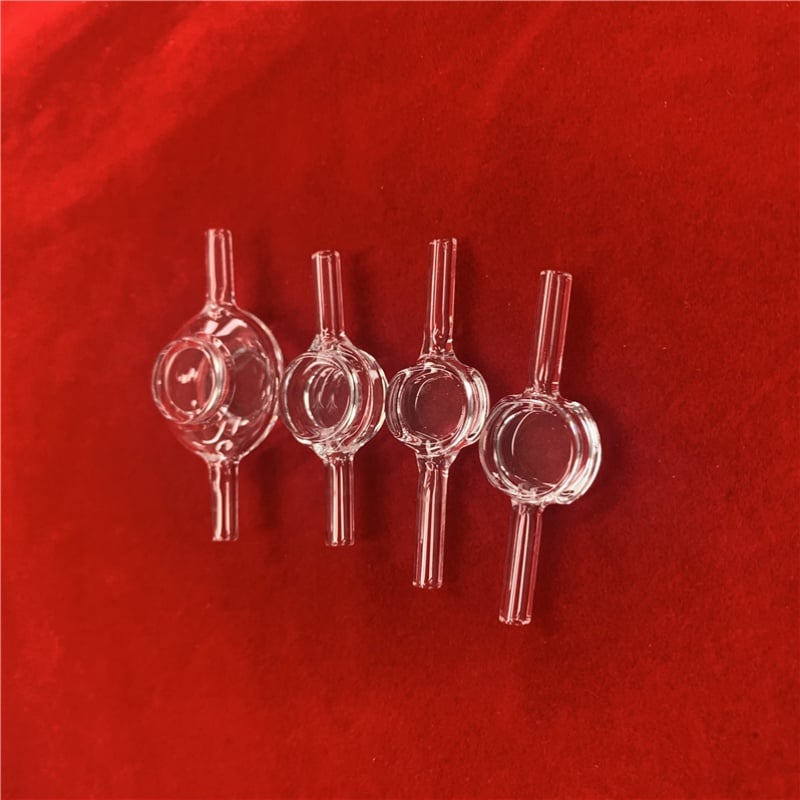
Cylindrical flow quartz cuvette cell for water quality testing
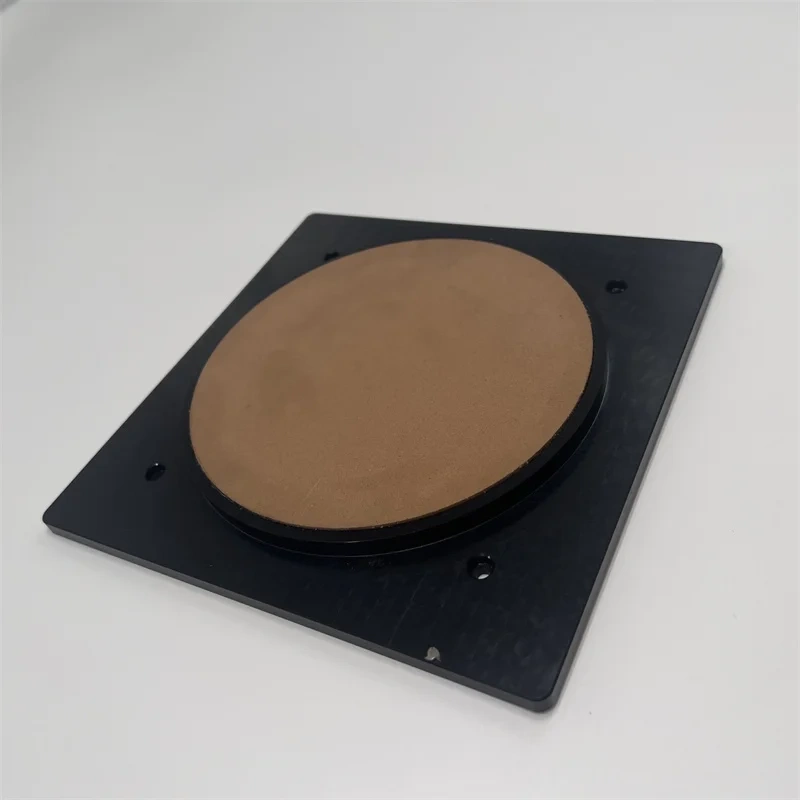
Alumina Micro Porous Ceramic Vacuum Chuck for Semiconductor and Silicon Wafer
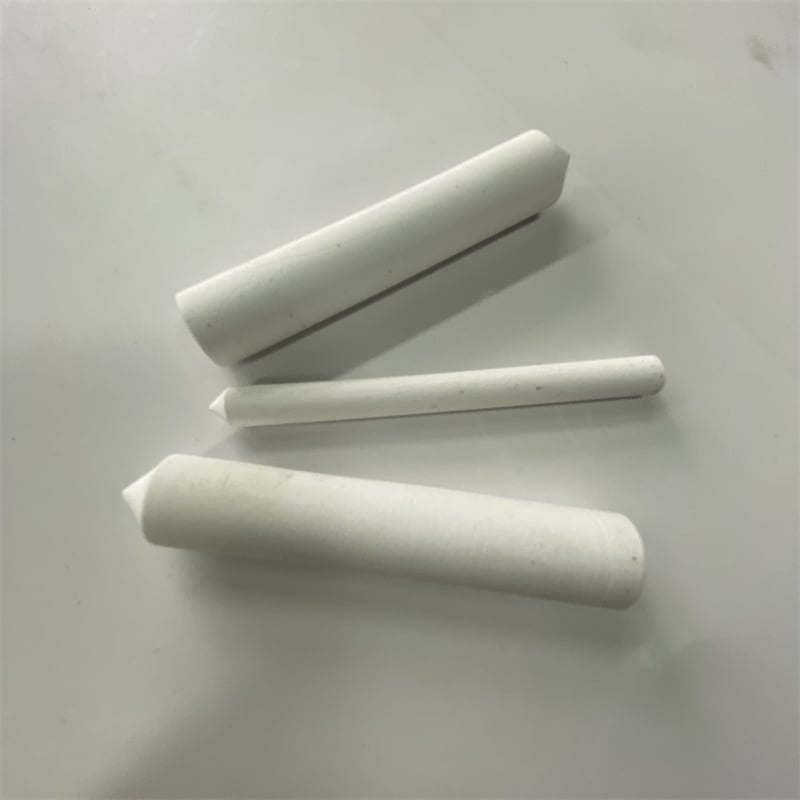
Bullet Head Slender Agricultural Drip Irrigation Porous Alumina Ceramic Filter Tube Test Soil Moisture


 EN
EN