Product Details
Overview of Microporous Ceramic Aeration Plate
1.1 Definition & Manufacturing Process
Microporous ceramic aeration plate is a rigid porous aeration component sintered from high-purity inorganic ceramic raw materials via proprietary integrated forming and high-temperature firing technology. Raw materials are mixed, pressed into monolithic blanks, then calcined at constant temperature to form uniform interconnected micropores across the whole plate without secondary glue bonding.
Finished products are classified into standard sintered type and enhanced high-pressure resistant type, tailored for shallow aquaculture and deep wastewater treatment separately. The whole production process is free of organic adhesives, avoiding later degumming and plate cracking risks.
1.2 Grade Classification & Industrial Standards
Products are sorted by pressure resistance and aeration precision: conventional type and deep-water high-strength type.
High-specification products comply with CJ/T 263-2018 domestic water treatment aerator industry standard, with stable physical and chemical indexes suitable for long-cycle industrial aerobic treatment.
Core Characteristics of Microporous Ceramic Aeration Plate
2.1 Aeration & Oxygen Transfer Performance
The core advantage lies in ultra-fine uniform pore structure, generating 0.01–0.5mm mist-shaped tiny bubbles.
At a water depth of 1m, its oxygen absorption rate reaches 35%; every additional 0.5m water depth lifts absorption rate by 5%–10% or higher. Its oxygen transfer efficiency is 3–5 times that of ordinary microporous nano aeration tubes, with large effective aeration area cutting gas consumption by 40%–60%.
2.2 Mechanical & Pressure Resistance Property
Unique integrated sintered structure delivers outstanding compression resistance, with bearing pressure up to 0.7MPa (7kgf). No burst failure occurs under rated pressure, applicable to liquid environments with depth within 70 meters.
The whole plate adopts glue-free assembly structure, eliminating hidden troubles like seal degumming and plate breakage of rubber aerators. Without man-made damage, the service life can reach 5–8 years.
2.3 Chemical & Structural Stability
The ceramic substrate is chemically inert, acid and alkali resistant, immune to corrosion from common sewage mediums, and will not dissolve harmful substances into water bodies. The interconnected micropore structure resists quick blockage by sludge, maintaining stable aeration volume in long-term continuous operation.
Core Advantages of Microporous Ceramic Aeration Plate
3.1 Ultra-high Oxygen Utilization & Energy Saving
Fine mist bubbles extend gas-liquid contact time drastically. Higher oxygen efficiency reduces air blower operating load, significantly lowering power and gas costs for wastewater and aquaculture projects.
3.2 High Pressure Resistance & Long Service Life
One-piece high-temperature sintering greatly improves structural strength. Free of adhesive joints, it avoids frequent replacement and maintenance work required by rubber membrane aerators, cutting later operation cost.
3.3 Easy Installation & Stable Operation
Modular glue-free splicing design simplifies on-site assembly. No aging, air leakage or breakage issues during long-term submerged use, suitable for continuous 24-hour industrial operation.
3.4 Wide Medium Compatibility & Eco-friendly
Inorganic ceramic material is non-toxic and pollution-free, applicable to domestic sewage, industrial biochemical wastewater and aquaculture water without secondary contamination.
Industry-Specific Applications
4.1 Sewage Biochemical Treatment
It serves as the primary aeration material for aerobic tanks, taking up the largest market share. Sufficient dissolved oxygen supplied accelerates microbial decomposition of COD, ammonia nitrogen and organic pollutants to meet discharge standards.
4.2 Aquaculture Industry
Widely applied to oxygenation of fish, shrimp and crab breeding ponds. High oxygen transfer efficiency stabilizes dissolved oxygen levels, prevents pond hypoxia and improves breeding survival and yield.
4.3 Ecological Water Restoration
Used for aeration of rivers, lakes and landscape water, mitigating black-odorous water and boosting natural water self-purification capacity.
4.4 Biochemical Reaction Equipment
Applicable to aerobic fermentation tanks, biopharmaceutical vessels and lab-scale water treatment devices, providing even and stable micro-aeration environment for biological reaction systems.
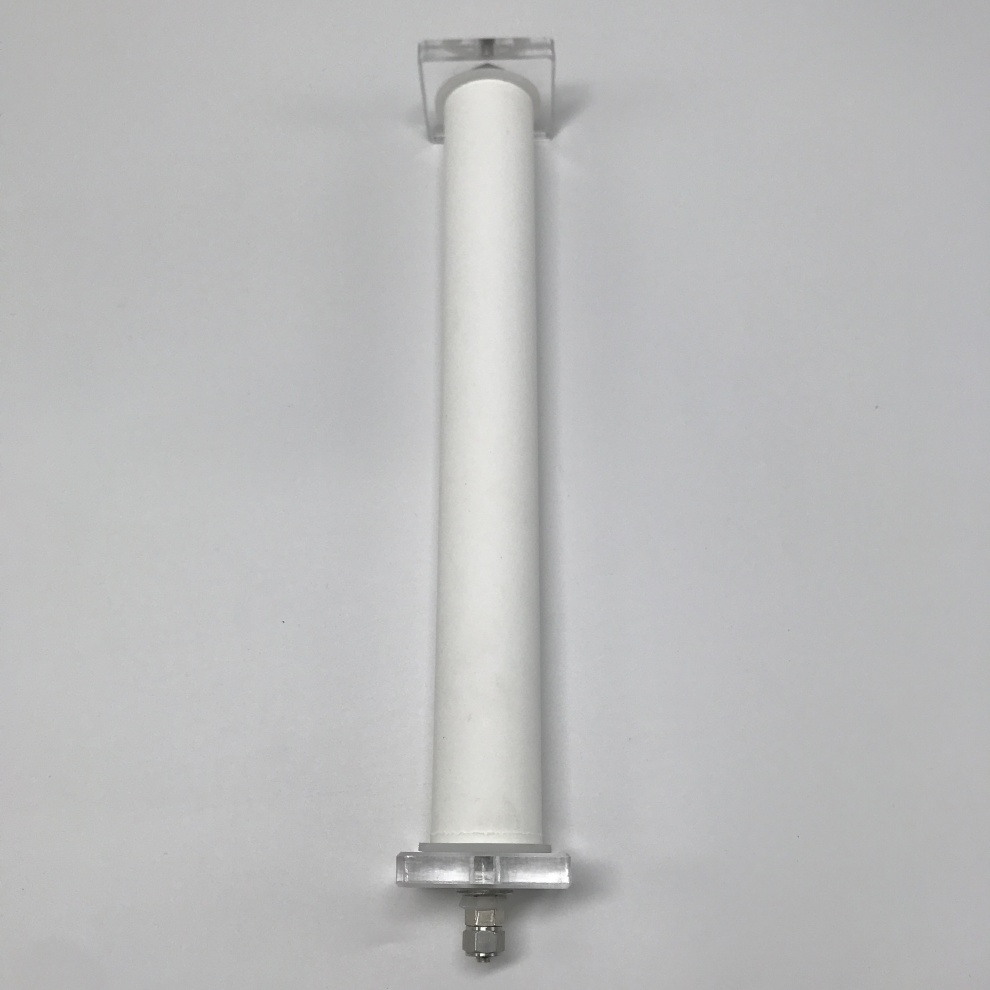
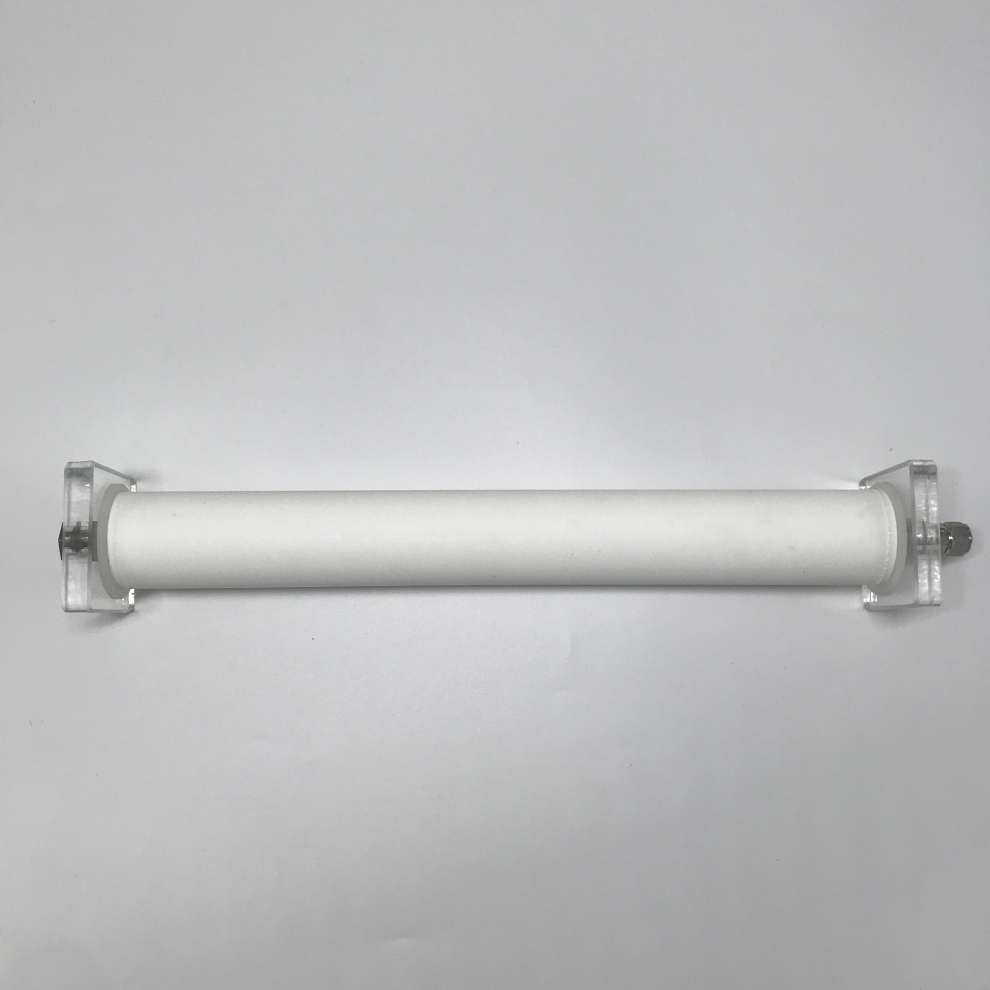
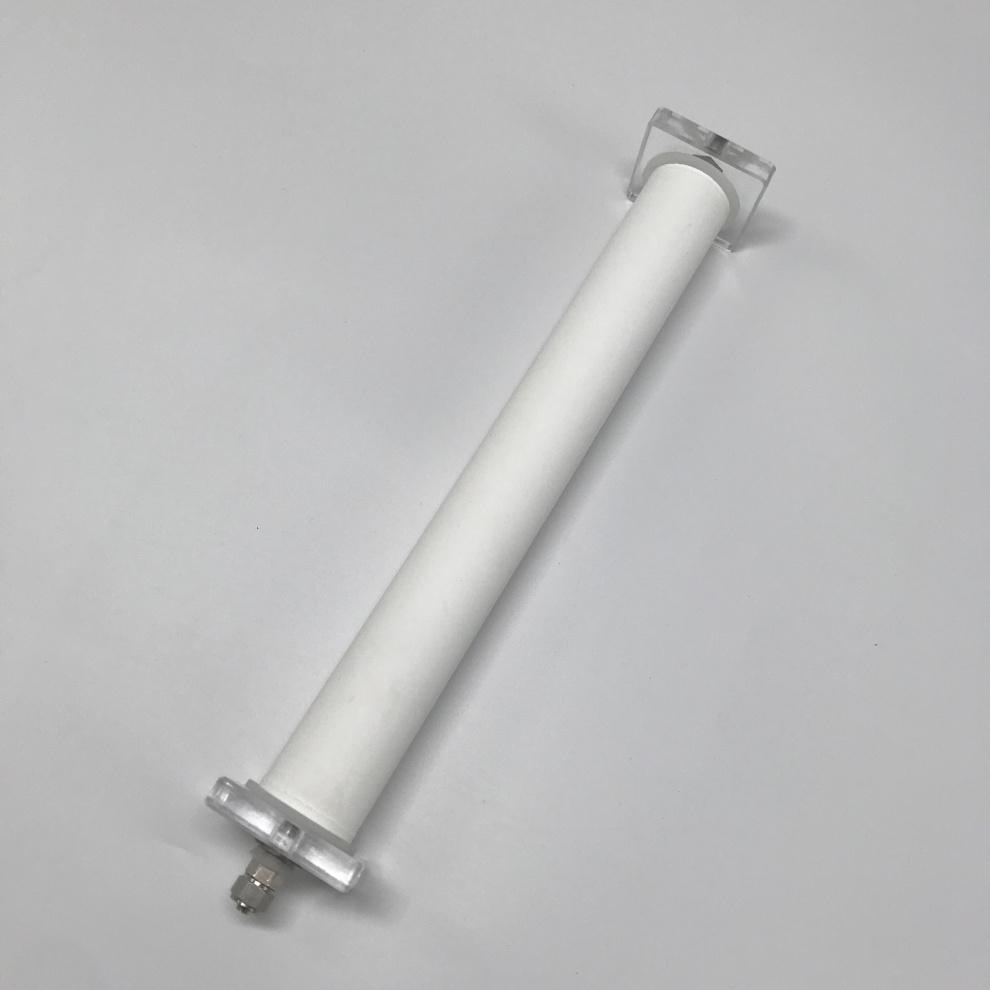
Technical Parameters Table
Name |
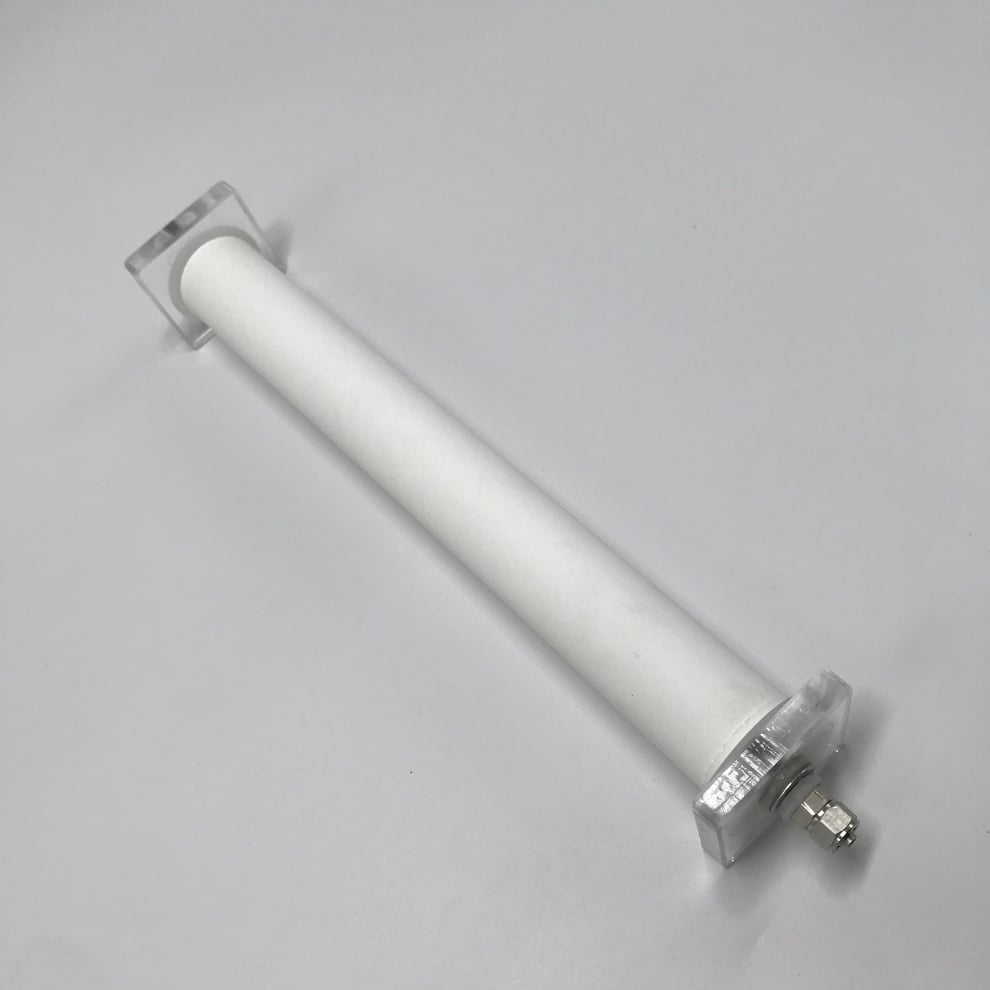
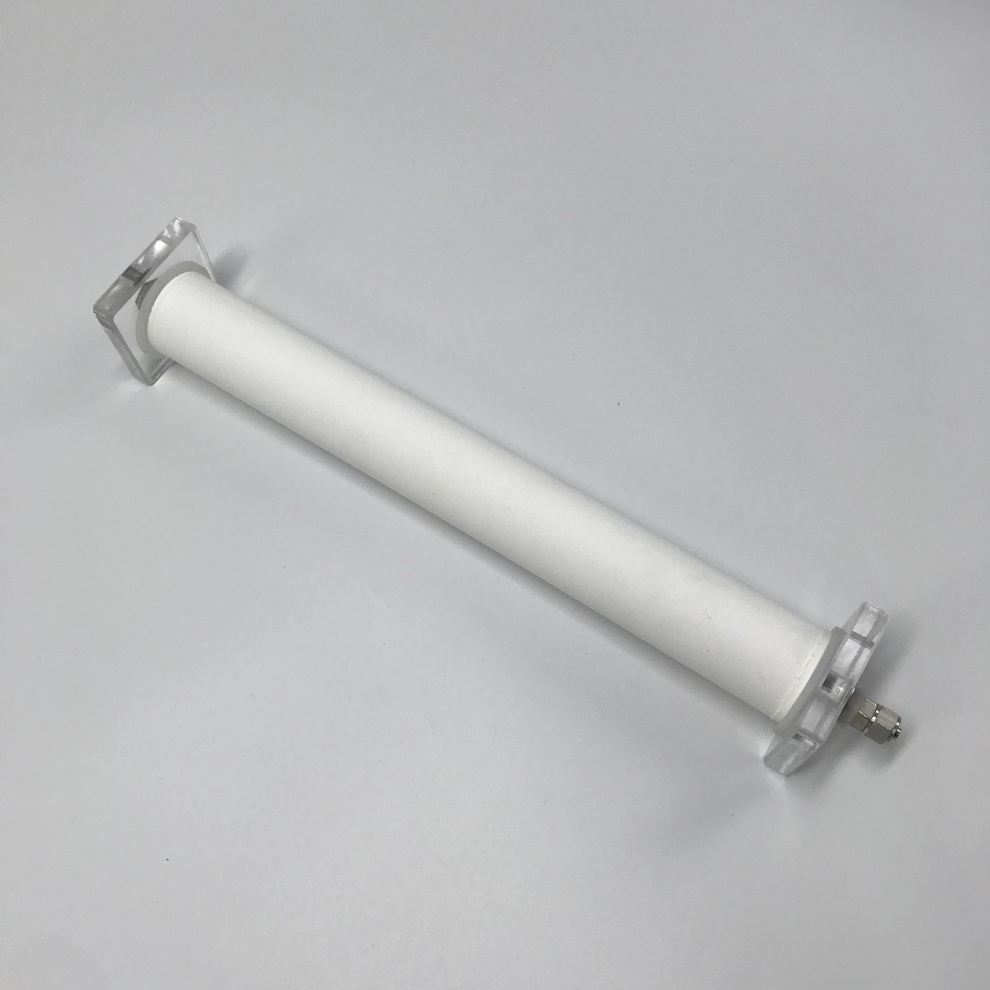
Nano ceramic aeration disc |
Size |
360*78*20,Customizable size |
Suggested flow rate |
1-2L/min |
Covering water surface |
5-10m ² |
Quick connect caliber |
5 * 8mm |
Work pressure |
< 0.2mpa |
Maximum compressive force |
< 0.3mpa |
Access source |
Can be connected to high concentration oxygen concentrators, liquid oxygen, pure oxygen |
The pore size of the micro-nano ceramic is 0.5-0.8 mirons and the diameter of the mist bubbles over flowing from the water is between 0.01-0.05mm |
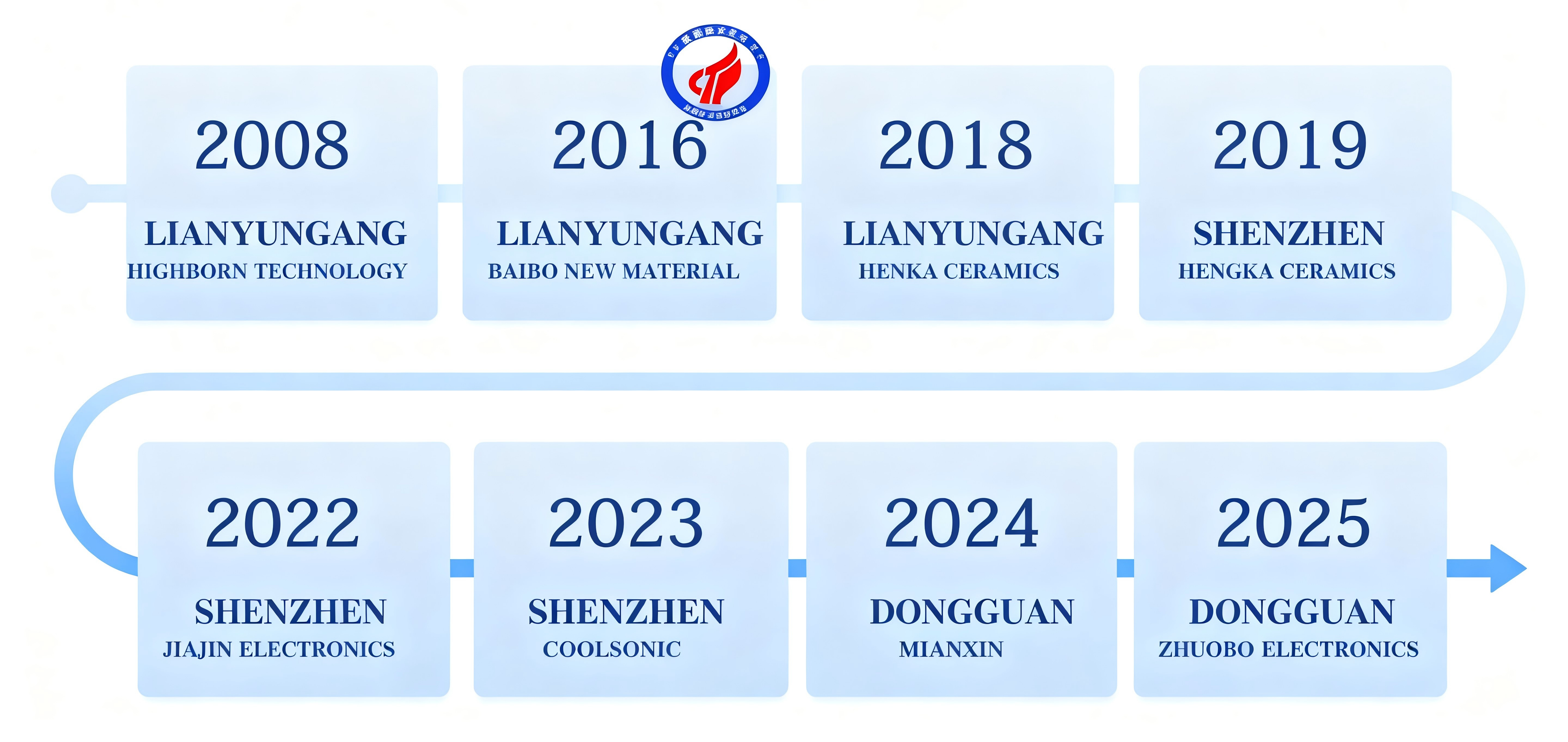
Development History
Patents and certification
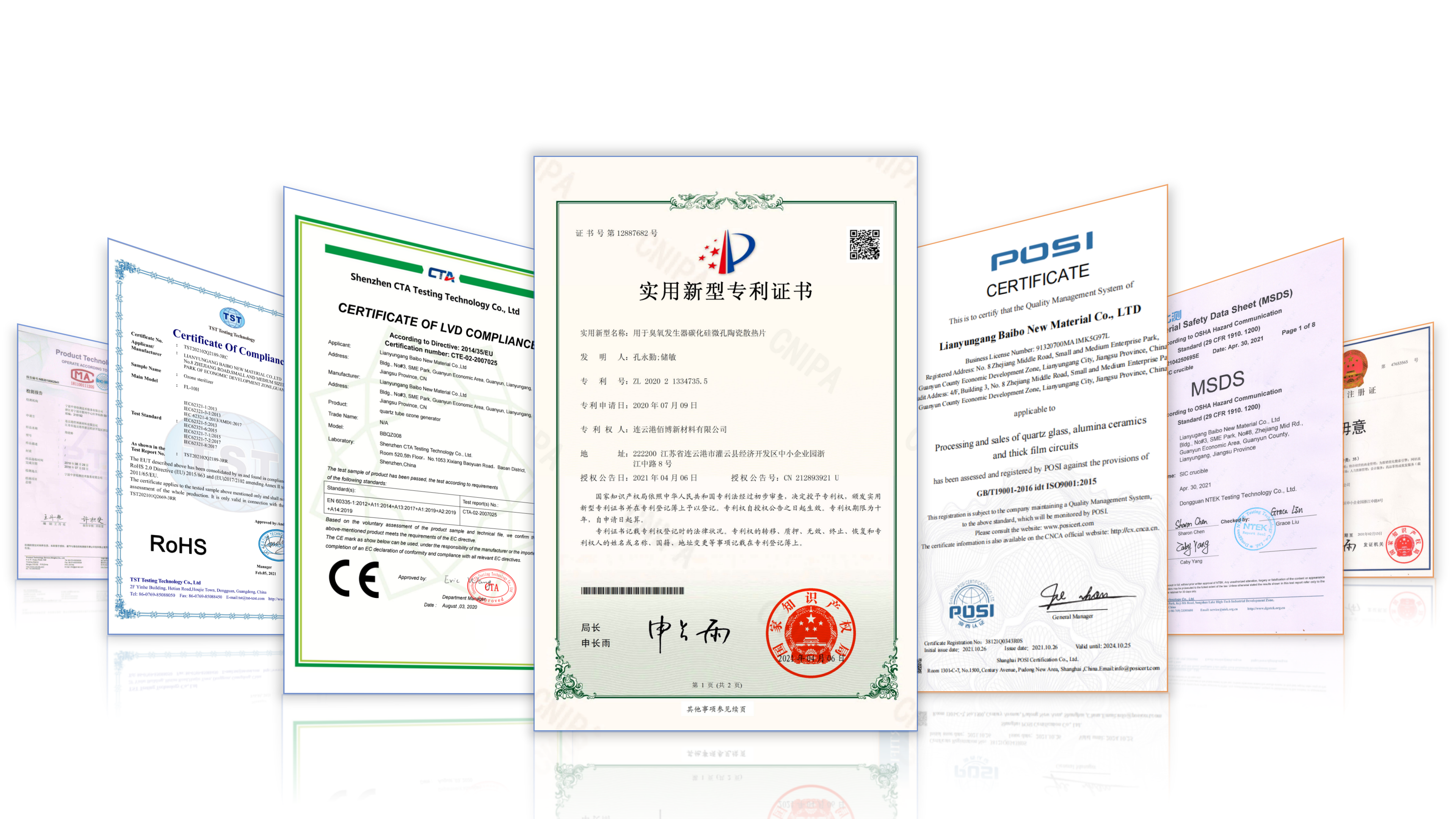
We’ve obtained various global certifications including CE, EMC, LVD, RoHS, FDA, MSDS, ISO 9001, SGS and TUV. We also own eight registered trademarks and forty technical patents to support independent R&D.
Our proprietary core technologies run through all product lines: porous ceramics, industrial ceramic components, special glass, metallized ceramics, liquid absorption cotton, ozone generators and silicone goods. All products are manufactured in strict accordance with international quality standards, delivering reliable and high-performance solutions that have gained wide recognition and market trust worldwide.
Package
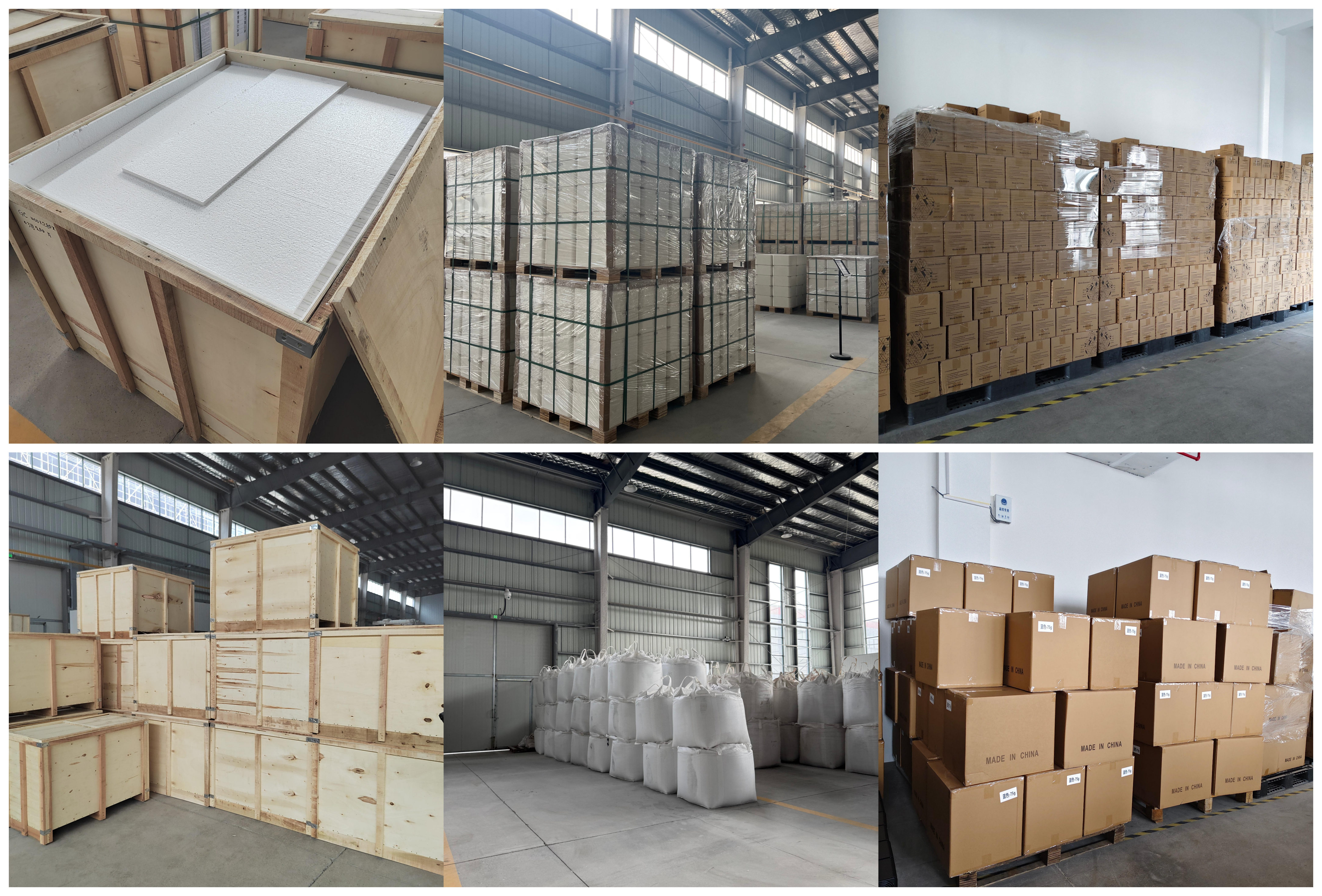
We adopt scientific and standardized packaging solutions tailored to product characteristics to effectively prevent collision, extrusion, dust and moisture damage. With mature global transportation system and strict shipment inspection procedures, we ensure all products remain intact and stable during long-distance delivery, providing customers with safe, efficient and reliable one-stop logistics service.
Services
Inquiry & Customization
We provide fast and accurate quotation response for all your inquiries. Flexible OEM & ODM customization solutions are available to meet your unique product design, packaging and branding requirements.
Order Quality Control
We keep clients updated with full production progress throughout the whole order cycle. Our QC team carries out strict comprehensive pre-shipment inspection to guarantee all goods comply with your quality standards before delivery.
Customs Document Support
We prepare a full set of standard export documents including commercial invoice, packing list, certificate of origin and other certification papers, to ensure smooth global customs clearance for shipments to all destinations worldwide.
One-Stop Logistics
Multiple shipping methods including sea freight, air freight and express delivery are offered to match your schedule and budget. We supply real-time cargo tracking service so you can monitor shipment status anytime.
Flexible Payment
We support a wide range of secure international payment terms such as T/T, L/C, Western Union and other mainstream cross-border settlement methods to reduce your cross-border transaction risks.
After-Sales Support
Our professional after-sales team offers timely technical and business support all year round. We maintain steady long-term stable supply capacity to fully back up your continuous market sales and project demands.
FAQ
01
Question: Can you produce based on customers’ drawings or physical samples?
Answer: Absolutely yes. We accept technical drawings in all mainstream file formats as well as actual physical samples. Before formal production, our engineering team will provide a full professional DFM feasibility evaluation for your reference.
02
Question: How long is the production lead time for custom orders?
Answer: Sample lead time: 3–7 working days. Custom mold lead time: 5–10 working days (we will confirm the cycle separately with you for complex molds). Mass production lead time: 7–20 working days, depending on product structure complexity and order quantity.
03
Question: What’s your minimum order quantity for custom products?
Answer: We provide flexible MOQ solutions for all customized items. We will try our best to set a low minimum order volume to support your small-batch trial orders, meanwhile we can handle stable mass production to satisfy your long-term bulk demands.
04
Question: What customization services can you provide?
Answer: We support comprehensive one-stop customization, including product size, shape, appearance, precision tolerance, surface treatment, hole grooving, bending, cutting and adjustable high-temperature resistant parameters. Custom engraved LOGO and exclusive customized packaging are also available as extra personalized options upon request.
05
Question: Do you accept third-party inspection of finished products?
Answer: Yes, we fully cooperate with all mainstream authorized third-party testing institutions. Well-known organizations such as SGS, BV and other internationally recognized inspection bodies are all acceptable. We can supply complete official inspection reports and material certification documents as you require.
06
Question: Can you customize raw material options for products?
Answer: Sure. We can select and match appropriate raw materials according to your application scenarios, working conditions and performance requirements, including alumina, zirconia, quartz, silicone and other special engineering materials, and adjust related performance parameters to meet your usage standards.



 EN
EN