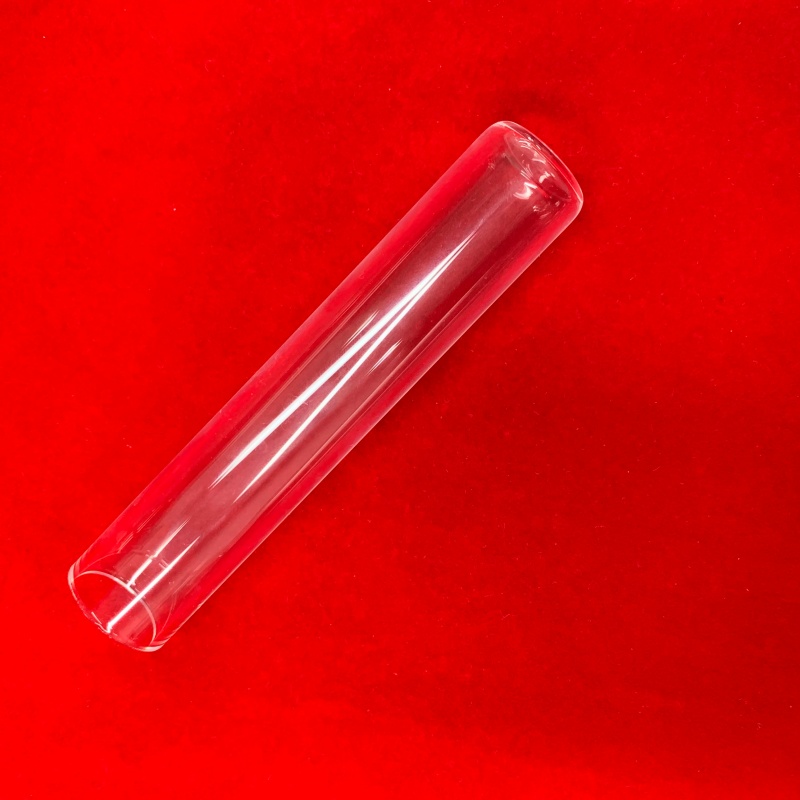
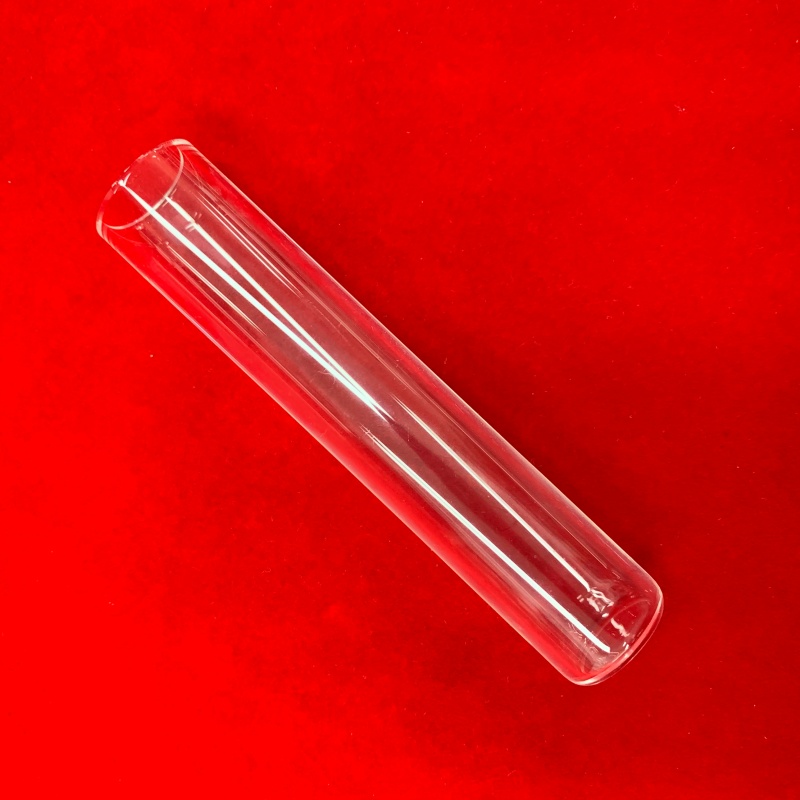
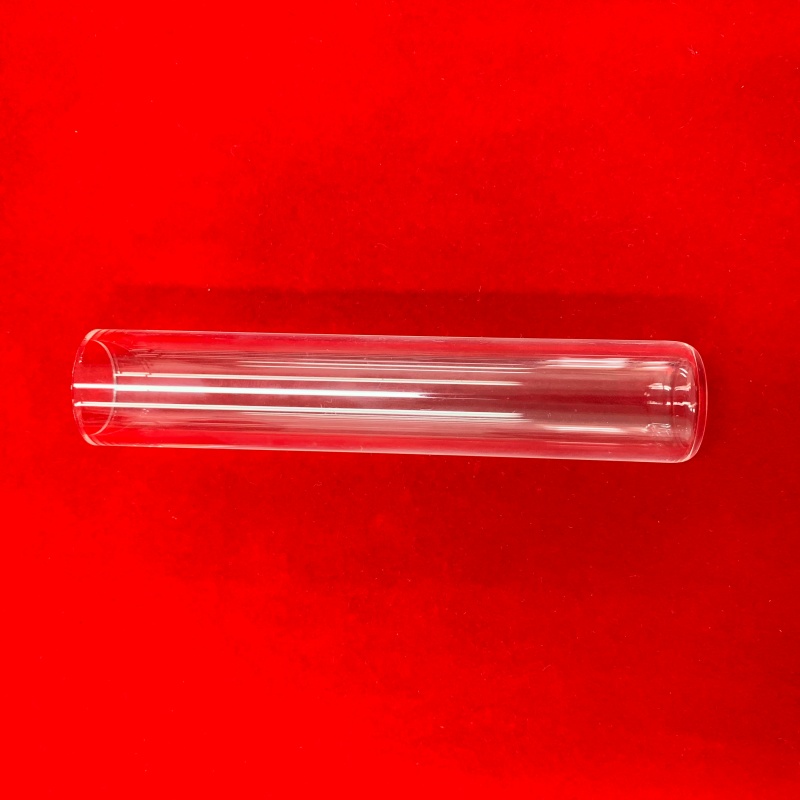
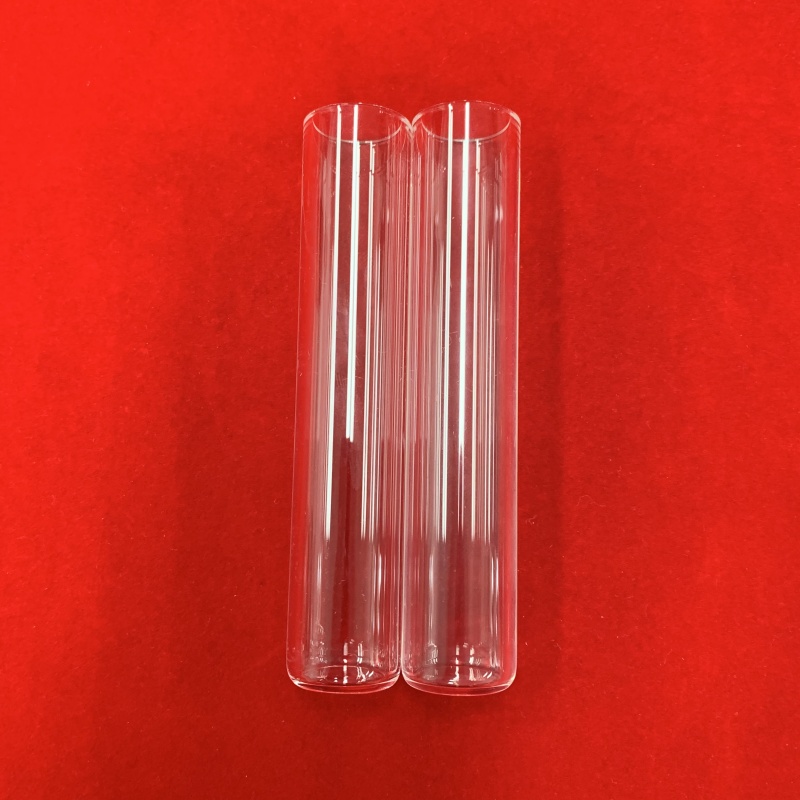
Product Details
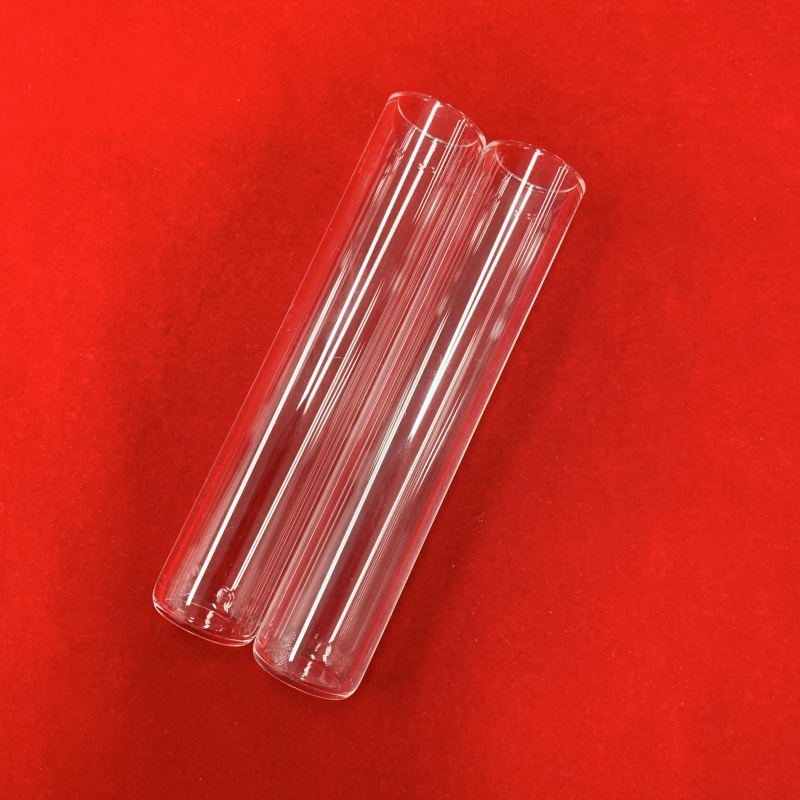
1.Definition of quartz test tube
Quartz test tubes are indispensable high-performance laboratory and industrial components crafted from high-purity fused silica, typically boasting a silica content of 99.9% or higher, with premium variants reaching 99.99% SiO₂ purity. The manufacturing process involves melting natural quartz crystals at an ultra-high temperature of around 2000°C, followed by precision processing techniques like stretching and shaping to ensure uniform wall thickness and structural integrity. These tubes stand out from ordinary glass and borosilicate alternatives due to their exceptional combination of thermal, chemical, optical, and mechanical properties, making them irreplaceable in numerous high-demand scenarios.
2.Processes of quartz test tube
Quartz tubes are manufactured through continuous melting and drawing processes. The raw material is fed into a high-temperature furnace, where it is melted. The molten quartz is then drawn over a mandrel to form a continuous tube of a specific diameter and wall thickness. The process requires precise control to ensure dimensional accuracy and to prevent the formation of bubbles and impurities. Subsequent steps may include cutting, fire-polishing the ends to prevent cracking, and various machining operations.
3.Characteristics of quartz test tube
3.1 Exceptional Thermal Properties
High-Temperature Resistance: Quartz tubes have an extremely high softening point and can be used continuously at temperatures up to 1100°C. This makes them ideal for furnaces, diffusion processes, and high-temperature thermocouple protection.
Outstanding Thermal Shock Resistance: They can withstand rapid and extreme temperature changes without fracturing, a property derived from their very low coefficient of thermal expansion.
3.2 Superior Optical Clarity
Quartz tubes, especially those made from high-purity fused quartz, offer excellent transmission across a wide spectrum of light. They are highly transparent to ultraviolet (UV), visible, and infrared (IR) light. This makes them perfect for UV lighting (e.g., mercury vapor lamps), semiconductor photolithography, and various optical instruments.
3.3 High Purity and Chemical Stability
Quartz is inherently chemically inert. Quartz tubes are highly resistant to most acids, salts, and halogens (like chlorine and bromine) at elevated temperatures.
This high purity prevents contamination in sensitive processes such as semiconductor wafer fabrication and pharmaceutical production.
3.4 Good Electrical Insulation
With high electrical resistivity and low dielectric loss, quartz tubes are excellent electrical insulators, even at very high temperatures. This is crucial for applications in lighting,
laser systems, and high-temperature electrical heating elements.
3.5 Mechanical and Physical Properties
They possess good mechanical strength and rigidity under compressive loads. However, like most glassware, they are brittle and can be susceptible to impact or mechanical abuse
if not handled properly.
4.Application of quartz glass tube
4.1 Scientific Research and Laboratory Field (Core Application Scenarios)
High-temperature chemical reaction vessels are suitable for experiments requiring long-term or instantaneous high temperatures, such as catalyst activity testing, inorganic material synthesis (e.g., oxide crystal preparation), and thermal decomposition reactions (e.g., high-temperature decomposition of carbonates). They can withstand continuous high temperatures of 1200℃ and
short-term high temperatures of 1450℃, with excellent thermal stability to resist rapid temperature changes (e.g., direct removal from a high-temperature
furnace to room temperature) without cracking.
4.2 Sample Pretreatment and Analysis
Heavy metal detection: Used as sample digestion vessels for Atomic Absorption Spectroscopy (AAS) and Inductively Coupled Plasma Optical Emission Spectroscopy (ICP-OES), they can resist corrosion by strong acids such as concentrated nitric acid and hydrofluoric acid, avoiding sample contamination and ensuring detection accuracy.
Organic/inorganic purification: Applied in distillation, rectification, reflux, and other operations, especially suitable for the separation and purification of high-boiling-point, strong-corrosive samples (e.g., treatment of halogen-containing organic compounds).
Spectroscopic analysis supporting vessels have extremely high light transmittance (>90%) in the spectral range of 190nm~2500nm (ultraviolet, visible, near-infrared). They are often used as cuvettes for UV-Vis spectrophotometers and sample cells for fluorescence spectroscopy, enabling real-time observation of reaction processes without interfering with spectral signals.
In biological and pharmaceutical research, they are used for high-temperature sterilization of biological samples (e.g., high-temperature treatment of microbial culture media), drug stability testing (simulating high-temperature storage environments), and purity detection of vaccines and biological agents (acid-alkali resistant digestion to avoid protein/nucleic acid contamination). Their non-porous surface prevents microbial adsorption, meeting sterile requirements.
4.3 Optical and Medical Fields
Optical device manufacturing: Used for the drawing of optical fiber preforms and high-temperature molding of optical lenses. Their high light transmittance and dimensional stability ensure the refractive index uniformity and precision of optical devices.
5.Technical Parameters
Property Content |
Property Index |
Density |
2.2kg/cm³ |
Strength |
570KHN100 |
Tensile Strength |
4.8×10⁷Pa(N/㎡) |
Compression Strength |
>1.1×10⁹Pa |
Coefficient of Thermal Expansion |
5.5×10⁻⁷cm/cm℃ |
Thermal Conductivity |
1.4W/m℃ |
Specific Heat |
660J/kg℃ |
Softening Point |
1630℃ |
Annealing Point |
1180℃ |
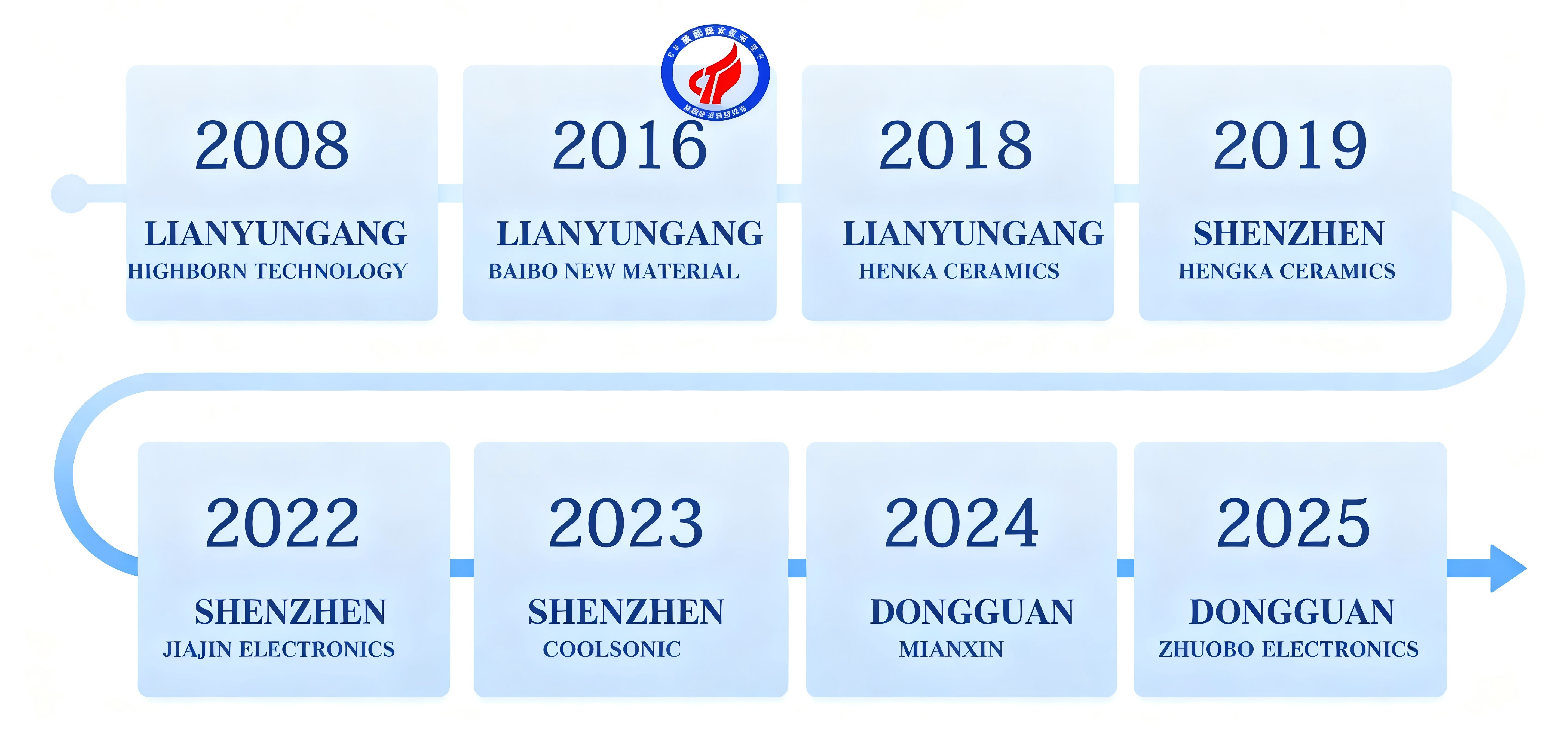
Development History
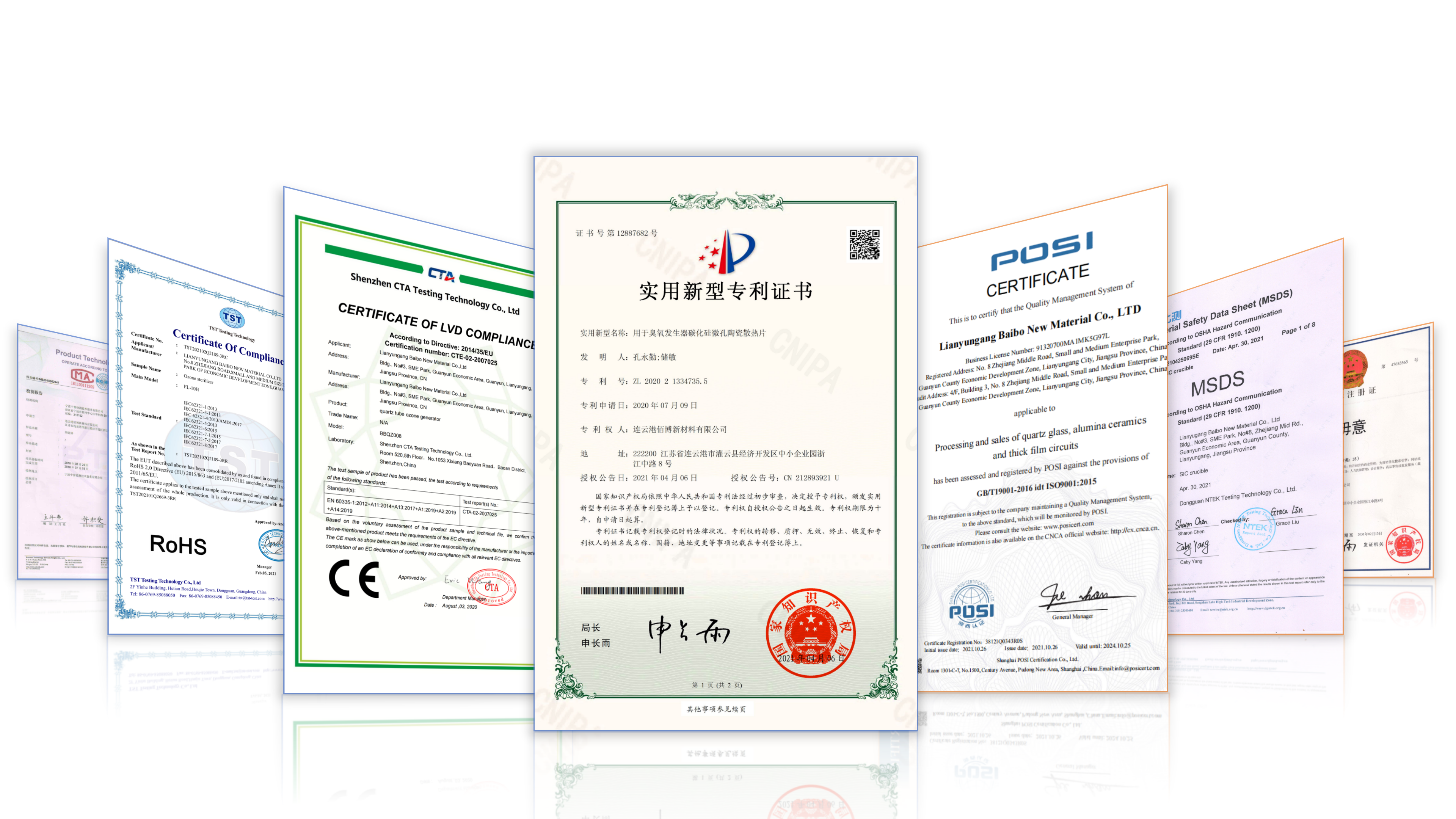
Patents and certification
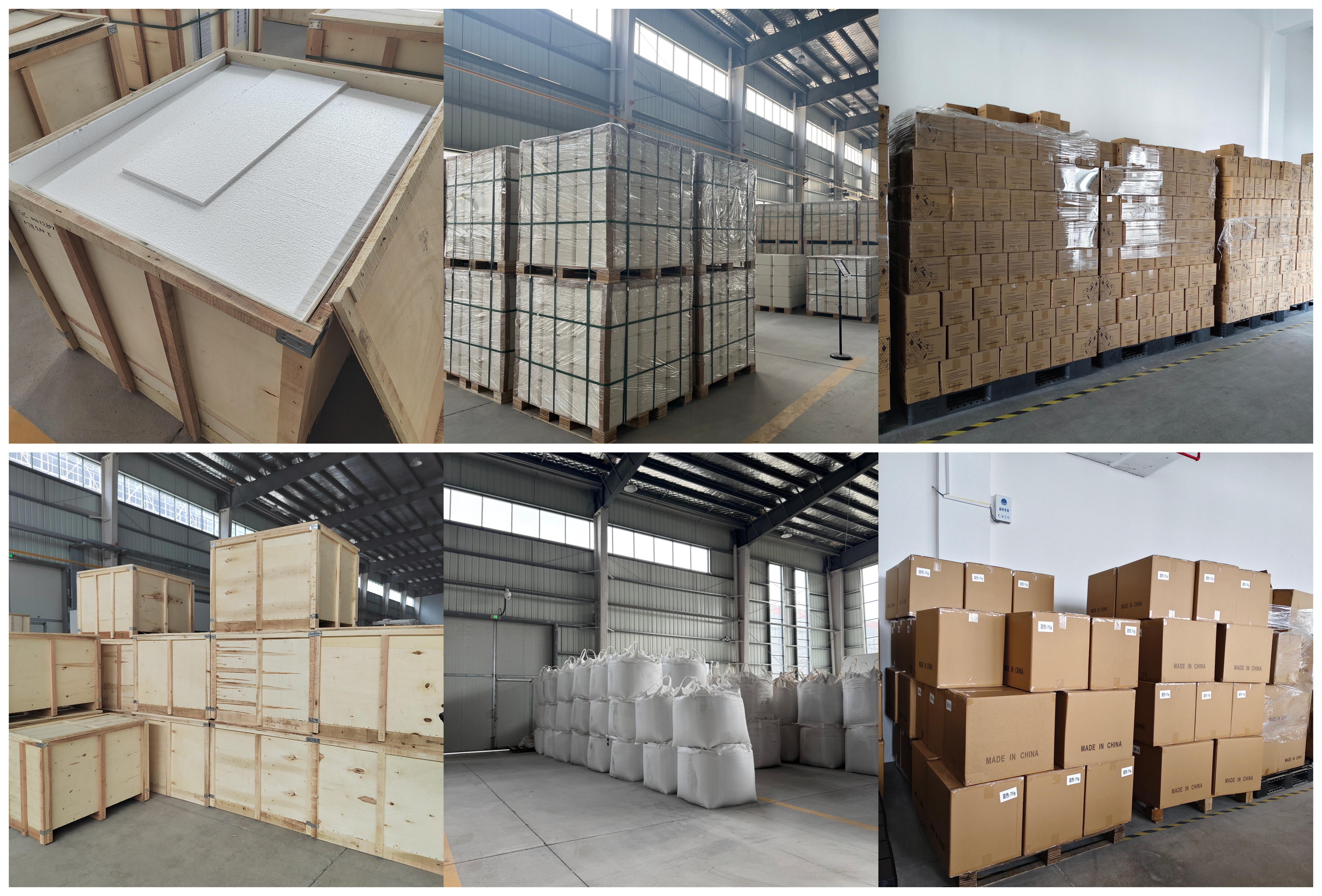
Package
Services
FAQ
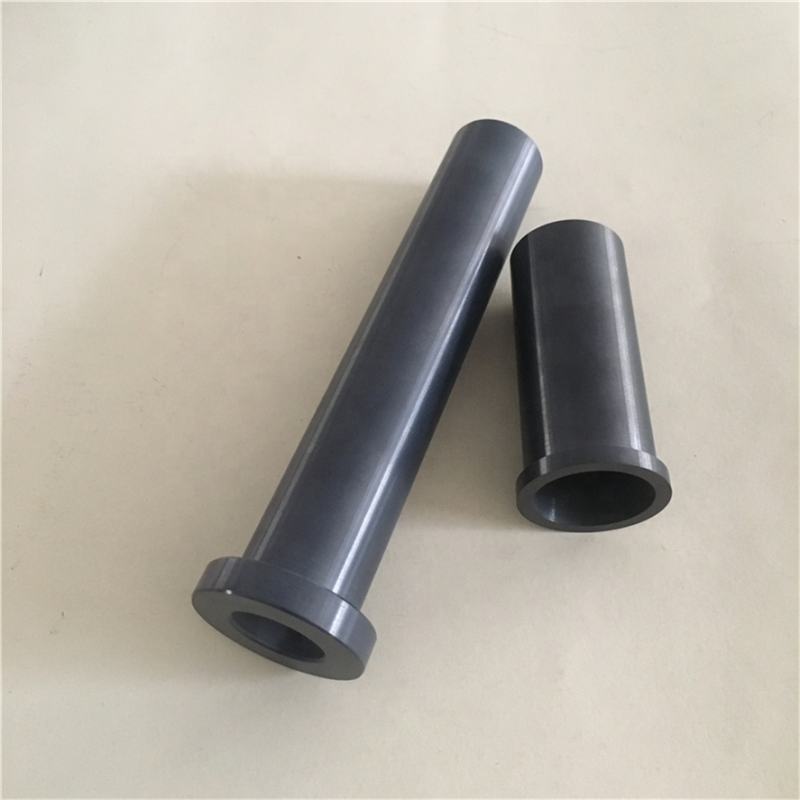
High Temperature Resistant Silicon Nitride Riser Tube for Low Pressure Casting
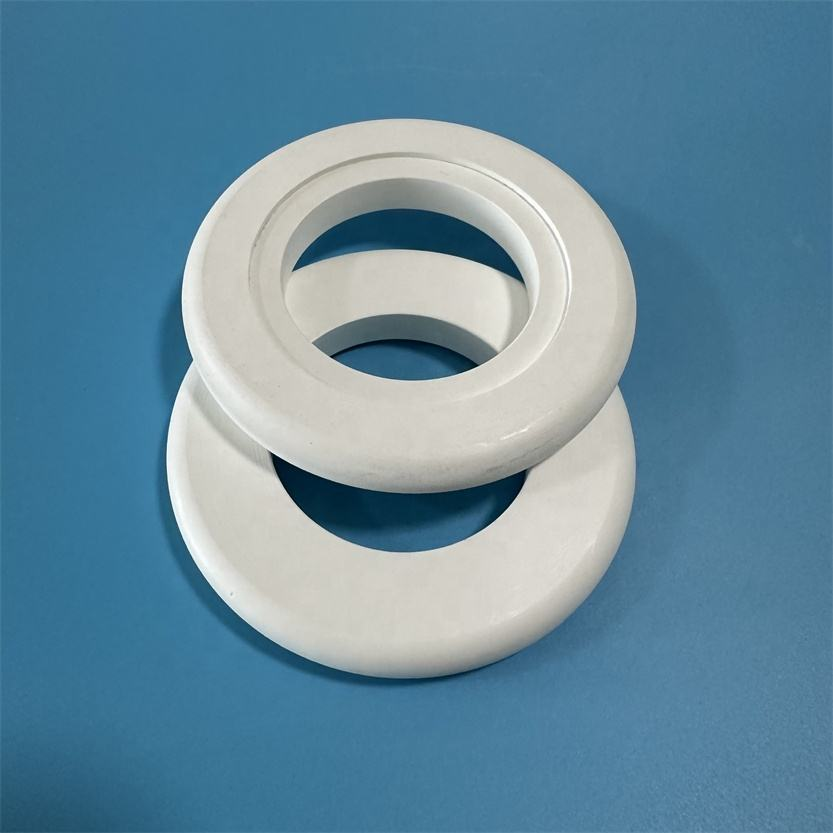
Customized Boron nitride ring Boron nitride part
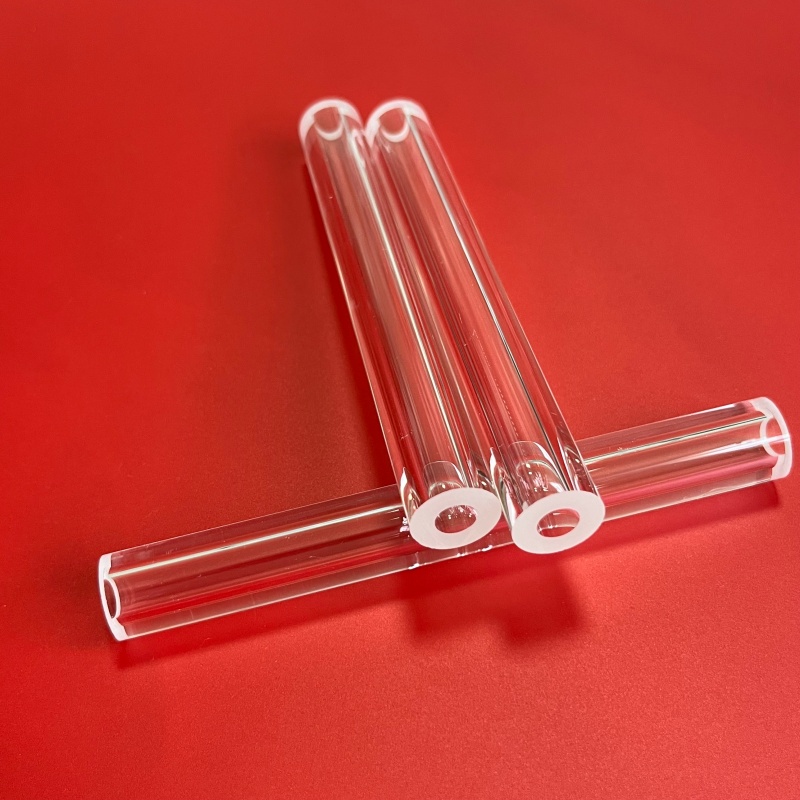
Customized High temperature resistance transparent quartz glass tube for heating
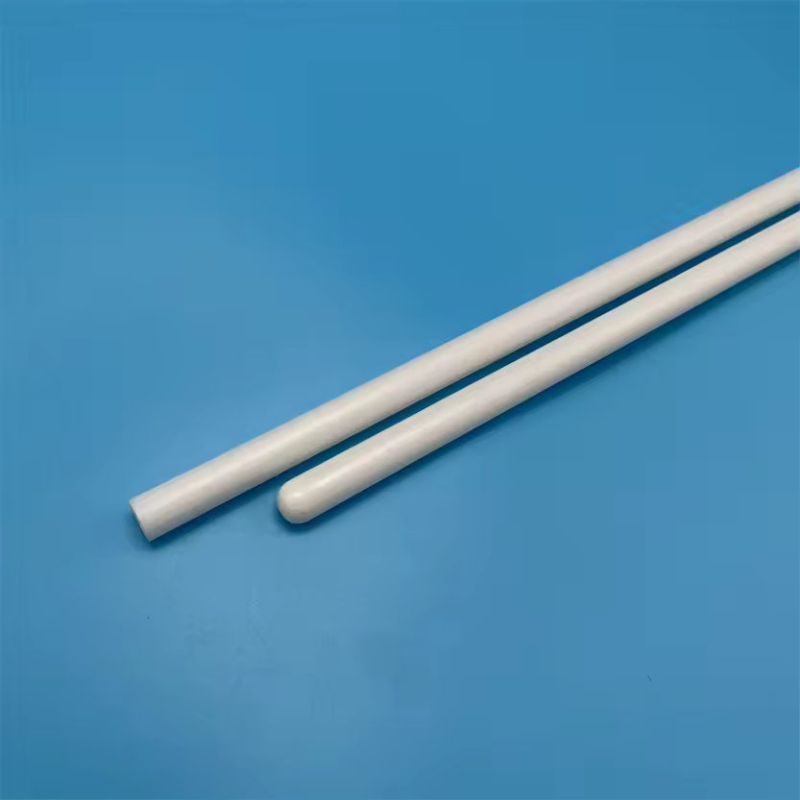
8mol Yttria-stablized YSZ Oxygen Sensor Zirconia Ceramic Tube ZrO2 One End Closed Sleeve


 EN
EN