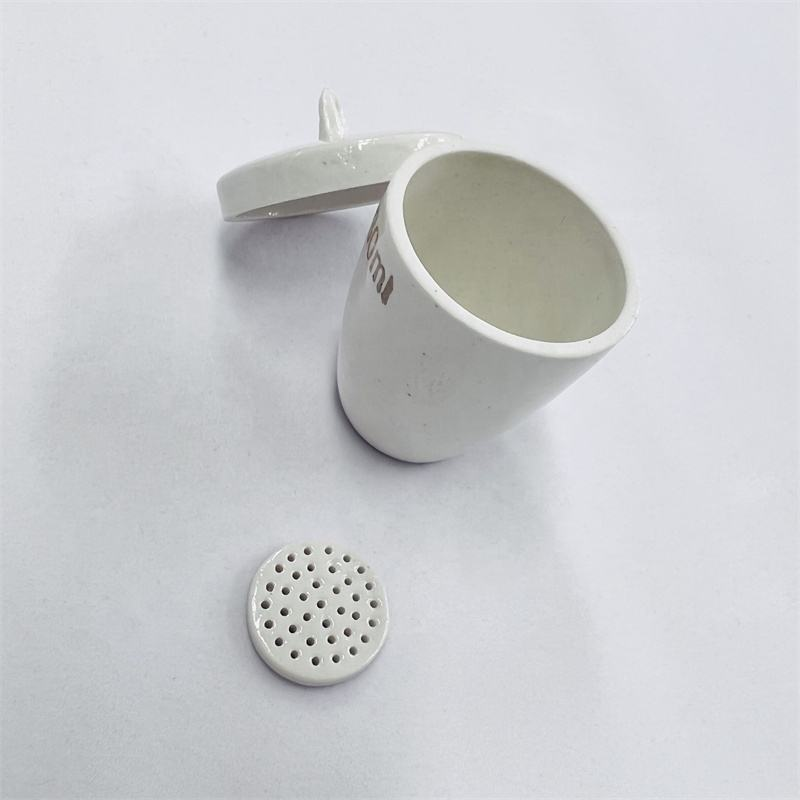
Product Details
Physical and chemical porcelain, also known as chemical porcelain or laboratory porcelain, is a special type of ceramic specifically designed for laboratory and industrial chemical environments. It mainly consists of 45%-55% alumina (Al₂O₃) and silica (SiO₂), belonging to the hard porcelain category, and is sintered at a high temperature of 1320℃.
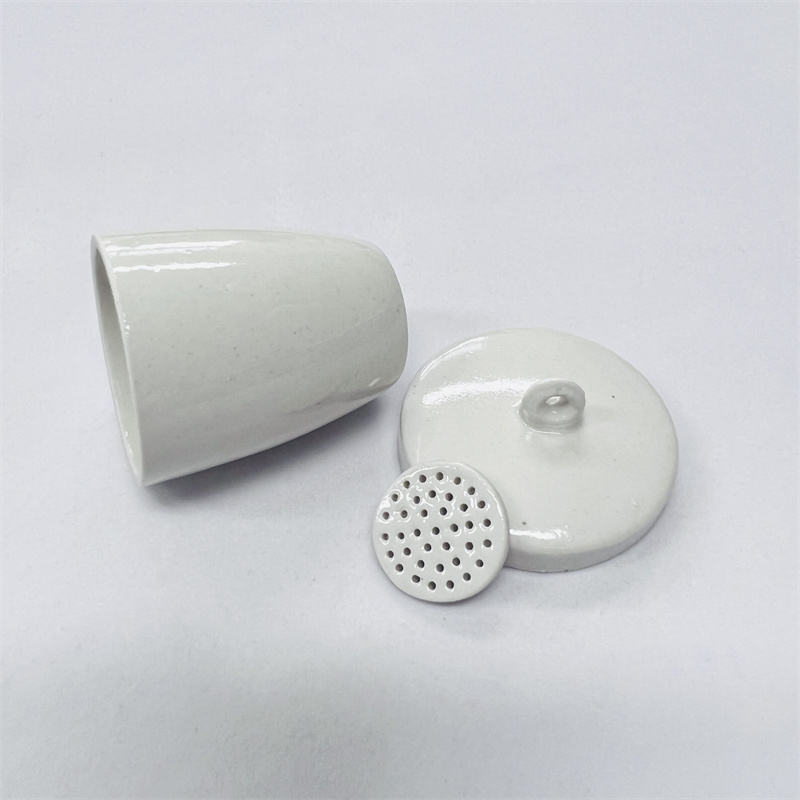
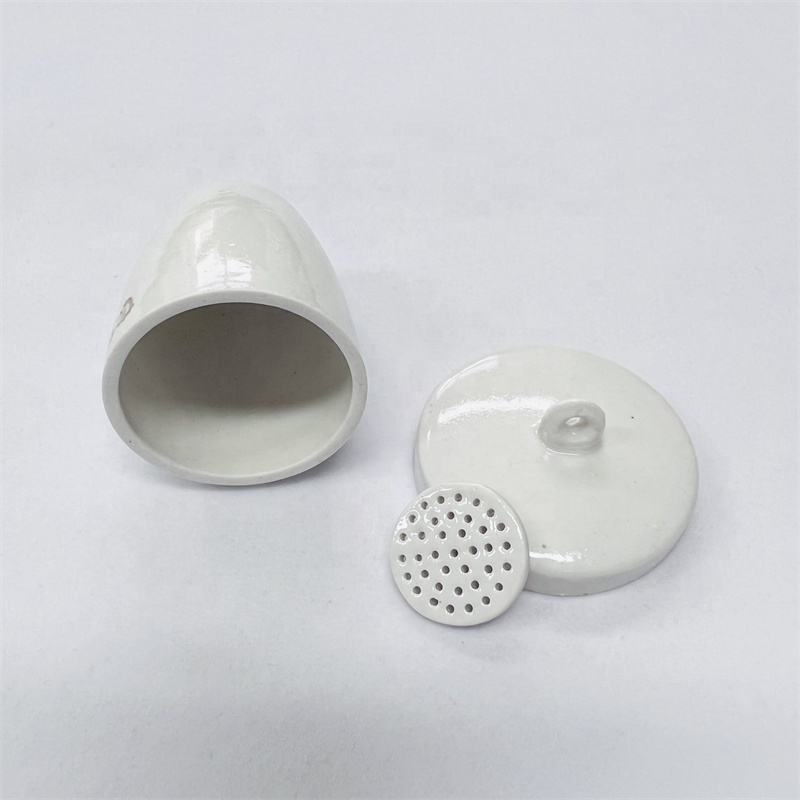
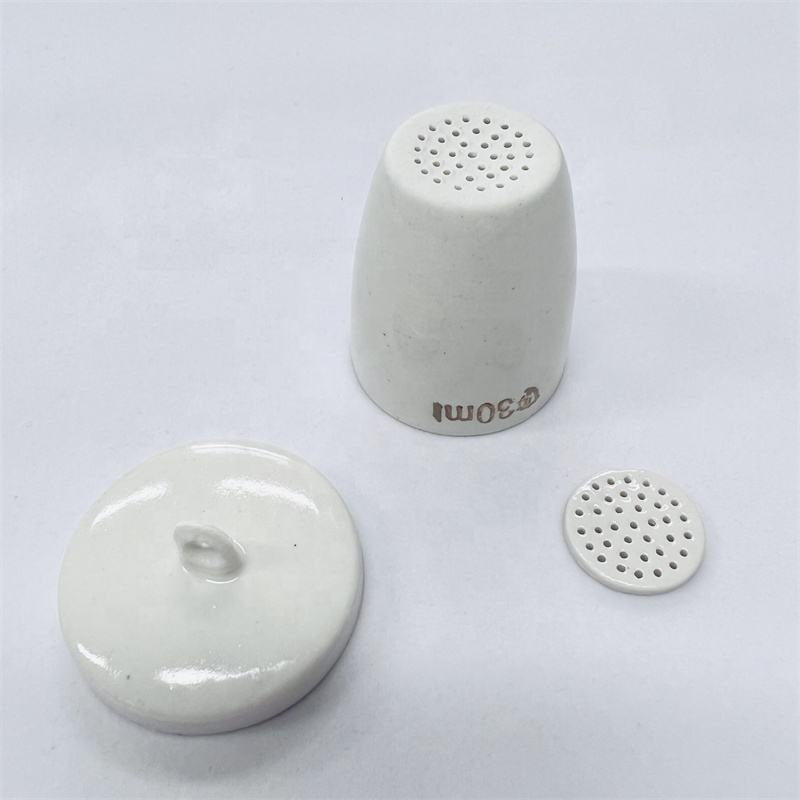
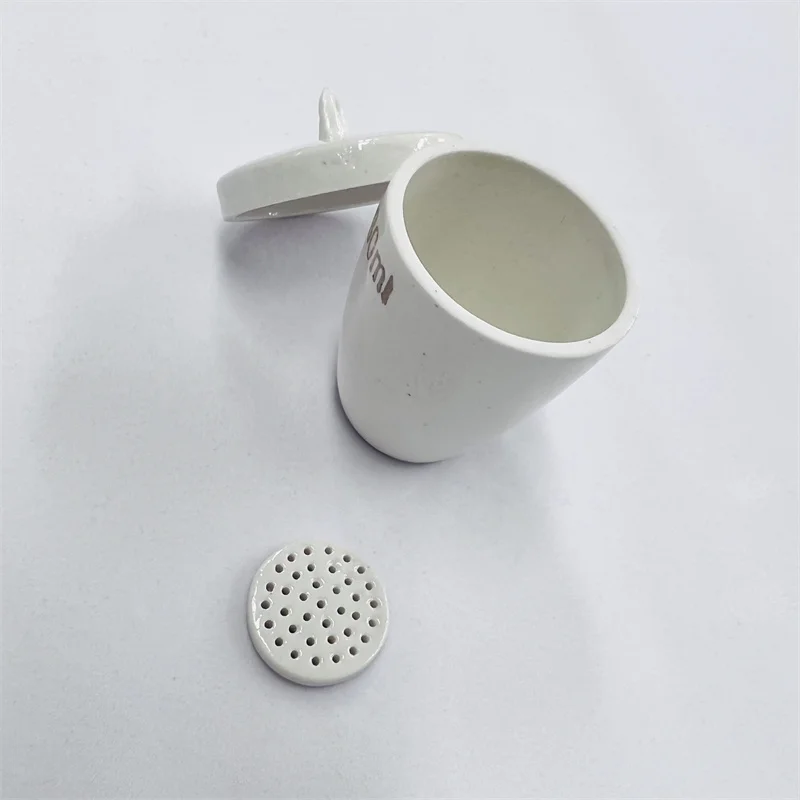
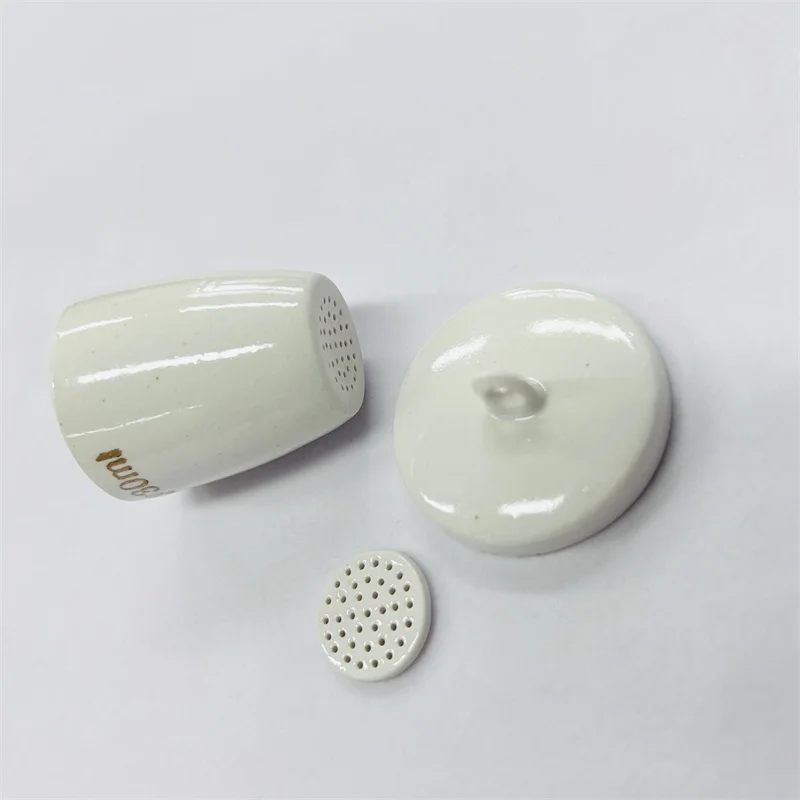
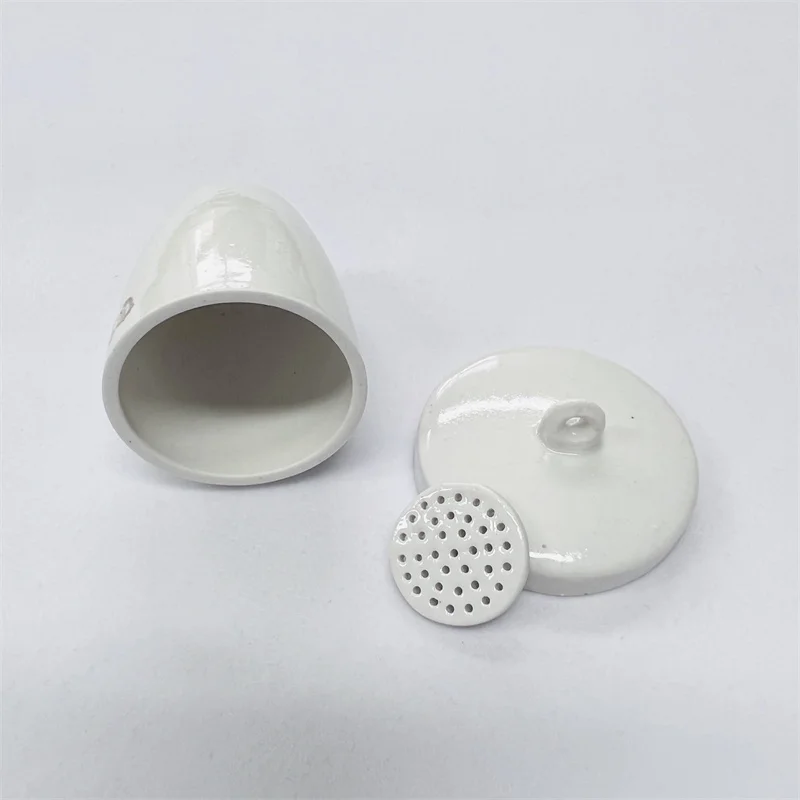
Porcelain Crucible, also known as ceramic crucible, is a common high-temperature laboratory container widely used in chemical analysis, metallurgy, material sintering, and ash content determination. It is made from ceramic raw materials such as kaolin and clay, fired at high temperatures, offering excellent thermal resistance and chemical stability.
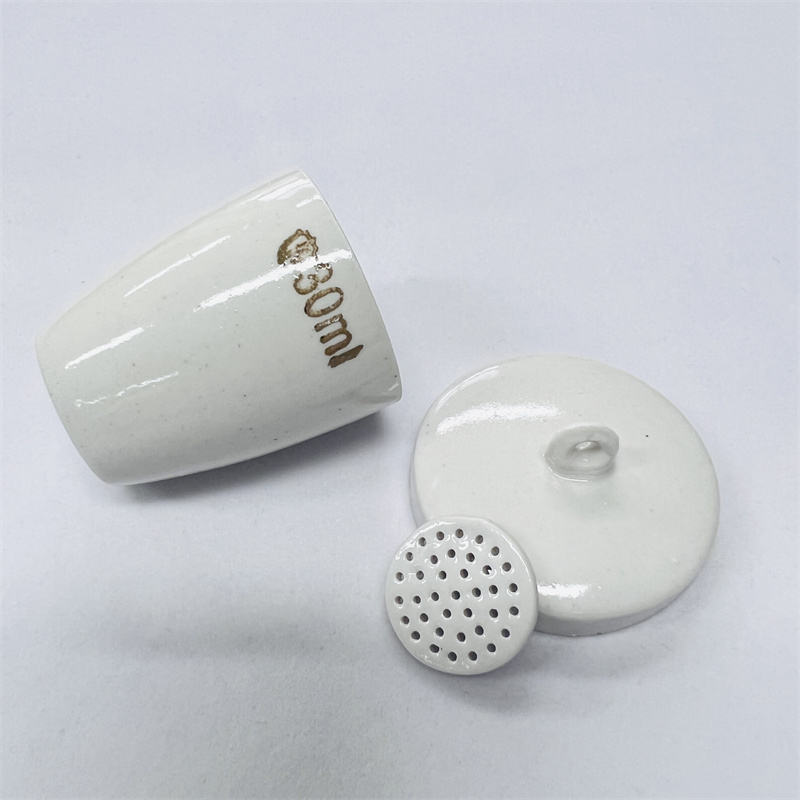
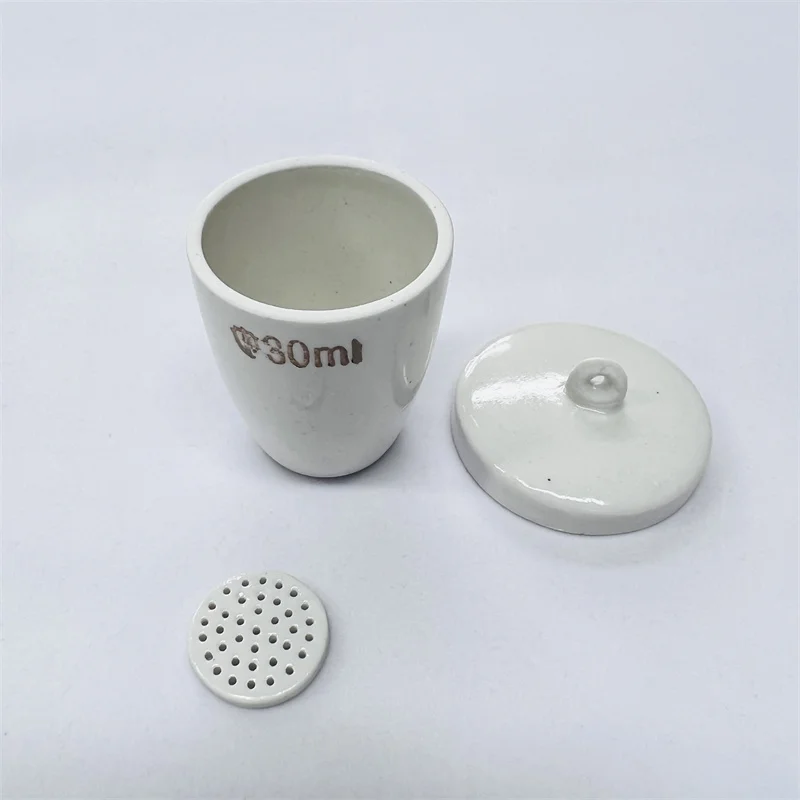
Chemical porcelain crucible is made of high-purity ceramic materials, primarily composed of 45%-55% alumina (Al₂O₃) and silica (SiO₂), classified as hard porcelain. It exhibits excellent resistance to chemical corrosion, thermal shock, and high mechanical strength. The maximum operating temperature is approximately 1200°C, with a long-term use limit of 1150°C and a firing temperature of 1320°C. This crucible is suitable for fusing acidic substances (e.g., K₂S₂O₇) but incompatible with alkaline fluxes like NaOH or Na₂O₂, which may cause corrosion. Cleaning can be performed by boiling in dilute hydrochloric acid. Common sizes include 20 ml, 30 ml, 40 ml, 50 ml, and 100 ml capacities.
2.Key Features
1. High temperature resistance: up to 1200–1400°C
2.Good chemical stability: resistant to acids and bases (except hydrofluoric acid)
3. Moderate mechanical strength, hard texture, smooth surface for easy cleaning
3.Primary Applications:
Used as a container to heat metals or other substances may be melted or subjected to very high temperatures .Must be able to contain elements, compounds, metals, organic compounds or other substances to be melted or subjected to very high temperatures to determine mass relationship in a chemical reaction.
1. Ignition of precipitates (e.g., barium sulfate, calcium carbonate)
2.Ash content determination (food, coal, herbal medicines, etc.)
3.Evaporation, concentration, or crystallization of solutions (when evaporating dish is unavailable)
4.Melting salts that do not react with porcelain
5.High-temperature calcination and heat treatment experiments
4.Application:
1. suitable for melting samples of acid substances such as K2S207.
2. Generally, it cannot be used to melt NaOH, Na202, Na2c03 and other basic substances as flux to avoid corrosion of porcelain crucible. Porcelain crucible cannot contact with hydrofluoric
acid.Generally, porcelain crucible can be washed by boiling with dilute hydrochloric acid.
5.Usage Precautions:
1. Can be heated directly by flame, but must be preheated to avoid thermal shock and cracking
2. Place on a clay triangle when heating; handle with crucible tongs
3. Never quench after heating – allow to cool naturally in a desiccator
4. Cover with lid during heating to prevent splashing, except when large amounts of gas are produced
5. Never expose to hydrofluoric acid (HF) – reacts with SiO₂, causing corrosion
6. Clean thoroughly after use; store in a dry place, protected from moisture or rain
7. Do not overfill; leave space to accommodate thermal expansion
6.Common Specifications:
Capacities: 10 mL, 15 mL, 25 mL, 50 mL, etc.
Shape: Cylindrical, with or without spout, comes with matching porcelain lid
7.Service Life:
Can be reused dozens of times with proper handling
Avoid mechanical impact and localized overheating to extend lifespan
8.Details Sheet:
| Shape | Cylindrical |
| Type | High/tall form |
| Capacity | 30 mL |
| Material | Porcelain, with the following dimensions |
| Height | 43 mm (min) |
| Base diameter | 24 mm (min) |
| Top diameter | 33 mm(min) |
| Brand | Cordial |
| Note | With uniform thickness and density |
| Glazed inside and out, except outside bottom and rim | |
| With crucible cover completely glazed except for rim | |
| Withstands temperatures up to 565- 800 degrees Centigrade | |
| Must be free from breakage, cracks, chipped and sharp edges/rims | |
| Parameter | Index |
| Material | High-purity aluminosilicate ceramic (SiO₂ 45-55%, Al₂O₃ 35-45%) |
| Temperature resistance range | Continuous use: 1000–1150℃Short-term peak: 1400–1600℃ (high-alumina grade) |
| thermal shock resistance | 3 cycles of 1200℃→ambient water quench without cracking (CNAS test)Heating/cooling rate ≤200℃/h recommended |
Chemical compatibility |
- Resistant to strong acids (except HF)- Resistant to cold dilute alkalis, not resistant to hot concentrated alkalis or molten alkaline salts- Not resistant to hot concentrated phosphoric acid |
| dimensions | - Capacity: 1.3–250 mL- Diameter: 15–88 mm- Height: 15–72 mm- Types: Low form, Medium form, Tall form |
| mechanical property | - Compressive strength: ≥50 MPa- Flexural strength: Not specified (reference ceramic: 30–50 MPa)- Mohs hardness: 7 |
| surface quality | - Smooth glaze with ≤0.5% bubbles- Dimension tolerance ≤±1% |
| Product Applications Scenarios | - High-temperature ashing, melting (e.g., K₂S₂O₇ acid fusion)- Gravimetric analysis, quantitative ignition- Metal oxide synthesis |
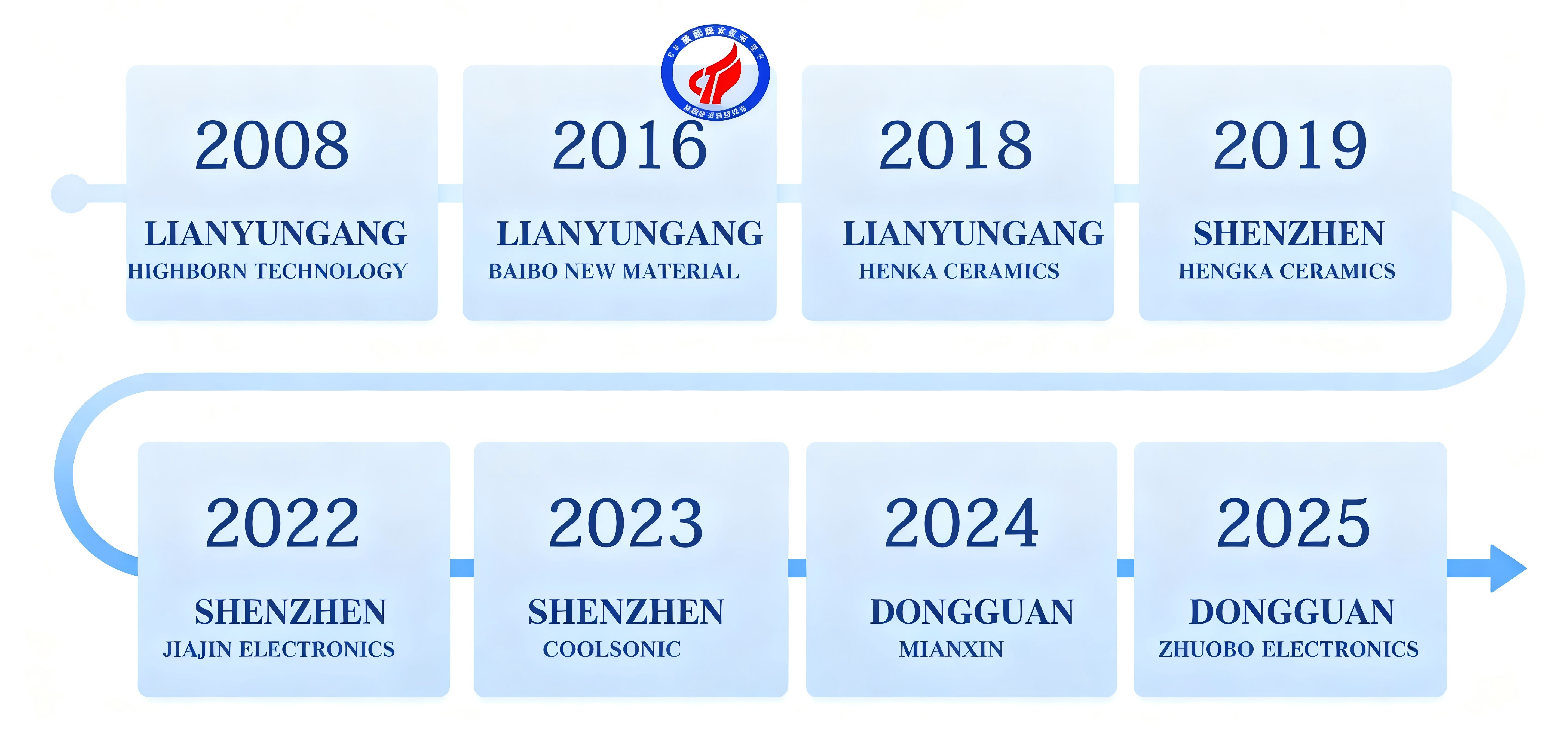
Development History
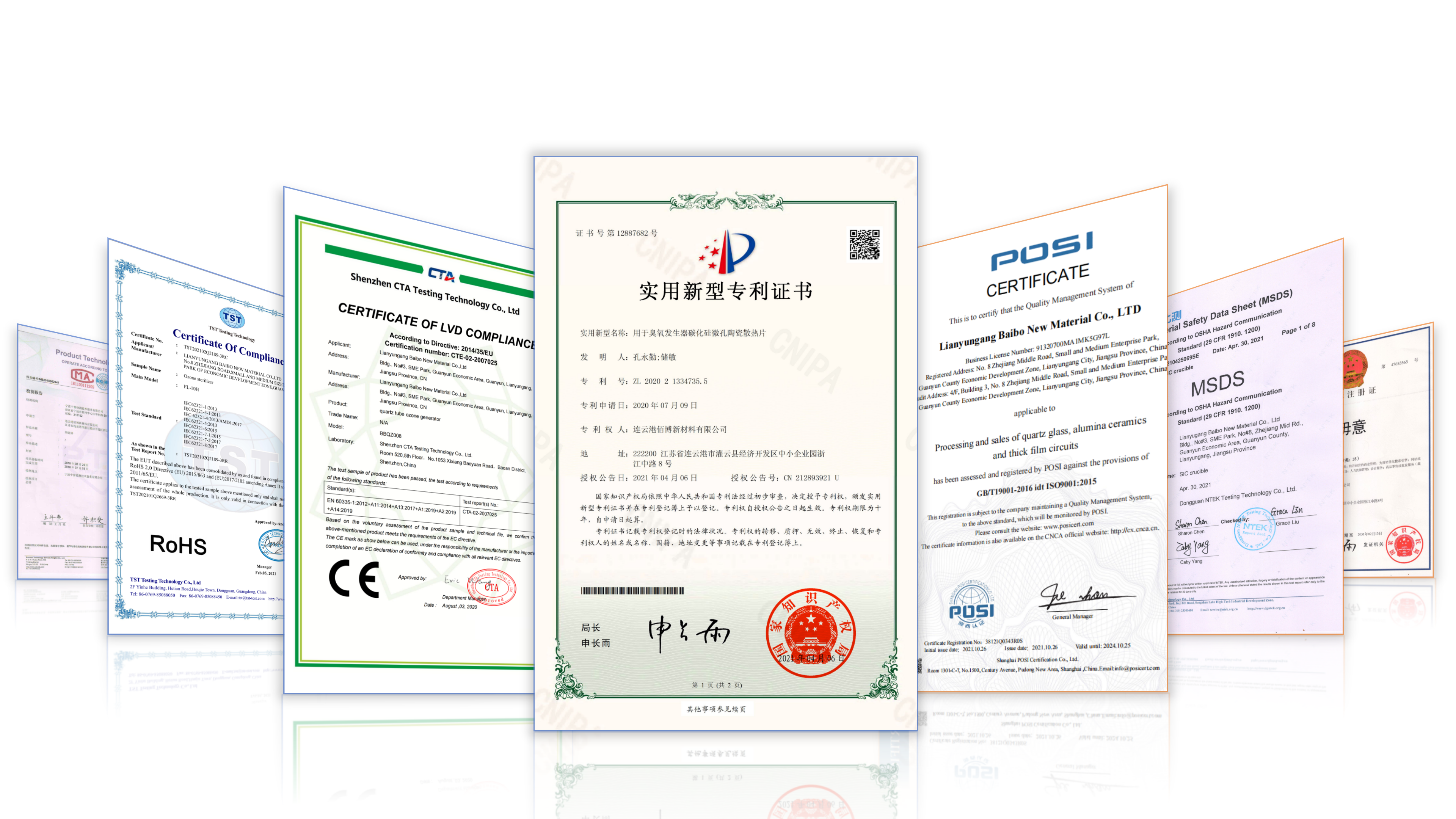
Patents and certification
Package
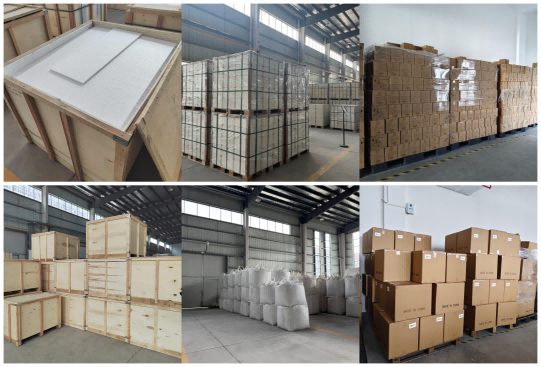
We adopt scientific and standardized packaging solutions tailored to product characteristics to effectively prevent collision, extrusion, dust and moisture damage. With mature global transportation system and strict shipment inspection procedures, we ensure all products remain intact and stable during long-distance delivery, providing customers with safe, efficient and reliable one-stop logistics service.
Services
FAQ
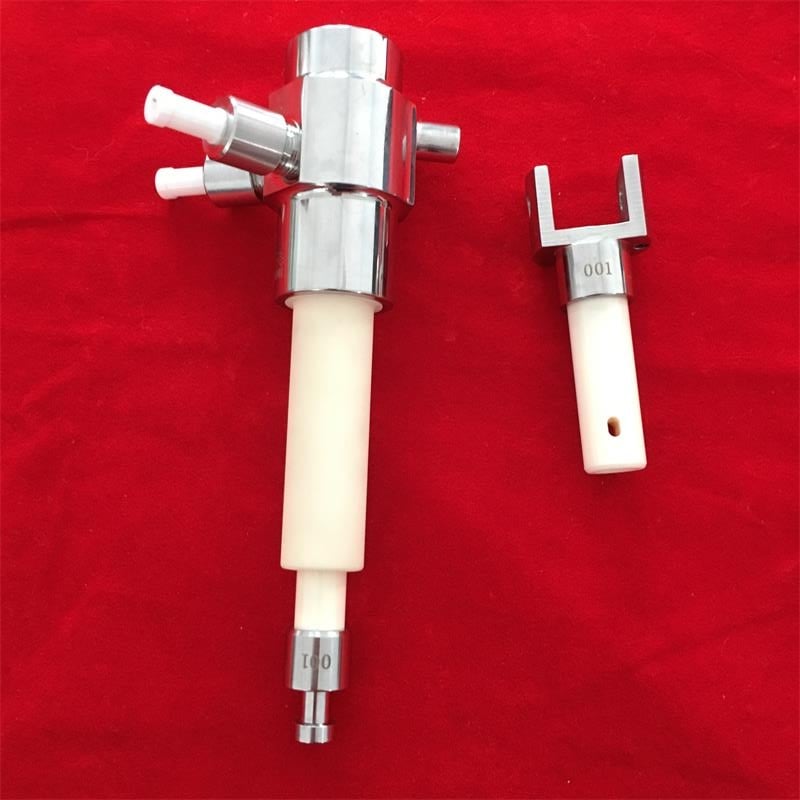
Alumina Ceramic Plunger Precision filling for Food and Cosmetics Industry
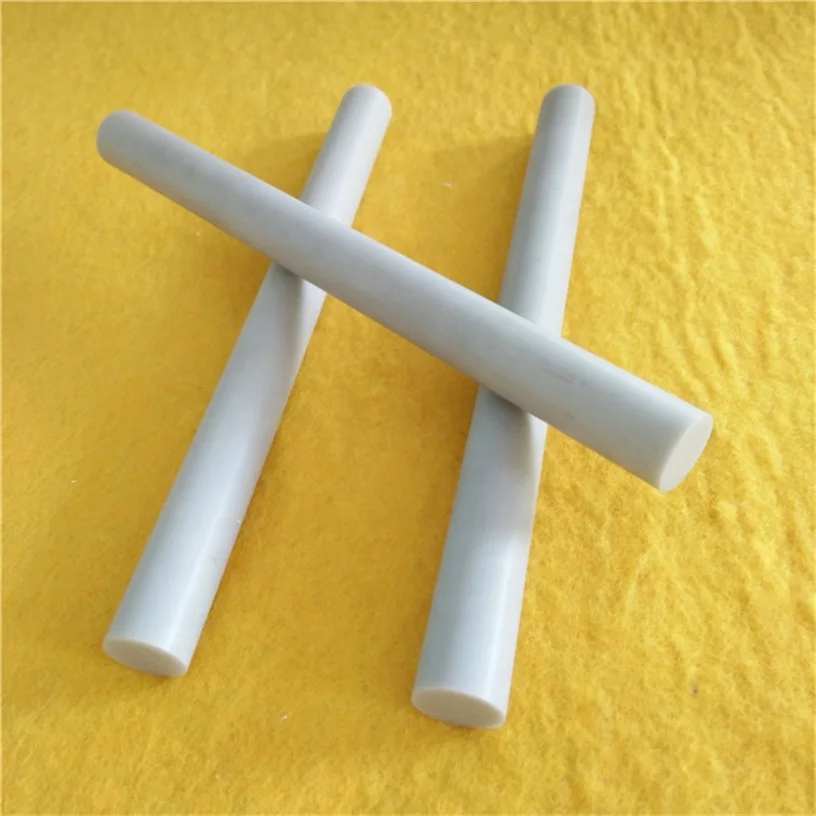
Aluminum Nitride Rod High Thermal Conductivity for Electronics & Semiconductor Cooling
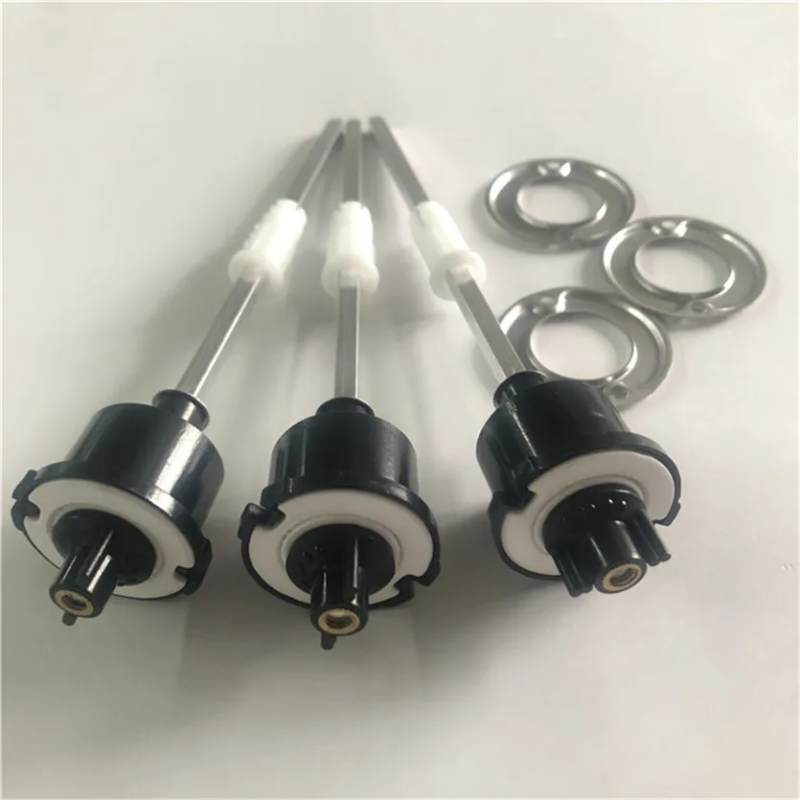
Alumina Ceramic Grinder Core Coffee Grinder Core Aluminum Rod Accessories Pepper Grinder Kit Complete Set with Aluminum Rod Core
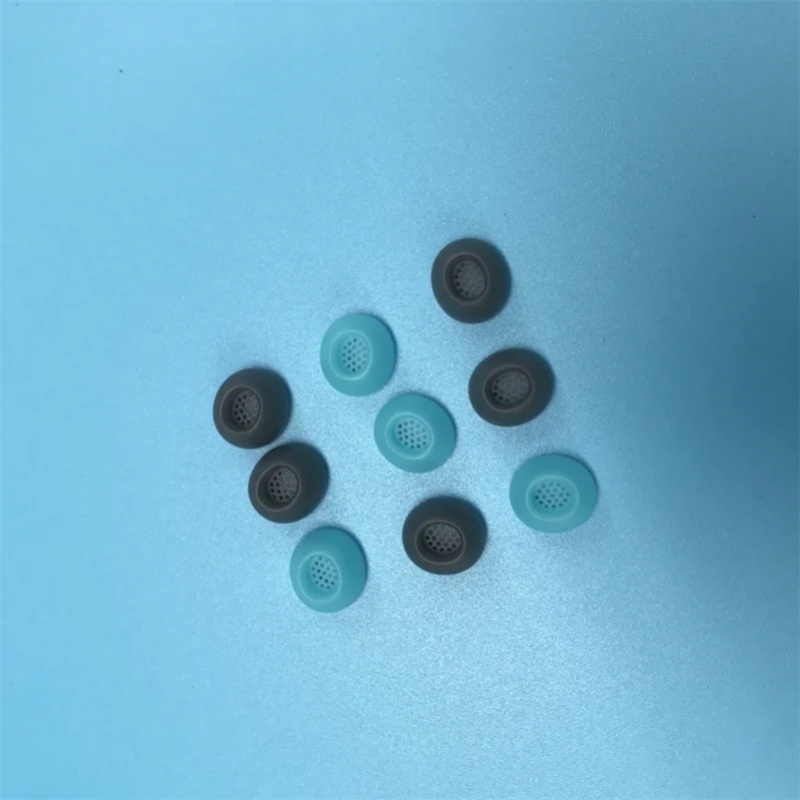
Eartip Noise Reduction Round Eargels Silicone Rubber Cover Ear Tips


 EN
EN