Home > Products > Industrial Ceramics > Machinable Glass Ceramic
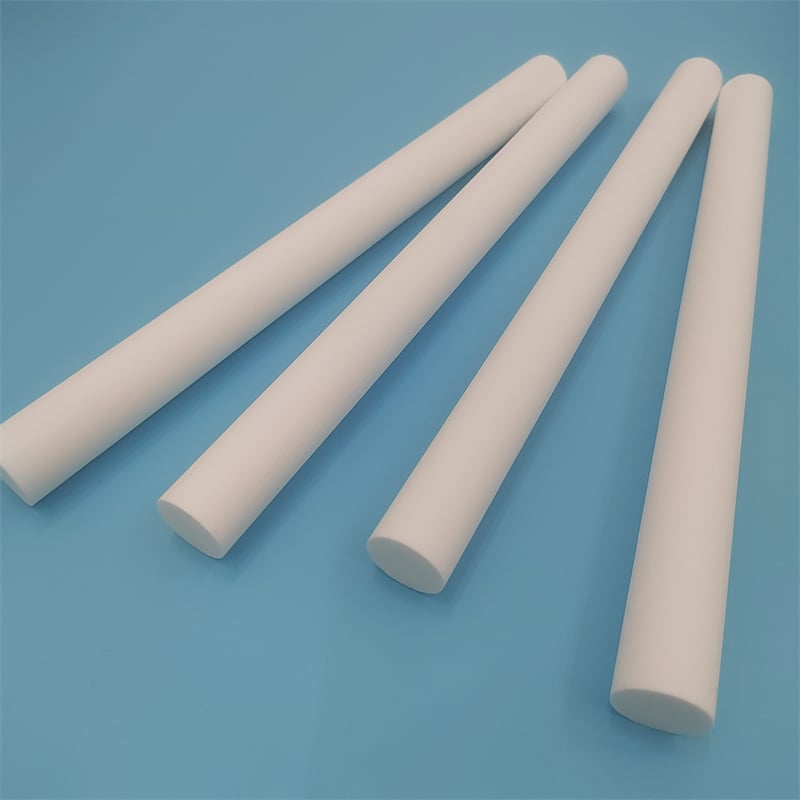
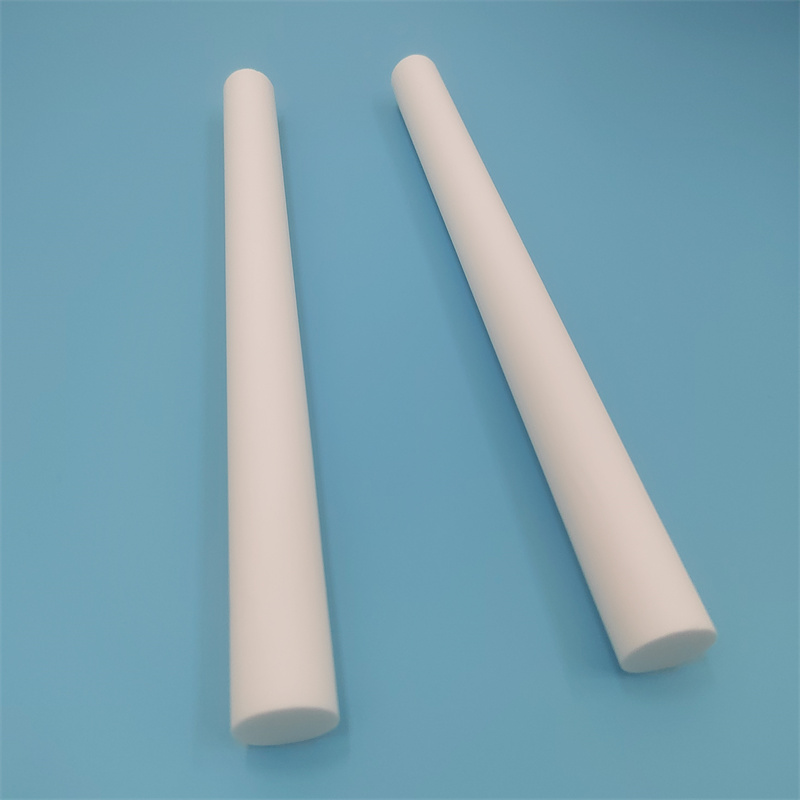
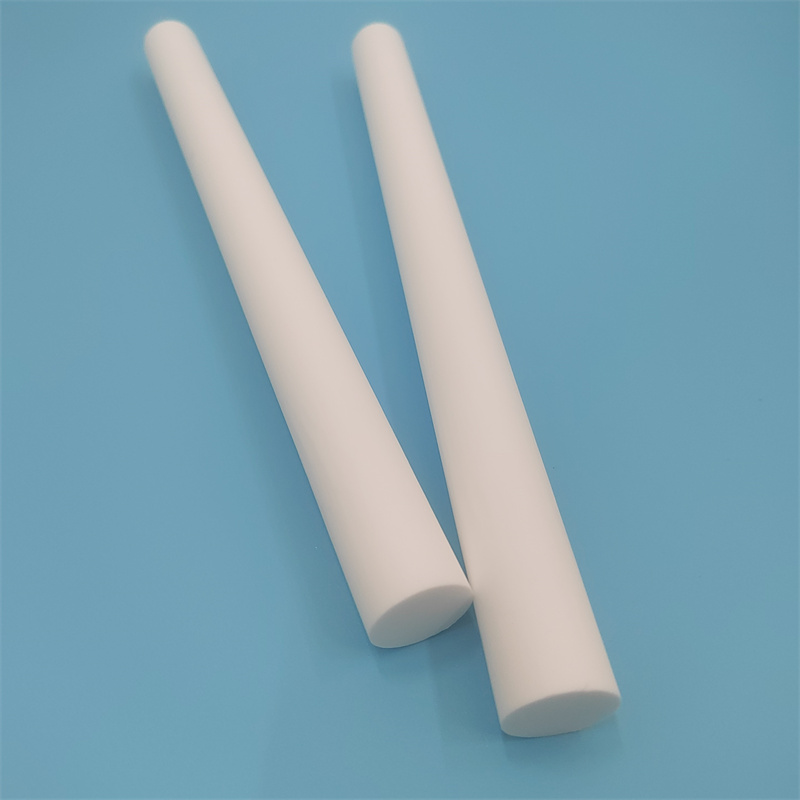
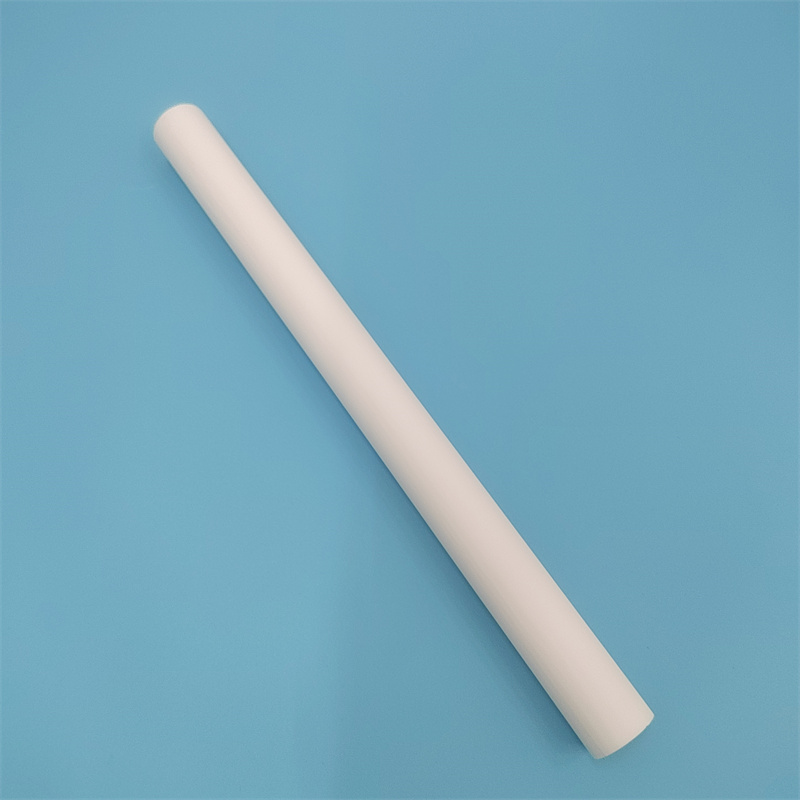
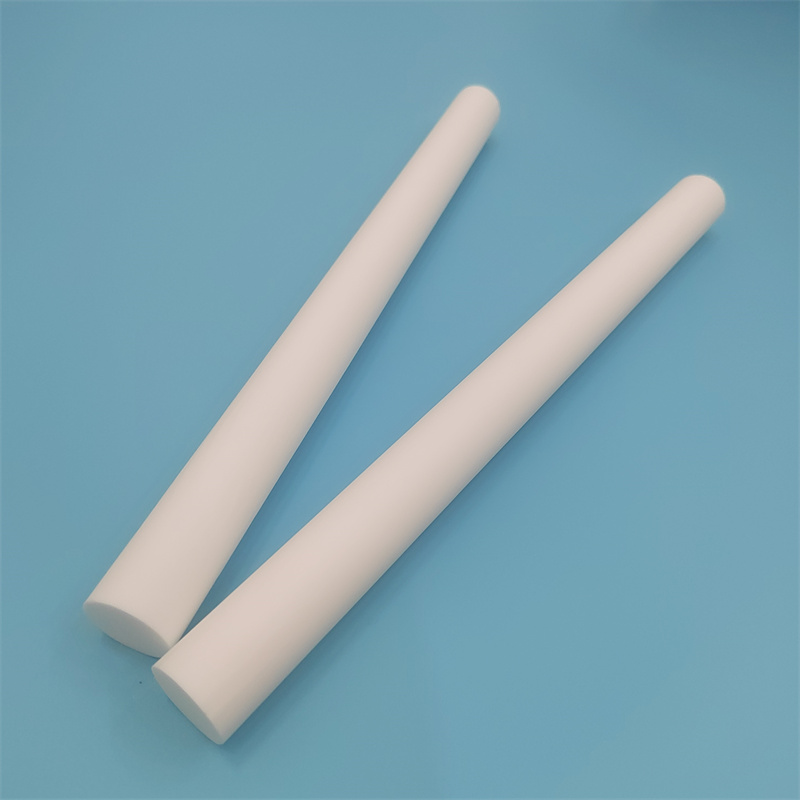
Unique Machinability
• Processable with standard metalworking tools (lathe, mill, drill, saw, tap, grind, polish)-no diamond grinders required like traditional sintered ceramics.
• No post-firing / annealing after machining, shortening prototype & custom part lead times greatly.
• Supports complex geometries, internal threads, thin walls and fine microstructures without cracking during cutting.
Thermal Properties
• High temperature stability: continuous service at 800 Celsius, short peak load up to 1000 Celsius; no creep, softening or permanent deformation at high heat
• Low thermal conductivity , acting as reliable high-temperature thermal barrier.
• Good thermal shock resistance: withstands rapid quenching from 800 °C to room temperature without fracture.
Typical Application Fields
Semiconductor equipment, aerospace sensor brackets, vacuum chamber parts,
precision fixtures, high-voltage insulation components, optical instrument bases, etc.
1. Overview of Machinable Glass Ceramic
1.1 General introduction
Machinable mica glass-ceramic is a dual-phase inorganic composite, that merges the formability of glass with the high-temperature, insulating stability of advanced ceramics. It is often referred to as glass ceramic due to its distinctive large mica crystalline microstructure enabling easy mechanical cutting.
1.2. Chemical Composition & Microstructure
• Dual-phase structure: ~55% fluorophlogopite mica crystals embedded uniformly within a 45% borosilicate glass matrix.
• Mica flakes form interlocking layered microchannels; cracks deflect along mica layers during cutting, preventing catastrophic shattering—this is the core mechanism behind its unique machinability.
• Fully dense, zero open porosity, solid white porcelain-like bulk material with a non-wetting smooth surface.
• Density: 2.6 g/cm³, lighter than alumina ceramic.
2. Manufacturing Process
2.1 Raw Material Batching & Mixing
Alumino-borosilicate glass system with fluorine additives for mica formation:
• Silica (SiO₂), boric oxide (B₂O₃), alumina (Al₂O₃) – glass matrix precursors
• Magnesium, potassium, fluorine compounds – nucleating agents for fluorphlogopite mica (KMg₃AlSi₃O₁₀F₂)
• Strictly proportioned to reach final 55% mica crystal / 45% residual glass volume ratio.
2.2 High Temperature Glass melting
Step A: Feed mixed batch into refractory melting furnaces at 1450–1550 °C.
Step B: Hold long enough for full homogenization and bubble elimination (fining stage).
Step C: Form homogeneous fluorine-rich molten glass.
Step D: Control melt viscosity precisely for defect-free casting.
2.3 Casting & Controlled Cooling (Phase Separation)
Step A: Pour molten glass into graphite/metal moulds to cast large solid blanks: slabs, blocks, thick rods.
Step B:Slow, programmed cooling triggers liquid-liquid phase separation: fluorine-rich nano-droplets disperse evenly inside the borosilicate glass base.
Step C: Cooled blank appears milky opalescent glass, fully amorphous before crystallization.
Step D: Anneal cast blanks to eliminate internal thermal stress and prevent cracking in later heat treatment.
2.4 Controlled heat treatment (ceramming)
This process is to trigger controlled crystallization of fluorophlogopite mica inside the glass body.
2.5. Blank Cutting & Stock Shaping
Saw large cerammed slabs into standard semi-finished stock: sheets, rectangular bars, round rods, discs; Grind flat surfaces to uniform dimensional standards for commercial supply; Inspect for internal defects (cracks, bubbles, uneven crystallization) via ultrasonic/visual testing; reject defective blanks.This semi-finished stock is the raw material sent to component manufacturers.
3. Core Performance Profile
3.1 Machinability (Defining Feature)
• Can be processed with standard high-speed steel or carbide metalworking tools (lathe, mill, drill, tap, grind, polish)—no expensive diamond grinders needed for basic shaping.
• Achieves ultra-precise dimensional tolerance down to ±0.013 mm; mirror polishing yields Ra < 0.013 μm.
• Supports fine features: tiny internal threads (M1.2), thin walls, complex 3D geometries without cracking.
• Fast prototyping and low small-batch cost compared to sintered technical ceramics.
3.2 Thermal Properties
• Continuous service temperature: 800 °C; short peak temperature resistance up to 1000 °C.
• Excellent thermal shock resistance: withstands rapid cooling from high working temperature to room temperature.
• Low thermal conductivity, acting as an effective high-temperature thermal barrier.
• Tunable low coefficient of thermal expansion (CTE), compatible for brazing/sealing with common metals and optical glass.
3.3 Electrical Insulation
• Ultra-high volume resistivity (10¹⁴–10¹⁵ Ω·cm at room temperature) across wide temperature and frequency ranges.
• High dielectric strength (~45 kV/mm) and extremely low dielectric loss, ideal for high-voltage, high-frequency electronic insulation.
• Insulating performance remains stable at elevated temperatures where polymers degrade.
3.4 Chemical & Vacuum Compatibility
• Resistant to most acids, alkalis, organic solvents and oils; only vulnerable to hydrofluoric acid and molten alkali metals.
• Ultra-low outgassing rate after baking, zero trapped gas pores—fully compatible with ultra-high vacuum (UHV) chambers for semiconductor and optical systems.
• Radiation-stable under X-ray, gamma and particle irradiation, suitable for nuclear and aerospace environments.
3.5 Mechanical & Safety
• High compressive strength (~3450 MPa), moderate tensile strength (~345 MPa); mica laminates stop crack propagation for improved toughness.
• Non-toxic, clean inorganic material with no volatile organics.
• Machining dust is a mild irritant, requiring standard ventilation controls.
4. Key Limitations
• Not suitable for long-term exposure above 800 °C.
• Susceptible to etching by hydrofluoric acid.
• Lower hardness and wear resistance than alumina or silicon carbide ceramics for heavy abrasion applications.
5. Main Industrial Applications
5.1. Vacuum & Semiconductor: UHV chamber fixtures, feedthrough insulators, thermal spacers, wafer handling parts.
5.2. Aerospace & Spacecraft: Satellite sensor supports, shuttle thermal insulation brackets, radiation-stable structural components.
5.3. High-Voltage Electronics: Coil formers, power supply insulators, laser cavity spacers.
5.4. Optics & Precision Instruments: Optical bench bases, mirror mounts, metrology fixtures.
5.5. Medical & Nuclear: Radiation test blocks, non-contaminating precision lab jigs, radiation shielding fixtures.
6. Material Positioning
Machinable glass ceramic is a unique performance gap between plastics, metals and sintered ceramics: it delivers ceramic-level thermal/electrical stability while retaining the rapid, low-cost machinability of soft metals, making it the preferred material for custom, low-to-medium volume precision parts operating in high-temperature, vacuum or high-voltage harsh environments.
| Machinable Glass Ceramic | ||
| Property Content | Property Index | Instruction |
| Density | 2.6g/cm³ | |
| Apparent Porosity | 0.069% | |
| Water Absorption | 0 | |
| Hardness | 4~5 | Mohs |
| Color | White | |
| Coefficient of Thermal Expansion | 72×10⁻⁷ /℃ | -50℃ to 200℃ average |
| Thermal Conductivity | 1.71W/m·k | 25℃ |
| Long Working Temperature | 800℃ | |
| Flexural Strength | >108MPa | |
| Compression Strength | >508MPa | |
| Impact Toughness | >2.56KJ/m² | |
| Modulus of Elasticity | 65GPa | |
| Dielectric Loss | 1~4×10⁻³ | Room Temperature |
| Dielectric Constant | 6~7 | " |
| Puncture Strength | >40KV/mm | Sample Thickness 1mm |
| Volume Resistance | 1.08×10¹⁶Ω·cm | 25℃ |
| 1.5×10¹²Ω·cm | 200℃ | |
| 1.1×10⁹Ω·cm | 500℃ | |
| Normal Temperature Gas Efficiency | 8.8×10⁻⁹ml/s·cm² | Vacuum Burn-in 8 hours |
| Helium Through Rate | 1×10⁻¹⁰ml/s | 500℃ firing, cooling |
| 5%HC1 | 0.26mg/cm² | 95℃,24hours |
| 5%HF | 83mg/cm² | " |
| 50%Na₂CO₃ | 0.012mg/cm² | " |
| 5%NaOH | 0.85mg/cm² | " |
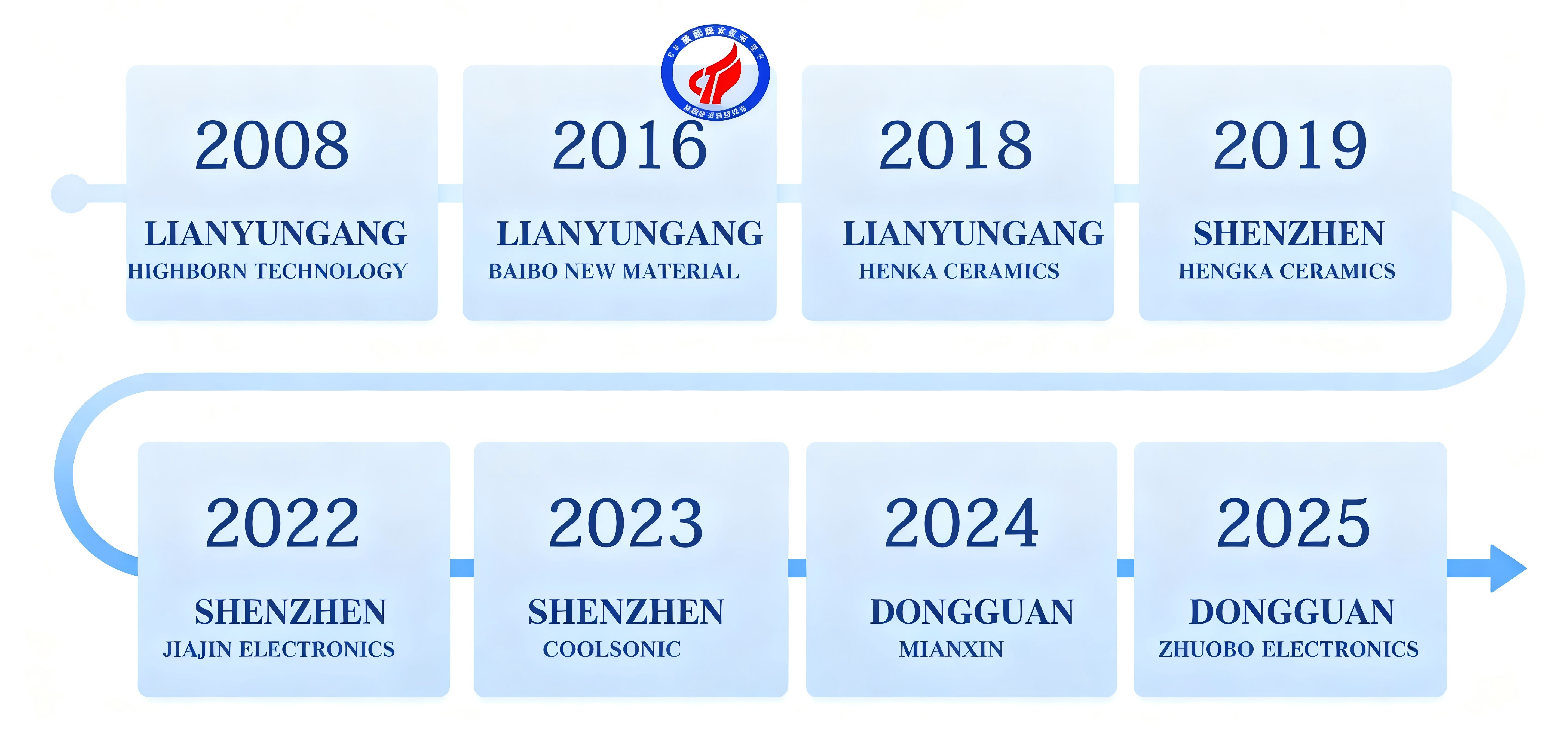
Development History
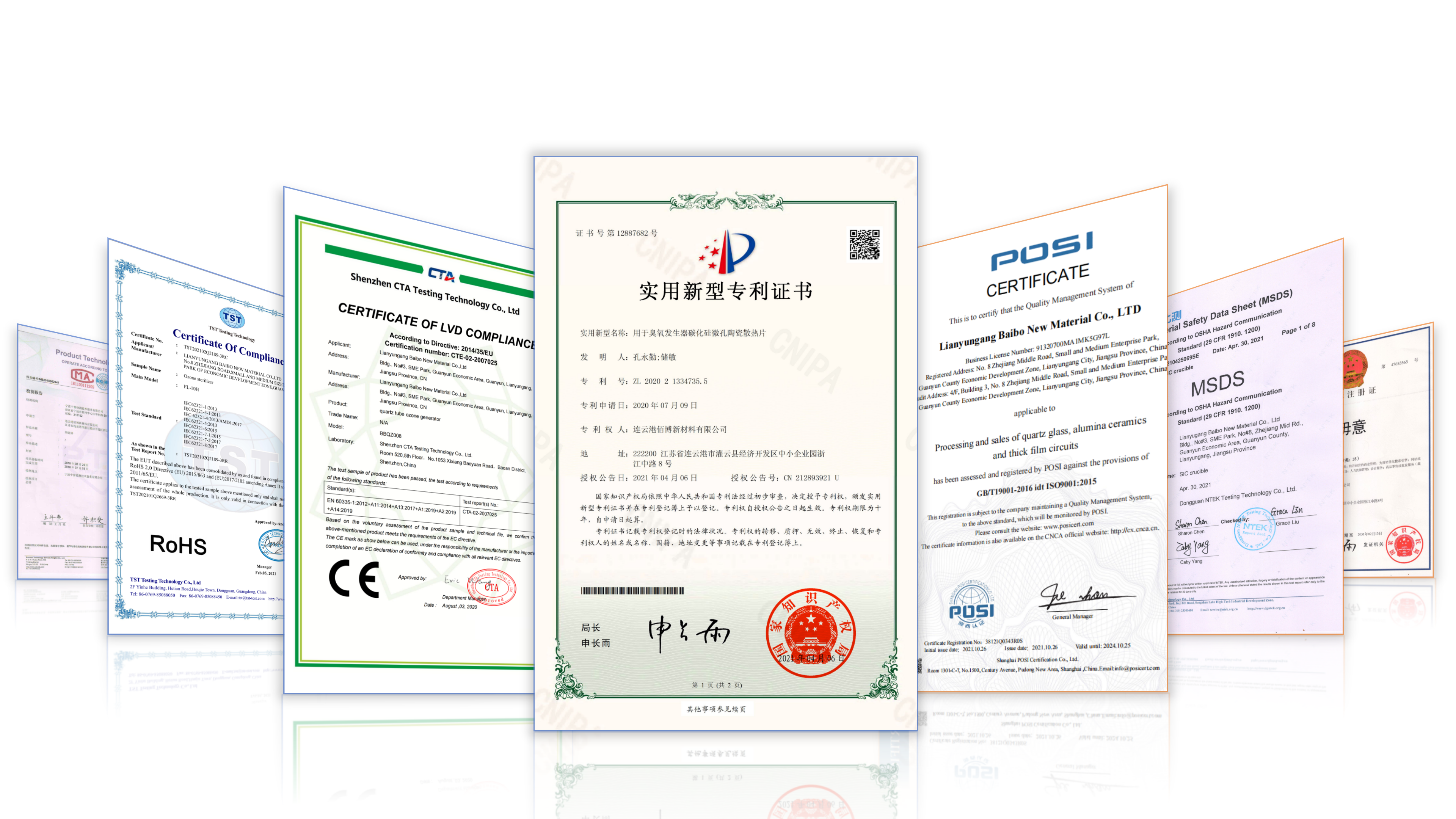
Patents and certification
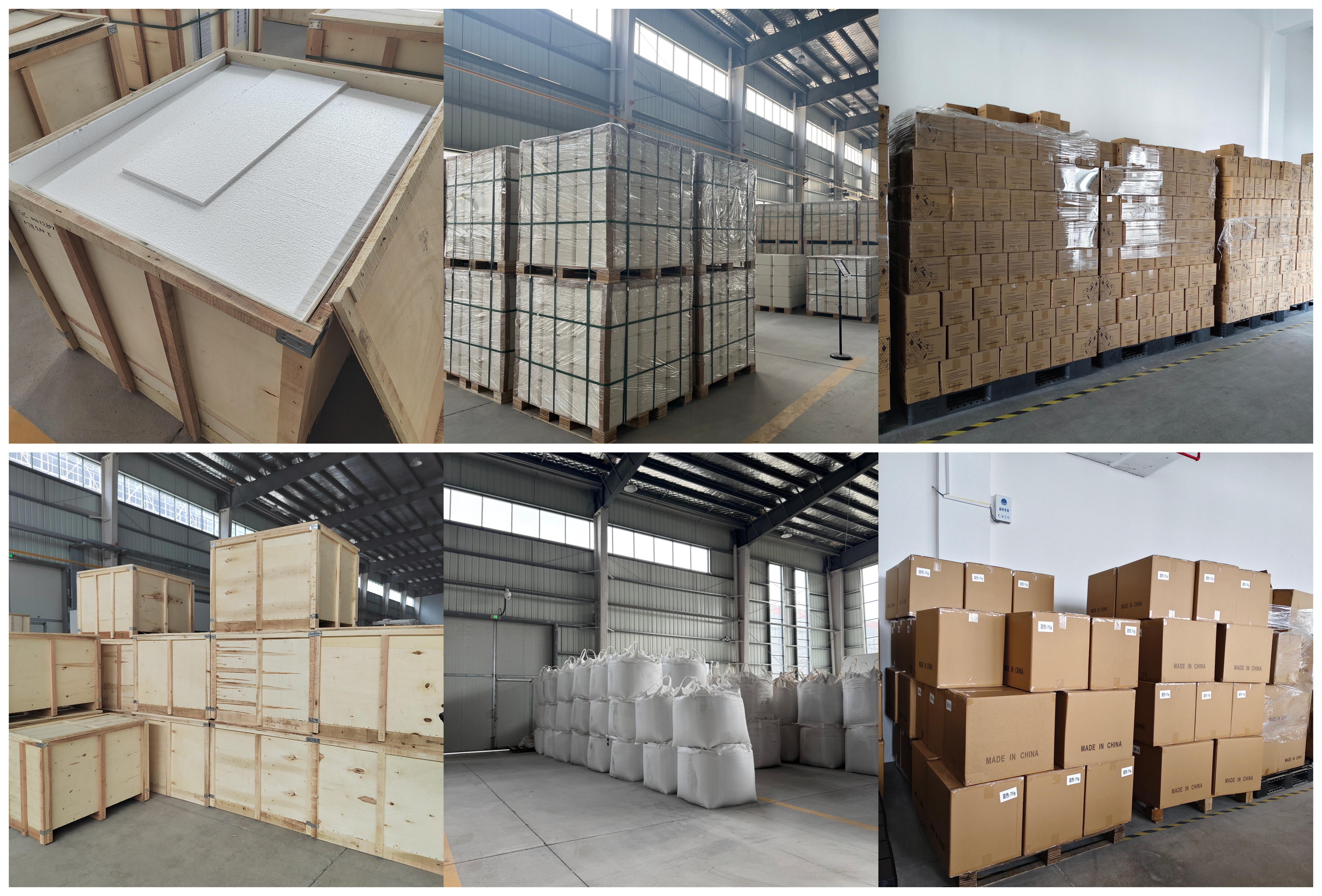
Package
Services
FAQ
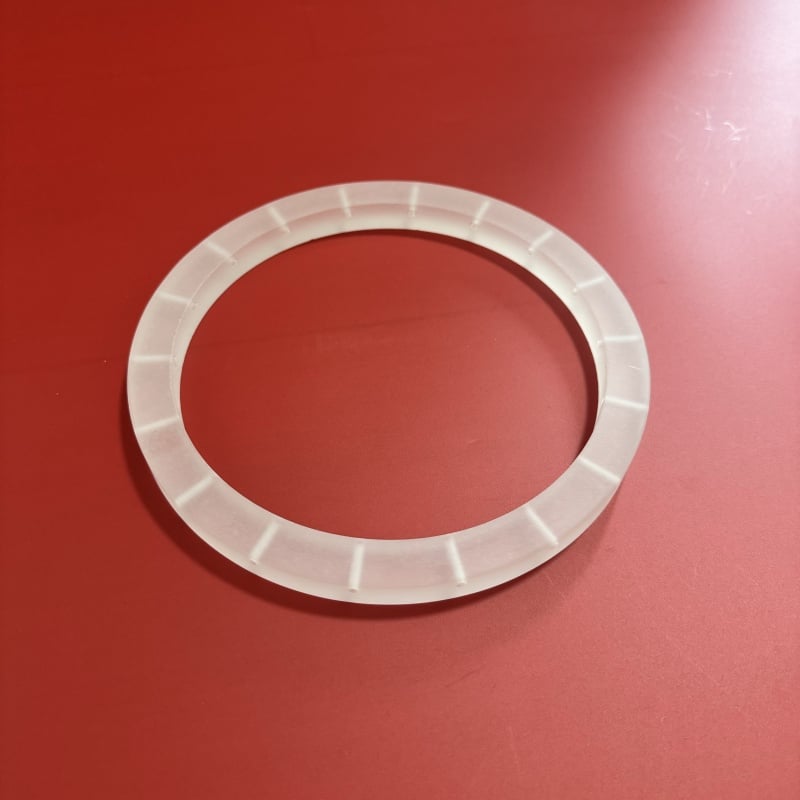
Frosted Quartz Glass Flange for sealing or connecting components
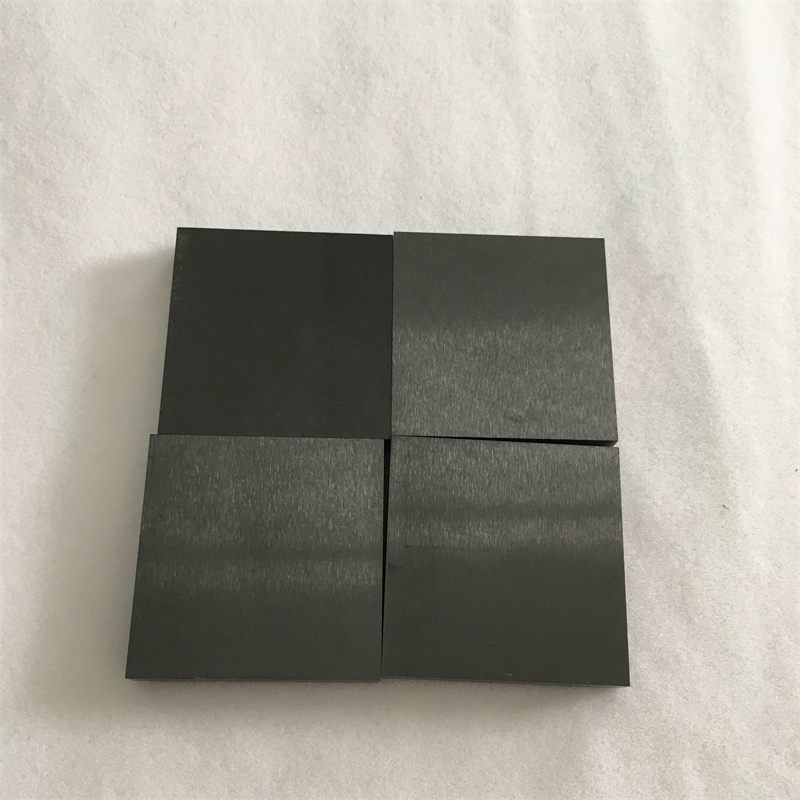
High Hardness Insulation Silicon Nitride Ceramic Plate for Automotive Industry
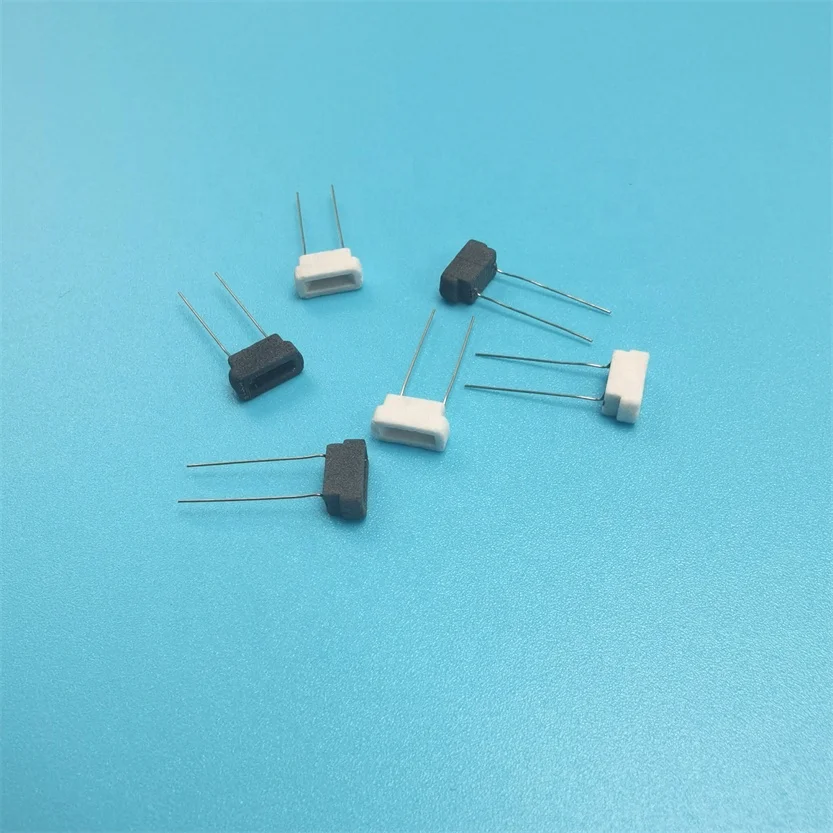
Stable Absorption Volatilization Porous Ceramic Insert Atomizing Core
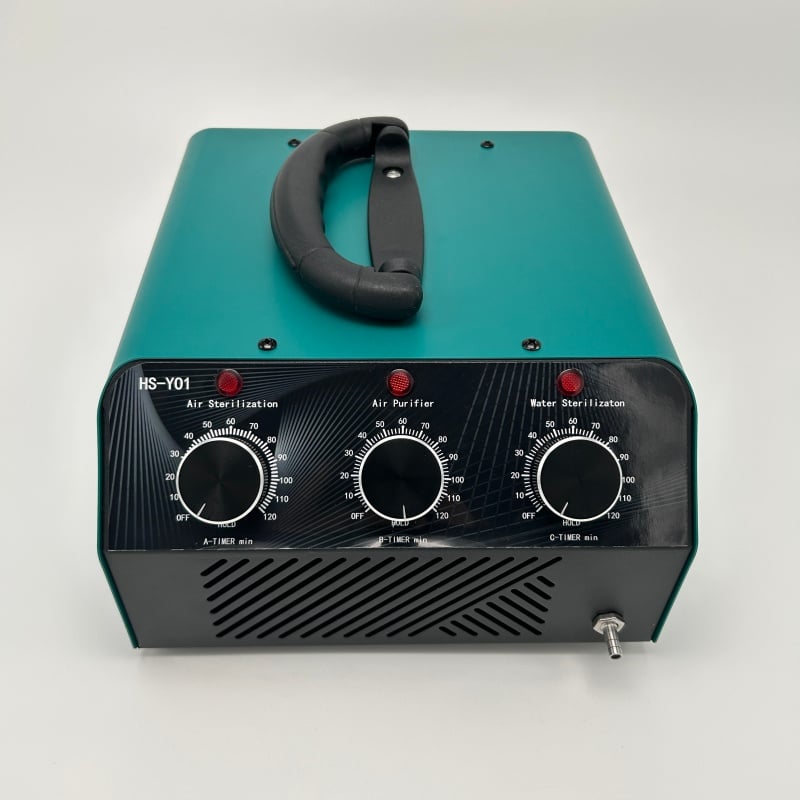
Smart Reusable Home Ozone Ozono Sterilizer Air Purifier 10g Ozone Generator Machine


 EN
EN