Home > Products > Porous Ceramics > Ceramic atomization core
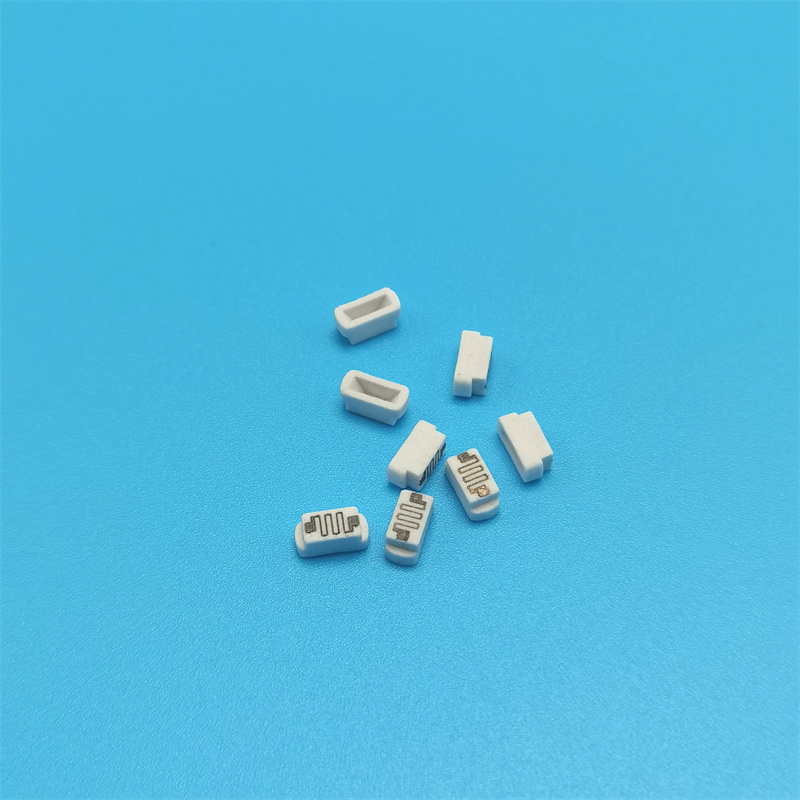
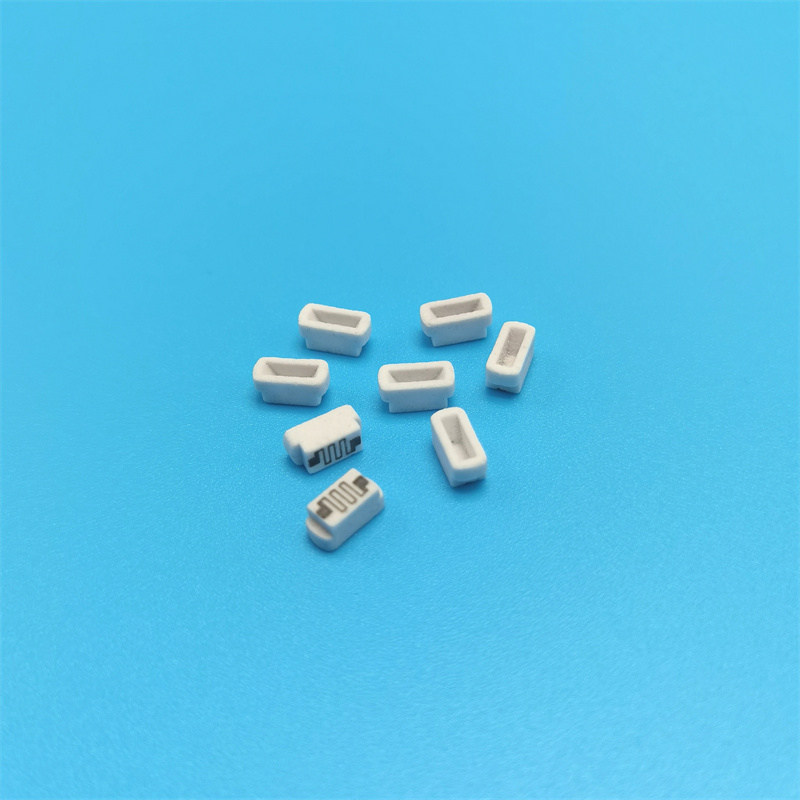
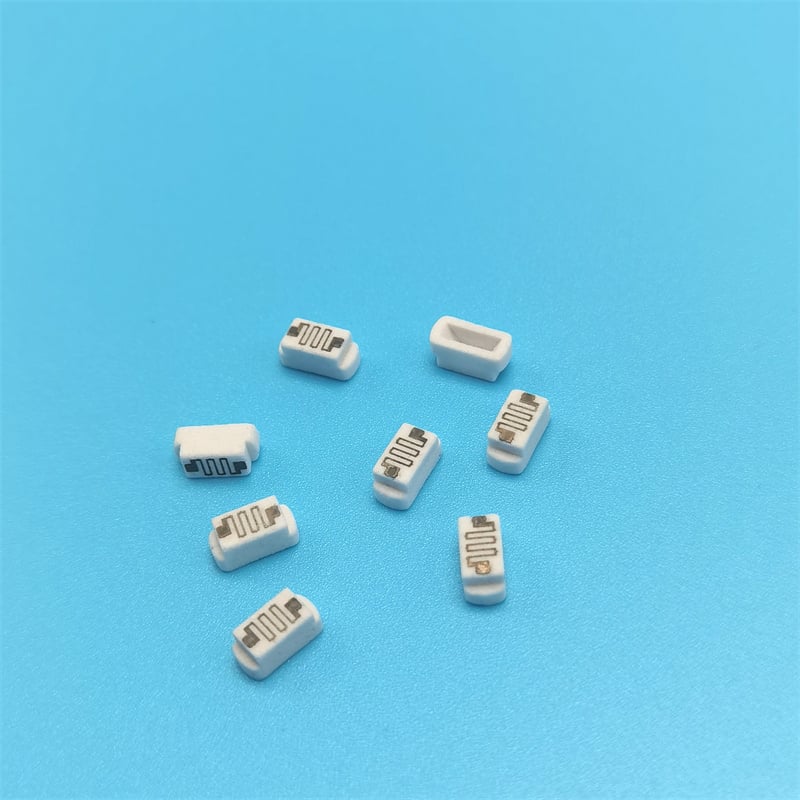
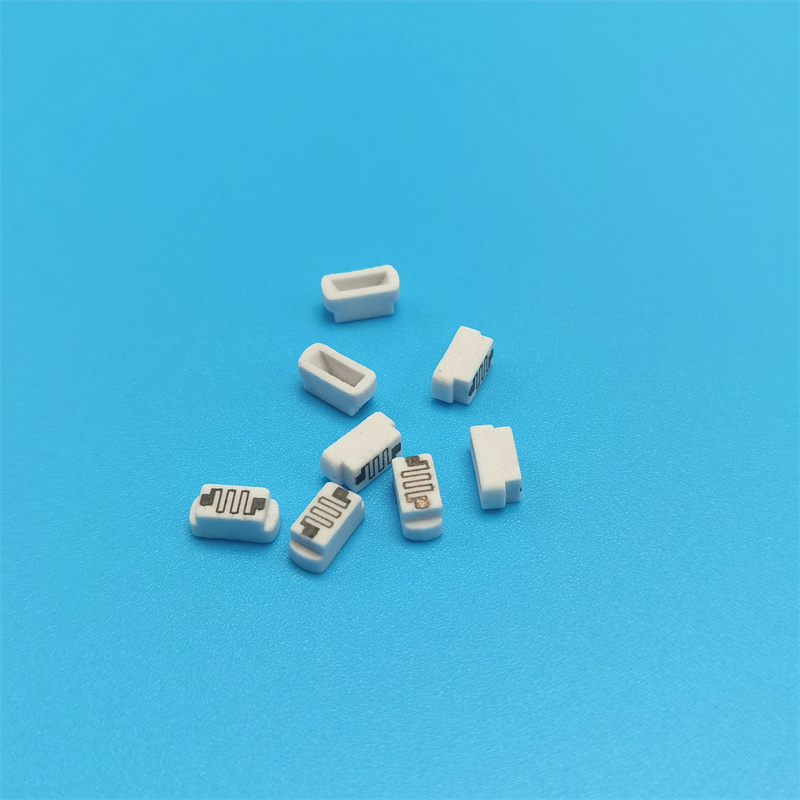
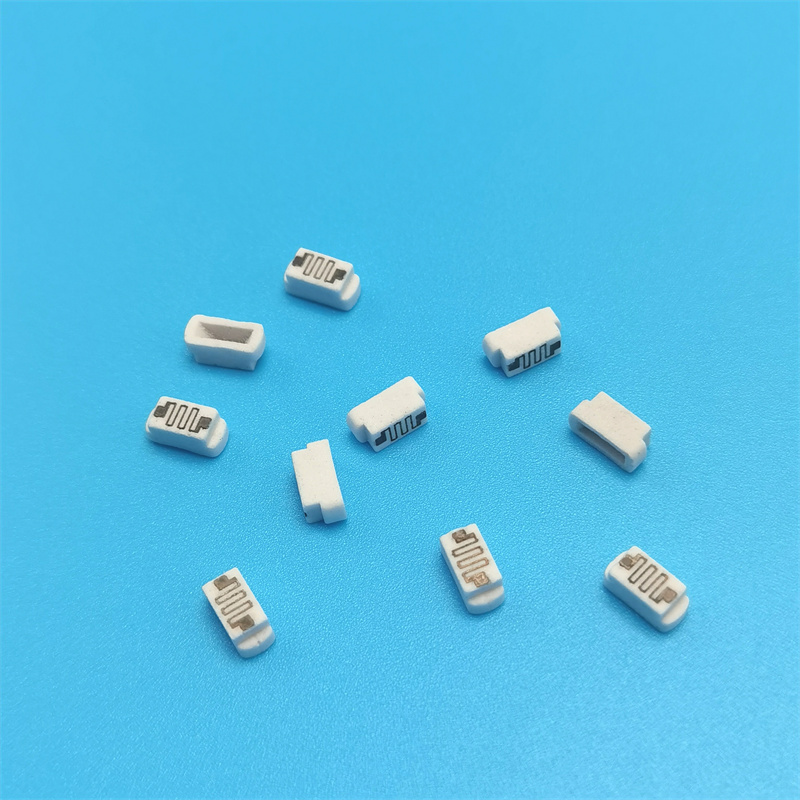
White alumina porous atomizing wick is a capillary liquid-guiding porous ceramic accessory specially developed for electronic atomizers, produced via integrated medium-high temperature sintering of high-alumina mineral raw materials. The whole manufacturing process excludes organic glue and chemical binders. High-purity alumina powder is blended evenly, pressed into integrated solid blanks, and sintered at constant high temperature to form uniform interconnected micropores throughout the entire wick body.
The 3D internal micropore network produces stable capillary force, which guides e-liquid to rise evenly and continuously toward the heating area for consistent atomization. Different from cotton and organic fiber wicks prone to scorching, liquid channeling and decay, this ceramic wick achieves steady liquid feeding matched with heating power. It is tailored to solve carbon deposition, uneven smoke volume and short service life of traditional organic liquid guiding materials, widely applicable to disposable atomizers, pod systems and reusable electronic atomization devices.
The dominant chemical composition is high-purity alumina, with alumina content higher than 80%, matched with trace inert mineral components to balance liquid delivery performance and mechanical toughness. According to sintering parameters and pore differences, products are classified into two major types: conventional general sintered type and customized pore precision sintered type.
The conventional sintered version adopts standard firing parameters, balancing cost and permeability for mass-produced ordinary electronic atomization equipment. The customized sintered type allows adjustable pore size and porosity to match high-power, low-power and high-viscosity e-liquids respectively. All raw materials are inorganic natural minerals without plasticizers, heavy metals and toxic additives. High-end batches meet international safety standards with no harmful substance dissolution when contacting atomization oil liquid.
Controllable micropore structure determines the liquid supply capacity of the atomizing wick, with fixed and standardized physical indicators. Bulk density reaches 1.6–2.0 g/cm³, featuring compact texture that resists deformation under assembly extrusion. Total porosity is 40%–50%, open porosity hits 30%–45%, forming complete continuous channels for liquid capillary transmission.
The sintering process accurately locks pore size at 1–5 μm, generating stable capillary traction force. The corresponding water absorption rate is 25%–40%, realizing stable liquid transportation without liquid flooding or insufficient oil supply under regular working power. The rigid ceramic framework avoids fiber shrinkage, dissolution and pore collapse of cotton wicks. Long-term heating operation maintains consistent liquid delivery speed, and pigment, wax and fine impurities in e-liquid are hard to cling to pore walls, greatly lowering blockage probability.
Supported by high-alumina matrix, the material boasts outstanding chemical inertness. It resists corrosion from various fruit flavors, mint essences, nicotine salt and different solvent components in e-liquid, and no chemical precipitation occurs to block micropores. The material is completely non-toxic and harmless; long-time contact with atomization liquid does not precipitate harmful substances, ensuring the safety of inhaled aerosol. It maintains stable performance for long-term contact with acidic, neutral and weakly alkaline atomization solutions.
Integral high-temperature sintering removes bonding gaps and adhesive layers, completely avoiding cracking, fragmentation and structural damage during assembly and repeated heating cycles. The dense ceramic surface stands abrasion from assembly friction and vibration of portable equipment. Without violent artificial impact, the wick keeps stable liquid supply performance for long-term use. It will not scorch, harden or pulverize under repeated heating and cooling cycles, forming an obvious advantage over organic cotton wicks that are prone to burning and aging.
Driven by capillary action of 1–5 μm regular micropores, e-liquid is stably conveyed to the heating coil. Liquid supply speed matches heating efficiency, realizing consistent smoke density and taste with no intermittent smoke, dry burning or oil leakage problems. It improves the consistency of atomization taste during full battery discharge, bringing more stable user experience.
Smooth hard ceramic pore walls hardly adhere to carbon residues, burnt sugar substances and flavor precipitates, which are major causes of cotton wick failure. Frequent component replacement caused by carbon accumulation is avoided, reducing after-sales maintenance of atomization equipment. Stable long-cycle performance cuts accessory replacement cost for electronic atomizer brands.
Benefiting from acid and alkali resistance, the wick fits all common types of atomization liquids, including high-sugar fruit liquid, high-concentration salt nicotine liquid and plant essential oil liquid. Customizable pore parameters can be adapted to low-power pod devices, medium-power disposable atomizers and high-power open atomization equipment. Multiple specifications match diverse shell structures and heating assemblies of mainstream atomizers.
The product uses abundant alumina mineral raw materials with mature sintering technology, suitable for large-scale standardized production and stable cost control, being a reliable upgrade substitute for cotton, fiber and porous polymer wicks. The inorganic material never decomposes and produces no harmful pyrolysis products during heating, complying with global atomization product safety trends.
It serves as the mainstream liquid-conducting core of mass-produced disposable atomization products. Stable oil supply avoids dry burning and oil leakage in full service life, optimizing product qualification rate and user experience for mass consumer atomization products.
Installed inside replaceable pod cartridges, the alumina wick supports repeated filling and long-term cyclic use. Anti-carbon performance guarantees consistent taste in multiple refills, widely used in mainstream closed pod atomization devices.
Applied to reusable open atomizer tanks for users who frequently change flavors and e-liquid formulas. Excellent chemical compatibility adapts to frequent liquid switching without residual flavor cross-contamination.
Used in portable aromatherapy atomizers, mini humidifying atomization devices and personal fragrance mist equipment, meeting the liquid guiding needs of small low-power atomization products besides electronic cigarettes.
Technical Parameters Table
Item |
Infiltration Cup |
Plant Water Absorbing Wick |
Electrode Wick |
Ceramic Wick |
Aerator plate/tube |
Scented Ceramic |
Vacumm Ceramic Chunk |
Porous Ceramic for water and gas treatment |
|
|
|
|
White alumina |
Silicon Carbide |
|
|
|||
Density |
1.6-2.0(g/cm³)
|
0.8-1.2(g/cm³)
|
1.8-2.2(g/cm³)
|
0.8-1.2(g/cm³)
|
2.5-2.6(g/cm³)
|
1.6-2.0(g/cm³)
|
1.7-2.0(g/cm³)
|
2.8-3.2(g/cm³)
|
2.6-3.0(g/cm³)
|
|
Open Porosity Rate |
30-40(%) |
50-60(%) |
20-30(%) |
40-60(%) |
30-35(%) |
30-45(%) |
35-40(%) |
NA |
NA |
Porosity Rate |
40-50(%) |
60-75(%) |
25-40(%) |
60-75(%) |
35-36(%) |
40-50(%) |
40-45(%) |
30-40% |
30-40% |
|
(%) Water Absorption |
25-40(%) |
40-70(%) |
10-28(%) |
40-70(%) |
20-23(%) |
25-40(%) |
25-35(%) |
NA |
NA |
Pore Size |
1-5( μm) |
1-3( μm) |
1-3( μm) |
1-3( μm) |
1-3( μm) |
1-5( μm) |
1-10( μm) |
2-50um |
20-80um |
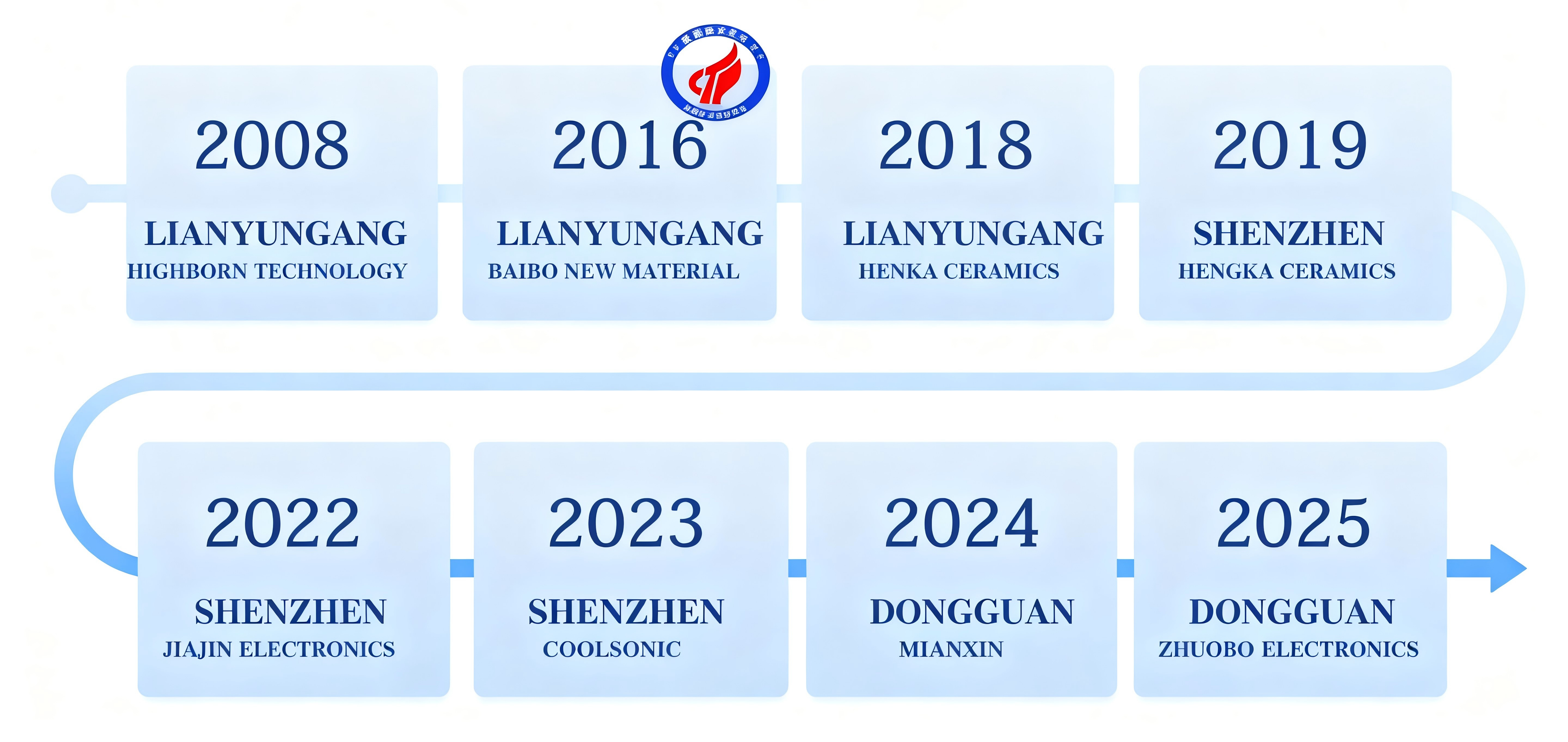
Development History
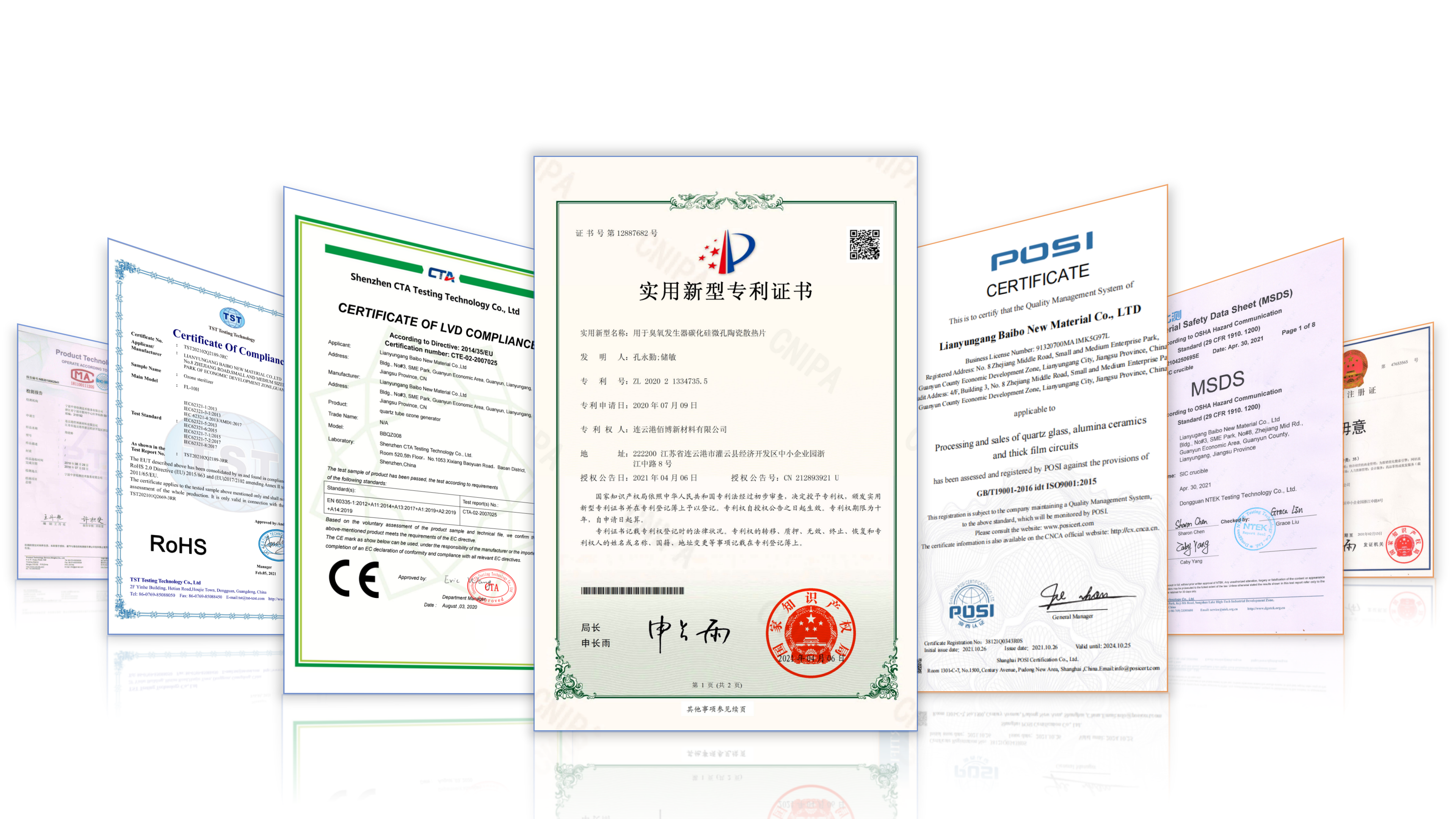
Patents and certification
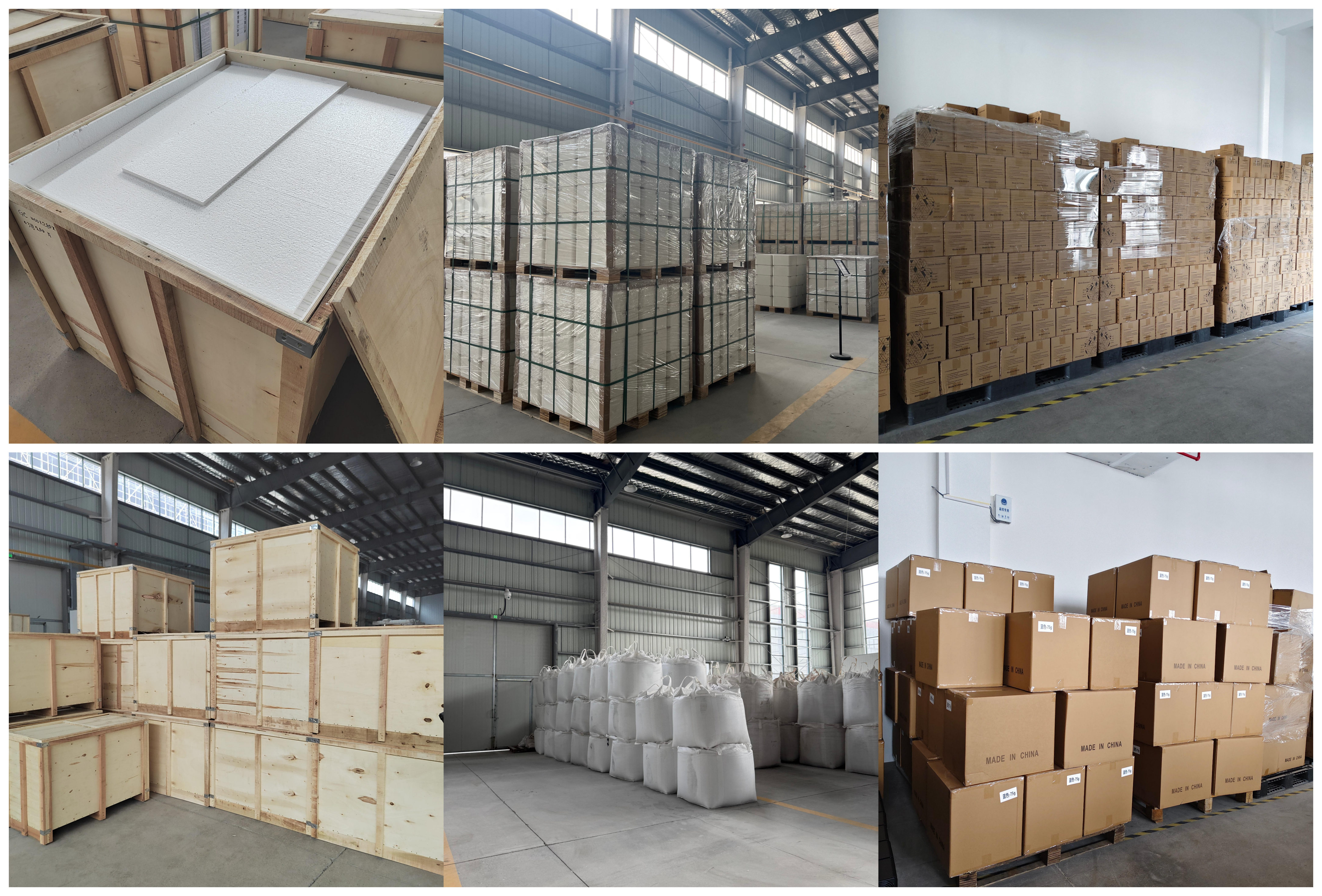
Services
FAQ
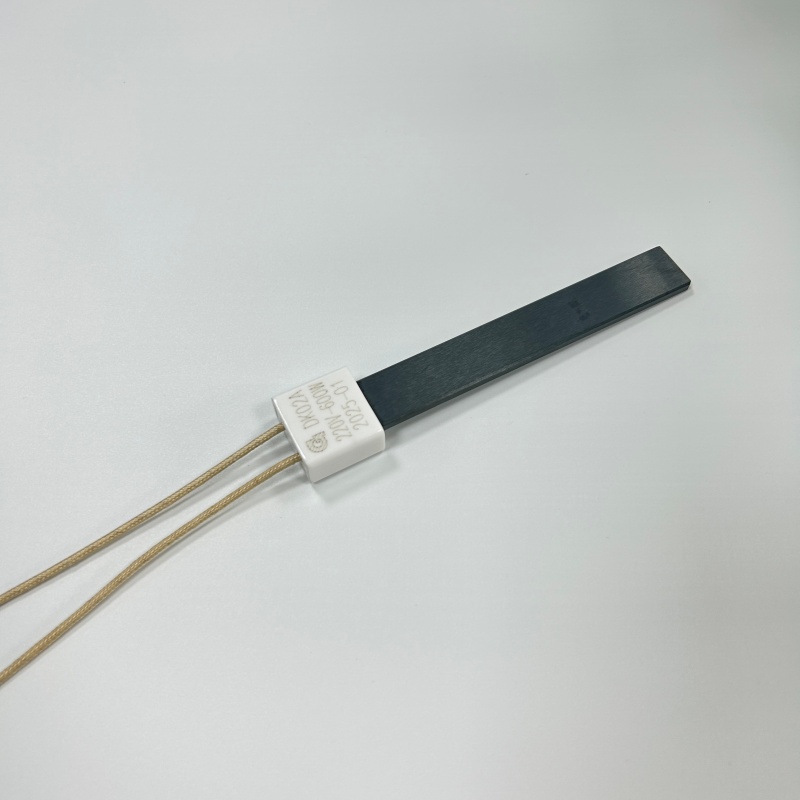
Custom110 V 220V Silicon Nitride Ceramic Igniter 280W 600W Si3N4 Ceramic Heater
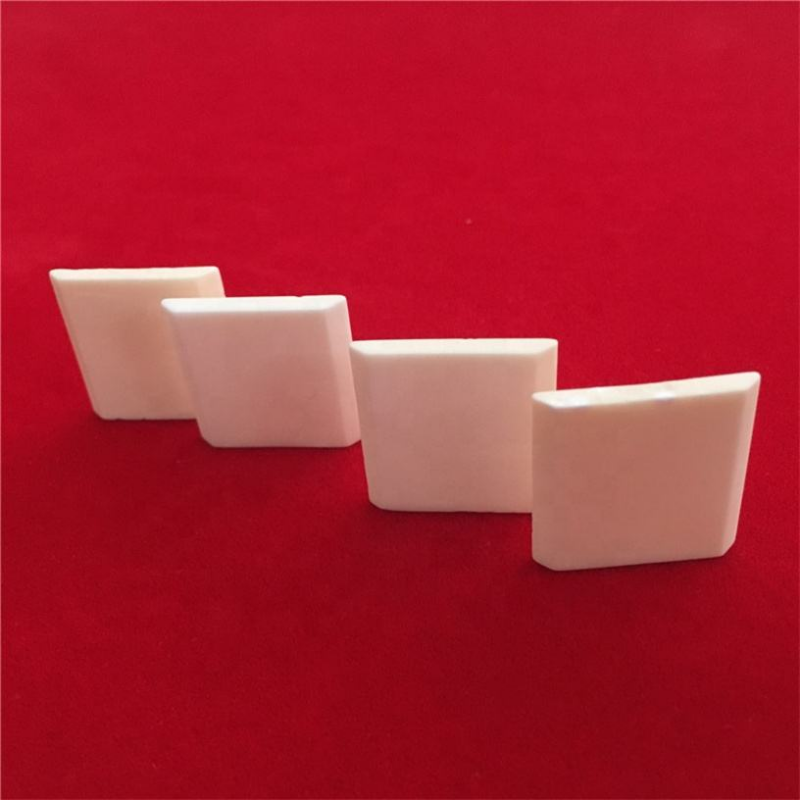
Wear Resistant Al2o3 Alumina Ceramic Plate for Protecting Tube
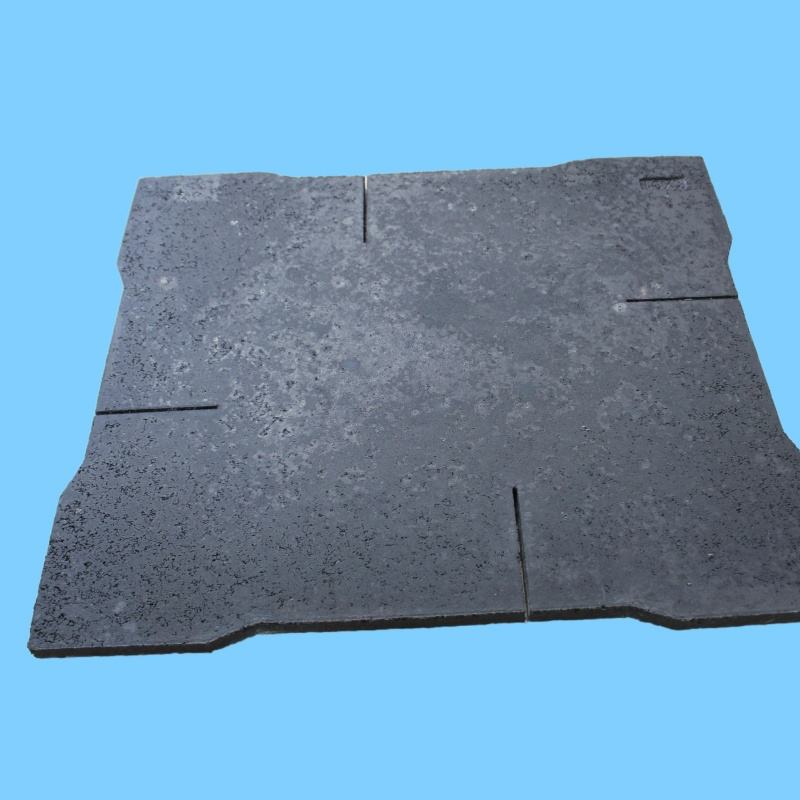
High Temperature Kiln Used Silicon Carbide Settle Plate
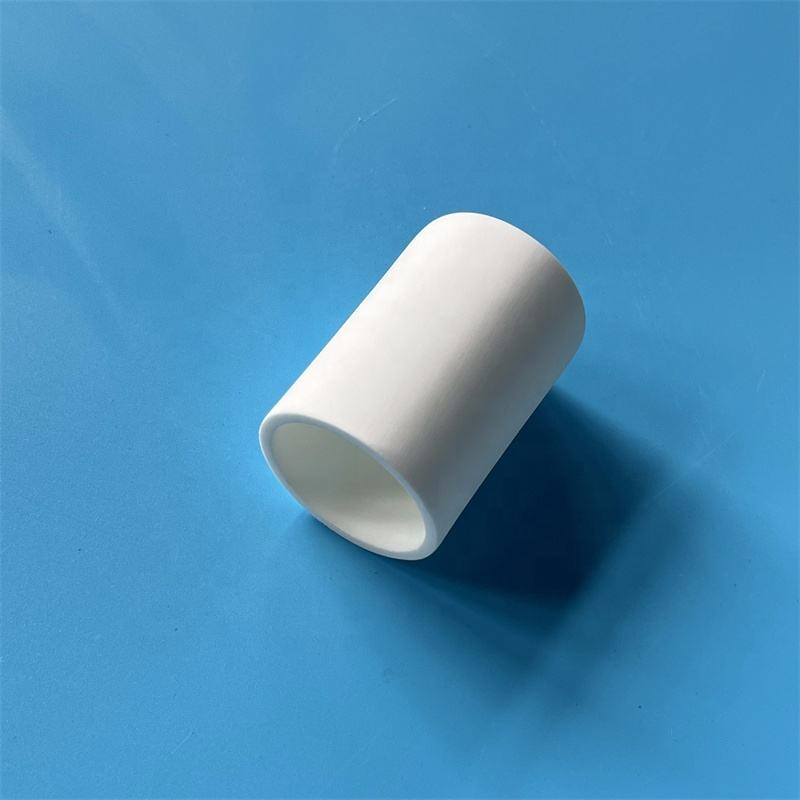
Custom High Temperature MgO Ceramic Crucible


 EN
EN