Product Details
1. Product Overview
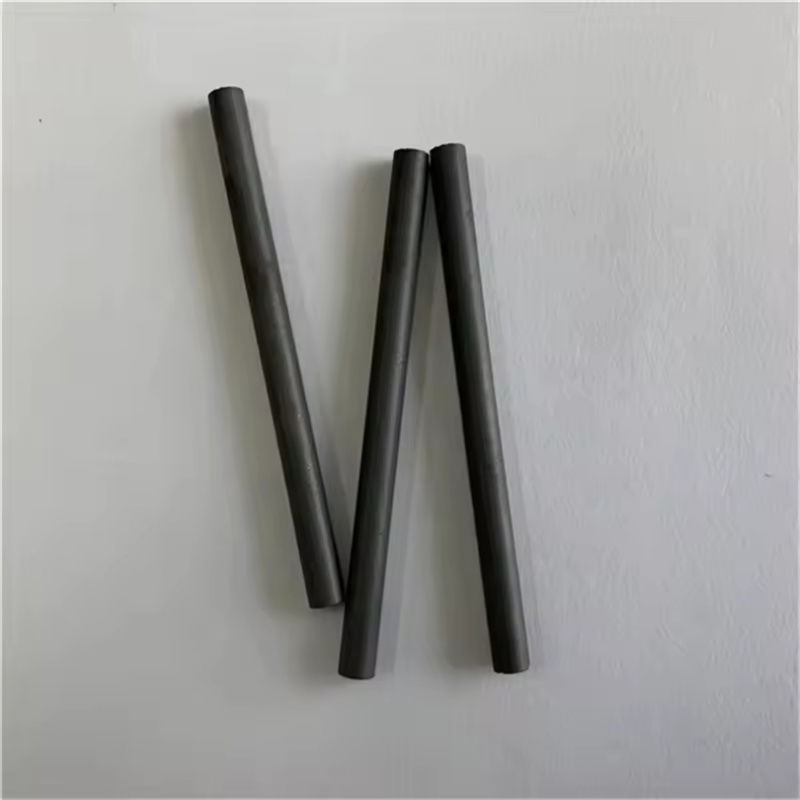
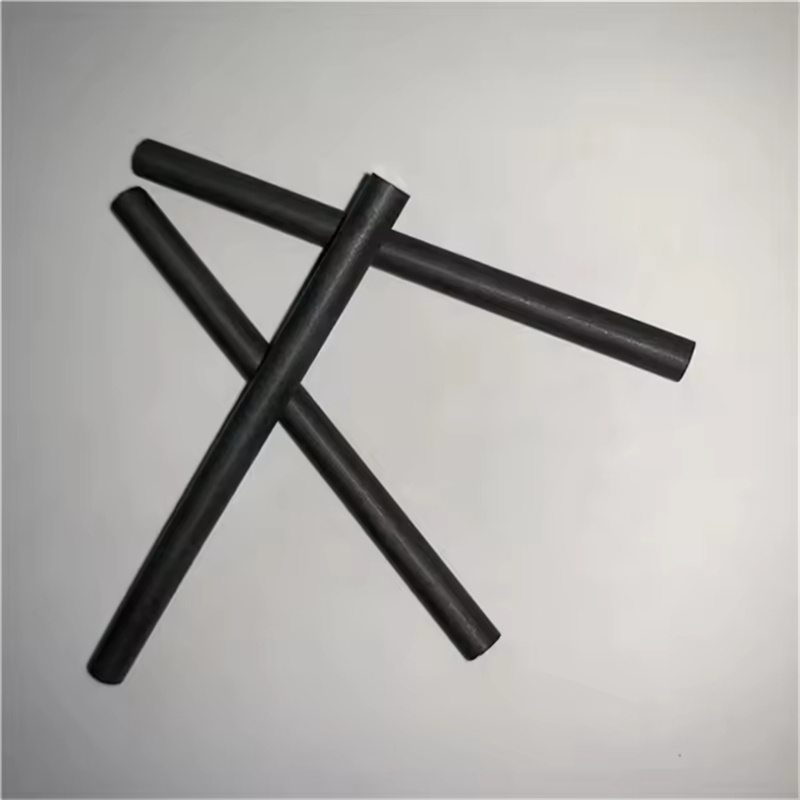
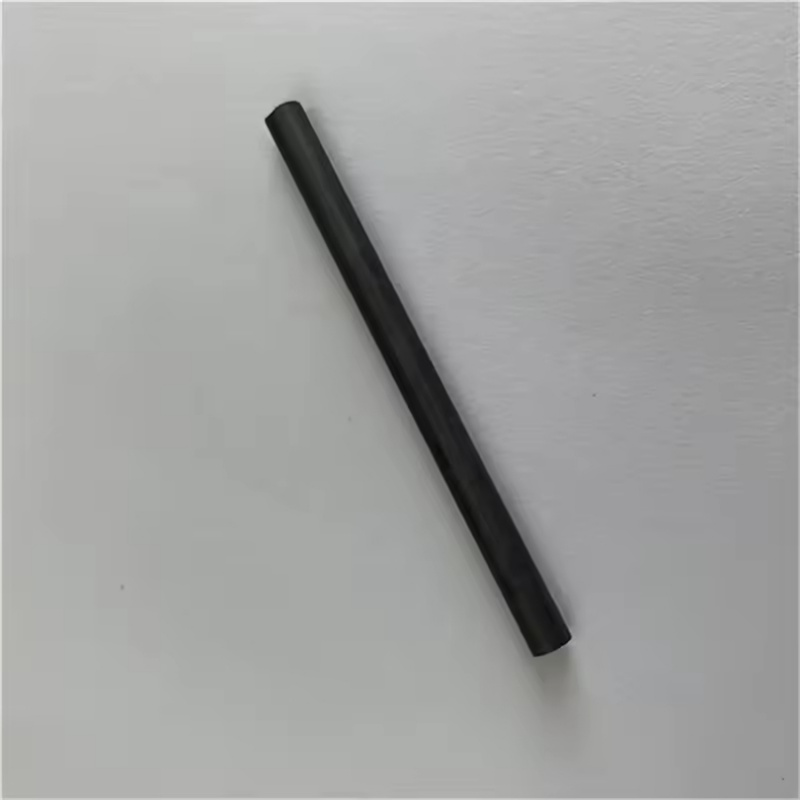
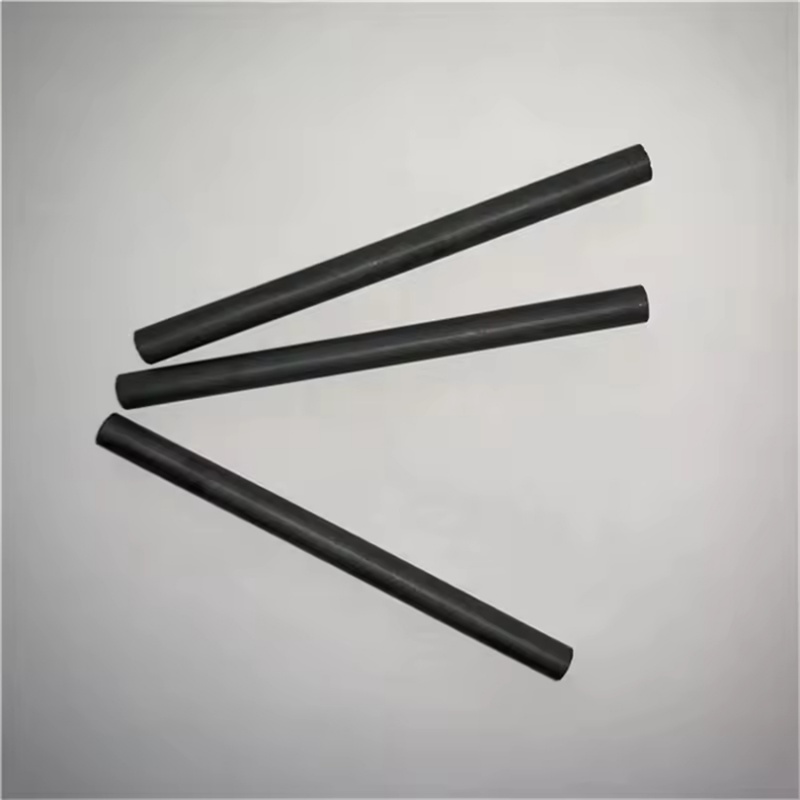
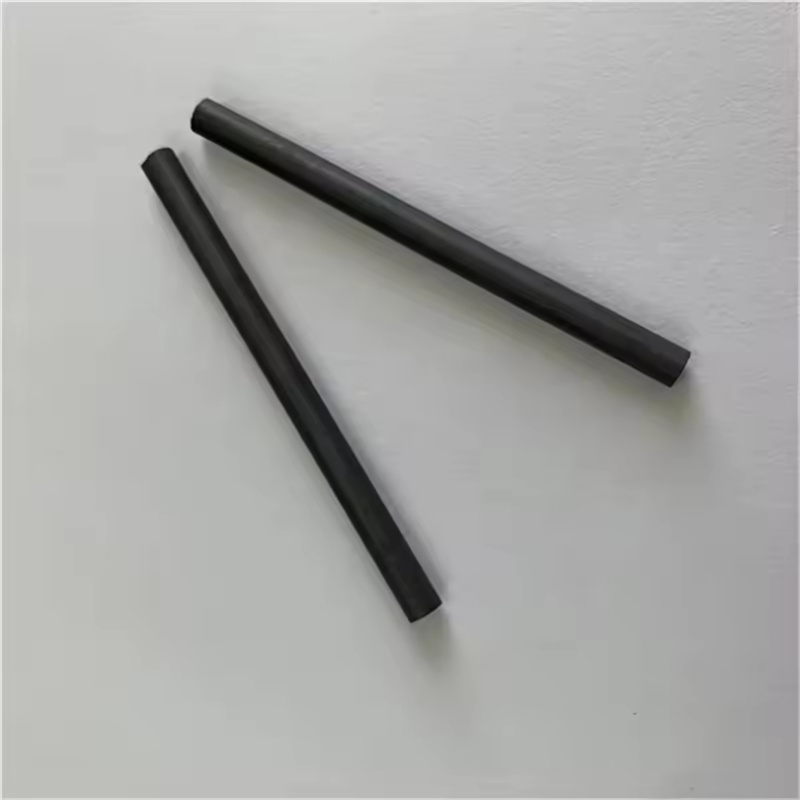
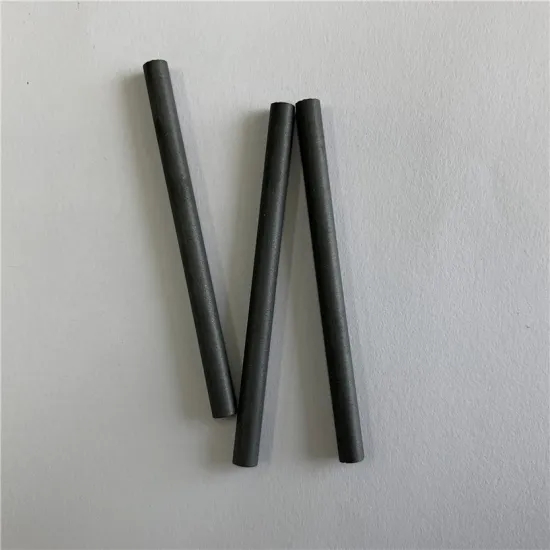
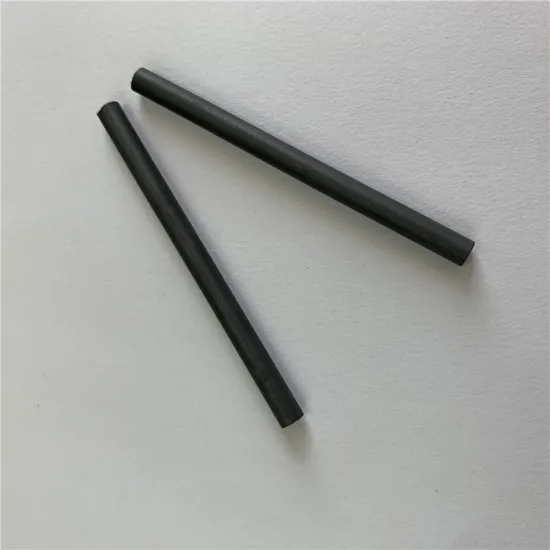
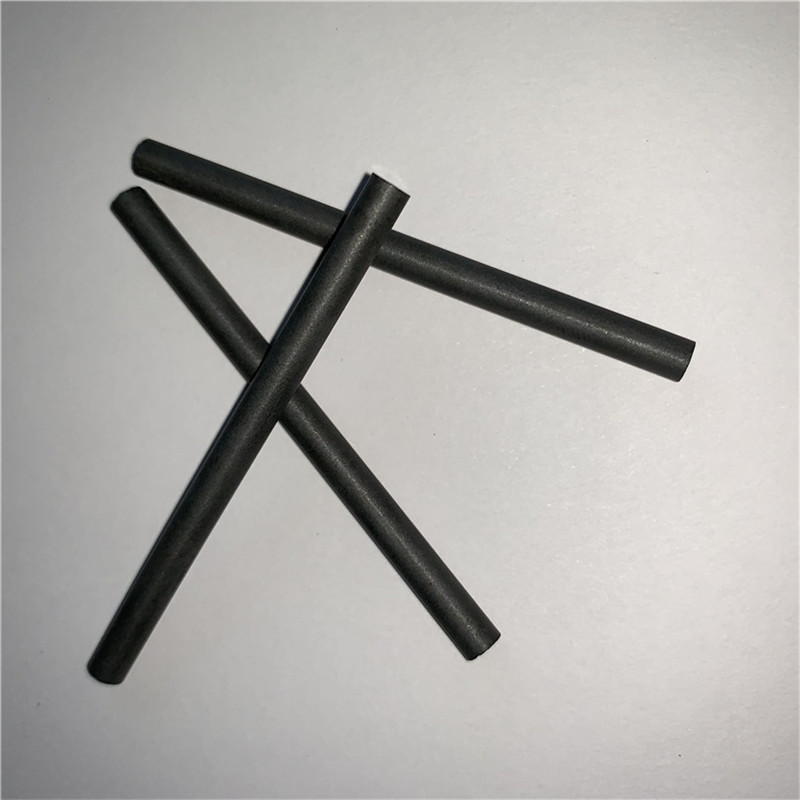
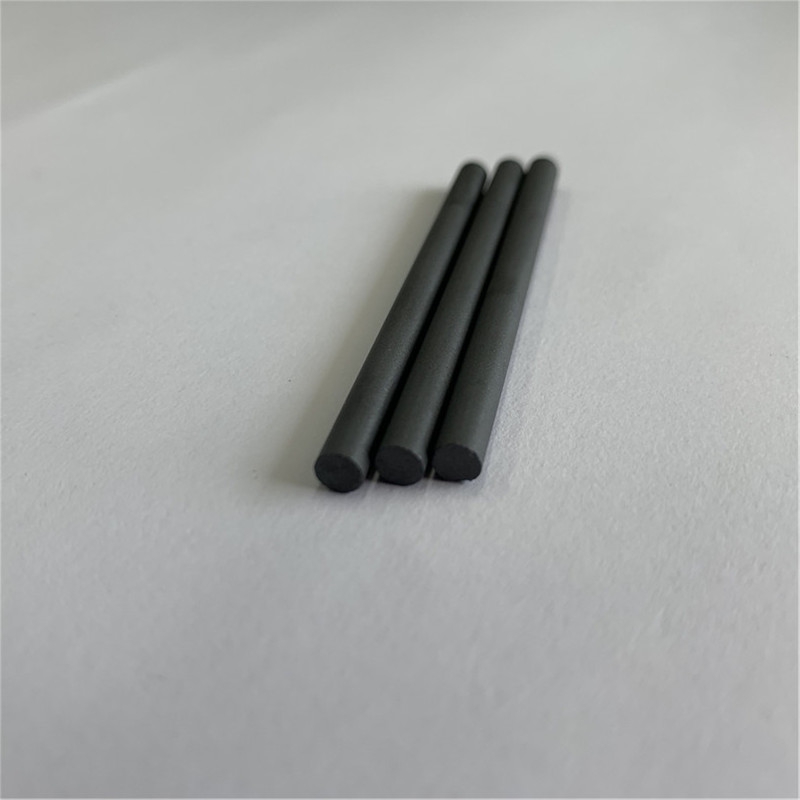
Customized Silicon Carbide (SiC) Ceramic Shafts and Rods are high-performance structural ceramic parts specially engineered forhigh-temperature, high-speed, wear-resistant and anti-corrosion industrial working conditions. Different from ordinary alumina ceramic and metal shafts, our SiC ceramic rods are manufactured with high-purity silicon carbide raw materials through isostatic pressing and ultra-high temperature sintering process above 2100°C. With ultra-precision external grinding and mirror polishing treatment, the products achieve micron-level dimensional accuracy and super-smooth surface finish. These customized ceramic shafts are widely used in textile spinning machinery, high-temperature industrial kilns, chemical corrosion-resistant equipment and metallurgical heat treatment systems, serving as core durable transmission and support components for long-cycle continuous industrial production.
2. Core Material & Structural Performance
Adopting high-density sintered silicon carbide formula, the material features a dense pore-free crystal structure with extremely low thermal expansion coefficient and excellent structural stability. The product reaches Mohs hardness 9, possessing outstanding wear resistance far superior to stainless steel, chrome-plated parts and conventional ceramic accessories. It can continuously withstand high-speed rotating friction, strong mechanical extrusion and frequent cold-hot alternating impact without deformation, cracking or surface abrasion. Meanwhile, SiC ceramic owns excellent thermal shock resistance, stably working at a continuous high temperature of1600°C without performance attenuation, perfectly adapting to extreme high-temperature industrial environments that metal parts cannot bear.
3. Key Product Advantages
3.1 Excellent Anti-Corrosion & Anti-Oxidation Performance
High-purity SiC ceramic has stable chemical inertness and will not react with most industrial media. It effectively resists erosion from textile oil agents, sizing agents, weak acid and alkali liquids, high-temperature flue gas and humid corrosive environments. No oxidation rust, corrosion spots or surface contamination will occur during long-term operation, completely avoiding product pollution and equipment failure caused by metal rusting, greatly improving the yield rate of finished industrial products.
3.2 Ultra-Low Friction & High Operational Stability
After precision mirror polishing, the surface roughness of customized SiC shafts is controlled at an ultra-low level, forming excellent self-lubricating performance. During high-speed rotation and linear transmission, the friction resistance is extremely low, which effectively reduces yarn breakage and fiber scratching in textile production. In addition, the product features precise dynamic balance and stable straightness, effectively eliminating eccentric jitter and tension fluctuation during equipment operation, ensuring consistent and stable production quality for a long time.
3.3 Super Long Service Life & Cost Saving
Compared with traditional metal shafts and ordinary alumina ceramic rods, our customized SiC ceramic shafts have 10–50 times longer service life. The ultra-high wear resistance and structural stability greatly reduce the frequency of parts replacement and equipment shutdown maintenance. It effectively saves enterprise spare parts procurement costs, labor maintenance costs and production downtime losses, bringing long-term and stable economic benefits for industrial production lines.
4. Full Customization Capability
We support full-size and structural personalized customization according to customer drawings and technical requirements, including customized overall length, outer diameter, inner hole size, end thread, positioning groove, chamfer and surface finish. All products are processed in strict accordance with DIN ISO 2768-mK precision tolerance standards. Meanwhile, we can support OEM matching assembly with stainless steel flanges, alumina ceramic sleeves and other accessories to meet the diverse installation and use needs of different industrial equipment.
5. Wide Application Scenarios
Custom SiC ceramic shafts and rods are widely applicable in multiple industrial fields. In the textile industry, they are used for high-speed spinning yarn guide rods, texturing machine transmission shafts and winding machine tension accessories. In high-temperature kiln industry, they serve as high-temperature conveying rollers and heat-resistant support rods. In chemical and metallurgical industries, they are applied to anti-corrosion transmission shafts and high-temperature oxidation-resistant support parts. With comprehensive performance advantages, they have become ideal upgraded wear-resistant accessories for modern high-efficiency and high-precision industrial equipment.
Parameter
|
项目
Item
|
单位 |
常压烧结碳化硅
SSIC
|
反应烧结碳化硅
RBSIC/SISIC
|
重结晶烧结碳化硅
RSIC
|
|
UNIT |
DATA |
DATA |
DATA |
|
最高使用温度
Max temperature of Application
|
℃ |
1600 |
1380 |
1650 |
|
密度
Density
|
g/cm3 |
>3.1 |
>3.02 |
>2.6 |
|
气孔性
Open Porosity
|
% |
<0.1 |
<0.1 |
15% |
|
抗弯强度
Bending Strength
|
Mpa |
>400 |
250(20℃) |
90-100(20℃) |
|
Mpa |
|
280(1200℃) |
100-120(1100℃) |
|
弹性模量
Modulus of Elasticity
|
Gpa |
420 |
330(20℃) |
240 |
|
Gpa |
|
300(1200℃) |
|
|
热传导系数
Thermal Conductivity
|
W/m.k |
74 |
45(1200℃) |
24 |
|
热膨胀系数
Coefficient of Thermal Expansion
|
K-1x10⁻⁶ |
4.1 |
4.5 |
4.8 |
|
维式硬度
Vickers Hardness HV
|
Gpa |
22 |
20 |
|
|
耐酸碱度
Acid Alkaline-proof
|
|
优(excellent) |
优(excellent) |
优(excellent) |
Development History 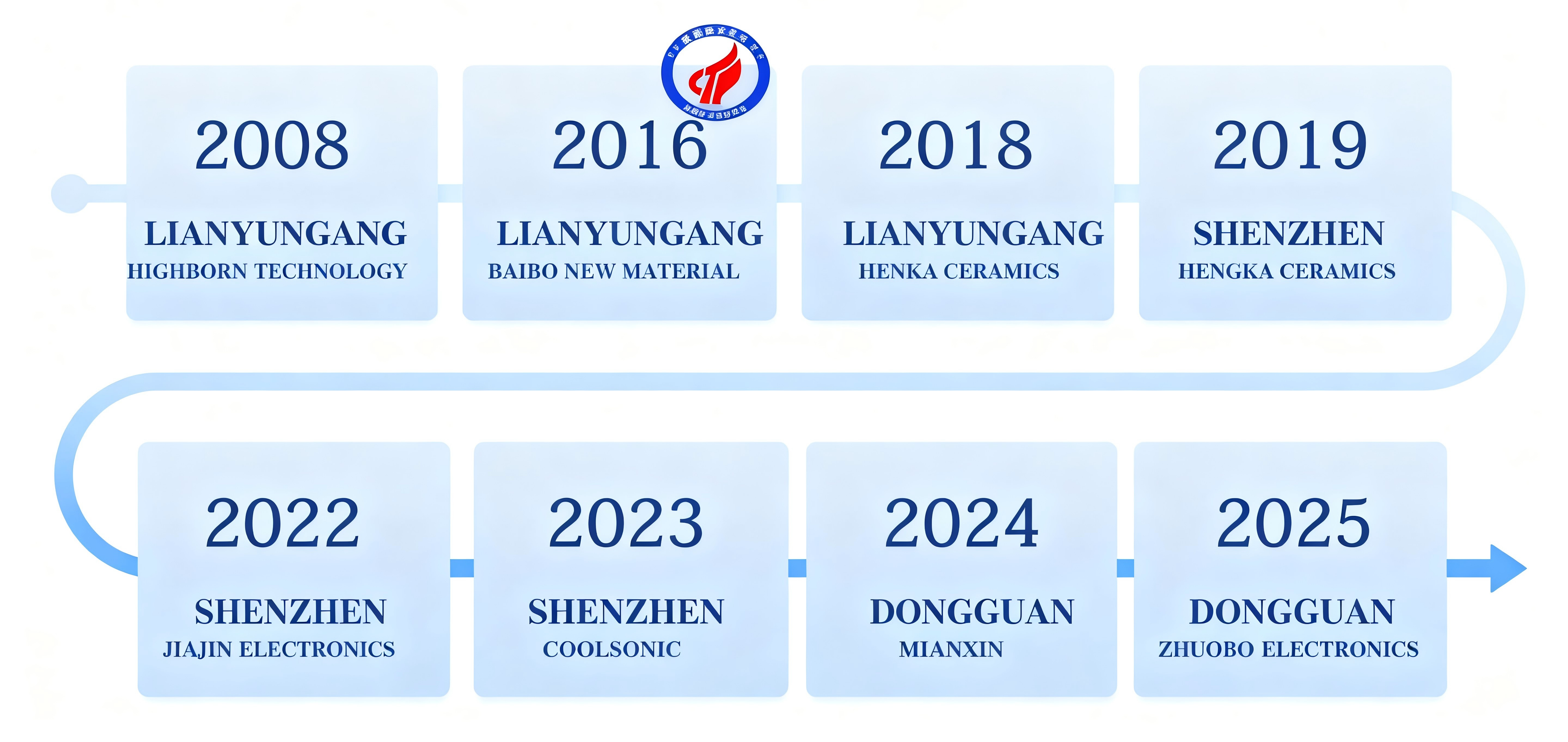
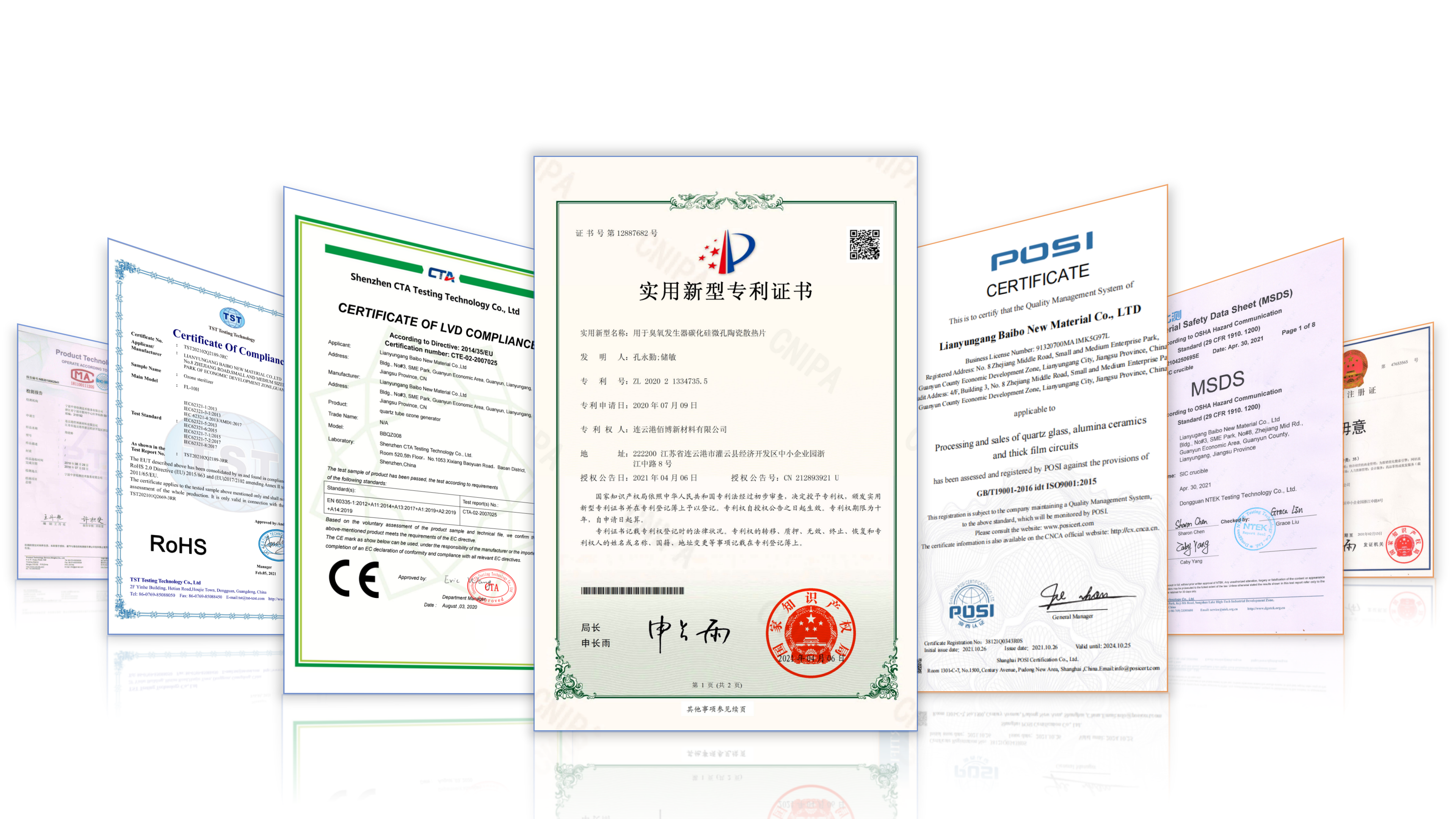
Patents and certification
We’ve obtained various global certifications including CE, EMC, LVD, RoHS, FDA, MSDS, ISO 9001, SGS and TUV. We also own eight registered trademarks and forty technical patents to support independent R&D.
Our proprietary core technologies run through all product lines: porous ceramics, industrial ceramic components, special glass, metallized ceramics, liquid absorption cotton, ozone generators and silicone goods. All products are manufactured in strict accordance with international quality standards, delivering reliable and high-performance solutions that have gained wide recognition and market trust worldwide.
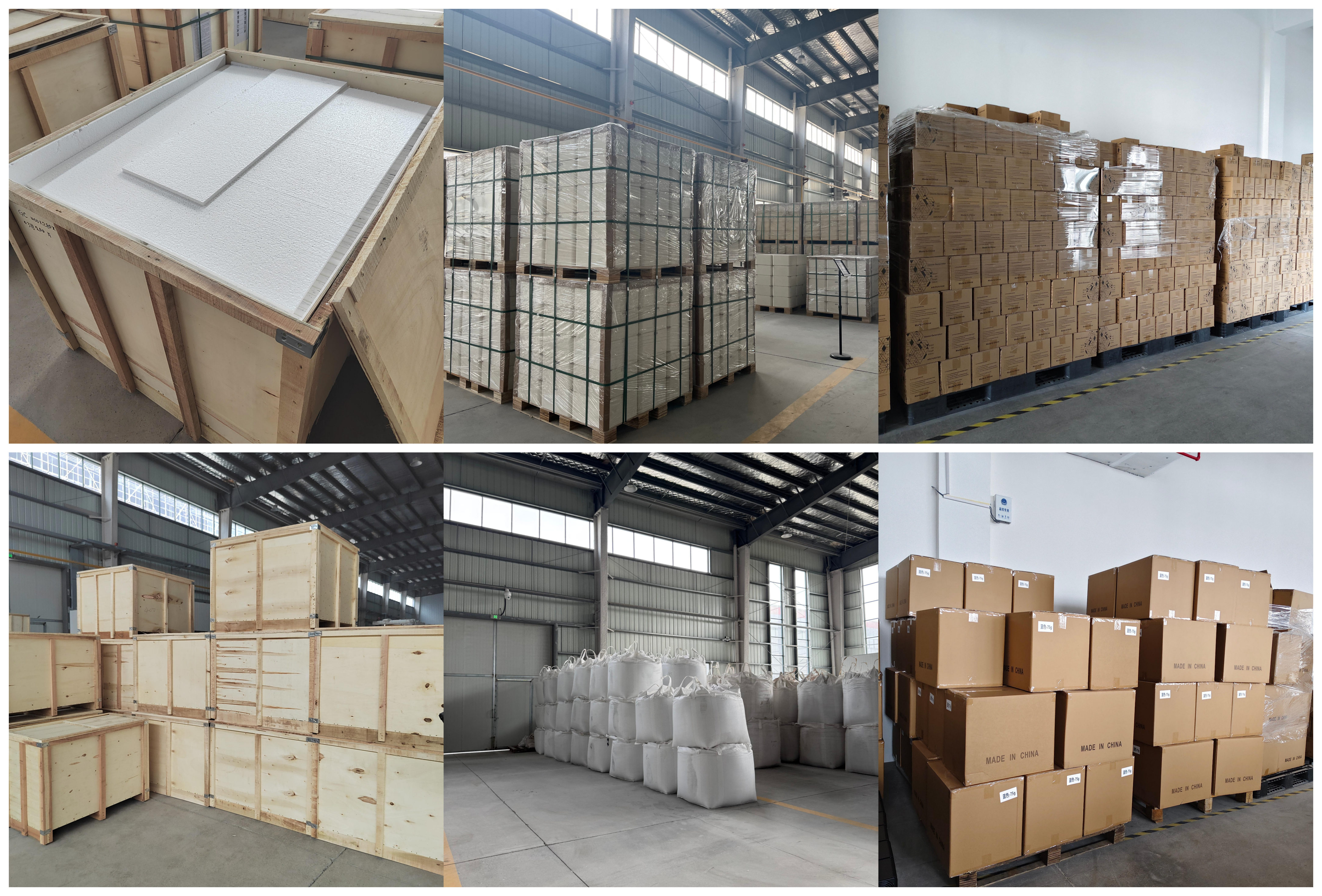
Package
We adopt scientific and standardized packaging solutions tailored to product characteristics to effectively prevent collision, extrusion, dust and moisture damage. With mature global transportation system and strict shipment inspection procedures, we ensure all products remain intact and stable during long-distance delivery, providing customers with safe, efficient and reliable one-stop logistics service.
Services
Inquiry & Customization
We provide fast and accurate quotation response for all your inquiries. Flexible OEM & ODM customization solutions are available to meet your unique product design, packaging and branding requirements.
Order Quality Control
We keep clients updated with full production progress throughout the whole order cycle. Our QC team carries out strict comprehensive pre-shipment inspection to guarantee all goods comply with your quality standards before delivery.
Customs Document Support
We prepare a full set of standard export documents including commercial invoice, packing list, certificate of origin and other certification papers, to ensure smooth global customs clearance for shipments to all destinations worldwide.
One-Stop Logistics
Multiple shipping methods including sea freight, air freight and express delivery are offered to match your schedule and budget. We supply real-time cargo tracking service so you can monitor shipment status anytime.
Flexible Payment
We support a wide range of secure international payment terms such as T/T, L/C, Western Union and other mainstream cross-border settlement methods to reduce your cross-border transaction risks.
After-Sales Support
Our professional after-sales team offers timely technical and business support all year round. We maintain steady long-term stable supply capacity to fully back up your continuous market sales and project demands.
FAQ
01
Question: Can you produce based on customers’ drawings or physical samples?
Answer: Absolutely yes. We accept technical drawings in all mainstream file formats as well as actual physical samples. Before formal production, our engineering team will provide a full professional DFM feasibility evaluation for your reference.
02
Question: How long is the production lead time for custom orders?
Answer: Sample lead time: 3–7 working days. Custom mold lead time: 5–10 working days (we will confirm the cycle separately with you for complex molds). Mass production lead time: 7–20 working days, depending on product structure complexity and order quantity.
03
Question: What’s your minimum order quantity for custom products?
Answer: We provide flexible MOQ solutions for all customized items. We will try our best to set a low minimum order volume to support your small-batch trial orders, meanwhile we can handle stable mass production to satisfy your long-term bulk demands.
04
Question: What customization services can you provide?
Answer: We support comprehensive one-stop customization, including product size, shape, appearance, precision tolerance, surface treatment, hole grooving, bending, cutting and adjustable high-temperature resistant parameters. Custom engraved LOGO and exclusive customized packaging are also available as extra personalized options upon request.
05
Question: Do you accept third-party inspection of finished products?
Answer: Yes, we fully cooperate with all mainstream authorized third-party testing institutions. Well-known organizations such as SGS, BV and other internationally recognized inspection bodies are all acceptable. We can supply complete official inspection reports and material certification documents as you require.
06
Question: Can you customize raw material options for products?
Answer: Sure. We can select and match appropriate raw materials according to your application scenarios, working conditions and performance requirements, including alumina, zirconia, quartz, silicone and other special engineering materials, and adjust related performance parameters to meet your usage standards.



 EN
EN