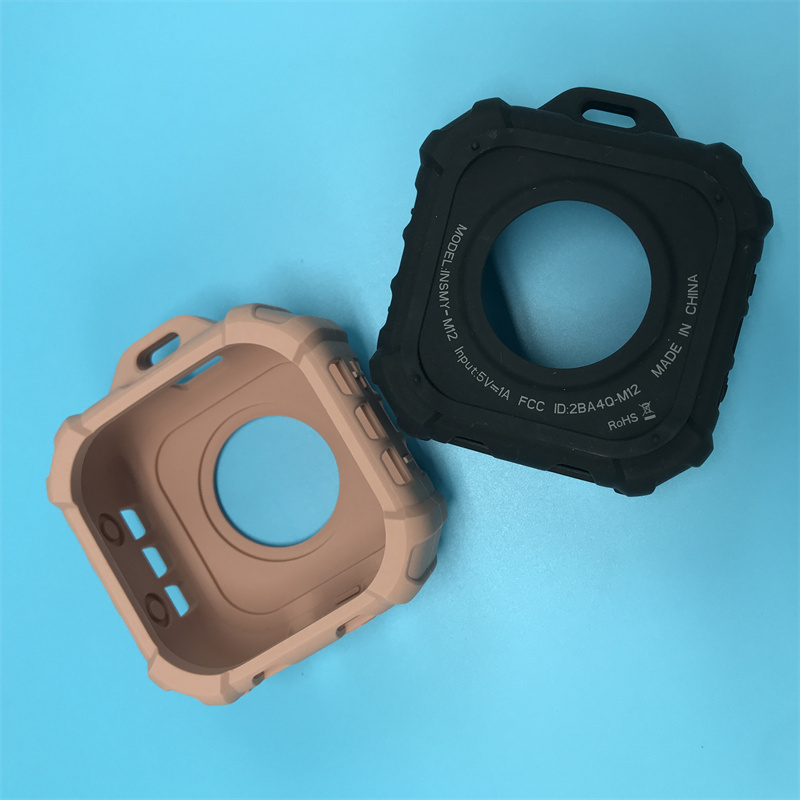
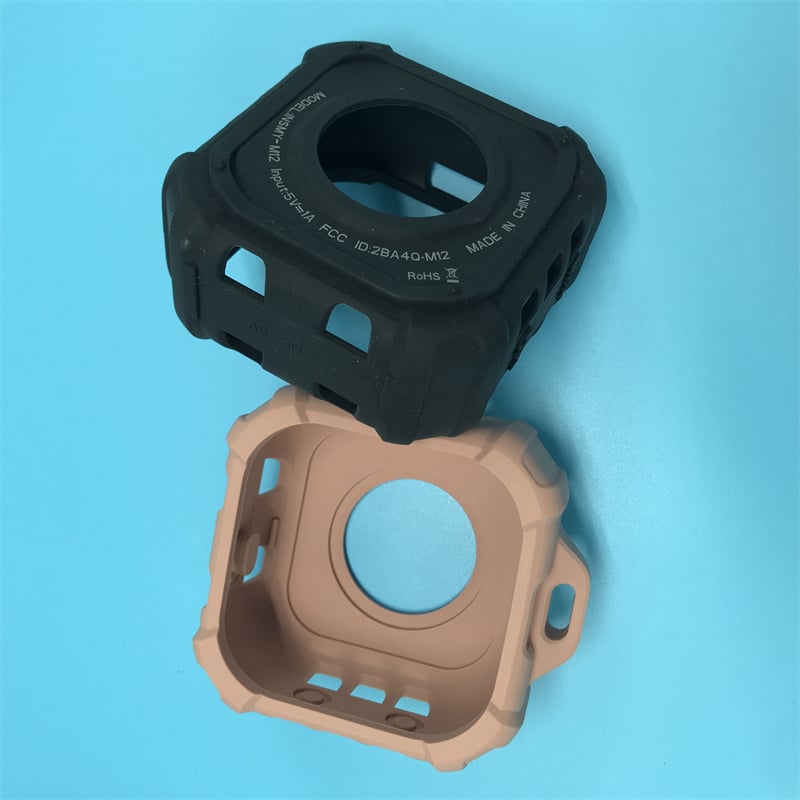
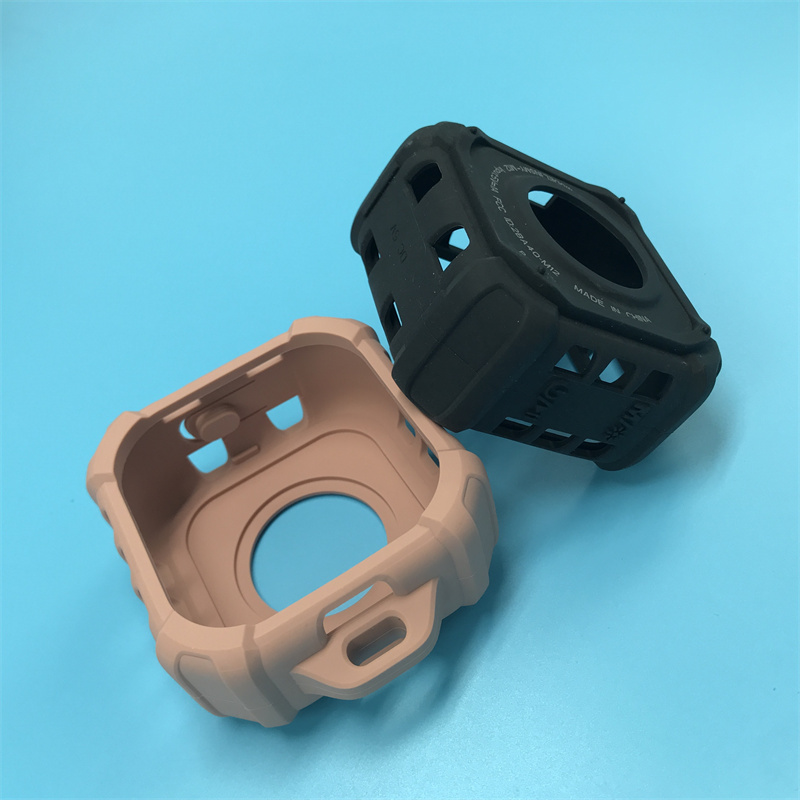
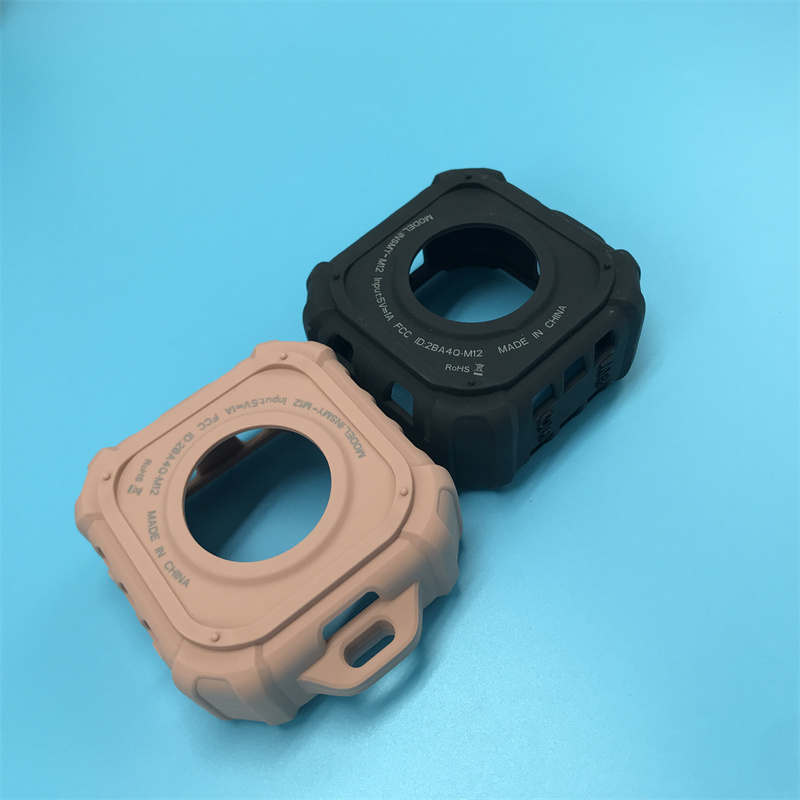
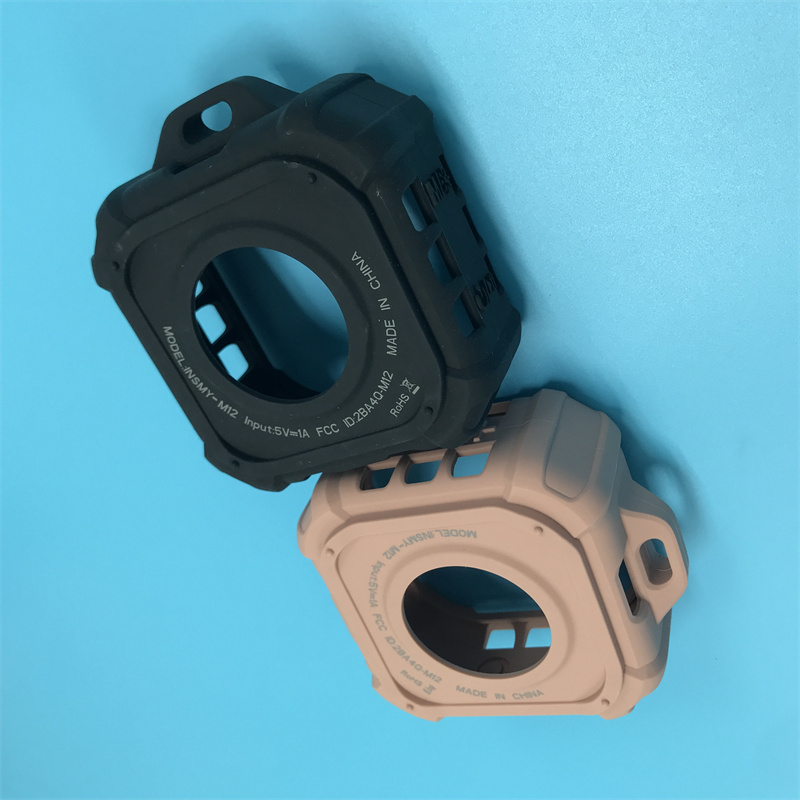
Main Component:
Mainly composed of polysiloxane, with stable silicon-oxygen bond structure. It is non-toxic and odorless, and is available in industrial grade, food grade and medical grade.
Temperature resistance:
It can work continuously within the temperature range of -60℃ to 230℃. It does not become brittle at low temperatures and retains elasticity at high temperatures. It can withstand short-term heat up to 300℃.
Insulation performance:
The volume resistivity ranges from 10¹³ to 10¹⁵ Ω·cm. It has high dielectric strength and is also hydrophobic. It remains stable even in a wet state.
Hardness:
The commonly used Shore A range is 40–60 (for seals), with an overall coverage of 10A–80A, suitable for soft-touch to wear-resistant applications.
Applicable to:
It is widely used in food and medical fields, electronic insulation, high and low temperature sealing, and building waterproofing. It is incompatible with strong oils, strong acids and strong alkalis.
Product Details
Performance and Characteristics
1.1 Definition and Working Principle
The performance of silicone rubber protective shell lies in its special molecular structure with a main chain of silicon oxygen bonds (Si-O), which makes it fundamentally different from organic polymer materials such as TPU and PC.
1.2 Performance Characteristics and Standards
Silicone rubber protective shells are classified by their functional properties:
Excellent Elasticity and Cushioning:
High resilience: Maintains excellent softness and elasticity over a wide temperature range, effectively absorbs and disperses impact energy, providing excellent drop and vibration protection.
Soft Touch: Provides a skin-friendly and delicate "skin-like" feel, offering a great user experience.
Extreme Temperature Adaptability:
High and low temperature resistance: Working temperature range is extremely wide, typically from -50℃ to +200℃, and can withstand higher/lower temperatures in the short term. Does not harden or become brittle in severe cold, and does not undergo sticky deformation at high temperatures — stable performance across extremes.
Excellent Chemical and Environmental Stability:
Weather resistance: Resistant to ultraviolet rays, ozone, and radiation — not easily aged, yellowed, or cracked after long-term outdoor use.
Corrosion resistance: Good resistance to weak acids, weak bases, salt solutions, alcohol, etc. Easy to clean with disinfectants such as alcohol.
Inert and Safe: Non-toxic and odorless, meets food grade and medical grade standards, has good biocompatibility, and does not cause skin allergies.
Electrical Insulation and Flame Retardancy:
Excellent insulation: Maintains good insulation performance even in humid and high temperature environments.
High flame retardant rating: Can pass flame retardant certifications such as UL94 V-0, meeting strict fire protection requirements.
Physical Characteristics:
Breathability: Has moderate breathability for comfort.
Easy to clean: Surface is hydrophobic, not easily contaminated with dust, and stains are easy to wipe.
Color stability: Masterbatch is evenly dispersed, providing long-lasting color retention.
2. Main drawbacks:
Moderate wear resistance: Long term friction may cause the surface to shine or wear.
Tear strength: Compared to some engineering plastics, it is lower.
High price: The raw material and production costs are higher than TPU, PC, etc.
The phenomenon of "sticky dust": static electricity may adsorb fine dust.
3. Production process:
High end silicone protective cases mainly use liquid silicone injection molding technology, which is an efficient, precise, and automated production method.
1.1Raw material preparation:
Use two-component liquid silicone rubber, with component A (containing platinum catalyst) and component B (containing hydrogen silicone oil crosslinking agent) stored separately. Color paste can be added for color matching.
1.2 Injection molding:
Measurement mixing: A and B components are accurately transported to a dynamic mixer in a 1:1 ratio through a precision metering pump, and mixed evenly in an instant.
Injection molding: The mixed liquid rubber material is injected into the preheated mold cavity under lower pressure.
Heat curing: The mold temperature is usually between 150-200℃. Silicone undergoes an addition reaction (catalyzed by platinum) inside the mold cavity, with no by-products released, and rapidly solidifies into shape (usually in a few tens of seconds).
Mold extraction: After curing is completed, the automated robotic arm extracts the product with almost no burrs.
1.3 Post processing:
Remove the sprue: Trim the sprue marks (usually very small).
Secondary curing: Some products with extremely high requirements will be briefly baked to thoroughly complete the reaction and improve performance.
Surface treatment: Can be sprayed (feel oil, anti fouling coating), printed (logo, pattern), laser engraving, etc.
Cleaning and inspection: After cleaning, conduct a full inspection of size, appearance, and function.
3. Processing method:
The processing of silicone rubber protective shells mainly occurs in the molding stage and post-processing stage:
Mold processing: The mold is the core of LSR technology and requires the use of high-quality mold steel. The surface of the mold cavity is highly polished or treated with special coatings (such as nickel PTFE) to ensure smooth demolding and a smooth surface finish of the product.
Forming processing: Achieving large-scale and efficient production through multi cavity molds and automated assembly lines.
Secondary processing:
Surface spraying: Spray PU or silicone hand feel oil to enhance the tactile sensation and reduce the phenomenon of "sticking ash".
Printing: Screen printing, transfer printing of patterns or text.
Laser engraving/marking: permanent marking of serial numbers, logos, or personalized patterns.
Assembly: Assemble with metal inserts, buttons, and other plastic parts.
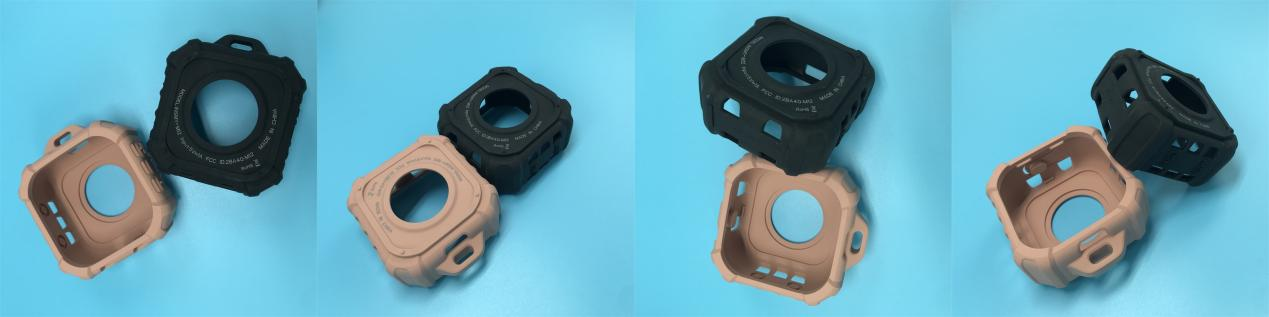
4. Core advantages of the product (compared to TPU/PC shell)
Characteristic dimension: Silicone rubber protective shell, ordinary TPU/PC shell.
Excellent hand feel and elasticity, soft and highly elastic, with a skin friendly touch ranging from good to average, and a wide range of hardness.
Extremely wide temperature range (-50 ℃~200+℃) and narrow (easily deformed around -20 ℃~80 ℃).
Excellent aging resistance, UV and ozone resistance, no yellowing or brittleness after long-term use, but prone to yellowing and aging.
Excellent chemical stability, moderate resistance to disinfectants and sweat corrosion, some chemicals may cause corrosion.
High safety and environmental protection, food grade, non-toxic and odorless, mainly industrial grade.
Excellent electrical performance and flame retardancy, high insulation, easy to reach high flame retardant level, moderate, requiring special modification.
5. Technical specification
Item |
Index |
Conventional product temperature resistance |
230 - 300℃ |
Suggested working temperature |
-40 - 200℃ |
Material temperature range (food grade) |
-40 - 230℃ |
Material temperature range (industrial grade) |
-40 - 250℃ |
Shore hardness |
20 - 90 Shore |
Raw material certification |
ROHS |
Service life (food grade silicone rubber) |
3-5 years |
Service life (industrial silicone rubber) |
2 years |
Material Grade |
Food Grade Silicone Rubber |
Odor |
Odorless |
Toxicity |
Non-toxic |
Chemical resistance |
High temperature resistance; Acid and alkali resistance |
Environmental requirements |
Meets environmental requirements |
Customized service |
Customized drawing service for customer samples |
Color Customization |
Pantone color code |
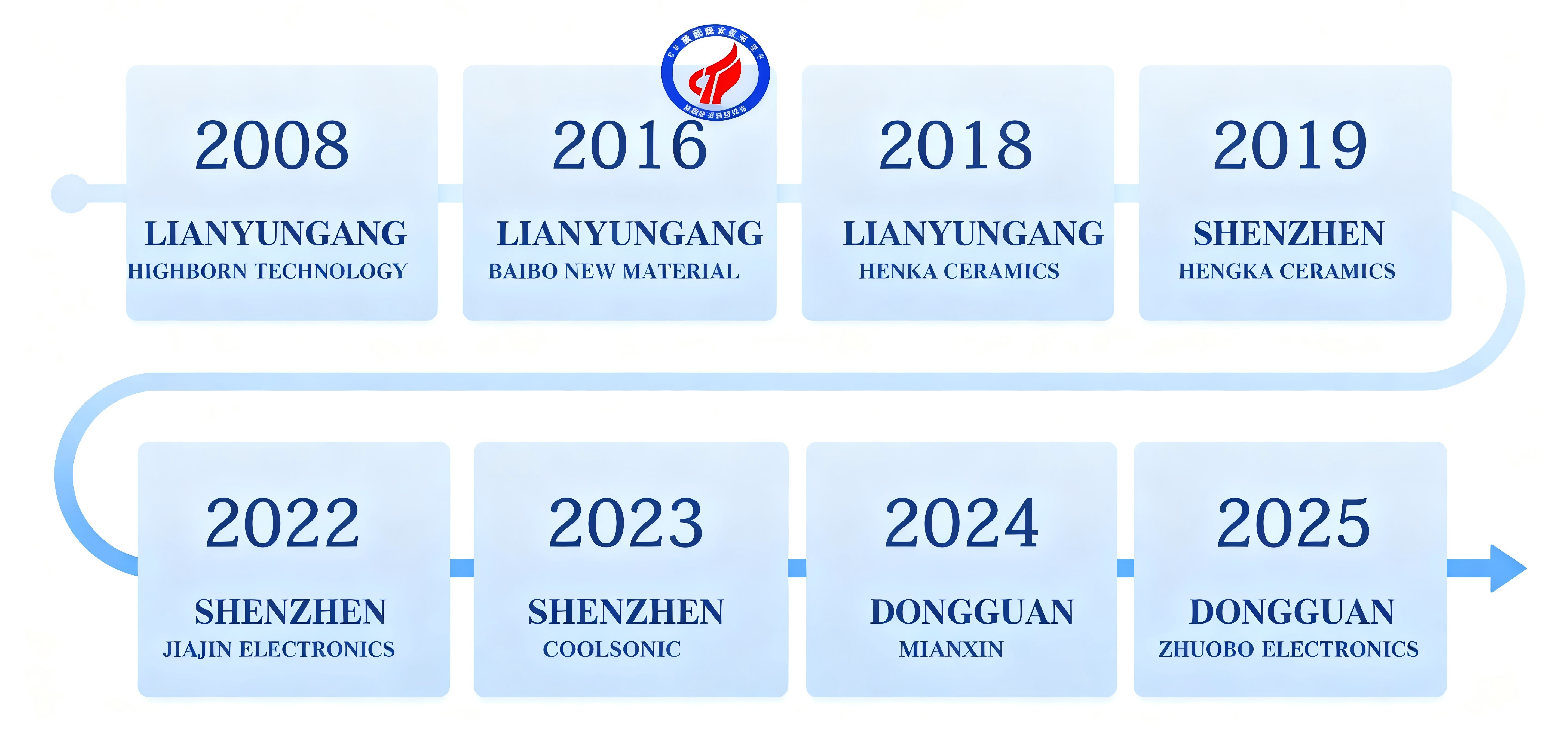
Development History
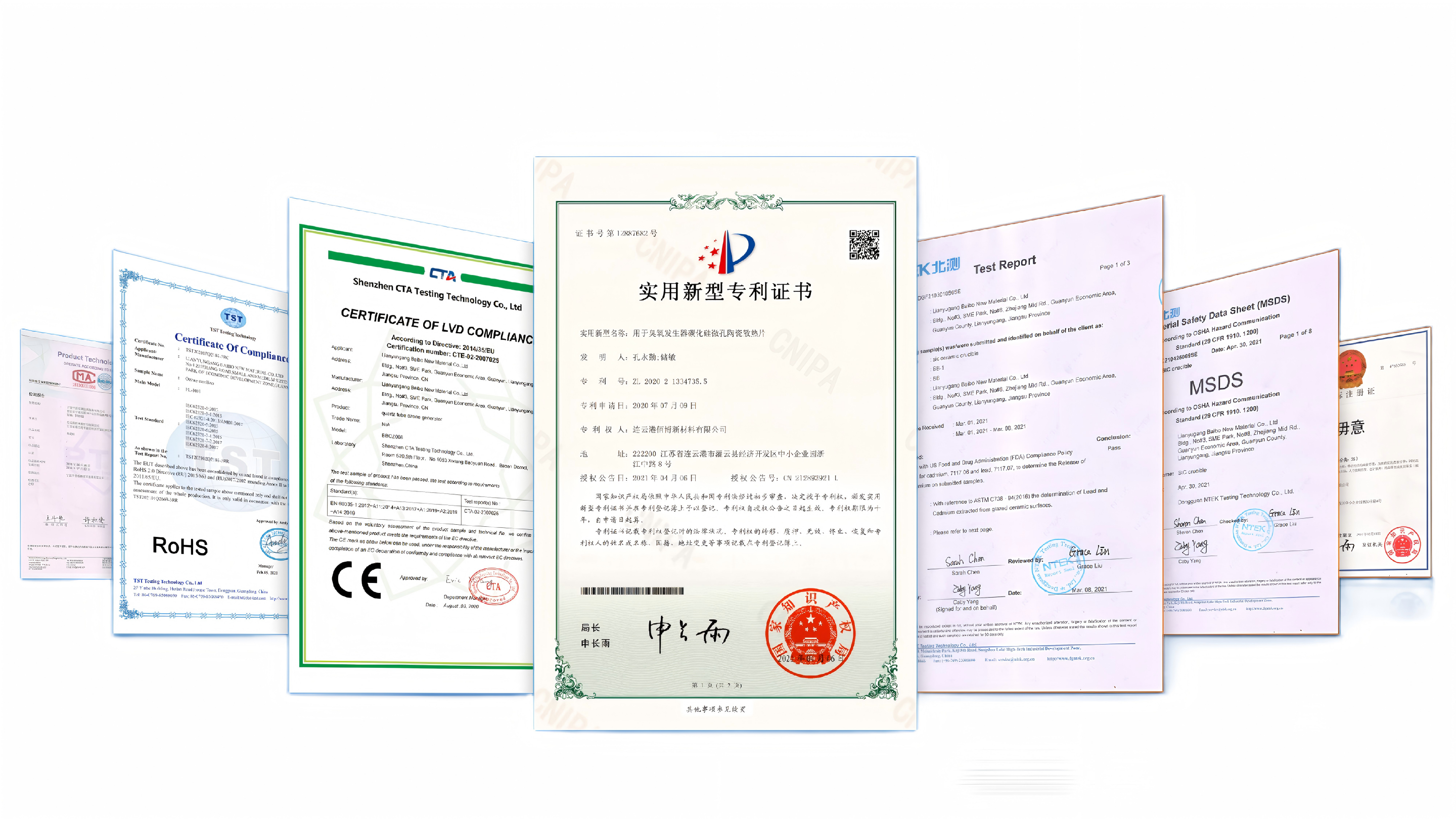
Patents and certification
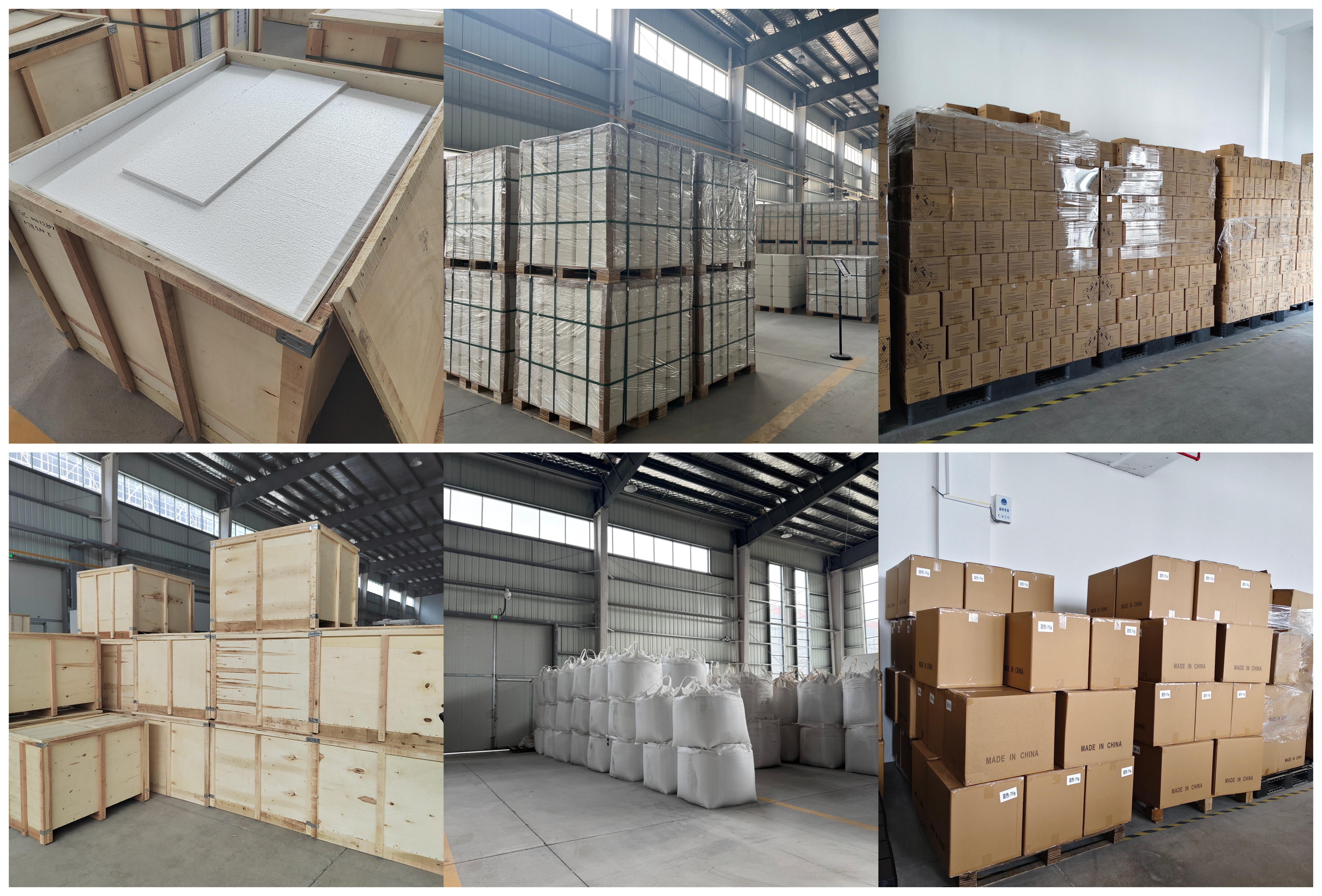
Package
We adopt scientific and standardized packaging solutions tailored to product characteristics to effectively prevent collision, extrusion, dust and moisture damage. With mature global transportation system and strict shipment inspection procedures, we ensure all products remain intact and stable during long-distance delivery, providing customers with safe, efficient and reliable one-stop logistics service.
Services
FAQ
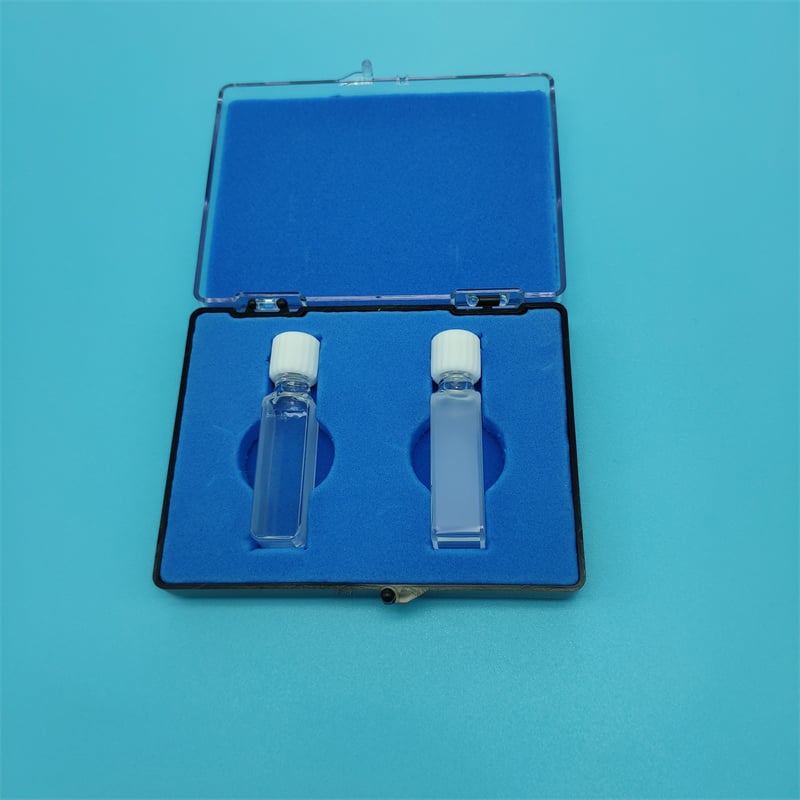
Rectangular Quartz Glass Cuvette with Screw Cap for Lab Test.
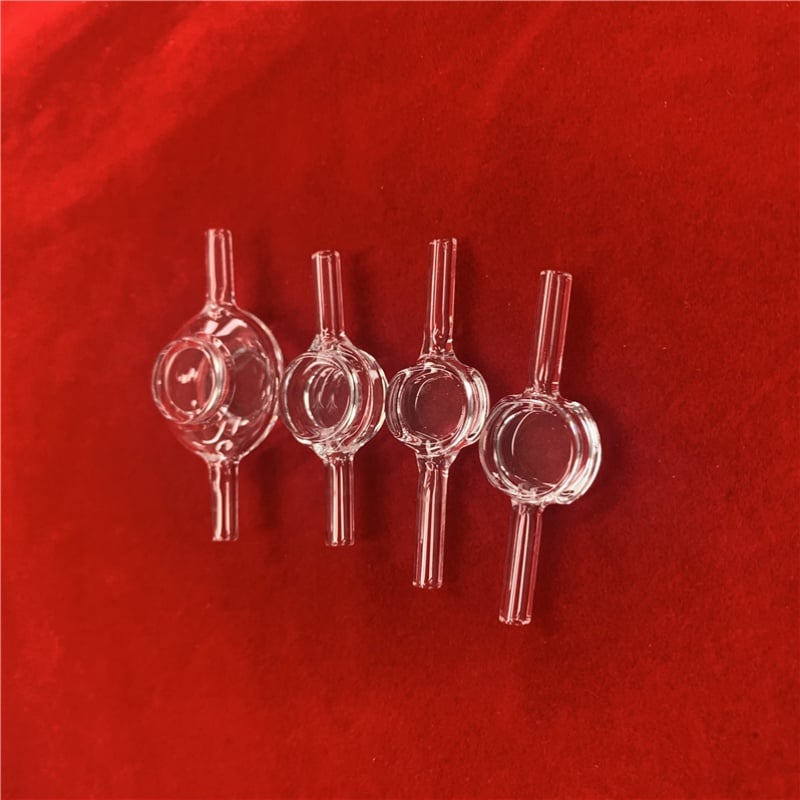
Cylindrical flow quartz cuvette cell for water quality testing
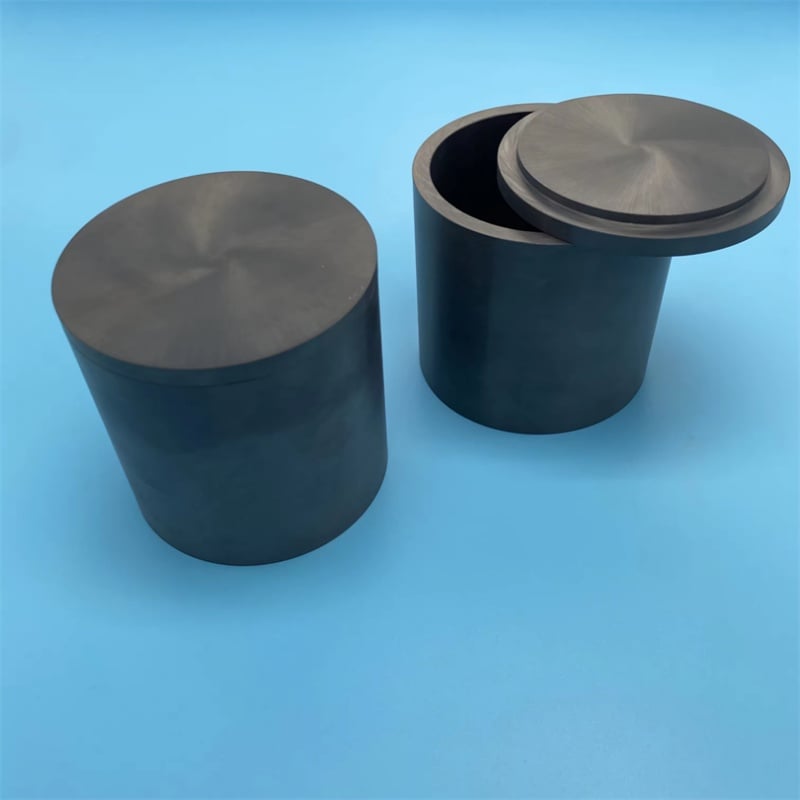
Custom Silicon Nitride Ceramic Crucible Si3N4 ceramic pot for Melting Precious Metal
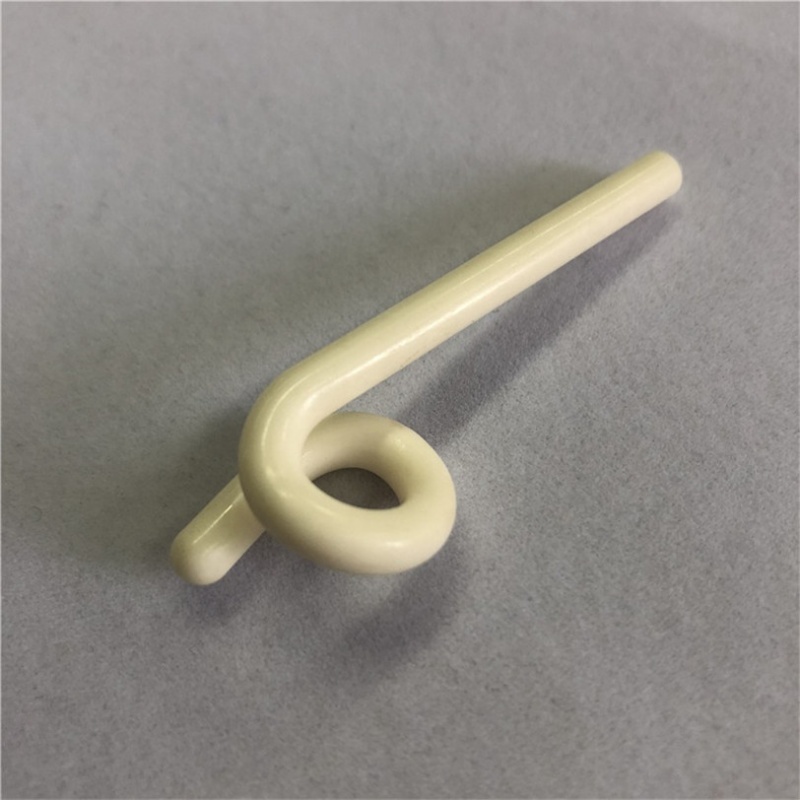
99% Alumina Textile Ceramic Pigtail Guide yarn for false twist texturing machines


 EN
EN