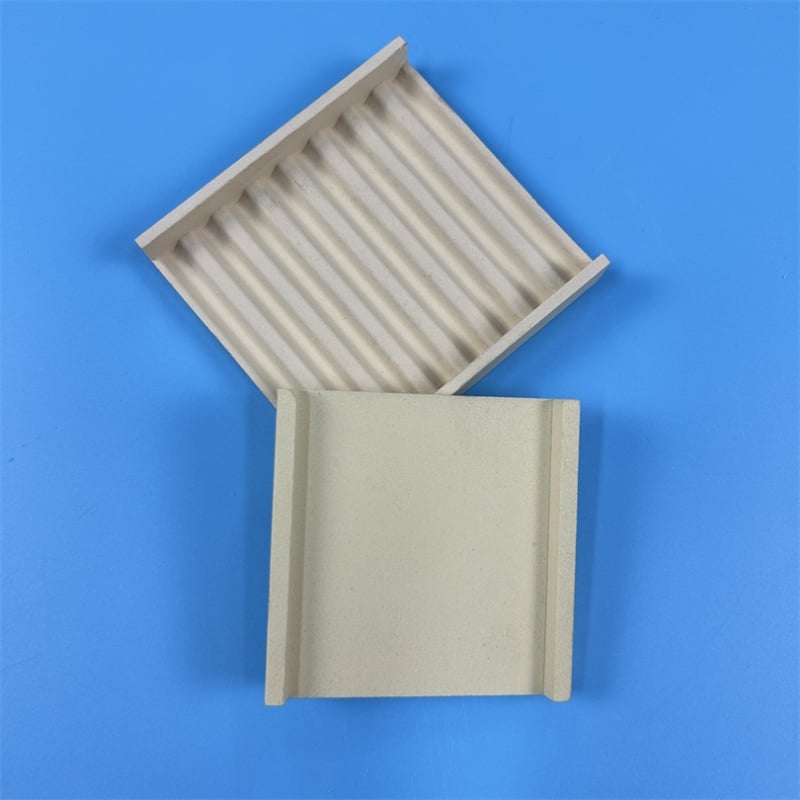
Main Component:
ZrO2+CaO ≥98.2%
Porosity:
Refractory Zirconia Ceramic Porosity is around 20-28%
Color:
Light Yellow
Filtration Accuracy:
Dense grades act as physical barriers with zero permeability; porous variants enable gas diffusion and molten metal filtration down to 10–50 μm
Melting Point:
Approx. 2715℃, featuring ultra-low thermal conductivity (≈2–3 W/m·K) and exceptional thermal shock resistance
Key Properties:
Chemically inert, extreme corrosion resistance against molten metals/slags, high hardness (1200–1300 HV), high fracture toughness (5–10 MPa·m¹/²)
Product Details
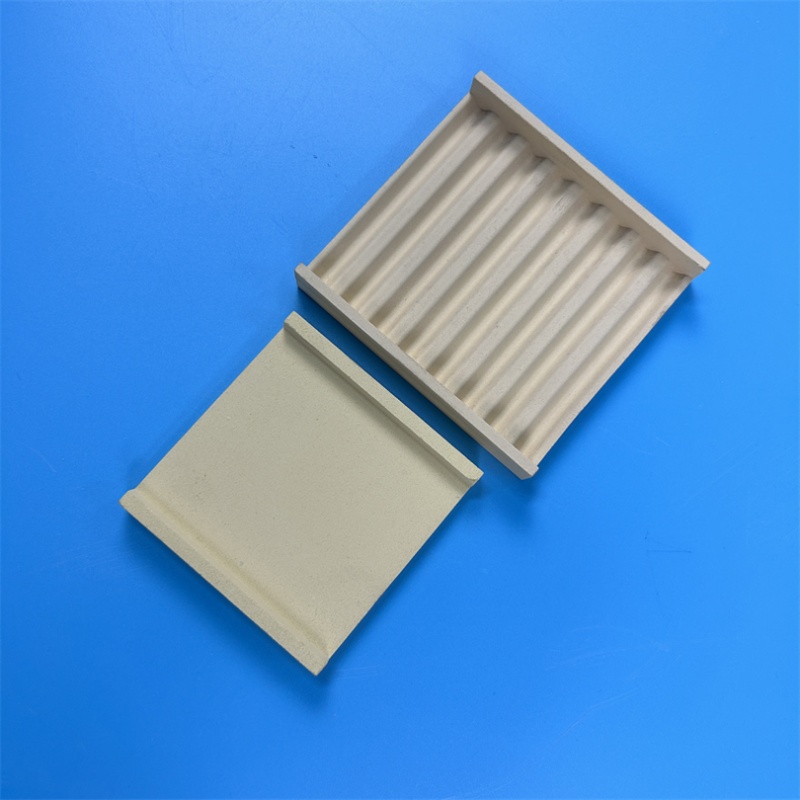
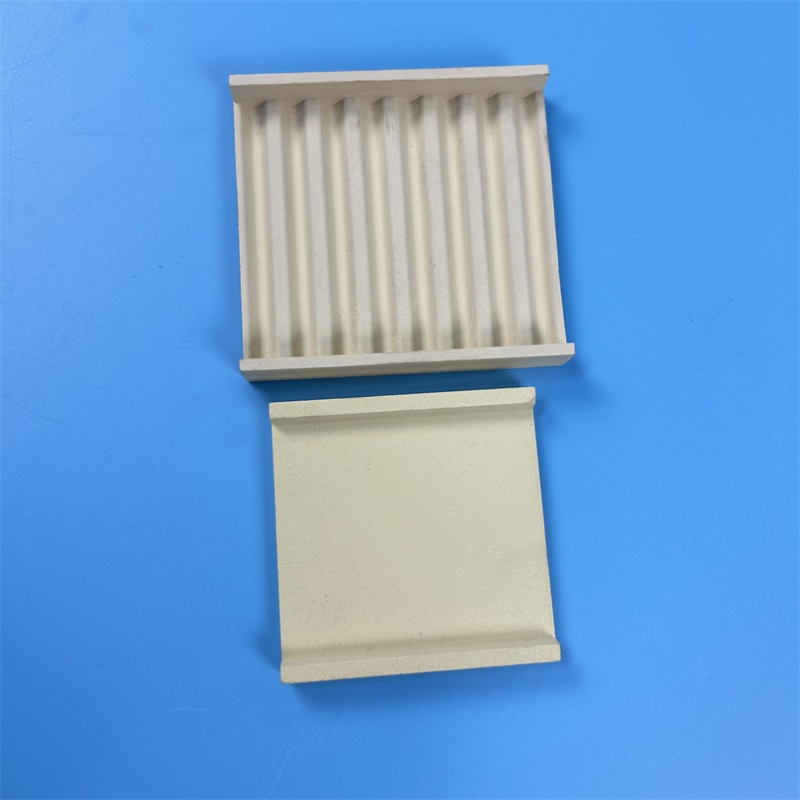
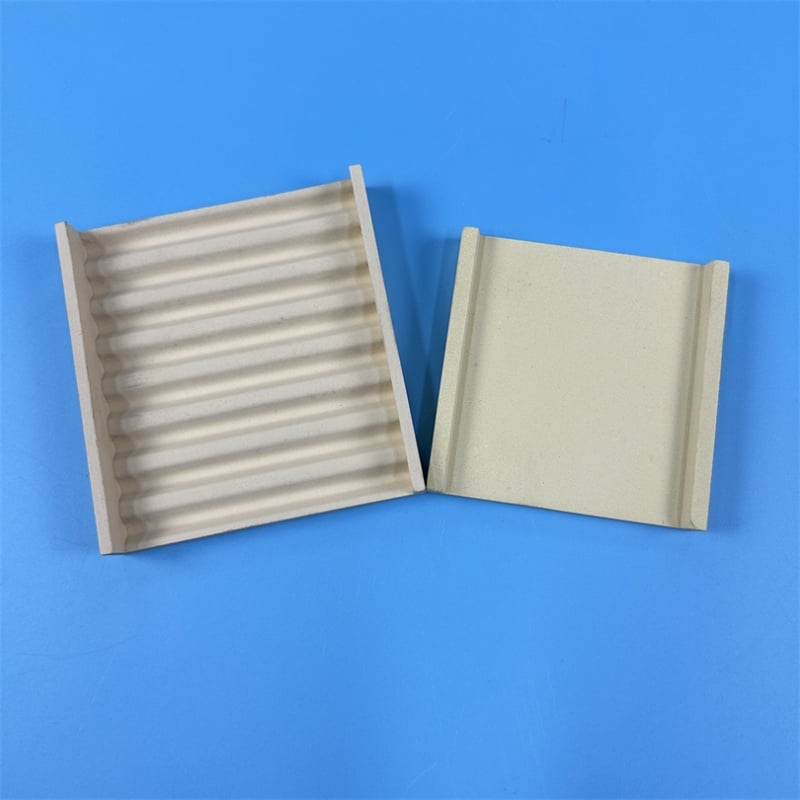
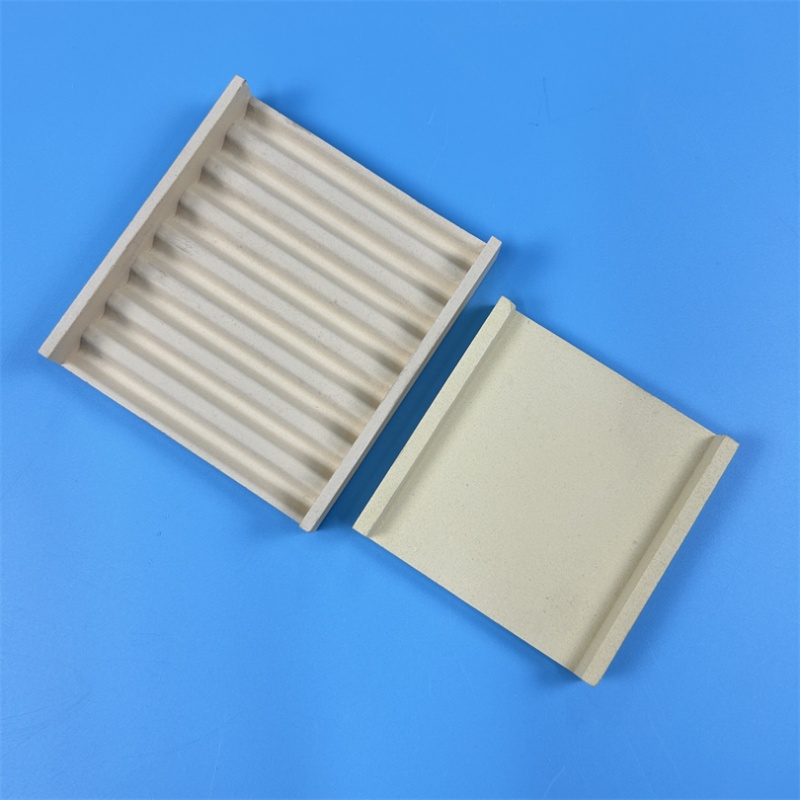
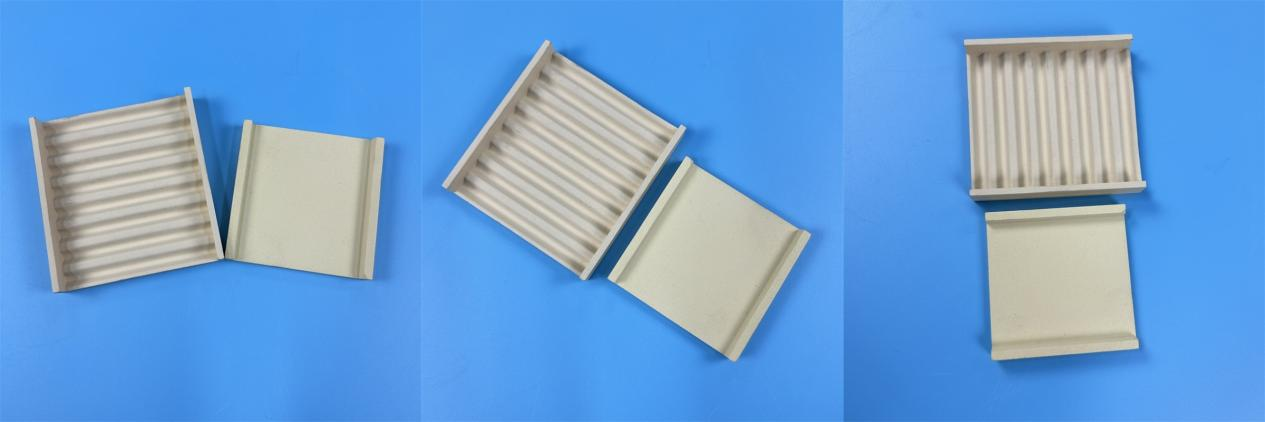
High performance electronic ceramic firing plate is a special refractory material made from fused high-purity partially stabilized zirconia as raw material, and high-temperature sintered with a special process formula. It has excellent chemical resistance and high temperature resistance. Capable of withstanding corrosion from various metal oxide/non-metal oxide melts, with high strength and excellent thermal shock resistance. No chemical reaction or adhesion occurs with the ceramic components being fired,ensuring the stability and consistency of the performance of electronic ceramic products and improving the qualification rate of fired products. Widely used in electronic component industries such as ceramic capacitors, sensitive components, magnetic materials, and chip inductors.
Sintering is the critical final step where a milled, porous, and chalky-whitezirconia blank is heated to an extremely high temperature (typically 1400°C - 1550°C / 2550°F - 2820°F). This process causes the zirconia particles to fuse together, transforming the material into a dense, strong, and translucent final dental restoration (crown, bridge, implant abutment, etc.).
A zirconia setter plate, also known as a sintering tray or firing plate, is a high-precision ceramic platform specifically designed to support zirconia restorations during the high-temperature sintering process. This process involves heating the zirconia to temperatures exceeding 1400°C (2550°F), causing its particles to fuse and densify, resulting in a dramatic linear shrinkage of approximately 20-25%.
The role of the setter plate is far from passive. It acts as the foundation for dimensional accuracy. By providing a perfectly flat, stable, and chemically inert surface, it ensures that the zirconia shrinks uniformly and predictably in all directions. Without this critical support, restorations are prone to warping, twisting, or developing internal stresses, leading to ill-fitting prostheses that require costly remakes.
Furthermore, the setter plate guarantees a contamination-free environment, preventing surface defects or discoloration, and promotes uniform heat distribution throughout the furnace chamber, which is essential for achieving consistent mechanical strength and optimal translucency in the final product.
In essence, the zirconia setter plate is a quintessential example of precision engineering. It is not merely a tray but a vital process control tool that underpins the entire sintering cycle, ensuring that the promise of digital dentistry—perfectly fitting, aesthetically
superior, and incredibly strong restorations—is reliably delivered.
Why are They So Important? Key Functions
Dimensional Stability and Prevention of Warping: During sintering, zirconia shrinks linearly by approximately 20-25%. The setter plate provides a perfectly flat, stable, and supportive surface to ensure this shrinkage occurs evenly and predictably in all dimensions. Without proper support, restorations can warp, leading to ill-fitting prostheses.
Contamination-Free Surface: High-purity zirconia setter plates are chemically inert. They do not react with or stick to the zirconia restoration at high temperatures. Using lower-quality plates or materials can lead to contamination, surface defects, or discoloration of the restoration.
Thermal Uniformity: Zirconia setter plates are designed to withstand thermal shock and distribute heat evenly throughout the sintering furnace. This uniform heating is crucial for achieving consistent physical properties (strength, translucency) and color throughout the entire restoration.
Accommodation of Complex Geometries: Many setter plates have pre-formed grooves, pins, or custom supports to hold multi-unit bridges or anatomically complex shapes securely, preventing contact between units and ensuring even support.
Key Considerations and Best Practices
Technical Data of Zirconium dioxide
理化性能指标 | ||
|
化学成分 compositon
|
ZrO2+CaO |
≥98.2% |
Al2O3 |
≤0.5% |
|
SiO2 |
≤0.5% |
|
TiO2 |
≤0.2% |
|
Fe2O3 |
≤0.1% |
|
MgO |
≤0.1% |
|
|
产品性能 product properties |
最高使用温度 Max.use temperature |
1900℃ |
|
体积密度 Bulk density |
4.5-4.6g/cm3 |
|
|
显气孔率 Porosity |
20-28% |
|
|
抗弯强度 Bending Strength |
≥20MPa |
|
|
热膨胀率 Thermal expansion(1000℃) |
0.7-0.8% |
|
|
荷重软化温度 Refractoriness under load |
≥1750℃ |
|
|
颜色 Color |
淡黄 Light yellow |
|
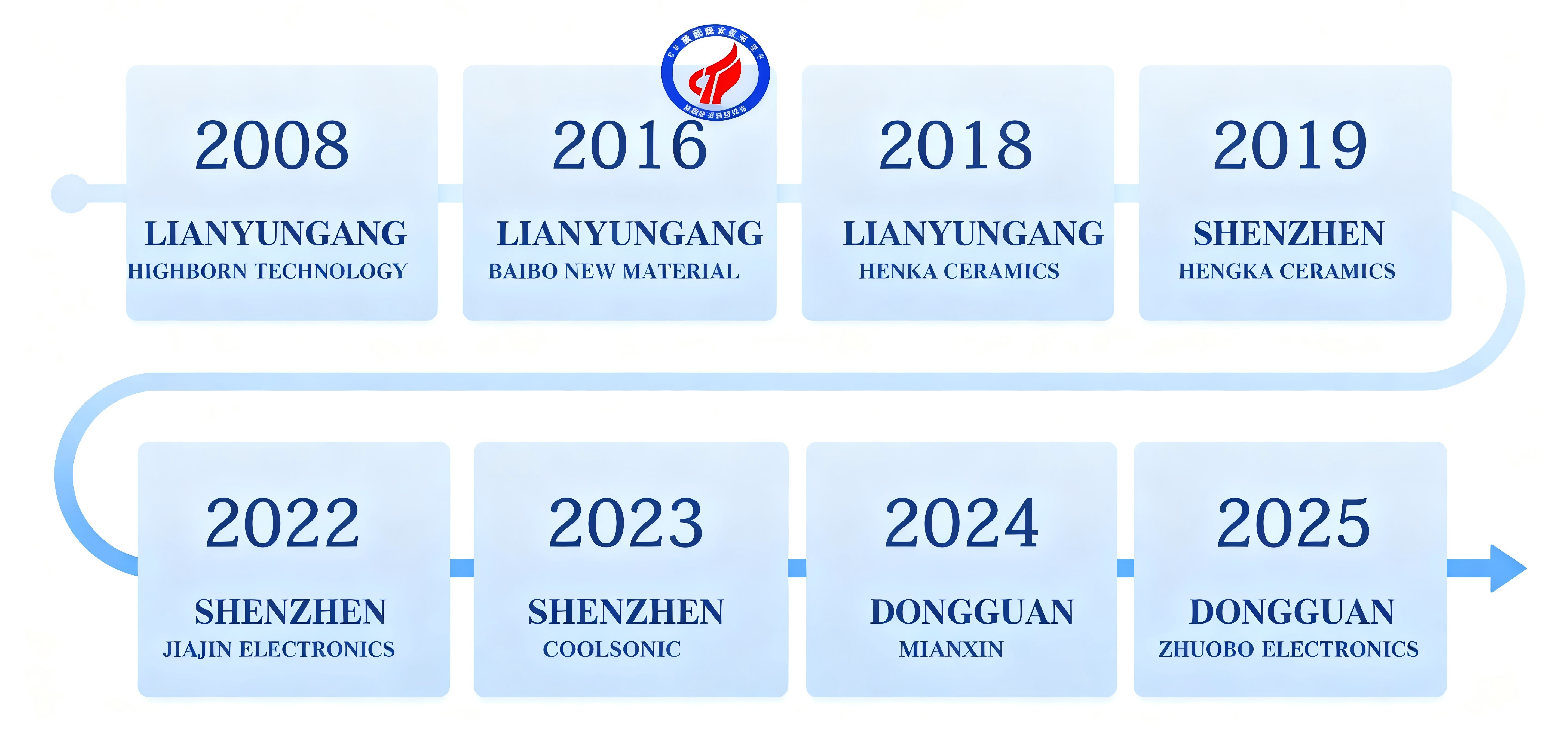
Development History
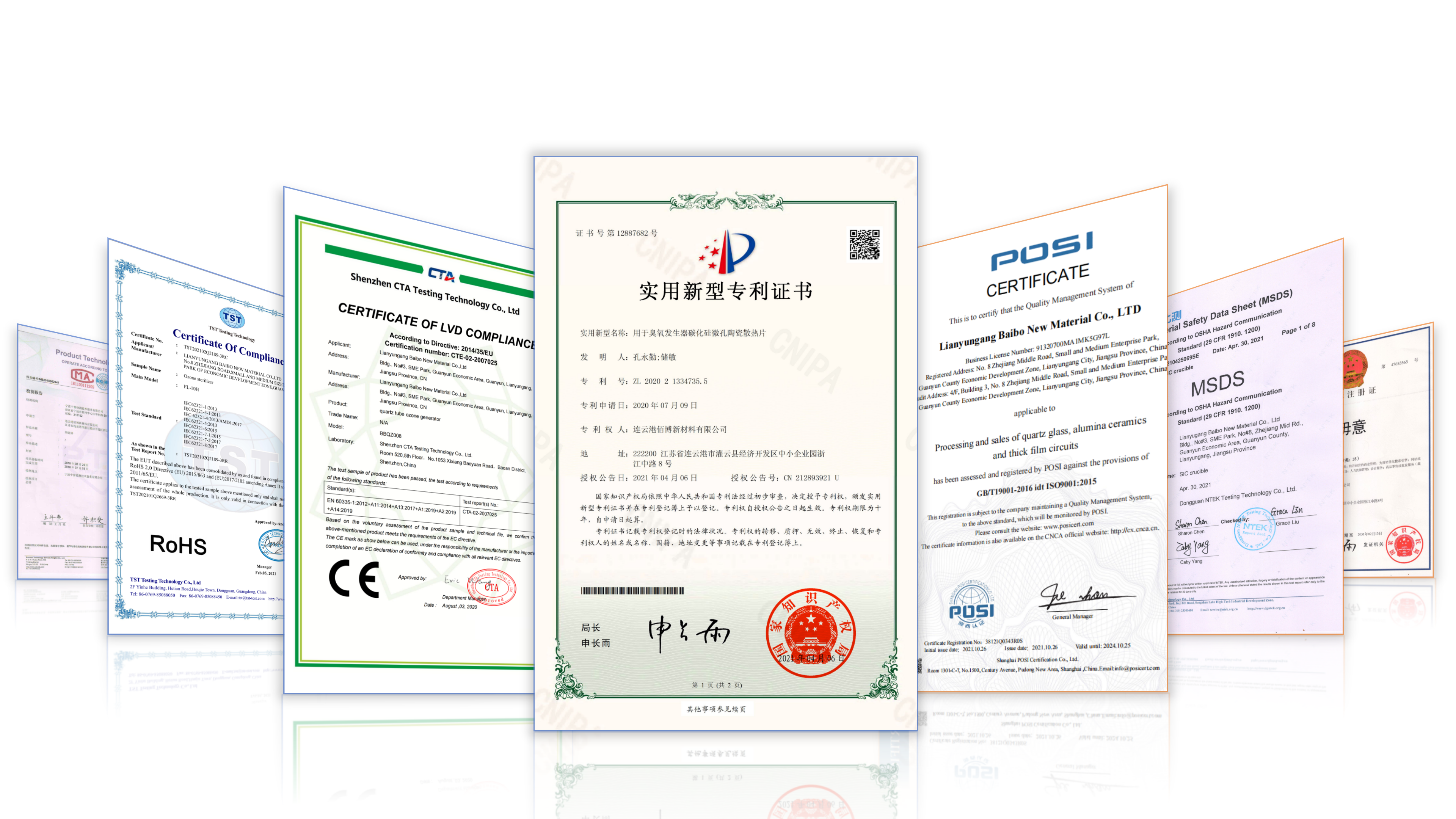
Patents and certification
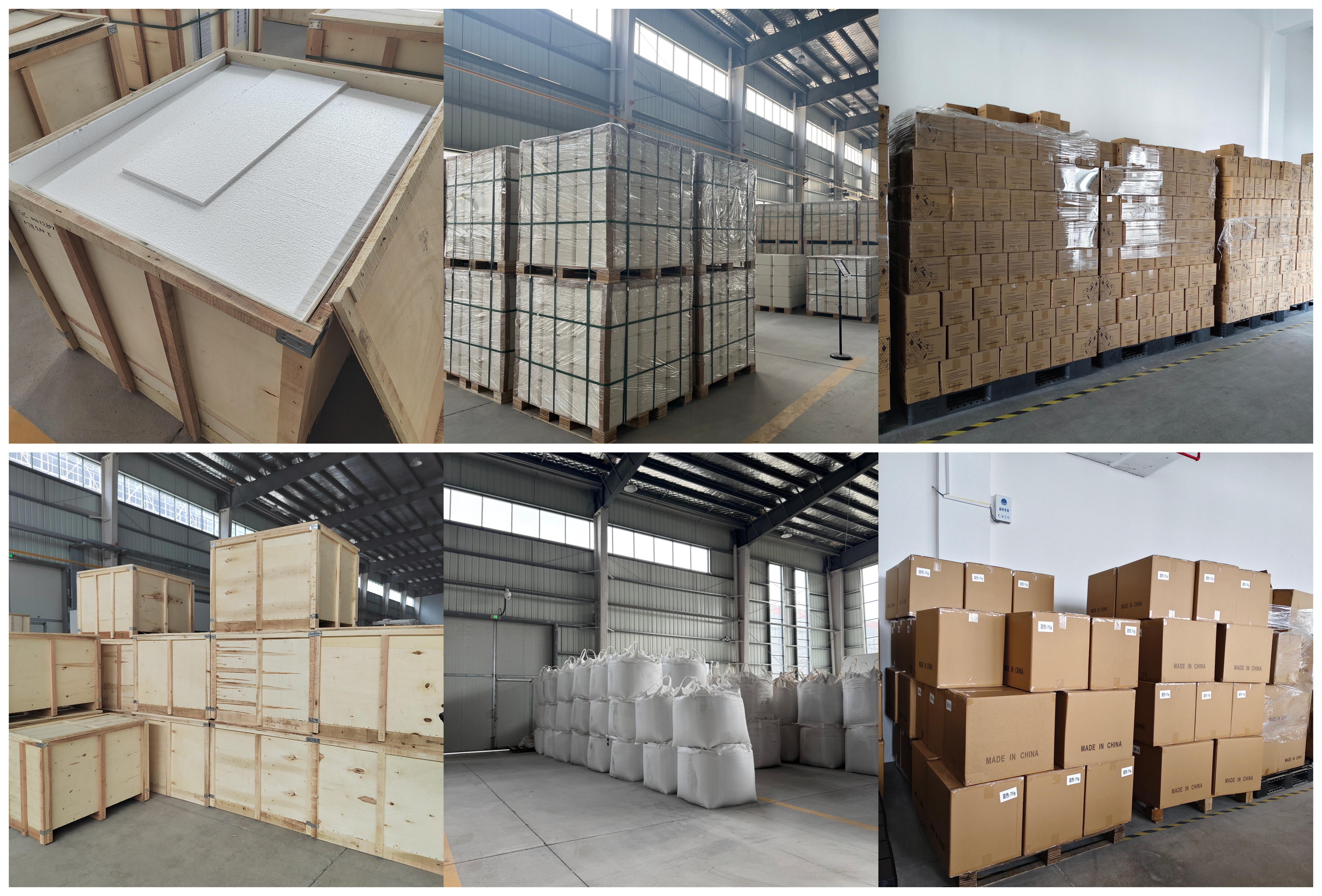
Package
Services
FAQ
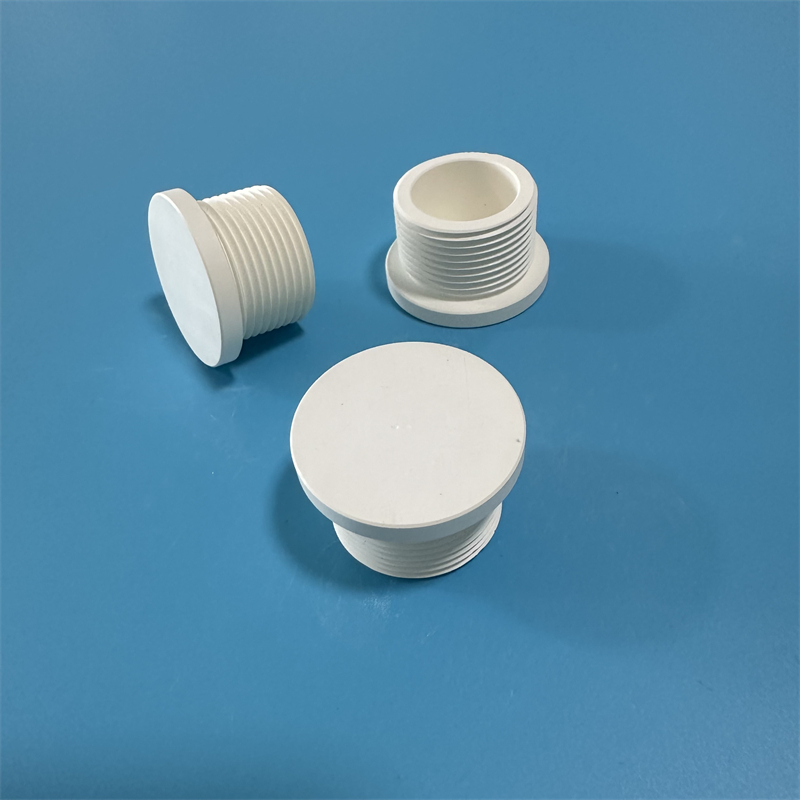
Boron Nitride Ceramic Threaded Bushing BN Ceramic Parts
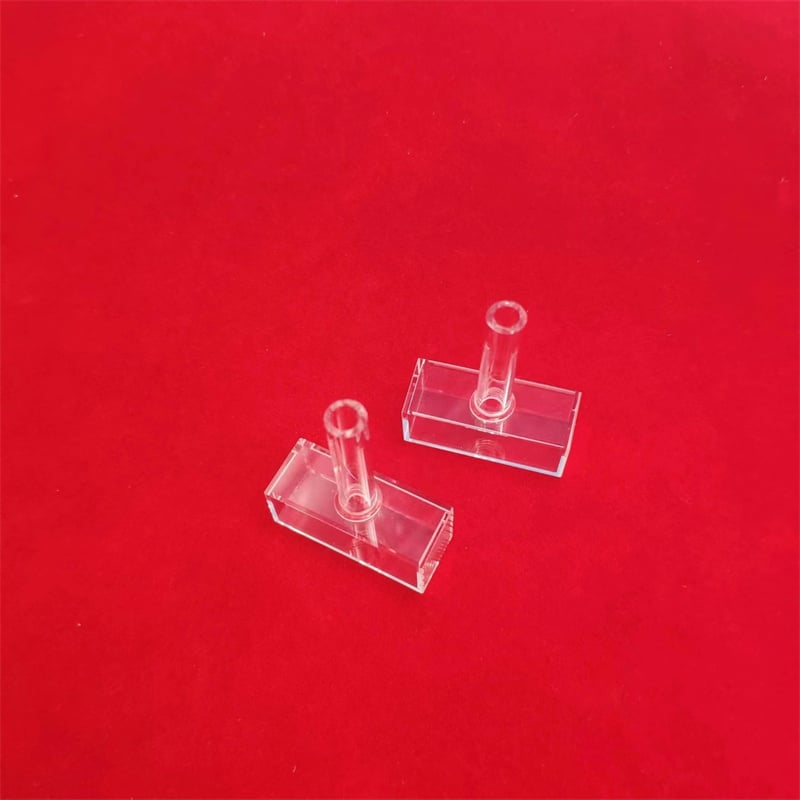
Quartz Glass Cuvette Optilcal Glass Vapor Cell for Atomic Spectroscopy
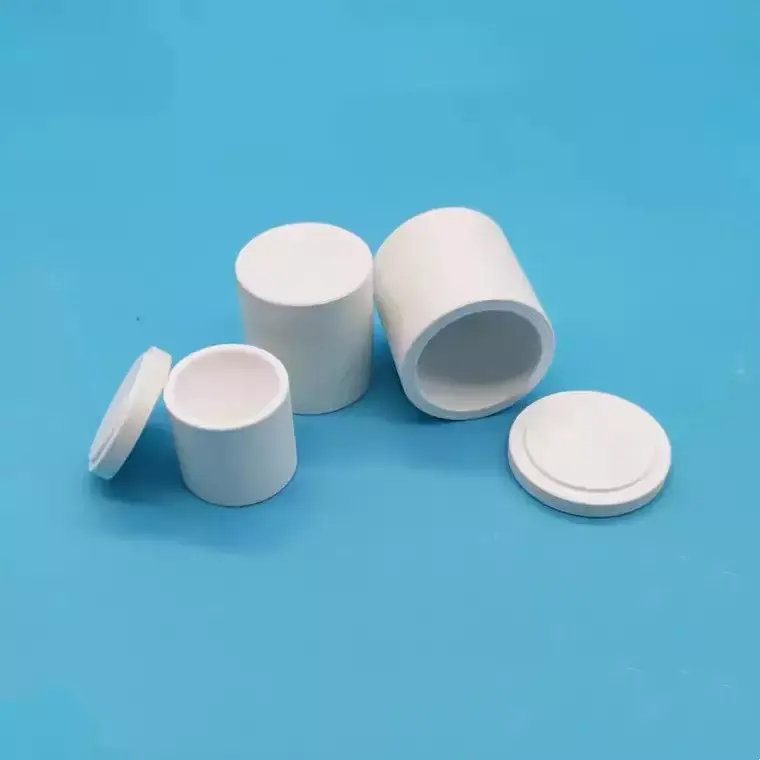
Boron Nitride Crucibles: High-Temperature Solutions for Metal Processing
Electrical C221 C220 Ceramic Insulator Steatite Ceramic part Socket Shell for Electrical Equipments


 EN
EN