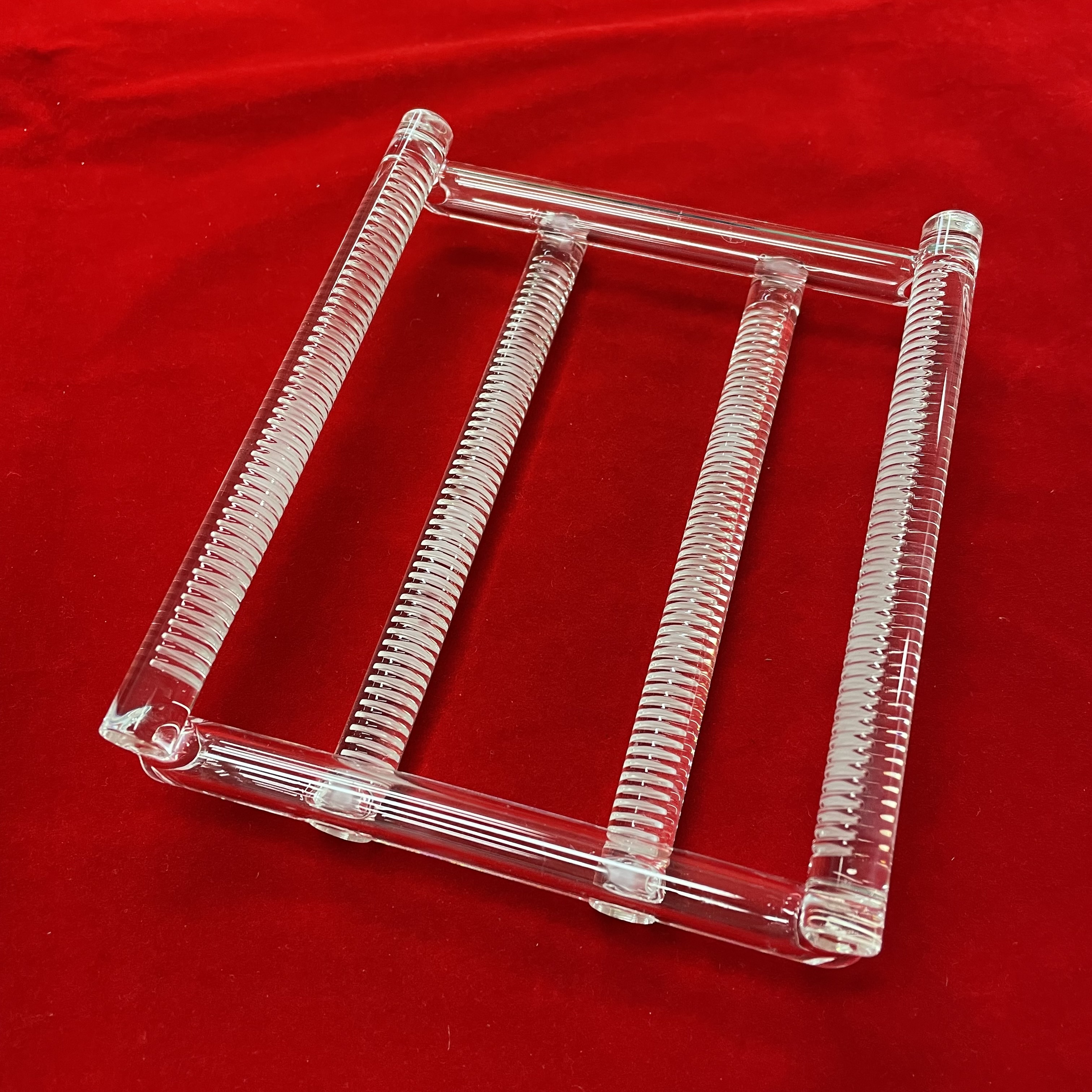
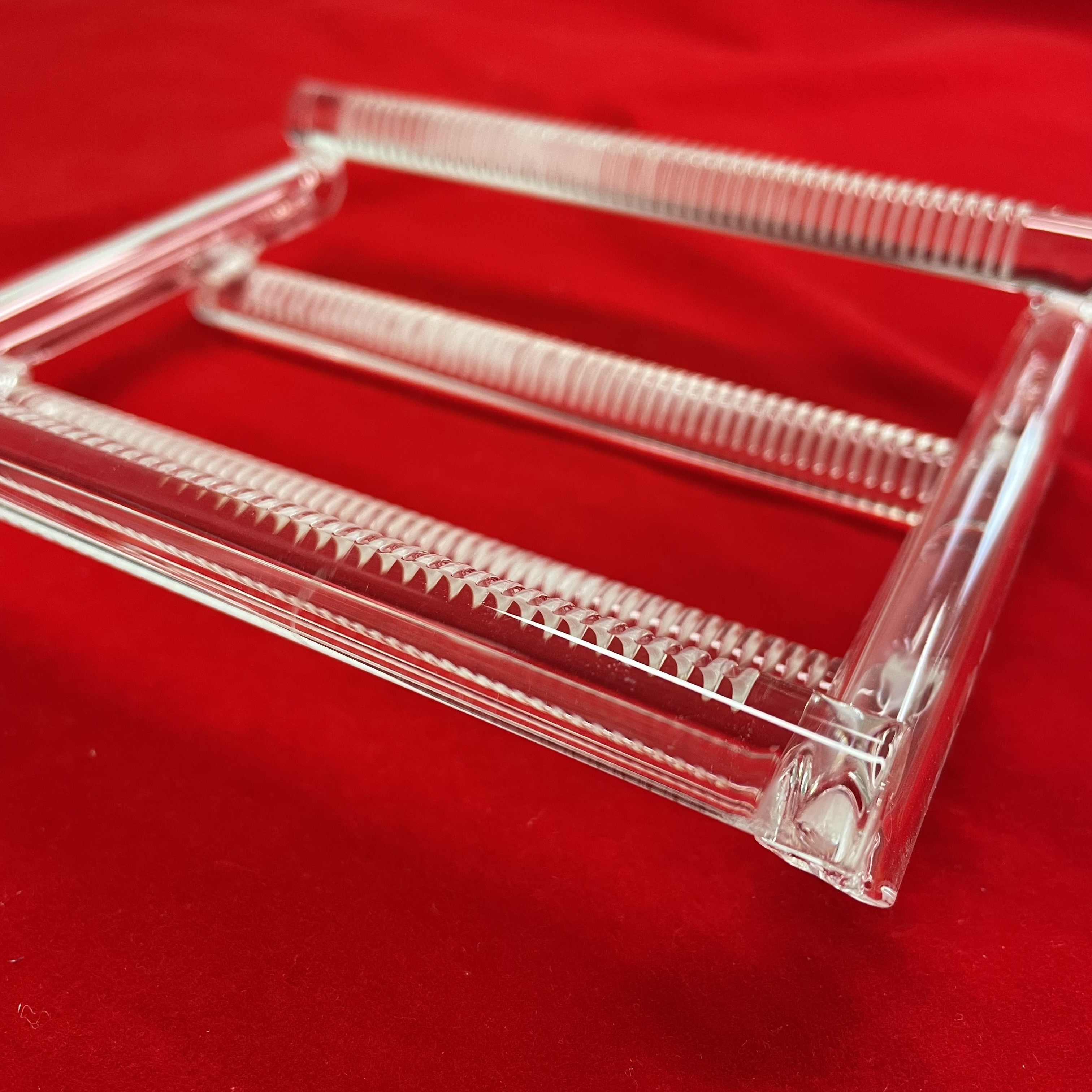
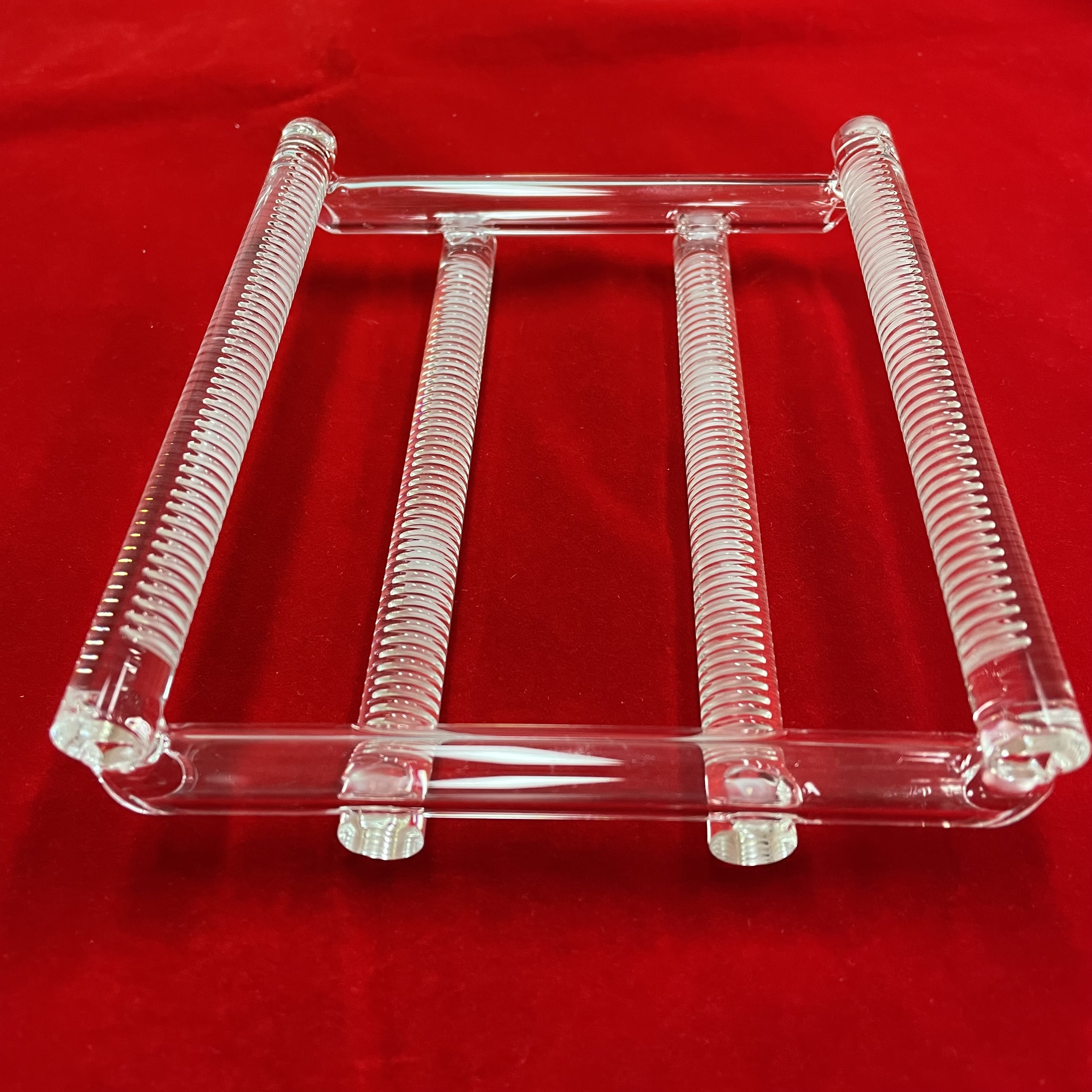
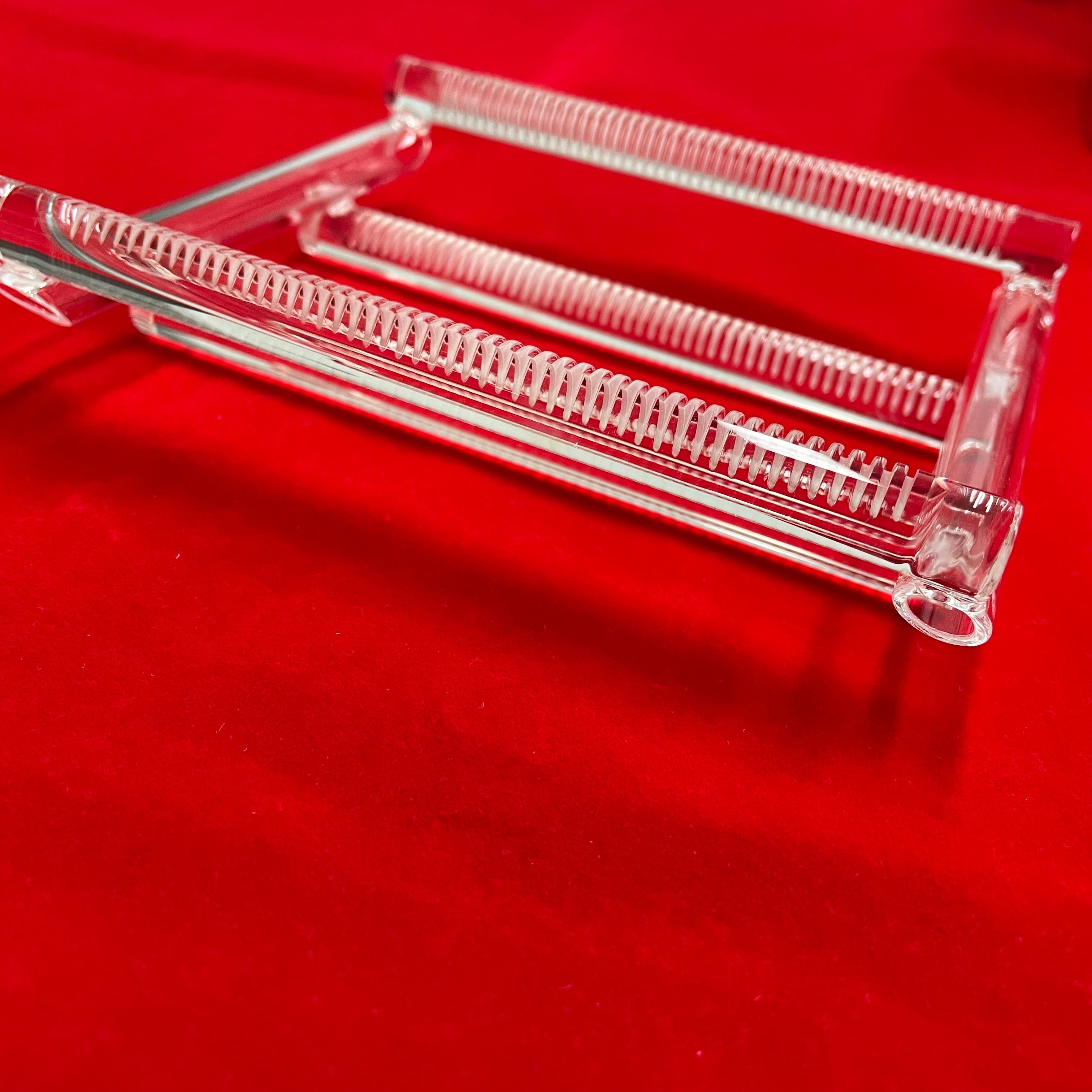
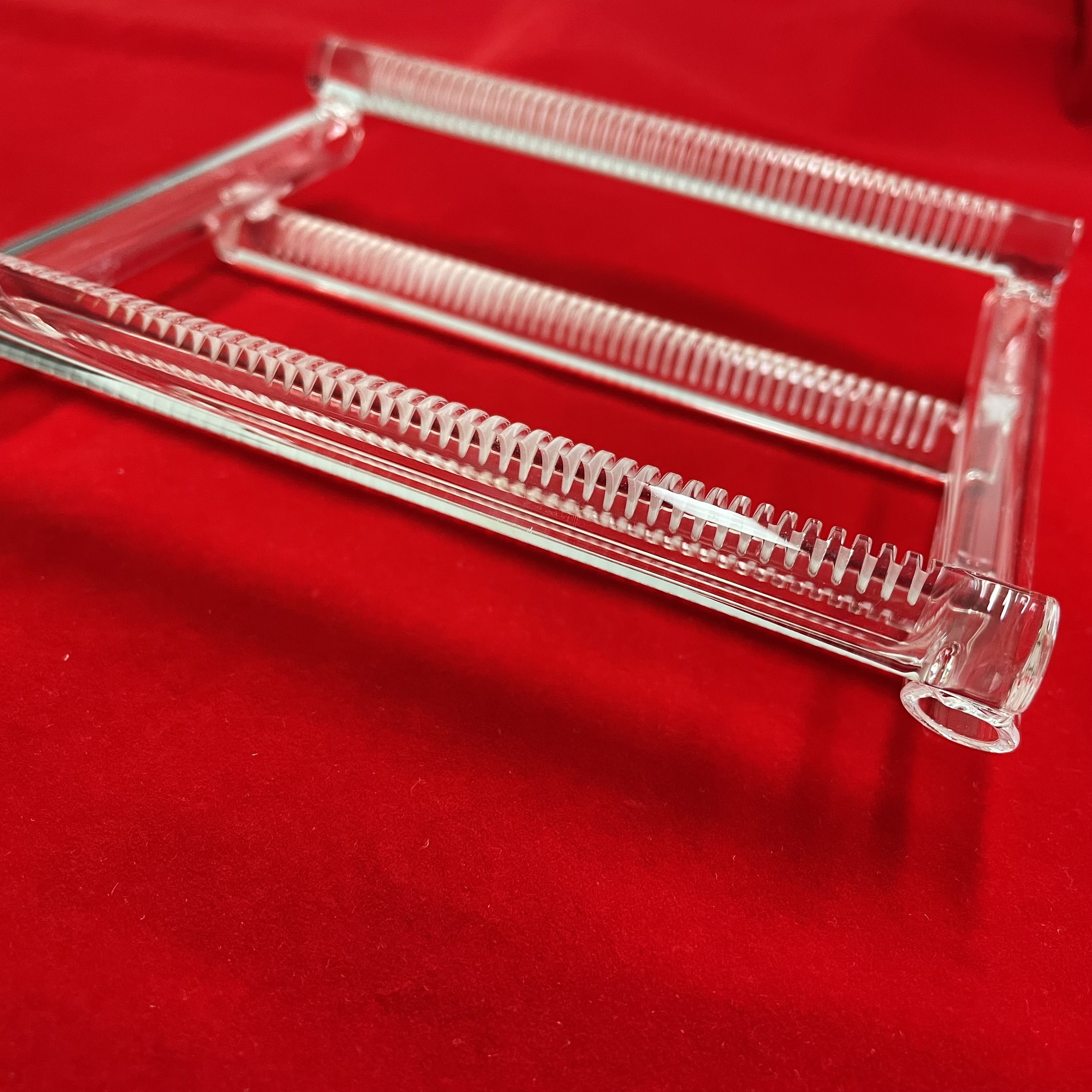
Clear Quartz boat Size
The size we often produce is 4inch, 6inch, 8inch and so on. And we can design and customize it according to clients’ requirement.
Hardness
Mohs hardness of approximately 7, similar to that of glass
SiO₂ Purity
Purity of silicon dioxide, typically ≥99.99% for semiconductor-grade crucibles
Maximum Operating Temperature
The highest temperature the quartz boat can withstand continuously, up to 1100℃
The short time working temperature is 1200℃
Product Details
1.Introduction to the Quartz Boat
A Quartz Boat, also known specifically in the semiconductor industry as a Wafer Boat or Process Boat, is a high-precision component made from high-purity fused quartz. It is designed to hold and transport silicon wafers during various high-temperature manufacturing processes.
Its primary function is to serve as a carrier or rack, ensuring that multiple wafers are held securely in a precisely spaced, vertical position while they are processed inside furnaces and reaction chambers.
2.Key Characteristics
2.1 Exceptional High-Temperature Resistance:
Fused quartz can withstand temperatures exceeding 1100°C without softening or deforming, which is essential for processes like diffusion and oxidation.
2.2 Ultra-High Purity:
It is made from high-purity synthetic quartz, which is virtually free of metallic impurities. This prevents contamination of the sensitive silicon wafers, which is critical for achieving high product yields and performance.
2.3 Superior Thermal Stability:
Quartz has a very low coefficient of thermal expansion, meaning it can endure rapid heating and cooling cycles (thermal shock) without cracking.
2.4 Excellent Chemical Inertness:
It is highly resistant to corrosion from most acids, halogens, and other aggressive process gases used in semiconductor fabrication.
2.5 High Mechanical Strength & Stability
Maintains structural integrity and dimensional stability under heavy load at high temperatures, preventing wafer warping.
The quartz boat is essential for semiconductor manufacturing due to its exceptional high-temperature resistance and ultra-high purity, which prevent contamination. Its superior thermal shock resistanceand excellent chemical inertness allow it to perform reliably in harsh process environments. Furthermore, its precision engineering ensures wafers are processed uniformly and without damage.
3.Advantages of the quartz boat
3.1 High Temperature Resistance:
The softening point temperature of quartz glass is about 1730℃, which can be used at 1200℃ for a long time. The short time use temperature can reach 1450℃.
3.2 Good Thermal Stability:
Quartz glass coefficient of thermal expansion is small, can withstand drastic temperature changes, the quartz glass heated to about 1200 ℃, put room temperature water will not blow up.
3.3 Corrosion Resistance:
Except for hydrofluoric acid, quartz glass almost does not react chemically with other acids, and its acid resistance is 30 times that of ceramics and 150 times that of stainless steel.
3.4 Strong Insulation:
The resistance value of quartz glass is equivalent to 10,000 times that of ordinary glass, which is a very good electrical insulation material and has good insulation performance at room temperature.
3.5 Good Light Transmittance:
In the entire spectrum of ultraviolet to infrared wavelengths have good light transmission, visible light transmission rate of 93% or more in the ultraviolet spectrum region, the transmission rate of 80 or more.
4.Common Applications
Wafer Carrier for HighTemperature Processes: The primary function is to hold and transport silicon wafers in furnaces and reaction chambers.
Critical for Doping and Diffusion: Enables the introduction of impurities into silicon wafers to create transistors and circuits.
Essential for Thermal Oxidation: Used to grow insulating oxide layers on wafers.
Support in Thin-Film Deposition (CVD): Holds wafers during coating processes.
Foundation in Solar Cell Production: Used to manufacture the p-n junction in photovoltaic cells.
In essence, wherever ultra-clean, high-temperature processing of silicon wafers or similar substrates is required, the quartz boat is an indispensable tool.
4.1 Semiconductor Manufacturing (Core Application)
Thermal Oxidation: Used to carry silicon wafers in high-temperature furnaces to grow a thin, uniform layer of silicon dioxide (SiO₂) on the wafer surface.
Diffusion: Employed in doping processes where wafers are exposed to dopant gases at high temperatures to alter the electrical properties of silicon.
Chemical Vapor Deposition (CVD): Serves as a holder for wafers during processes that deposit thin films of various materials.
Annealing: Used in furnaces to anneal wafers (heat and slowly cool) to repair crystal damage or activate dopants.
4.2 Photovoltaic (PV) Industry
Used in the diffusion process to create the p-n junction, which is the fundamental heart of a solar cell.
Also employed in other high-temperature processing steps for silicon solar wafers.
4.3 LED and MEMS Fabrication
Essential for the high-temperature processing steps involved in manufacturing Light-Emitting Diodes (LEDs) and Micro-Electro-Mechanical Systems (MEMS).
Quartz test tubes are indispensable high-performance laboratory and industrial components crafted from high-purity fused silica, typically boasting a silica content of 99.9% or higher, with premium variants reaching 99.99% SiO₂ purity. The manufacturing process involves melting natural quartz crystals at an ultra-high temperature of around 2000°C, followed by precision processing techniques like stretching and shaping to ensure uniform wall thickness and structural integrity. These tubes stand out from ordinary glass and borosilicate alternatives due to their exceptional combination of thermal, chemical, optical, and mechanical properties, making them irreplaceable in numerous high-demand scenarios.
Technical Parameters
| Property Content | Unit | Property Index |
| Density | g/cm³ | 1.9-2.0 |
| Tensile Strength | Pa(N/m²) | 4.9×10⁷ |
| Compression Strength | Pa | >1.0×10⁸ |
| Coefficient of Thermal Expansion | cm/cm·℃ | 5.4×10⁻⁷ |
| Thermal Conductivity | W/m·℃ | Low |
| Specific Heat | J/kg·℃ | 650 |
| Softening Point | ℃ | 1600 |
| Annealing Point | ℃ | 1100 |
| Aluminum | Iron | Potassium | Lithium | Copper | Sodium | Boron | Calcium | Magnesium |
| Al | Fe | K | Li | Cu | Na | B | Ca | Mg |
| 65 | 1.17 | 4.4 | 7.21 | 0.13 | 5 | 0.1 | 1.21 | 0.07 |
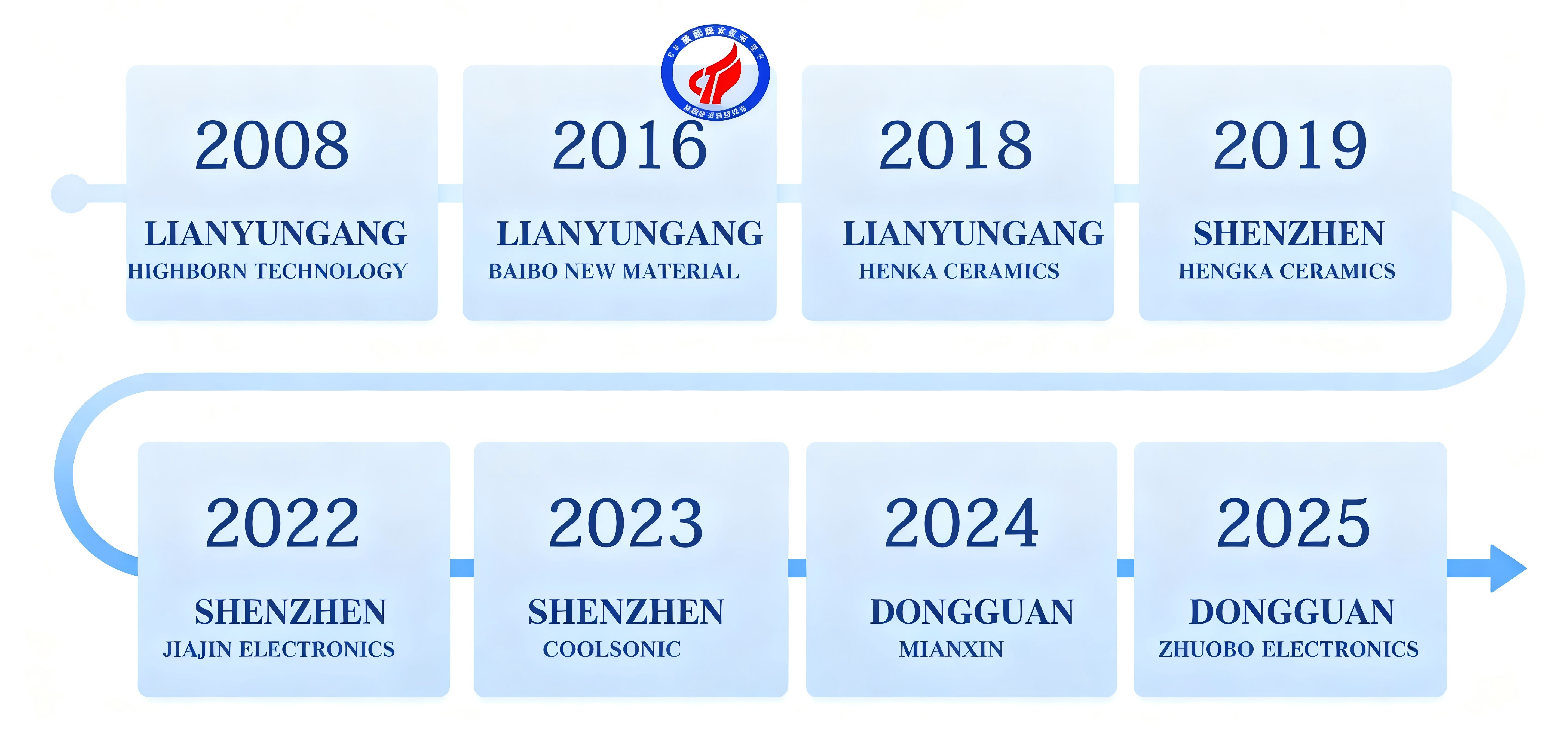
Development History
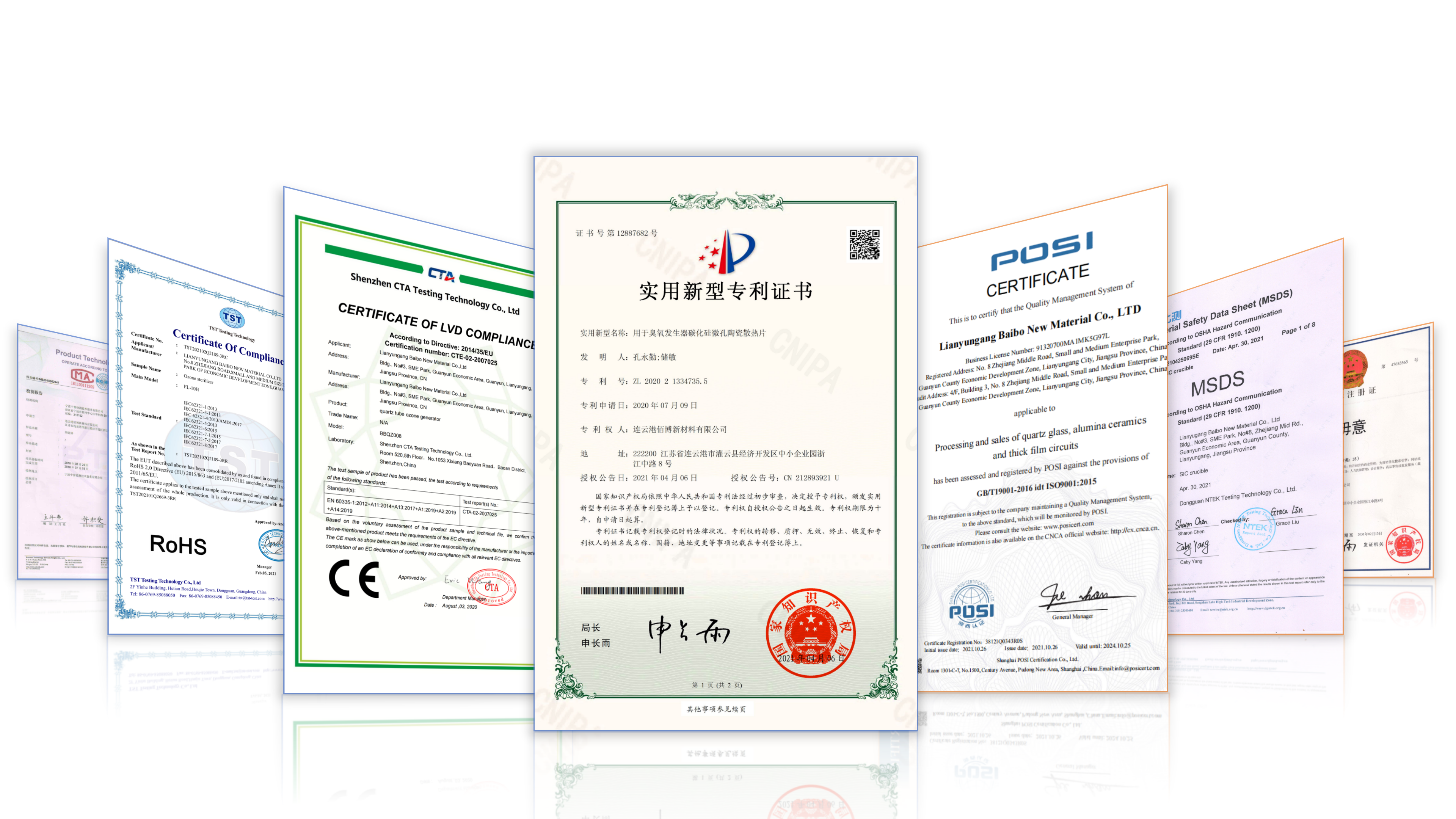
Patents and certification
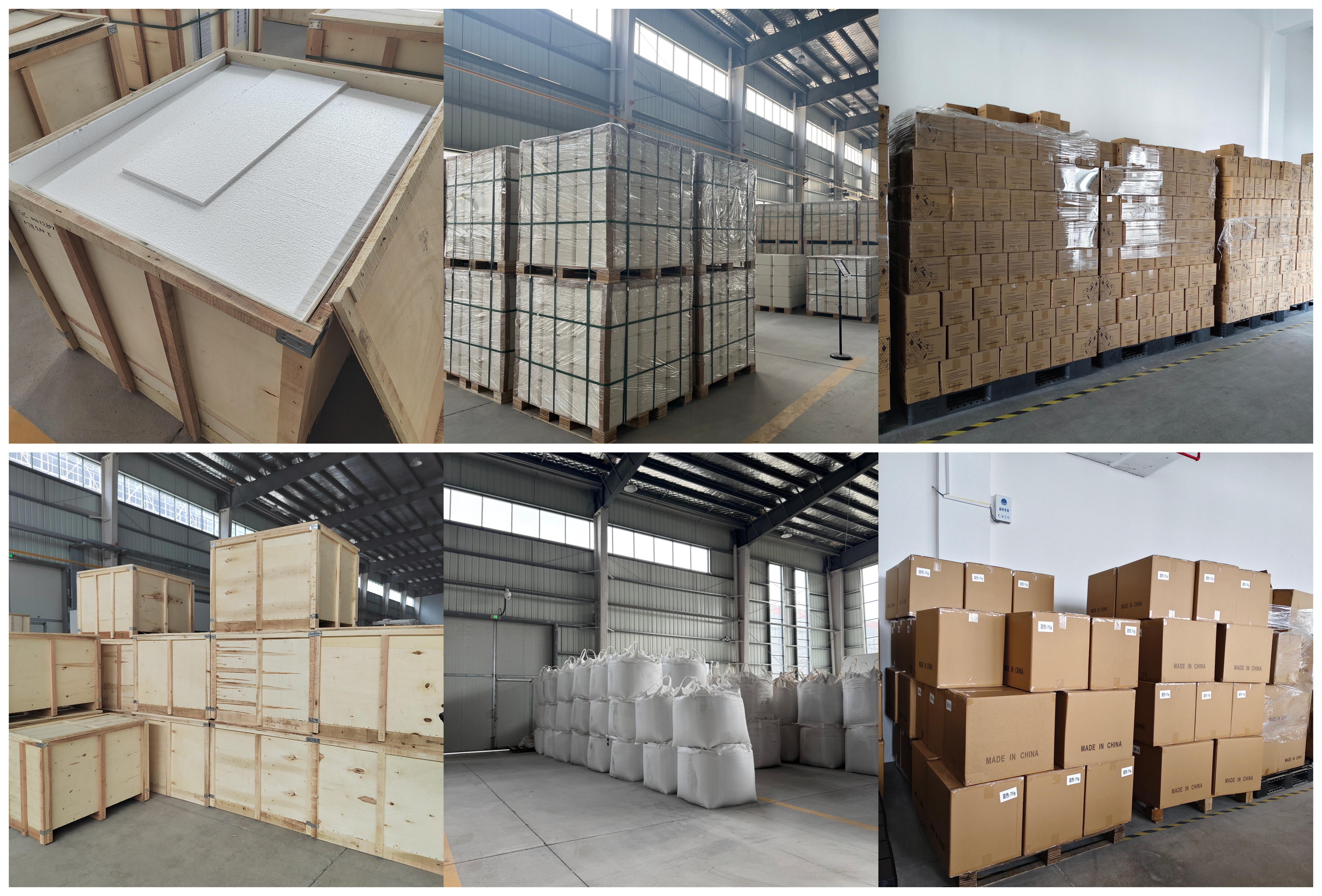
Package
Services
FAQ
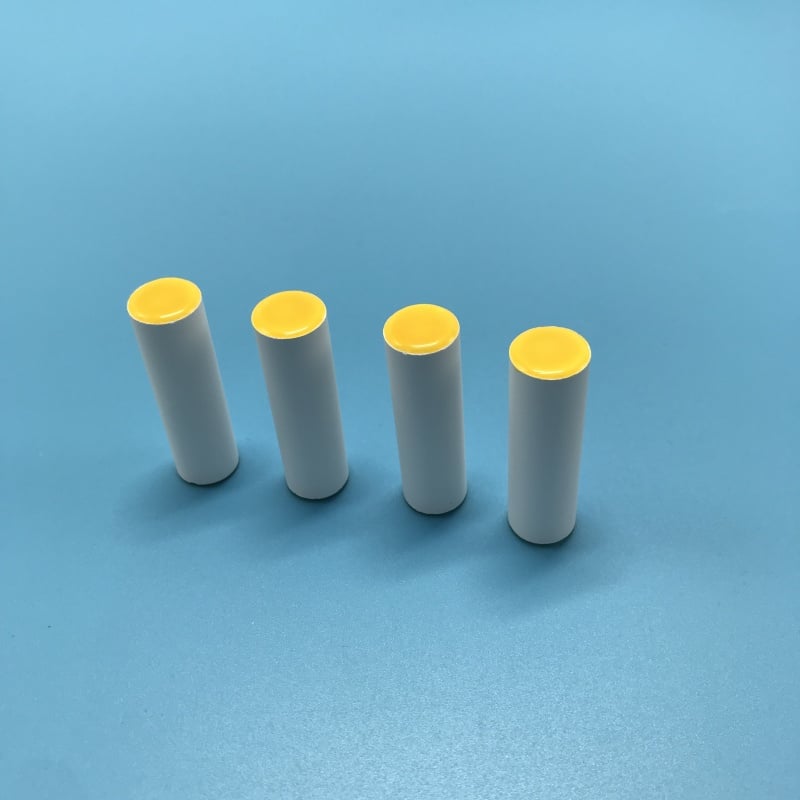
Customized car aromatherapy rod porous ceramic fragrance stick
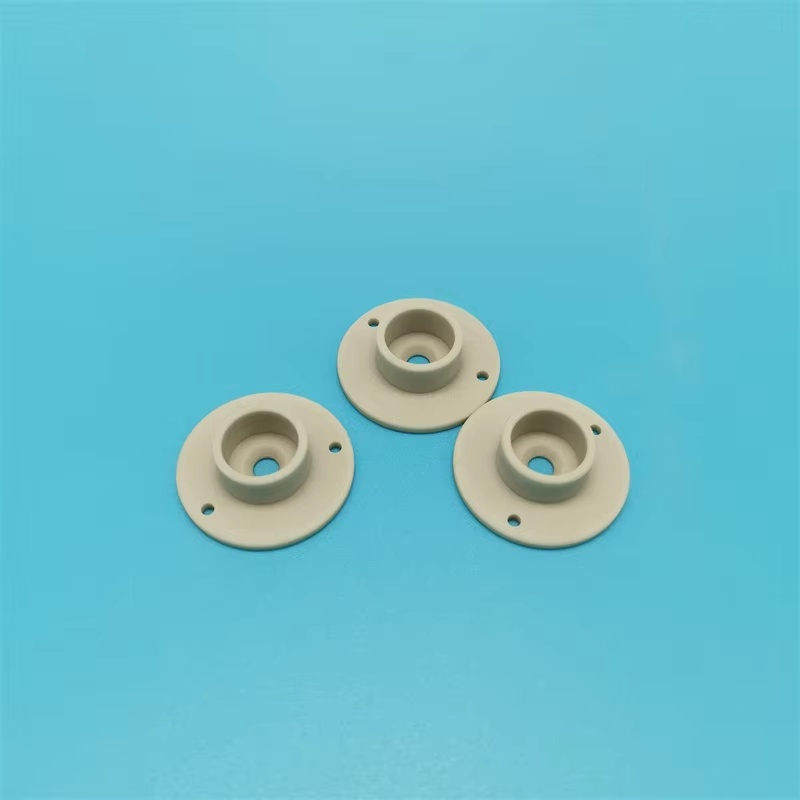
High Thermal Conductivity Alumina Nitride ALN Ceramic Insulation Part Component
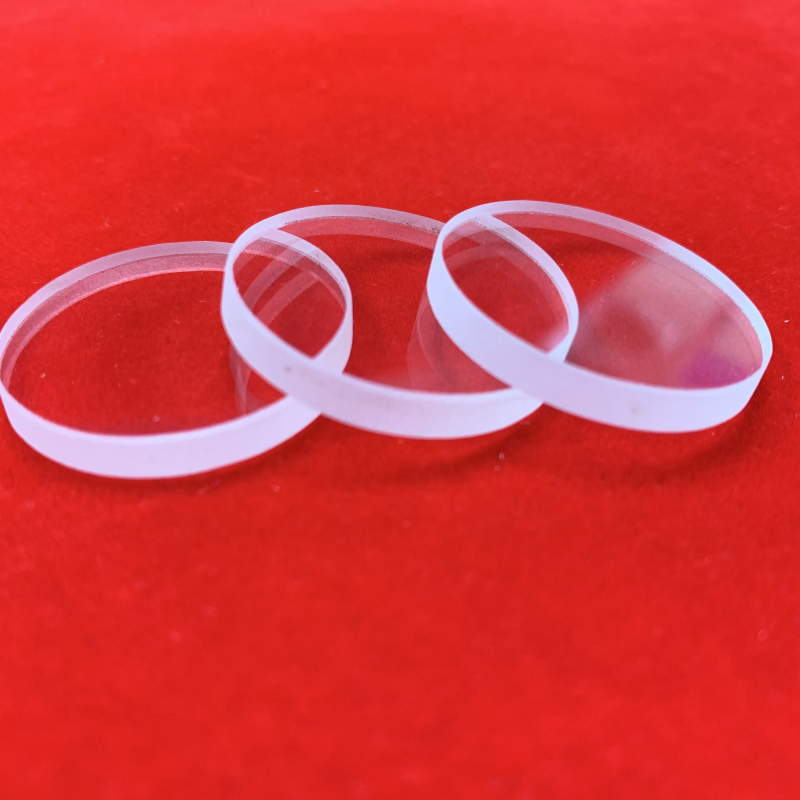
High UV transmission round clear fused quartz disc
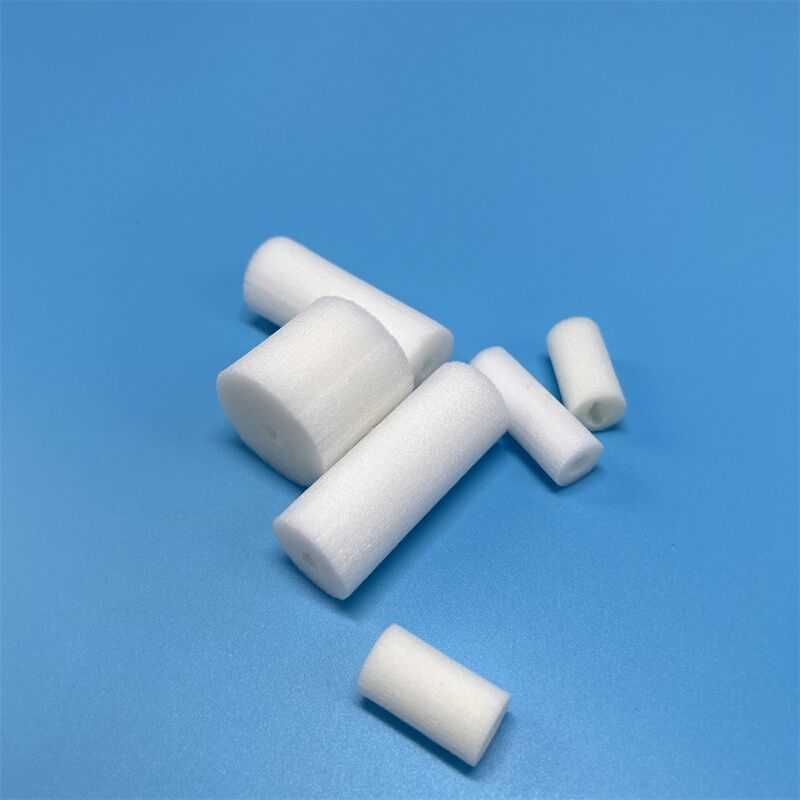
Customized PET Polymer Cotton Microporous Oil Storage Integrated Cotton


 EN
EN