Product Details
1. Overview of Aluminum Nitride (AlN) Ceramic Tubes
1.1 General introduction
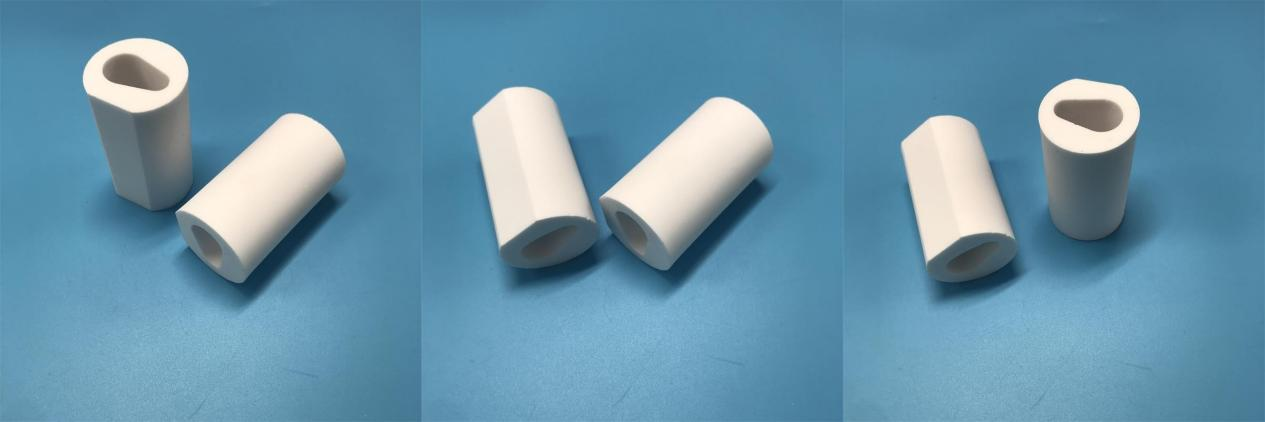
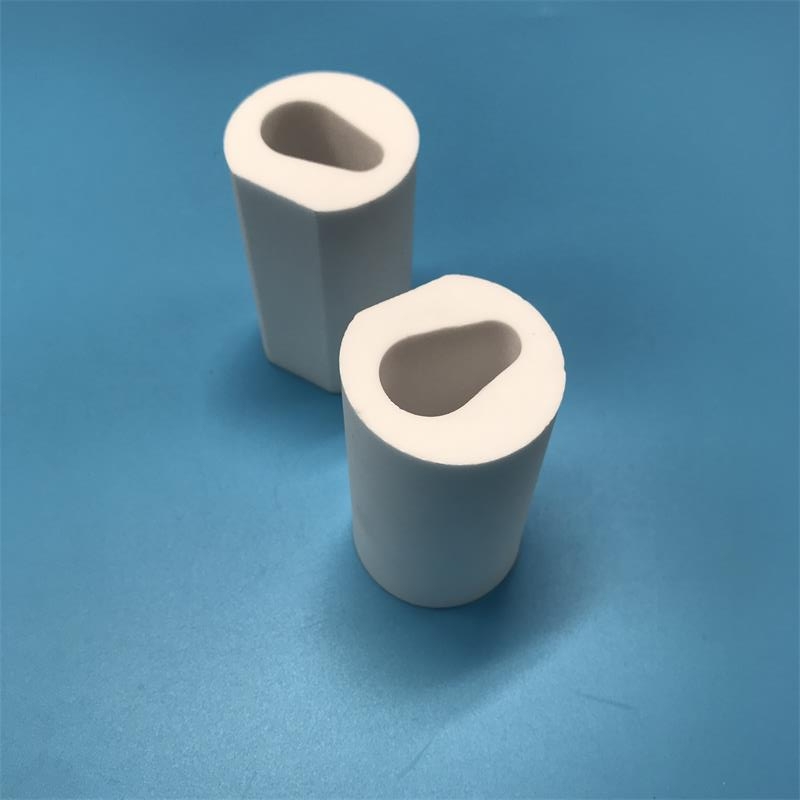
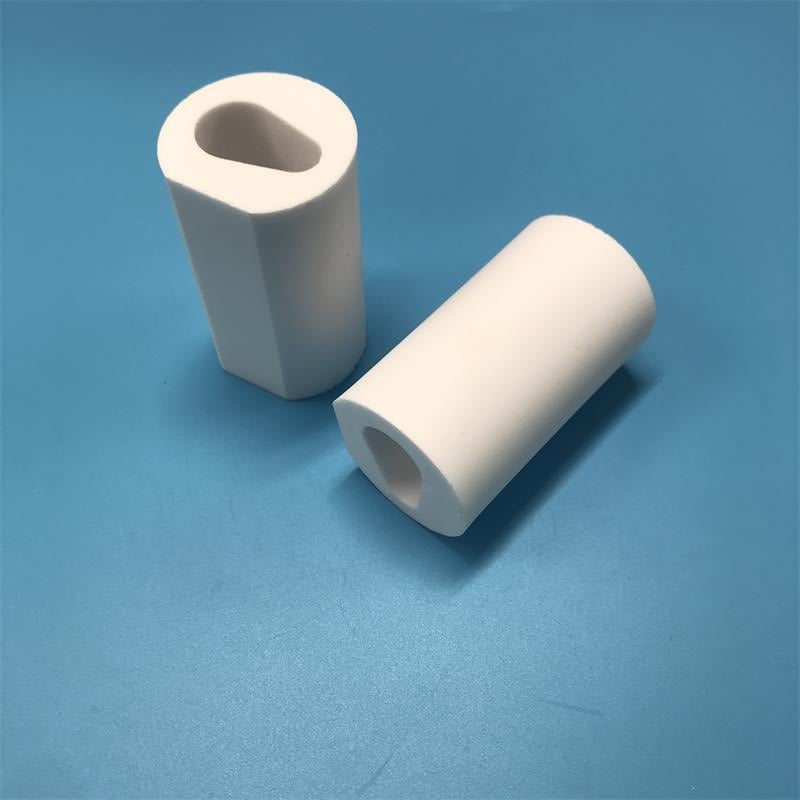
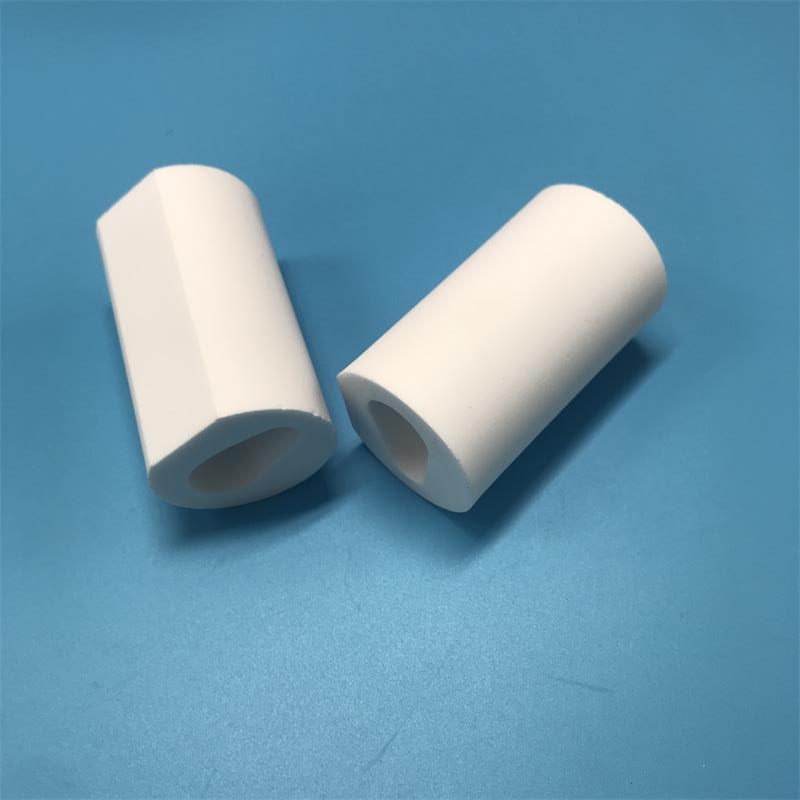
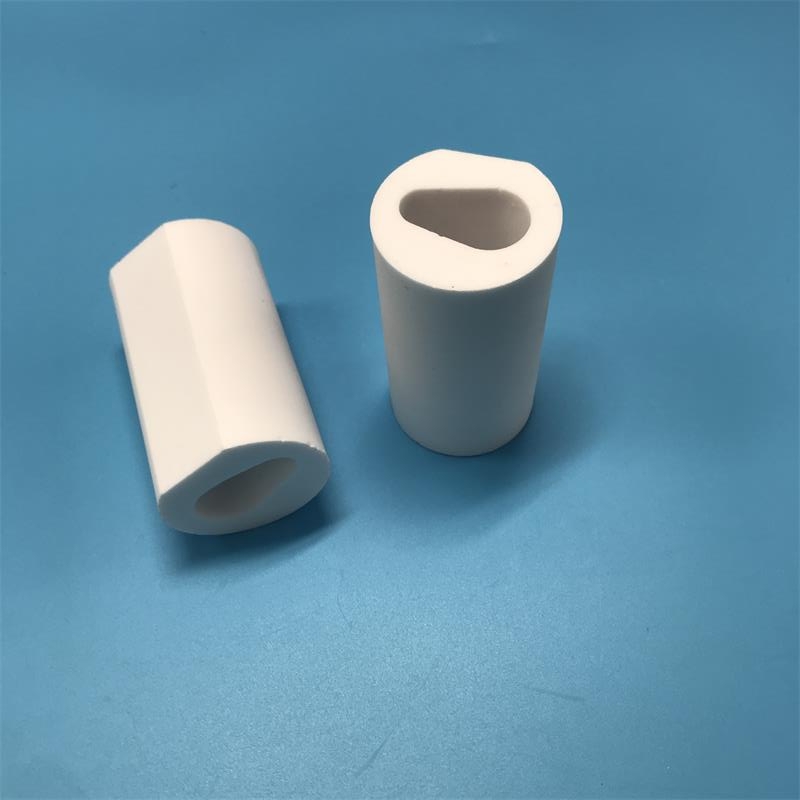
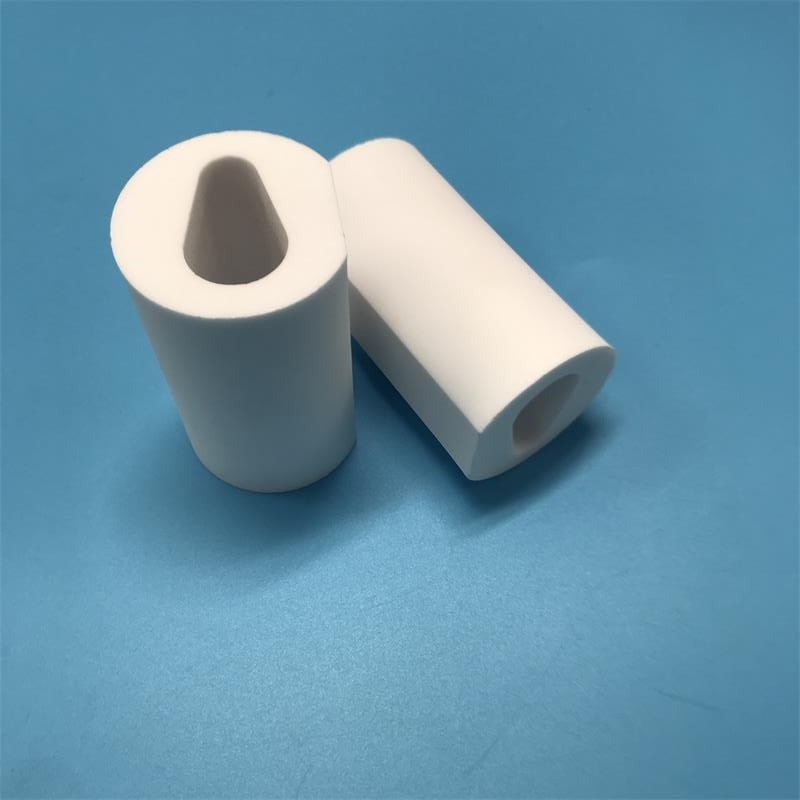
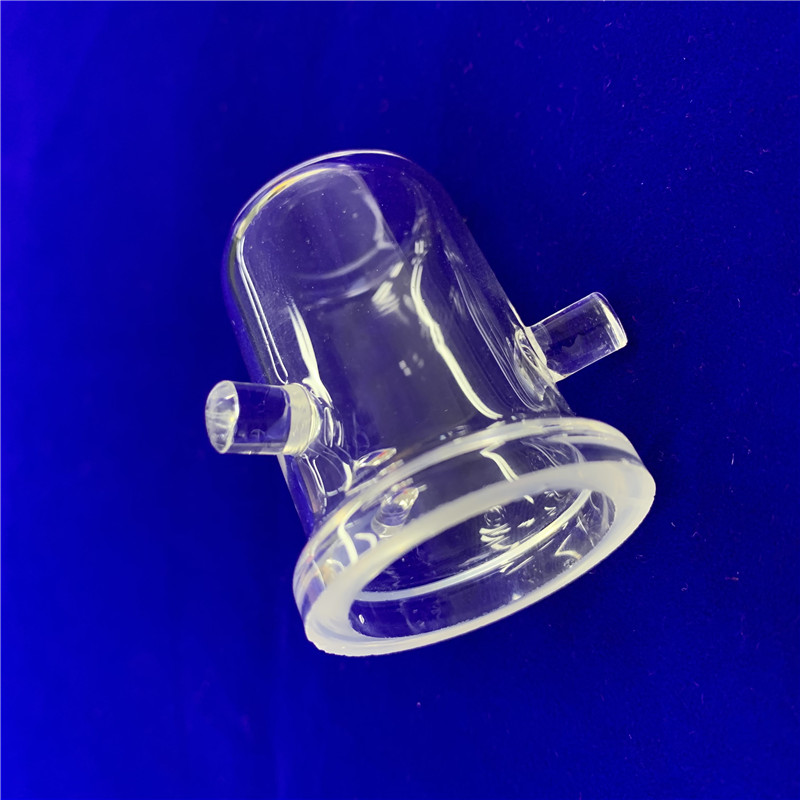
99% alumina ceramic cavity is a high-hardness hollow ceramic structural part integrating high laser reflectivity, excellent electrical insulation, high mechanical strength and outstanding high-temperature resistance. It is widely applied to laser welding resonant cavities, high-voltage insulation sleeves, precision fixture liners and high-temperature fluid channel components, acting as a cost-effective high-rigidity substitute for common alumina, aluminum nitride and silicon carbide materials.
1.2 Chemical Composition & Microstructure
- High-purity single-phase dense alumina ceramic, main composition Al₂O₃ ≥99%, matched with trace sintering additives to form tight crystal bonding structure;
- Fully dense sintered body with zero water absorption, smooth inner and outer wall surfaces, good air tightness and low internal gas release under laser high-temperature working conditions;
- Bulk density reaches 3.75 g/cm³, stable crystal structure without hidden cracks, with excellent surface reflectivity for laser beam reflection.
2. Manufacturing Process
2.1 Raw Material Batching & Mixing
High-purity 99% alumina powder is blended with a small amount of sintering aids, uniformly treated by ball milling to eliminate powder agglomeration. Strict ingredient proportioning ensures stable hardness, compact sintering texture and consistent laser reflection performance of finished products.
2.2 High Temperature Sintering
Step A: Put the uniformly mixed alumina powder into high-temperature furnace for high-temperature pressureless sintering;
Step B: Keep constant temperature for a long time to realize full densification and uniform grain growth inside the blank;
Step C: Form dense pure alumina ceramic blank without internal pores or tiny void defects;
Step D: Precisely control the temperature rise & fall curve to prevent product deformation and residual internal stress after sintering.
2.3 Precision Casting / Extrusion Forming & Controlled Cooling
Step A: Fabricate hollow tube / special-shaped cavity blanks via isostatic pressing or mold extrusion molding (custom teardrop inner cavity, special-shaped holes available);
Step B: Adopt programmed slow cooling to eliminate uneven internal stress inside the ceramic body;
Step C: The cooled ceramic blank maintains complete outline without deformation for subsequent precision machining treatment.
2.4 Controlled Finishing Heat Treatment
Carry out secondary stress relief annealing to eliminate forming residual stress, improve the integral toughness of the ceramic body and avoid edge chipping & cracking during CNC precision machining.
2.5 Blank Cutting & Stock Shaping
Cut large sintered alumina blanks into standard semi-finished tube & cavity blanks; grind inner holes and outer circles to meet unified dimensional tolerance standards for finished supply. Conduct internal defect inspection (cracks, bubbles, uneven wall thickness) through ultrasonic testing and appearance inspection, and screen out defective blanks. The qualified semi-finished blanks are used as raw materials for deep processing of finished components.
3. Core Performance Profile
3.1 Dominant Thermal Performance (Defining Feature for Laser Cavity )
- Moderate thermal conductivity of 25 W/(m·K) @30℃, quickly export local heat accumulated by laser irradiation to avoid local ablation of the cavity wall;
- Long-term continuous service temperature up to 1200℃, instantaneous peak temperature resistance reaches 1400℃;
- Excellent thermal shock resistance, resisting rapid cold & hot alternation caused by laser on/off without cracking or structural deformation of the cavity;
- Stable thermal expansion property with fixed CTE value, matching the thermal expansion of most metal parts for reliable assembly and brazing sealing.
3.2 Excellent Electrical Insulation
- Ultra-high volume resistivity ≥10¹⁴ Ω·cm under full working temperature and frequency range;
- High dielectric strength up to 20 KV/mm, stable dielectric constant of 10 (1MHz,25℃), low dielectric loss, suitable for high-frequency and high-voltage laser equipment insulation requirements;
- Insulation property remains stable under long-term high-temperature environment, far superior to plastic parts which are easy to aging and decomposition under heat.
3.3 Chemical & Vacuum Compatibility
- Resistant to most acids, alkalis, organic solvents and oils; only corroded by hydrofluoric acid and strong molten alkali metals;
- Extremely low outgassing rate after high-temperature baking, compact dense structure without closed pores, can be used steadily in vacuum laser welding and optical vacuum equipment
- Good anti-radiation performance against X-ray, gamma ray irradiation, applicable for laser processing and precision optical testing equipment.
3.4 Mechanical & Safety Performance
- Flexural strength ≥330 MPa, elastic modulus 370 GPa, high structural rigidity to resist impact stress generated by laser thermal shock;
- Vickers hardness up to 1800 HV, superior wear resistance than AlN ceramics, long service life for laser internal reflection and airflow scouring working conditions;
- Non-toxic inorganic ceramic material, no volatile organic substances, clean and pollution-free for laser, electronic and precision equipment assembly.
4. Key Limitations
- Not recommended for long-term continuous service environment over 1200℃;
- Hydrofluoric acid medium will cause slow corrosion and surface etching on alumina ceramic;
- Its thermal conductivity is far lower than aluminum nitride ceramic, not the preferred material for components requiring ultra-high-speed heat dissipation;
- Brittle property of ceramic material, vulnerable to collapse and crack under violent concentrated impact force.
5. Main Industrial Applications
5.1 Laser Welding & Laser Equipment
Laser resonant reflection cavity, laser welding machine inner lining reflective tube, laser oscillator isolation sleeve, laser beam shaping ceramic cavity (custom teardrop special inner hole)
5.2 High Voltage Power & Electronic Equipment
High-voltage coil insulation spool, power module insulation bushing, high-frequency sensor insulating support tube
5.3 Semiconductor & Vacuum Equipment
Vacuum cavity fixed insulating parts, gas circuit conveying ceramic tube, semiconductor equipment high-temperature positioning fixtures
5.4 Precision Instruments & Mechanical Fixtures
Precision testing equipment insulating sleeves, wear-resistant guide sleeves for automated equipment, high-temperature jig positioning ceramic parts
5.5 High-temperature Industrial Environment
High-temperature furnace protective tube, corrosive fluid delivery pipeline, thermal treatment equipment insulation structural parts
6. Material Positioning
99% high-purity alumina ceramic cavity fills the performance gap between plastic, metal and high-end nitride ceramics. It owns ceramic-level stable insulation, high temperature resistance and outstanding laser reflection performance, matched with customizable special-shaped hollow cavity structure. Compared with aluminum nitride ceramics, alumina has higher hardness, better wear resistance and lower comprehensive cost, more suitable for laser reflection cavity and conventional high-temperature insulation structural parts. It has obvious advantages over metal and plastic in high temperature resistance, vacuum stability and insulation performance. It is the most cost-effective precision hollow ceramic part solution for medium and small batch customized parts applied in laser equipment, high-voltage electronics and high-temperature vacuum working conditions.
Alumina Purity |
92% |
95% |
96% |
99% |
99.6% |
Color |
White |
White |
White |
Ivory White |
White |
Volume density |
3.45g/cm3 |
3.5g/cm3 |
3.7g/cm3 |
3.75g/cm3 |
3.9g/cm3 |
Water Absorption |
0 |
0 |
0 |
0 |
0 |
Flexural Strength |
300Mpa |
300Mpa |
320Mpa |
330Mpa |
330Mpa |
Vickers hardness |
1300 |
1400 |
1400 |
1800 |
1800 |
Dielectric Constant |
10(at 1MHZ 25℃) |
10(at 1MHZ 25℃) |
10(at 1MHZ 25℃) |
10(at 1MHZ 25℃) |
10(at 1MHZ 25℃) |
Modulus of elasticity |
350Gpa |
350Gpa |
350Gpa |
370Gpa |
370Gpa |
thermal conductivity (30℃) |
18W/(m.K) |
24W/(m.K) |
24W/(m.K) |
25W/(m.K) |
28W/(m.K) |
Volume resistivity |
10^14Ω•cm |
10^ 14Ω•cm |
10^14Ω•cm |
10^14Ω•cm |
10^ 15Ω•cm |
Dielectric strength |
20KV/mm |
20KV/mm |
20KV/mm |
20KV/mm |
30KV/mm |
备注: 以上数据仅供参考。
Note: The above data is only for your reference.
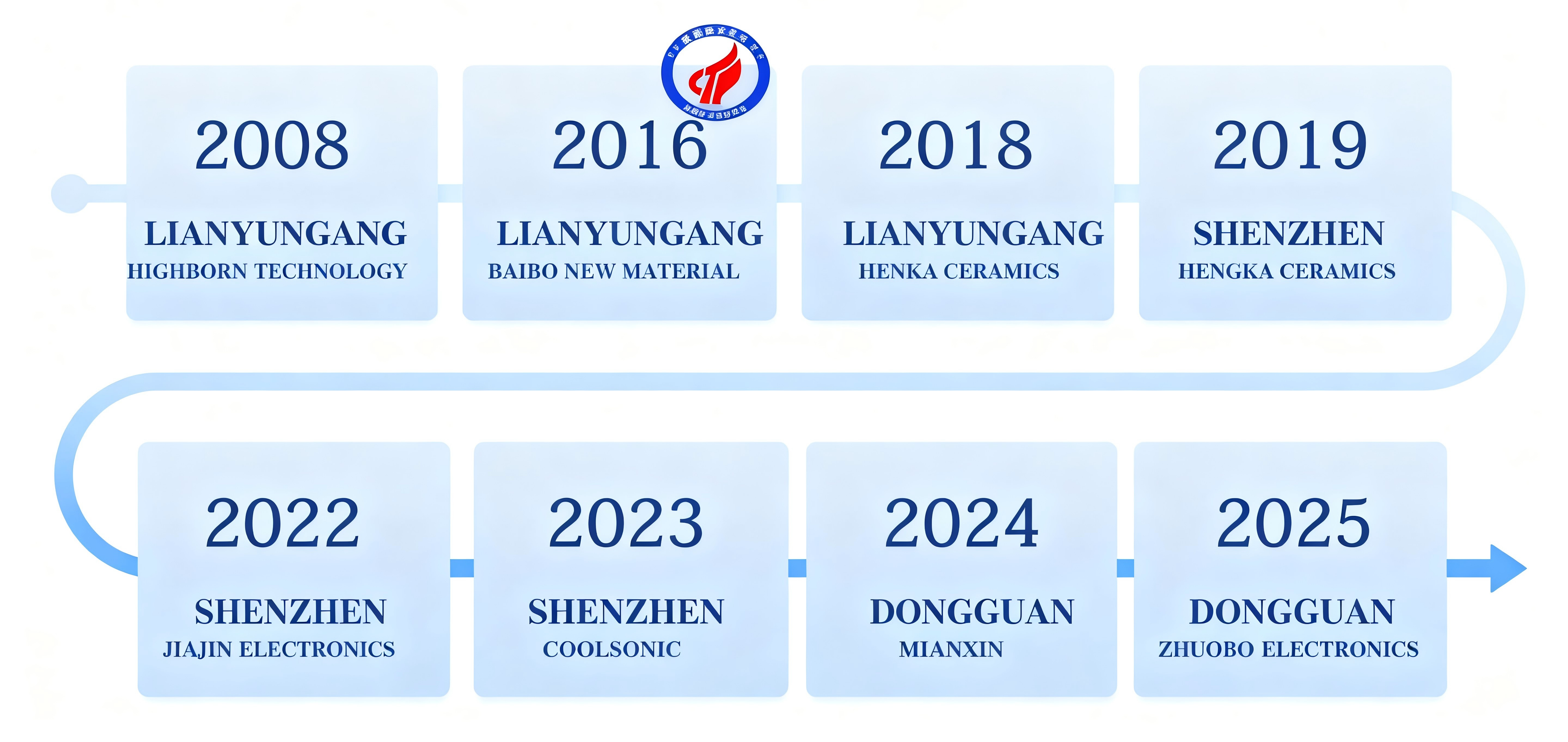
Development History
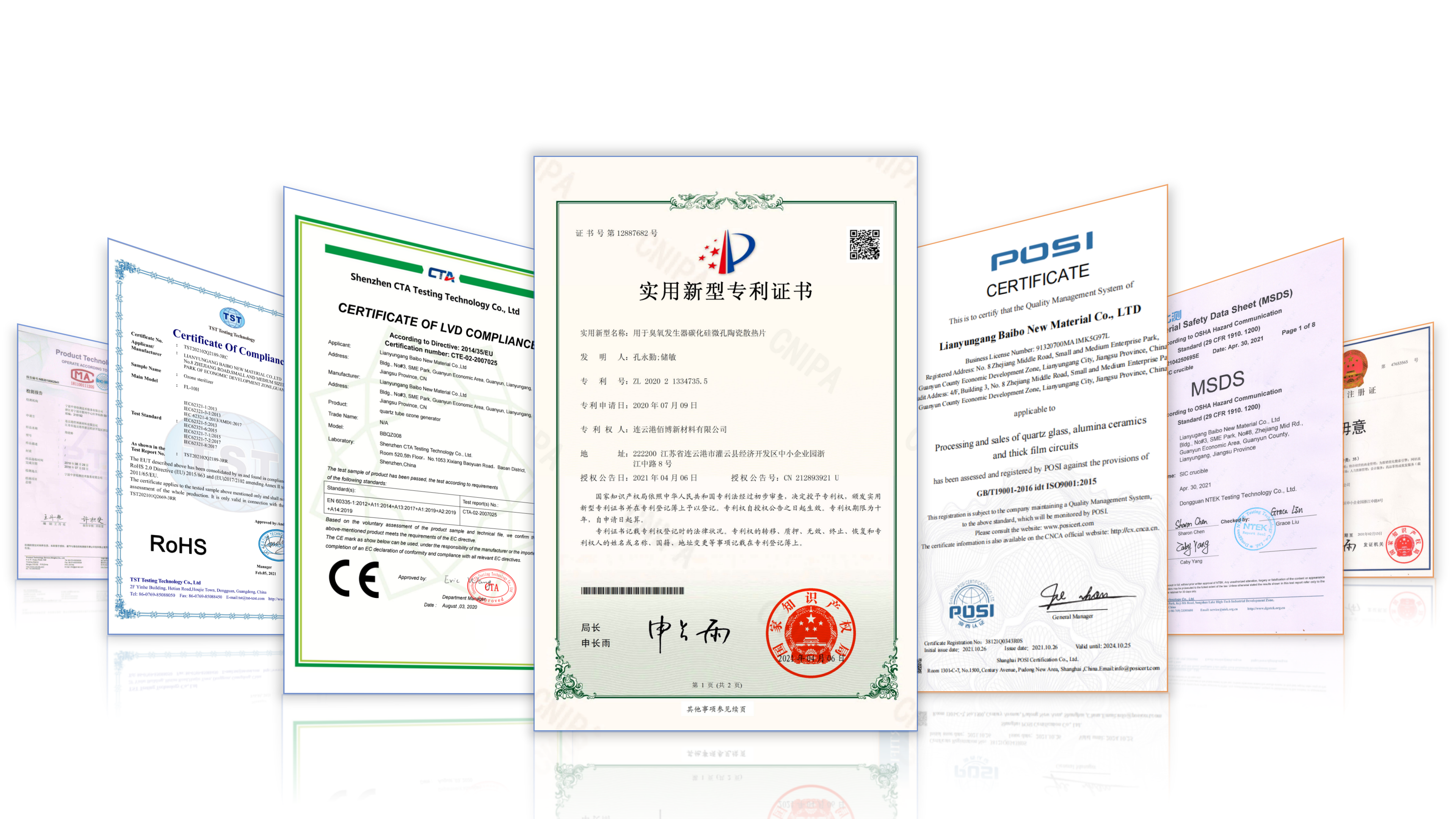
Patents and certification
we’ve obtained various global certifications including CE, EMC, LVD, RoHS, FDA, MSDS, ISO 9001, SGS and TUV. We also own eight registered trademarks and forty technical patents to support independent R&D.
Our proprietary core technologies run through all product lines: porous ceramics, industrial ceramic components, special glass, metallized ceramics, liquid absorption cotton, ozone generators and silicone goods. All products are manufactured in strict accordance with international quality standards, delivering reliable and high-performance solutions that have gained wide recognition and market trust worldwide.
Package
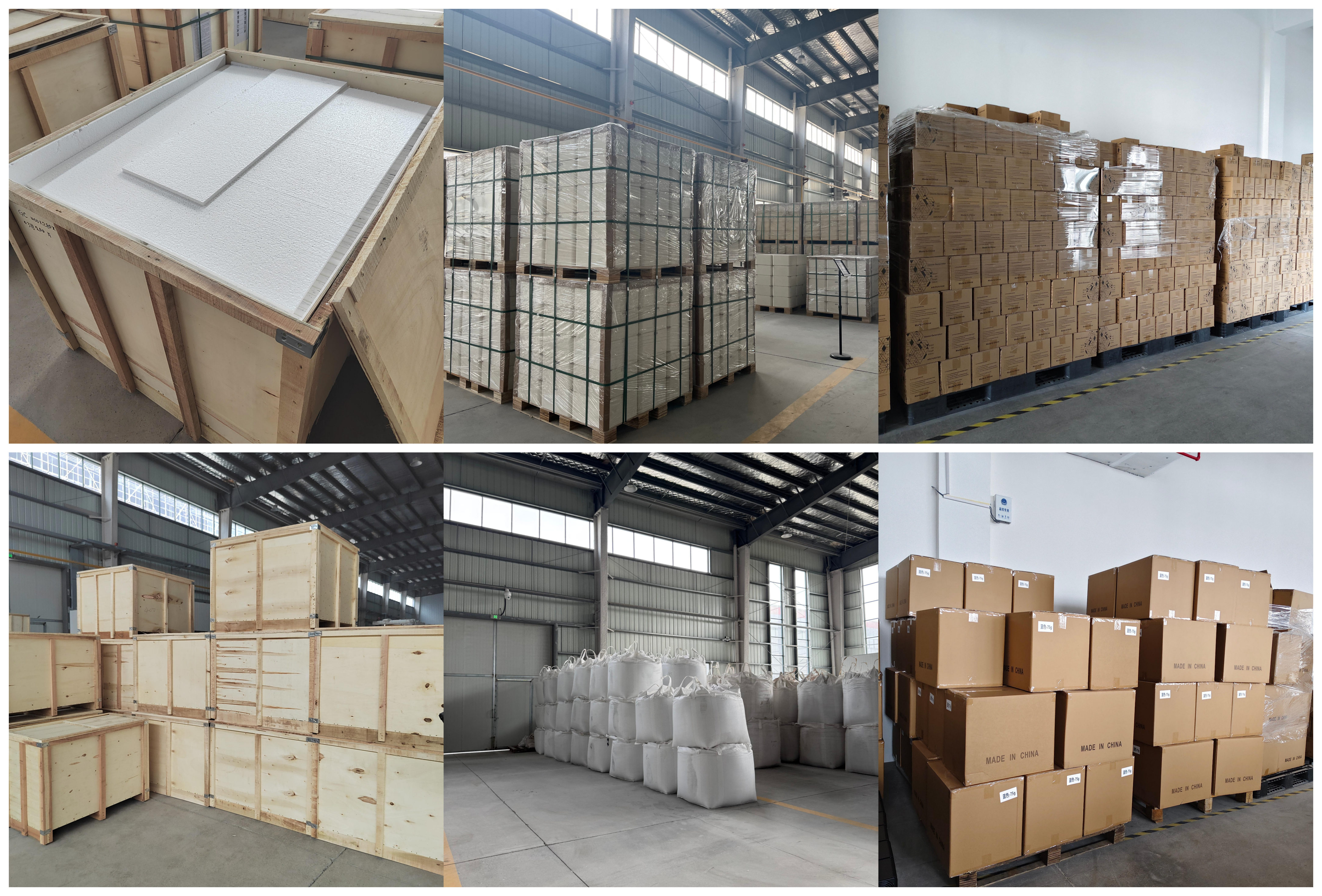
We adopt scientific and standardized packaging solutions tailored to product characteristics to effectively prevent collision, extrusion, dust and moisture damage. With mature global transportation system and strict shipment inspection procedures, we ensure all products remain intact and stable during long-distance delivery, providing customers with safe, efficient and reliable one-stop logistics service.
Services
Inquiry & Customization
We provide fast and accurate quotation response for all your inquiries. Flexible OEM & ODM customization solutions are available to meet your unique product design, packaging and branding requirements.
Order Quality Control
We keep clients updated with full production progress throughout the whole order cycle. Our QC team carries out strict comprehensive pre-shipment inspection to guarantee all goods comply with your quality standards before delivery.
Customs Document Support
We prepare a full set of standard export documents including commercial invoice, packing list, certificate of origin and other certification papers, to ensure smooth global customs clearance for shipments to all destinations worldwide.
One-Stop Logistics
Multiple shipping methods including sea freight, air freight and express delivery are offered to match your schedule and budget. We supply real-time cargo tracking service so you can monitor shipment status anytime.
Flexible Payment
We support a wide range of secure international payment terms such as T/T, L/C, Western Union and other mainstream cross-border settlement methods to reduce your cross-border transaction risks.
After-Sales Support
Our professional after-sales team offers timely technical and business support all year round. We maintain steady long-term stable supply capacity to fully back up your continuous market sales and project demands.
FAQ
01
Question: Can you produce based on customers’ drawings or physical samples?
Answer: Absolutely yes. We accept technical drawings in all mainstream file formats as well as actual physical samples. Before formal production, our engineering team will provide a full professional DFM feasibility evaluation for your reference.
02
Question: How long is the production lead time for custom orders?
Answer: Sample lead time: 3–7 working days. Custom mold lead time: 5–10 working days (we will confirm the cycle separately with you for complex molds). Mass production lead time: 7–20 working days, depending on product structure complexity and order quantity.
03
Question: What’s your minimum order quantity for custom products?
Answer: We provide flexible MOQ solutions for all customized items. We will try our best to set a low minimum order volume to support your small-batch trial orders, meanwhile we can handle stable mass production to satisfy your long-term bulk demands.
04
Question: What customization services can you provide?
Answer: We support comprehensive one-stop customization, including product size, shape, appearance, precision tolerance, surface treatment, hole grooving, bending, cutting and adjustable high-temperature resistant parameters. Custom engraved LOGO and exclusive customized packaging are also available as extra personalized options upon request.
05
Question: Do you accept third-party inspection of finished products?
Answer: Yes, we fully cooperate with all mainstream authorized third-party testing institutions. Well-known organizations such as SGS, BV and other internationally recognized inspection bodies are all acceptable. We can supply complete official inspection reports and material certification documents as you require.
06
Question: Can you customize raw material options for products?
Answer: Sure. We can select and match appropriate raw materials according to your application scenarios, working conditions and performance requirements, including alumina, zirconia, quartz, silicone and other special engineering materials, and adjust related performance parameters to meet your usage standards.



 EN
EN