Home > Products > Industrial Ceramics > Machinable Glass Ceramic
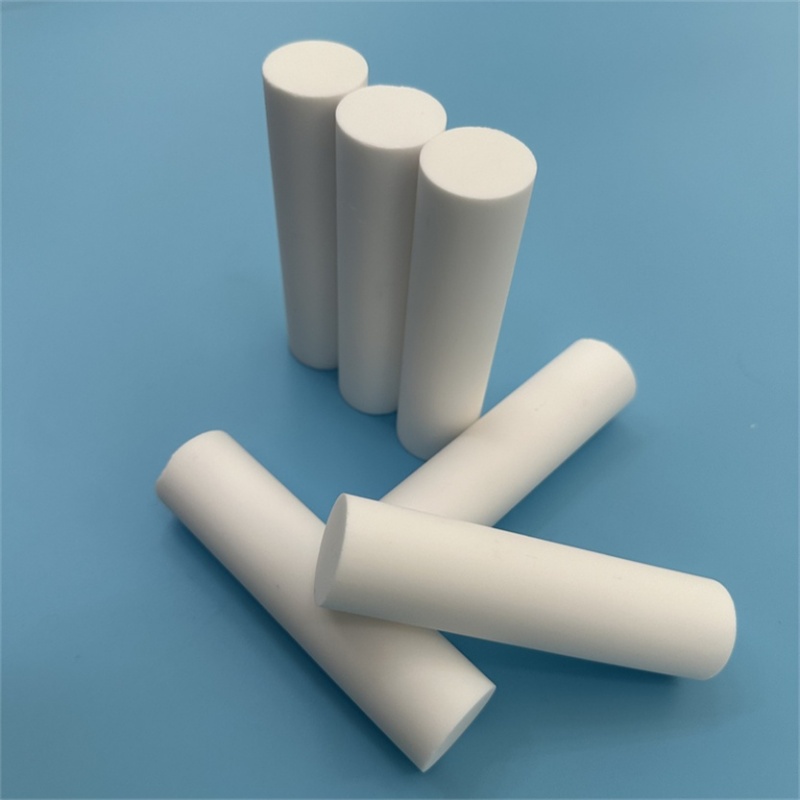
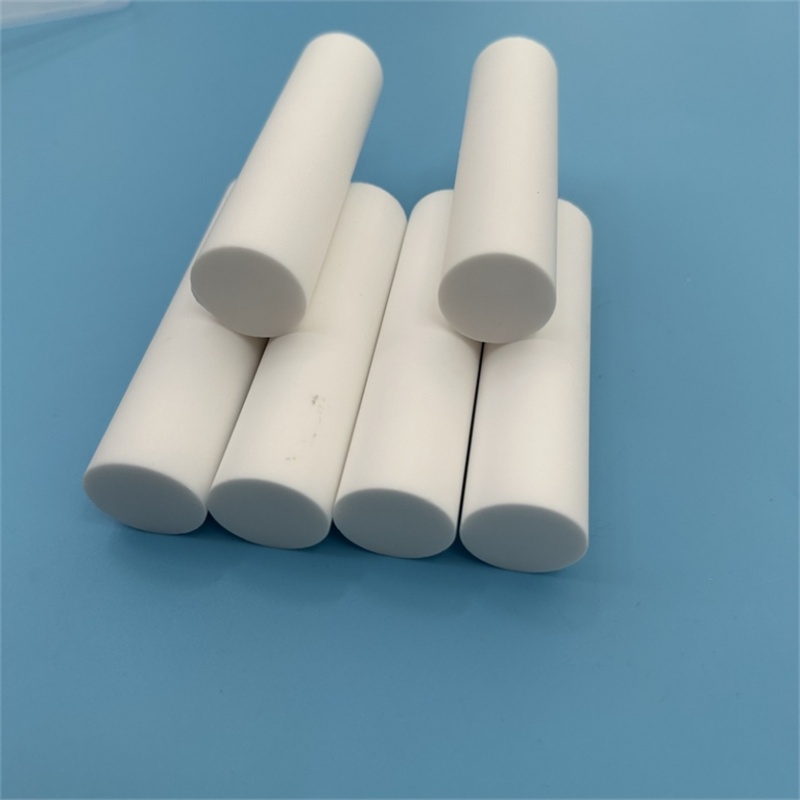
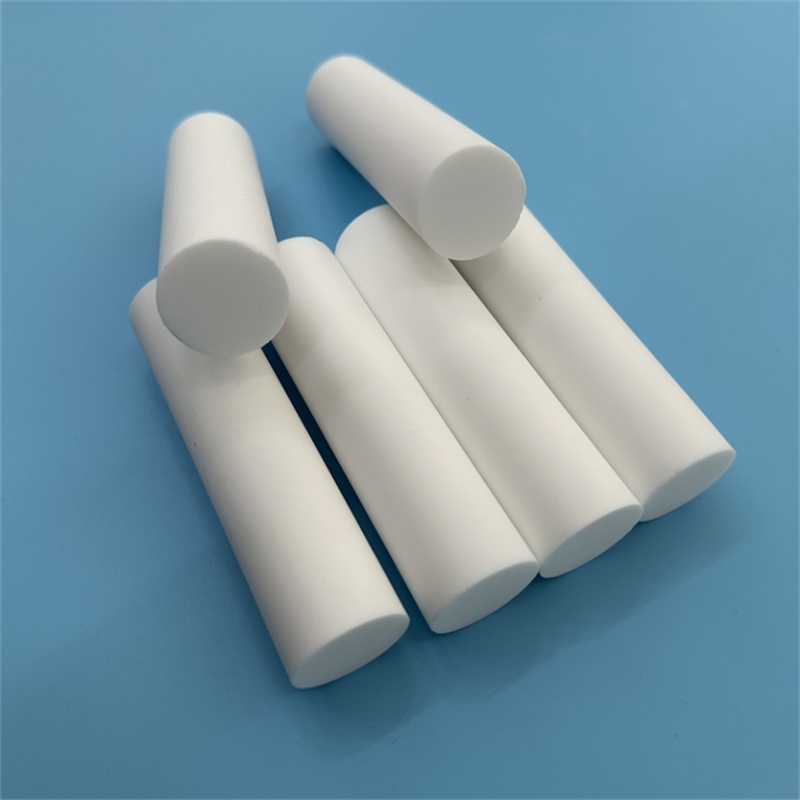
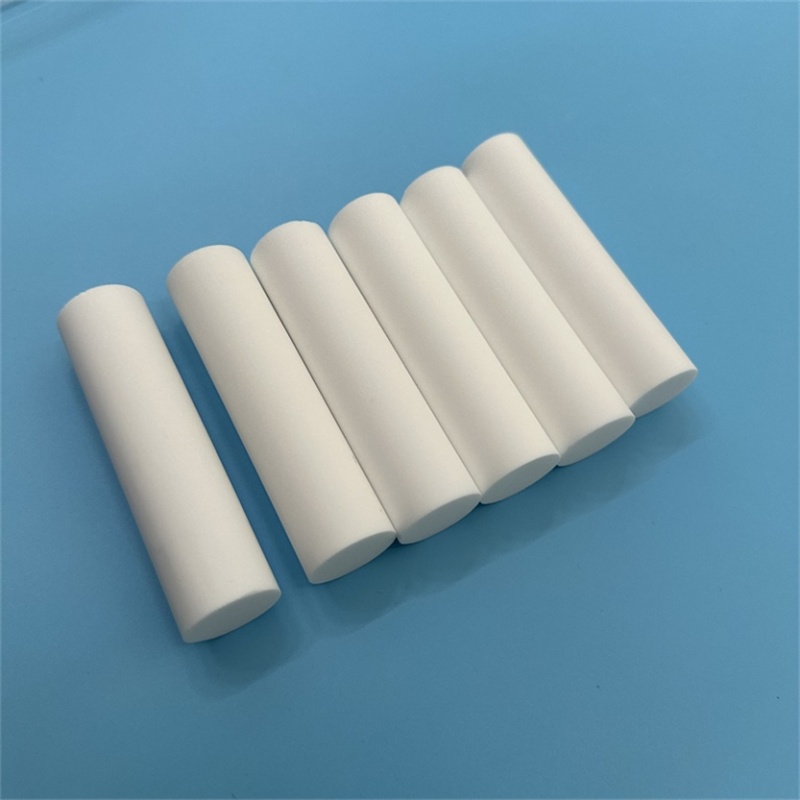
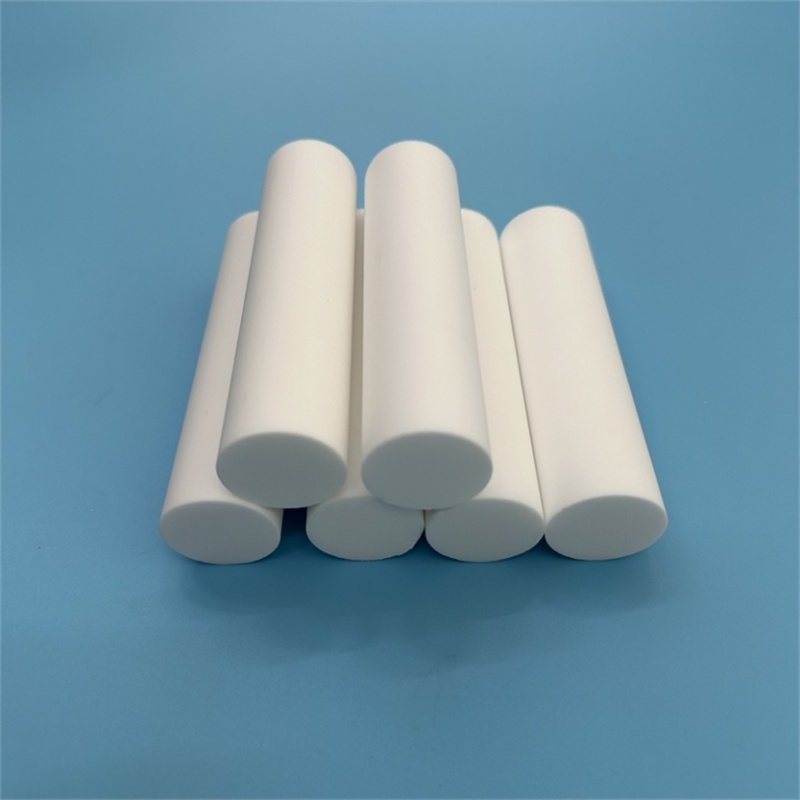
Main Component:
Fluorophlogopite mica (55%) in borosilicate glass matrix, dense non-porous structure
Machinability:
Excellent with standard tools; tolerances ±0.01 mm, no post-firing needed
Porosity:
Zero porosity, vacuum tight, zero moisture absorption
Maximum Service Temperature:
Continuous 800°C; softening ~1025°C; low thermal expansion 9.3×10⁻⁶/°C
Key Properties:
High dielectric strength, non-wetting to molten metals, non-magnetic
Processing Type:
Rods, cylinders, sheets, custom parts; grindable, polishable, threadable
Core Application:
Electrical insulators, vacuum feedthroughs, semiconductor components
Product Details
Machinable glass ceramics, represented by Macor® grade, are a new type of inorganic non-metallic material with exceptional machinability. Unlike conventional ceramics, they can be precisely cut, drilled, milled, and threaded using standard metalworking tools, enabling the fabrication of complex, high-precision parts without the need for post-sintering or diamond tooling.
Macor® is a well-known commercial grade of machinable glass ceramic. It offers a balanced combination of mechanical, thermal, and electrical properties, making it suitable for demanding technical applications. Other grades exist with varying compositions tailored for specific performance requirements.
The most prominent feature is the ability to be machined using conventional metalworking tools and equipment — turning, milling, planing, grinding, drilling, sawing, and tapping. This eliminates costly and time-consuming sintering steps, allowing rapid prototyping and production of intricate geometries.
Machinable glass ceramics serve as excellent high-temperature electrical insulators. They exhibit high dielectric strength, high volume resistivity, and low dielectric loss, making them ideal for electrical and eletronic devices operating under extreme conditions.
This material withstands an exceptionally wide temperature range from -270°C to +800°C. It remains thermally stable, resists thermal shock, and retains its insulating and mechanical integrity across cryogenic and high-temperature environments.
Machinable glass ceramics are lightweight yet strong, non-magnetic, and resistant to corrosion and outgassing. Their hermeticity and low gas emission rate make them suitable for vacuum and high-purity applications.
Unlike traditional ceramics that require specialized diamond grinding or post-firing, machinable glass ceramics can be shaped with standard metal tools. This dramatically simplifies manufacturing, reduces lead times, and lowers costs for complex, high-precision components.
With high dielectric strength and low loss across a broad frequency range, they provide reliable insulation in high-voltage, high-frequency, and high-temperature electrical systems, outperforming many polymers and conventional ceramics.
Operating reliably from cryogenic -270°C up to 800°C, these ceramics maintain dimensional stability, mechanical strength, and insulation properties. This makes them indispensable in environments where other materials fail.
In sectors with the most stringent material requirements, machinable ceramics play a critical role due to their high-temperature resistance, thermal shock resistance, lightweight, and high strength. Typical uses include:
High-precision non-magnetic structural frames
Sensor components
Insulation parts for vacuum equipment in aerospace applications
The semiconductor industry demands extreme purity, cleanliness, electrical insulation, and vacuum compatibility. Machinable ceramics are essential in:
Wafer and flat panel display (FPD) manufacturing — used for inspection components and micro-processing insulating parts
Electro-vacuum devices (e.g., electron beam exposure machines, mass spectrometers, energy spectrometers) — chosen for extremely low gas emission and excellent electrical insulation
Ultra-high-voltage insulation components in motors and power equipment
These ceramics are used to manufacture components for medical devices and scientific instruments. For thin-walled, complex-shaped, and highly precise devices, machinable ceramics can be fabricated into any required geometry, meeting demanding design specifications with reliability.
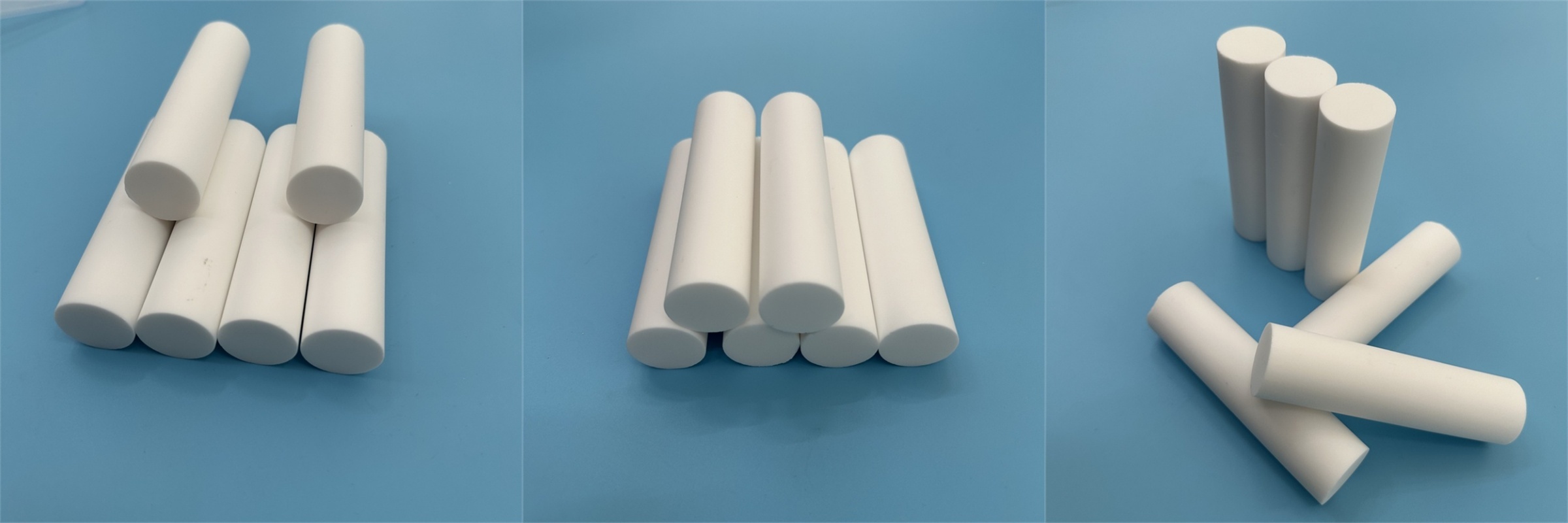
These ceramics are used to manufacture components for medical devices and scientific instruments. For thin-walled, complex-shaped, and highly precise devices, machinable ceramics can be fabricated into any required geometry, meeting demanding design specifications with reliability.
5.1Processing techniques and precision control:
The materials that can be processed into ceramics are brittle and hard. Therefore, it is necessary to reasonably determine the processing techniques, clamping methods, and accurately select the cutting amount to prevent chipping or cracking.
When processed on general equipment, the tolerance level can be controlled at IT7 grade, the surface roughness can reach 0.5 micrometers, and the processing accuracy can be controlled within 0.005 millimeters. If the equipment is of high quality and the operation is proficient, the precision can even reach the micrometer (μ) level.
5.2 Safety usage:
The processed ceramics themselves are safe and stable under normal usage conditions. However, it should be noted that if the ceramic products (especially household ceramics) have glaze on the surface, be cautious of the metal elements that may be contained in the glaze.
For ceramic products with cracks (such as tableware), it is recommended to stop using them because the cracks may make the internal substances more likely to be released or hide dirt.For household ceramics, newly purchased glazed tableware can be soaked in vinegar for one day before use. This helps fix the glaze surface and reduce potential risks.
5.3 Differences from other ceramic processes:
The processed ceramics mentioned here mainly refer to microcrystalline mica glass ceramics. While in traditional pottery workshops, the ceramics (such as pottery and porcelain) require attention to occupational protection issues such as inhalation of silica dust during raw material preparation (including clay) and glazing processes. These are different concepts from the machining of already formed processed ceramic materials.
This material withstands an exceptionally wide temperature range from -270°C to +800°C. It remains thermally stable, resists thermal shock, and retains its insulating and mechanical integrity across cryogenic and high-temperature environments.
Machinable glass ceramics are lightweight yet strong, non-magnetic, and resistant to corrosion and outgassing. Their hermeticity and low gas emission rate make them suitable for vacuum and high-purity applications.
|
指标 Property Content |
标准值 Property Index |
说明 Instruction |
|
密度 Density |
2.6g/cm3 |
|
|
显气孔率 Apparent Porosity |
0.069% |
|
|
吸水率 Water Absorption |
0 |
|
|
硬度 Hardness |
4~5 |
莫氏 Mohs |
|
颜色 Color |
洁白 White |
|
|
热膨胀系数 Coefficient of Thermal Expansion |
72×10-7/°C |
-50°C 至200°C 平均值 -50°C to 200°C average |
|
热导率 Thermal Conductivity |
1.71W/m.k |
25°C |
|
长期使用温度 Long Working Temperature |
800°C |
|
|
弯曲强度 Flexural Strength |
>108MPa |
|
|
压缩强度 Compression Strength |
>508 MPa |
|
|
冲击韧性 Impact Toughness |
>2.56KJ/ m2 |
|
|
弹性模量 Modulus of Elasticity |
65GPa |
|
|
介质损耗 Dielectric Loss |
1~ 4×10⁻³ |
室温 Room Temperature |
|
介电常数 Dielectric Constant |
6~7 |
" |
|
击穿强度 Puncture Strength |
>40KV/mm |
样品厚度1mm Sample Thickness 1mm |
|
体积电阻 Volume Resistance |
1.08×10¹⁶Ω.cm |
25°C |
1.5×10¹²Ω.cm |
200°C |
|
1.1×10⁹Ω.cm |
500°C |
|
|
常温出气率 Normal Temperature Gas Efficiency |
8.8×10⁻⁹ ml/s. cm2 |
真空老炼8小时 Vacuum Burn-in 8 hours |
|
氦透过速率 Helium Through Rate |
1×10⁻¹⁰ml/s |
经500°C 灼烧后,冷却室温 500°C firing, cooling |
5%HC1 |
0.26mg/ cm2 |
95°C,24小时 95°C,24hours |
5%HF |
83mg/ cm2 |
" |
50%Na2CO3 |
0.012 mg/ cm2 |
" |
5%NaOH |
0.85mg/ cm2 |
" |
Development History
Patents and certification
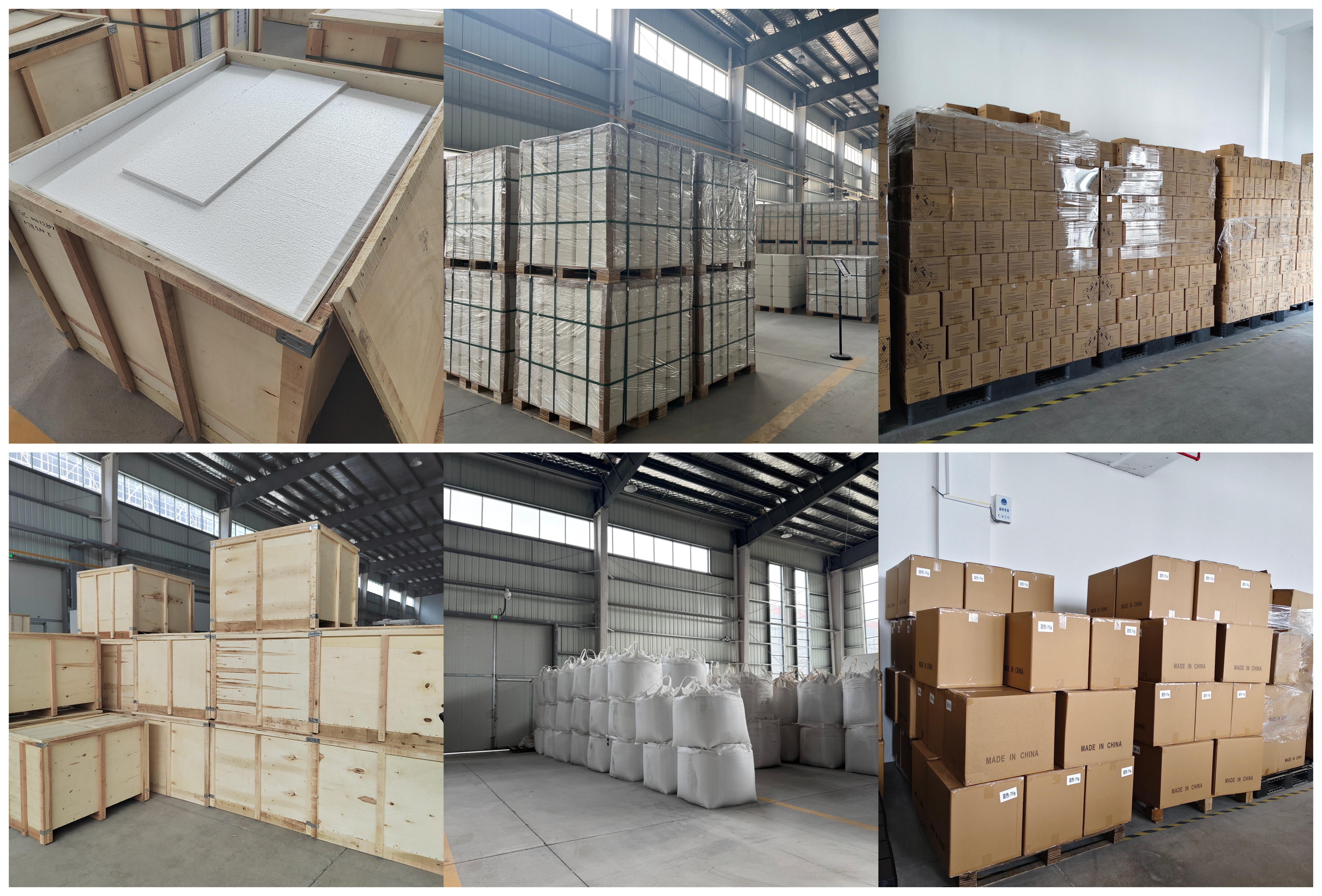
Package
Services
FAQ
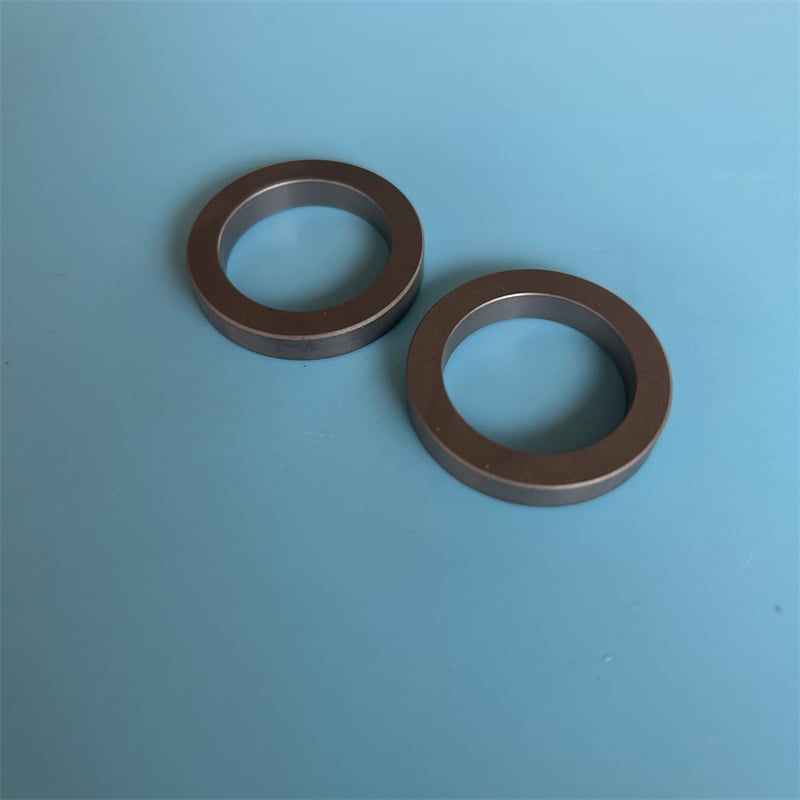
High hardness special rotating seal ceramic parts ceramic SiC ring
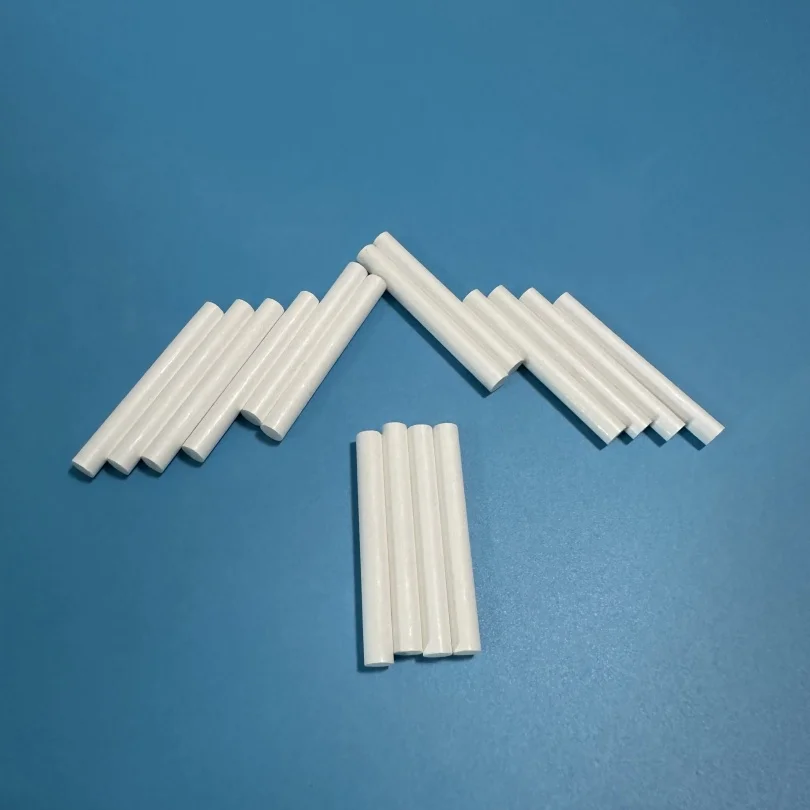
Customized Boron Nitride rod bn ceramic rod
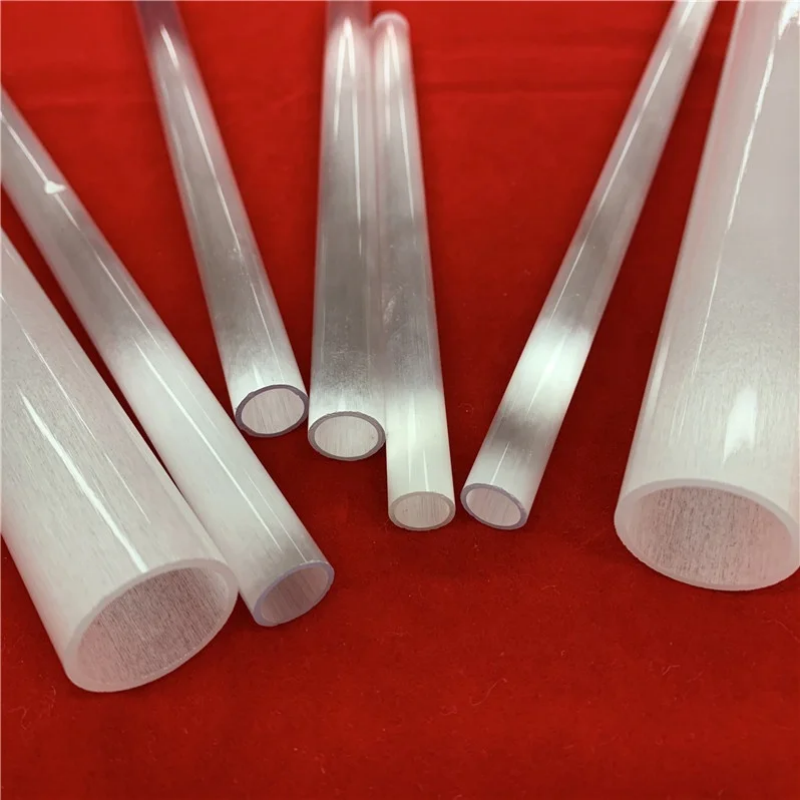
High temperature resistance customize milky white quartz glass tube
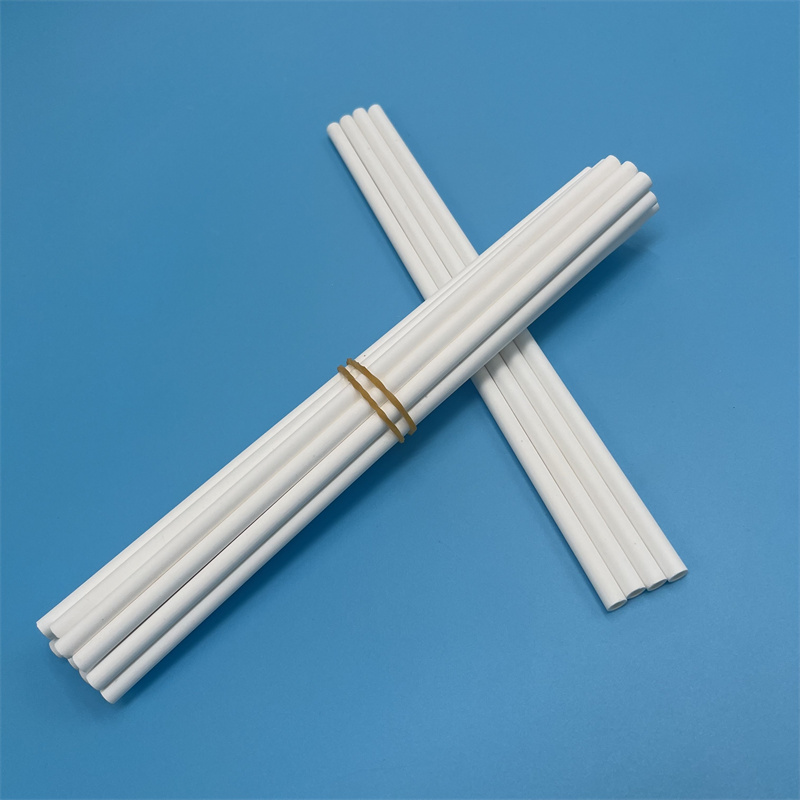
High Purity Magnesium Oxide Ceramic Tube MGO Pipe for Cartridge Heater Insulator


 EN
EN