Home > Products > Industrial Ceramics > Machinable Glass Ceramic
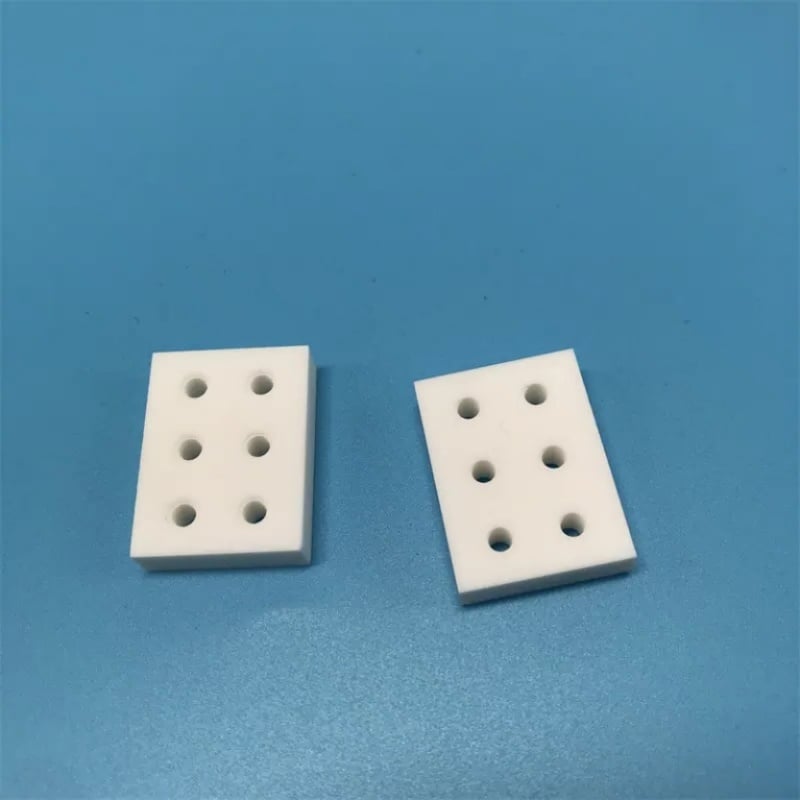
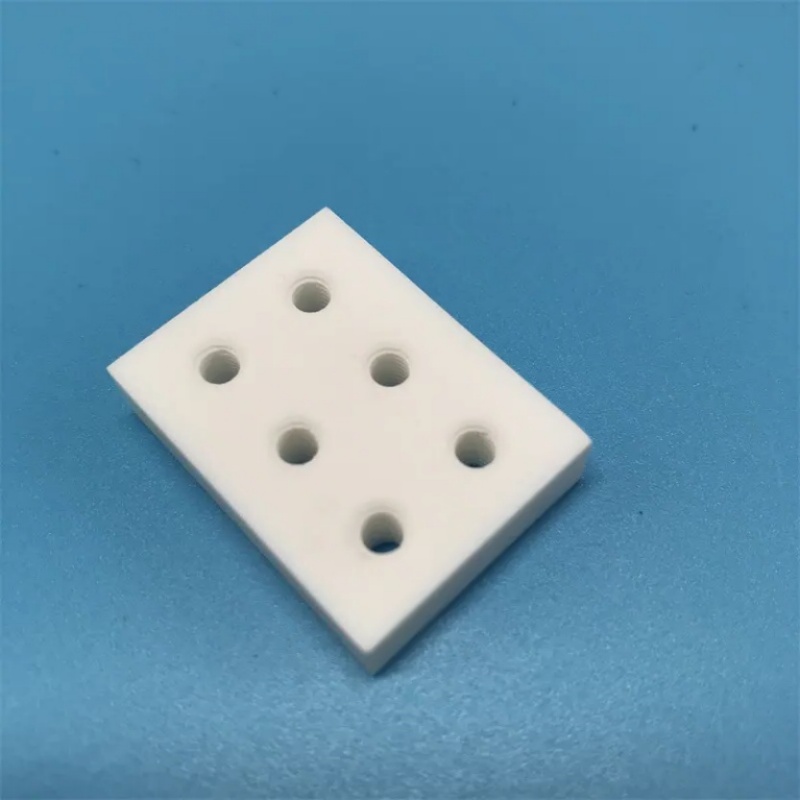
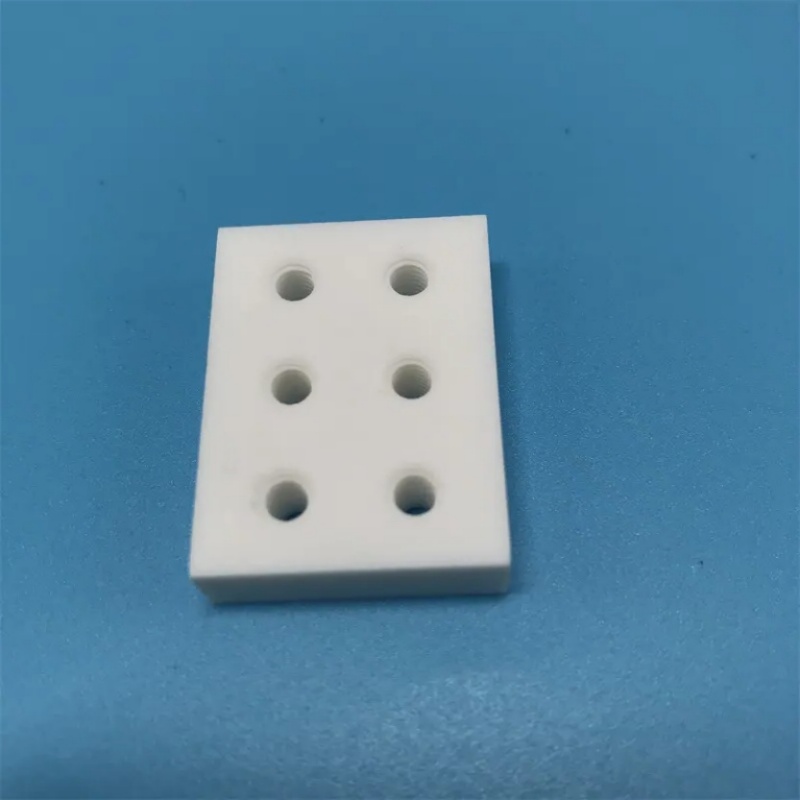
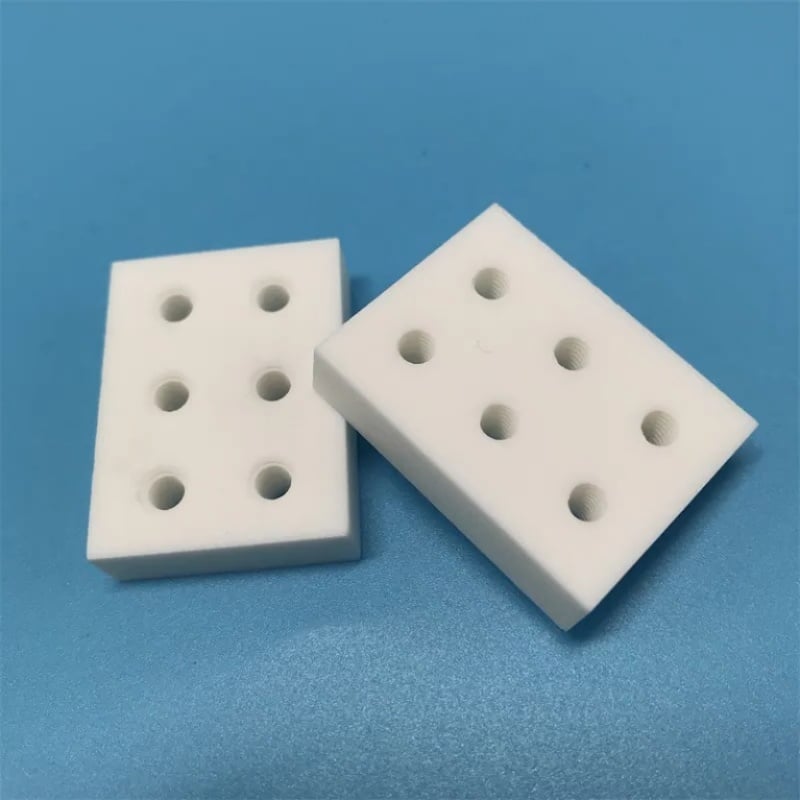
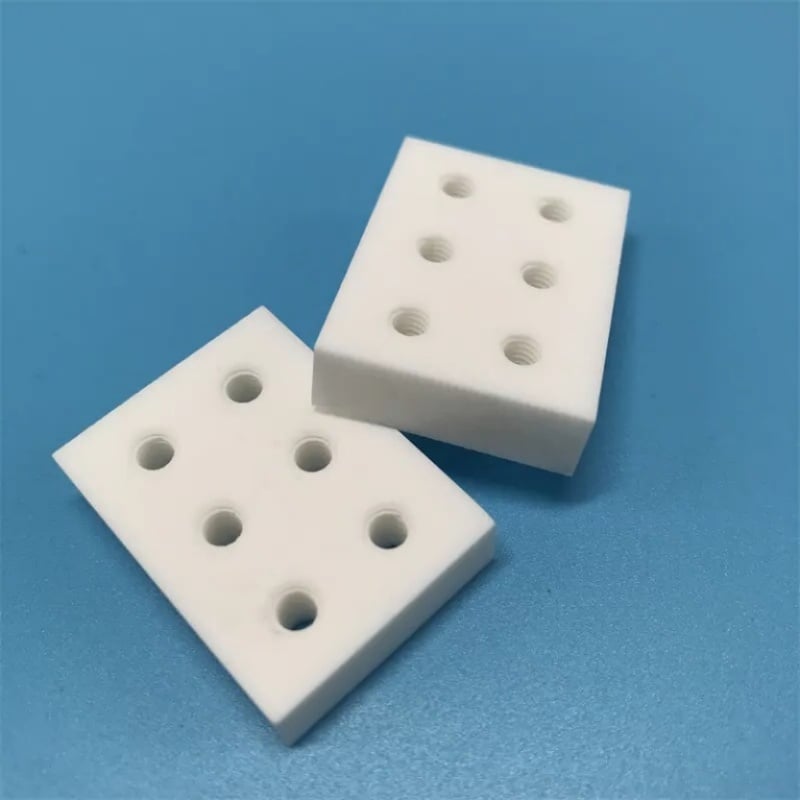
Main Component
Synthetic fluorophlogopite mica flakes embedded in a borosilicate glass matrix
porosity
<0.1%, ensuring hermeticity and low moisture absorption
Processing Type
Unique Machinability - Can be directly machined with standard metalworking tools (lathe, mill, drill, saw, tap, grind, polish); no diamond grinders required like traditional sintered ceramics
Key Properties
No post-firing / annealing required after machining, greatly shortening prototype and custom part lead times; Supports complex geometries, internal threads, thin walls and fine microstructures without cracking
Core Application
Semiconductor equipment, aerospace sensor brackets, vacuum chamber parts, precision fixtures, high-voltage insulation components, optical instrument bases, etc.
Industrial Standard
Complies with high-purity requirements for semiconductor and aerospace applicatio.
Product Details
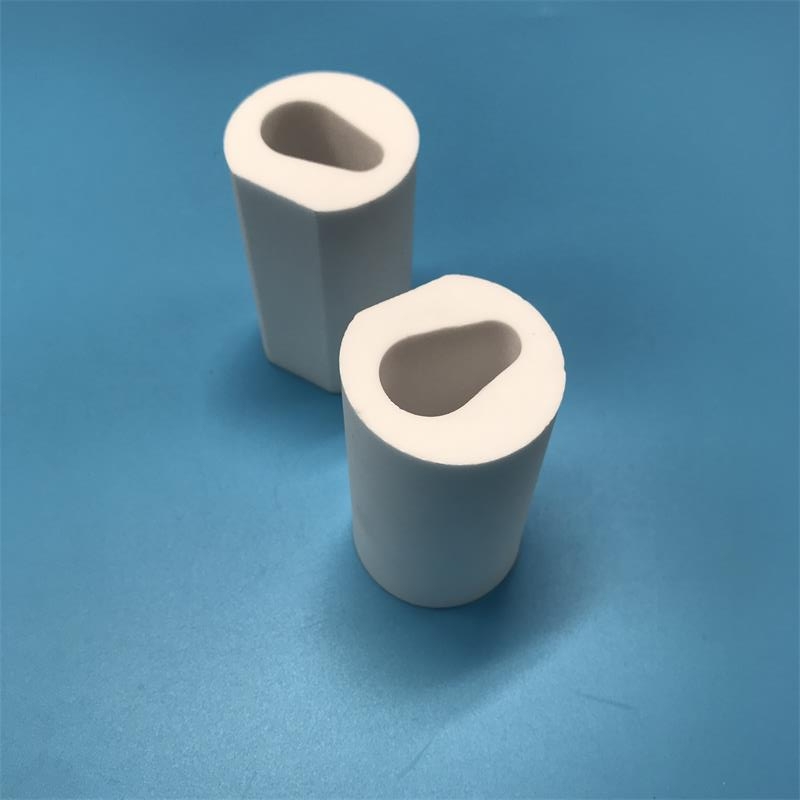
Macor grade machinable glass ceramics are a type of microcrystalline glass composed mainly of synthetic mica. They belong to a class of ceramic materials that can be machined using conventional metalworking tools. This material is synthesized through controlled crystallization of specialty glass, forming a uniform interlocking microstructure of mica crystals within a glassy matrix. Unlike traditional ceramics that require diamond grinding or sintering after firing, Macor ceramics can be directly turned, milled, drilled, and tapped using standard carbide or HSS tools, offering unprecedented ease of fabrication for complex geometries.
1.2 Classification and Grade Standards.
Macor grade materials are typically classified by their composition and processing route. Standard grades include general-purpose machinable glass ceramics optimized for electrical insulation and vacuum applications, as well as high-purity grades for semiconductor and medical use. While there is no universal grading system like food-grade diatomite, manufacturers often specify properties such as maximum service temperature (up to 800°C), dielectric strength, and outgassing rates to meet industry standards (e.g., ASTM, MIL). The material is supplied in pre-fired blocks or rods, ready for direct machining without additional firing steps.
2.1 Physical Structure Characteristics
The physical structure of Macor ceramics is defined by a dense, homogeneous microcrystalline network of synthetic fluorophlogopite mica flakes embedded in a borosilicate glass matrix. This unique architecture provides isotropic mechanical properties and enables chip-forming machining similar to metals. Key physical attributes include:
Density: approximately 2.52 g/cm³, lighter than alumina ceramic
Porosity: near-zero (<0.1%), ensuring hermeticity and low moisture absorption.
Flexural strength: ~100 MPa (moderate but sufficient for precision components).
Hardness: ~250 Knoop (softer than alumina, allowing tool-based machining).The material exhibits excellent dimensional stability and can hold tight tolerances (±0.013 mm) after machining.
2.2 Chemical Properties
Chemically, Macor ceramics are highly inert due to their stable silicate/mica composition. They resist attack from most acids, bases, organic solvents, and molten metals, except for hydrofluoric acid and strong alkaline solutions at elevated temperatures. The material has extremely low outgassing rates (total mass loss <0.01% per ASTM E595), making it suitable for ultra-high vacuum (UHV) environments. It is non-toxic and does not release harmful fumes during machining, ensuring operator safety.
2.3 Thermal Performance
Macor ceramics exhibit outstanding thermal stability with a continuous service temperature range of -200°C to 800°C (short-term up to 1000°C). Their coefficient of thermal expansion (CTE) is 9.3×10⁻⁶ /°C (matching many metals like stainless steel), minimizing thermal stress in assemblies. Thermal conductivity is low (~1.46 W/m·K), providing good thermal insulation. The material also resists thermal shock due to its moderate CTE and high thermal diffusivity, enabling rapid temperature cycling without cracking.
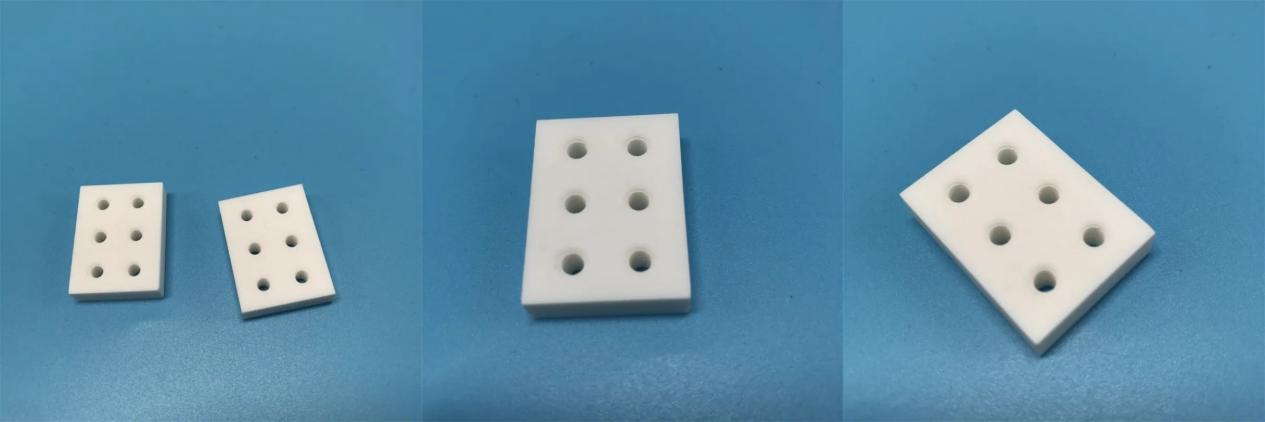
3.1 Processing and Manufacturing Advantages – Overturning Traditional Ceramic Fabrication
Machinable ceramics can be processed using ordinary carbon steel or hard alloy cutting tools on conventional lathes, milling machines, drilling machines, and machining centers for turning, milling, drilling, and tapping. This eliminates the need for expensive diamond tooling and specialized grinding equipment, dramatically lowering the barrier to entry. Since mechanical processing can be performed directly on standard stock without fabricating costly custom molds, production lead times are significantly shortened—from weeks or months down to days. Complex prototypes and low-volume production become economically viable.
3.2 Outstanding High-Temperature Resistance and Thermal Shock Resistance
Macor ceramics withstand extreme temperatures from -200°C to 800°C (and even higher for short durations), with a low and matched thermal expansion coefficient that ensures good thermal stability. Components maintain their shape and integrity under rapid heating and cooling cycles, making them ideal for furnace fixtures, heat shields, and high-temperature jigs in aerospace and industrial applications.
3.3 Excellent Electrical Insulation Properties
Even in high-temperature and high-frequency environments, Macor ceramics maintain stable high insulation resistance (>10¹⁴ Ω·cm at room temperature) and low dielectric loss (tan δ <0.001 at 1 MHz). They exhibit high dielectric strength (>40 kV/mm), making them perfect for manufacturing high-performance electrical vacuum devices, high-voltage insulators, and circuit supports where reliability is critical.
3.4 Excellent Electrical Insulation Properties
Macor ceramics resist corrosion from most acids, bases, organic solvents, and molten metals. Their intrinsic gas emission rate is extremely low, and they do not contaminatevacuum environments. This makes them highly suitable as internal components in high-vacuum systems (e.g., mass spectrometers, particle accelerators, semiconductor deposition chambers) where material purity and outgassing control are paramount.
3.5 Reduction of Overall Lifecycle Costs
Although the raw material cost of Macor ceramics may be higher than some conventional ceramics, when factoring in the extremely low subsequent machining costs, drastically reduced development cycles, and high yield rates, the total lifecycle cost becomes highly competitive for complex parts. No post-sintering or diamond finishing is required, saving both time and capital expenditure on specialized equipment.
3.6 Versatile Applications Across High-Tech Fields
Macor ceramics enable the production of high-precision non-magnetic structural frames, sensor components, and insulation parts for aerospace. In semiconductor and flat-panel display manufacturing, they are used for wafer handling components, inspection fixtures, and micro-processing insulating parts. For electro-vacuum devices such as electron beam lithography systems and mass spectrometers, their low outgassing and excellent electrical insulation make them an optimal choice. They also serve as ultra-high-voltage insulation components in motors and generators, and can be machined into thin-walled, complex-shaped precision instrument parts that would be impossible with traditional ceramics.
4.Technical specifications
|
指标 Property Content |
标准值 Property Index |
说明 Instruction |
|
密度 Density |
2.6g/cm3 |
|
|
显气孔率 Apparent Porosity |
0.069% |
|
|
吸水率 Water Absorption |
0 |
|
|
硬度 Hardness |
4~5 |
莫氏 Mohs |
|
颜色 Color |
洁白 White |
|
|
热膨胀系数 Coefficient of Thermal Expansion |
72×10-7/°C |
-50°C 至200°C 平均值 -50°C to 200°C average |
|
热导率 Thermal Conductivity |
1.71W/m.k |
25°C |
|
长期使用温度 Long Working Temperature |
800°C |
|
|
弯曲强度 Flexural Strength |
>108MPa |
|
|
压缩强度 Compression Strength |
>508 MPa |
|
|
冲击韧性 Impact Toughness |
>2.56KJ/ m2 |
|
|
弹性模量 Modulus of Elasticity |
65GPa |
|
|
介质损耗 Dielectric Loss |
1~ 4×10⁻³ |
室温 Room Temperature |
|
介电常数 Dielectric Constant |
6~7 |
" |
|
击穿强度 Puncture Strength |
>40KV/mm |
样品厚度1mm Sample Thickness 1mm |
|
体积电阻 Volume Resistance |
1.08×10¹⁶Ω.cm |
25°C |
1.5×10¹²Ω.cm |
200°C |
|
1.1×10⁹Ω.cm |
500°C |
|
|
常温出气率 Normal Temperature Gas Efficiency |
8.8×10⁻⁹ ml/s. cm2 |
真空老炼8小时 Vacuum Burn-in 8 hours |
|
氦透过速率 Helium Through Rate |
1×10⁻¹⁰ml/s |
经500°C 灼烧后,冷却室温 500°C firing, cooling |
5%HC1 |
0.26mg/ cm2 |
95°C,24小时 95°C,24hours |
5%HF |
83mg/ cm2 |
" |
50%Na2CO3 |
0.012 mg/ cm2 |
" |
5%NaOH |
0.85mg/ cm2 |
" |
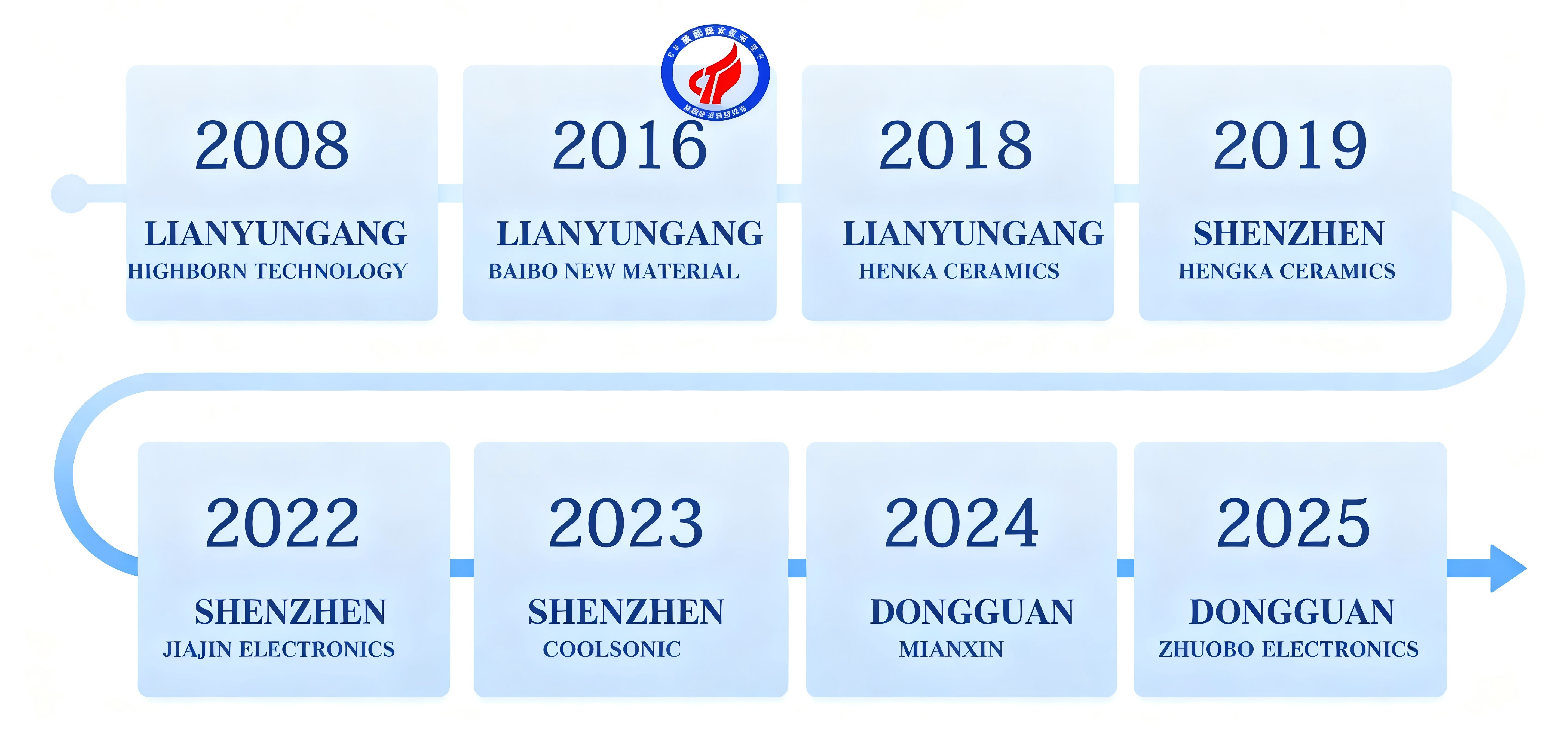
Development History
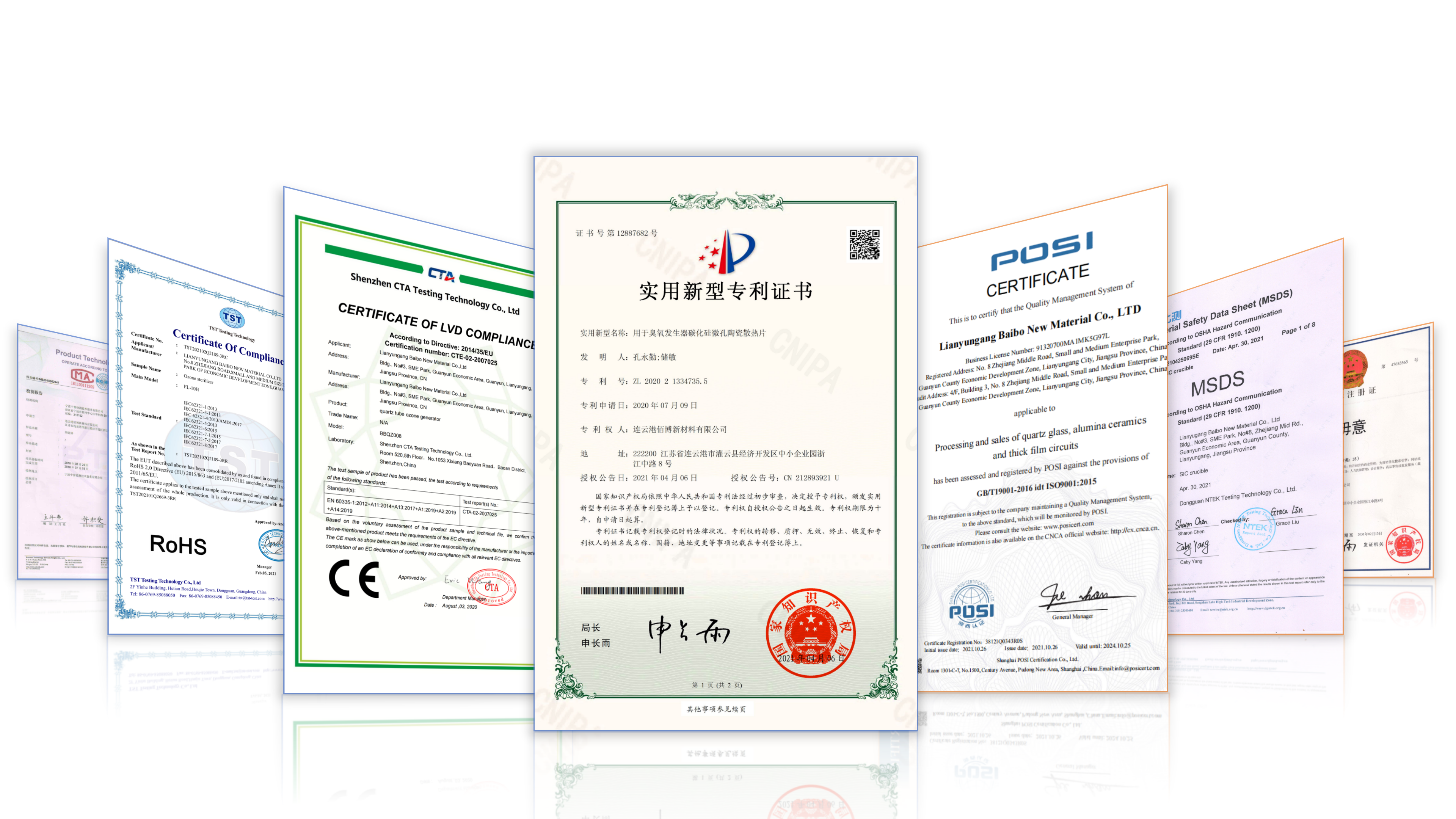
Patents and certification
Package
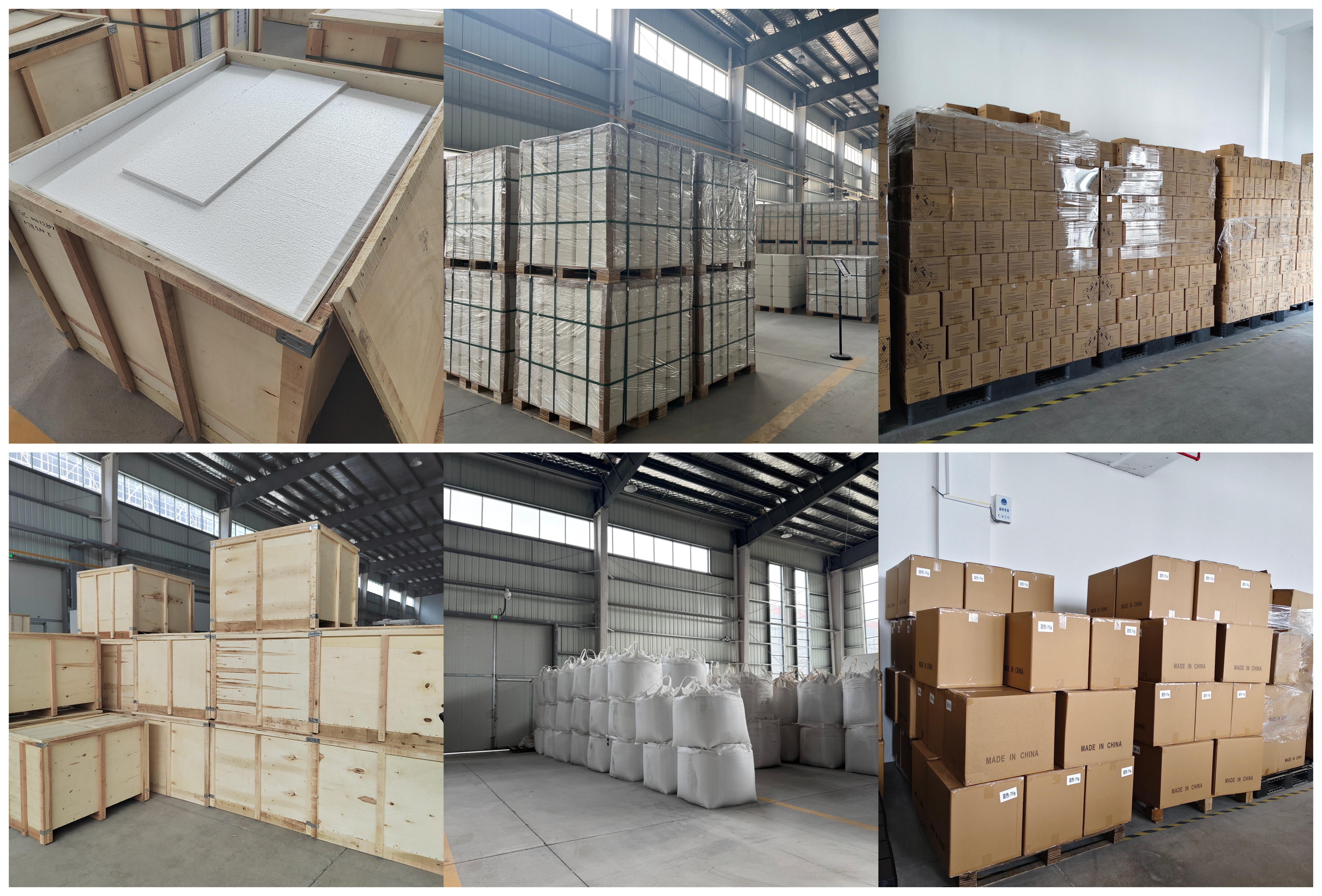
We adopt scientific and standardized packaging solutions tailored to product characteristics to effectively prevent collision, extrusion, dust and moisture damage. With mature global transportation system and strict shipment inspection procedures, we ensure all products remain intact and stable during long-distance delivery, providing customers with safe, efficient and reliable one-stop logistics service.
Services
FAQ
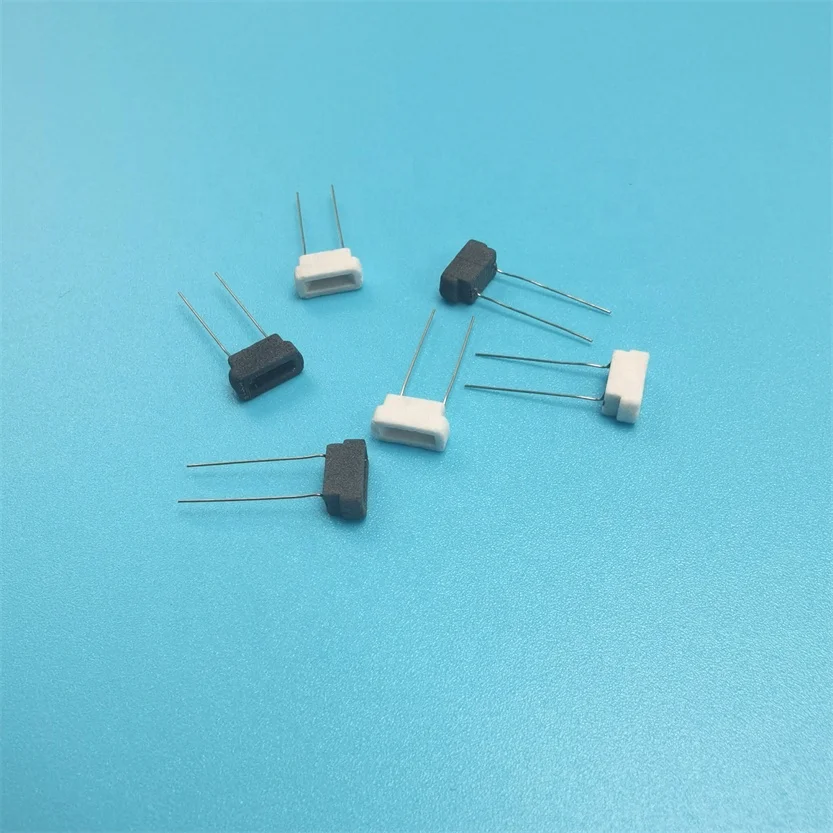
Stable Absorption Volatilization Porous Ceramic Insert Atomizing Core
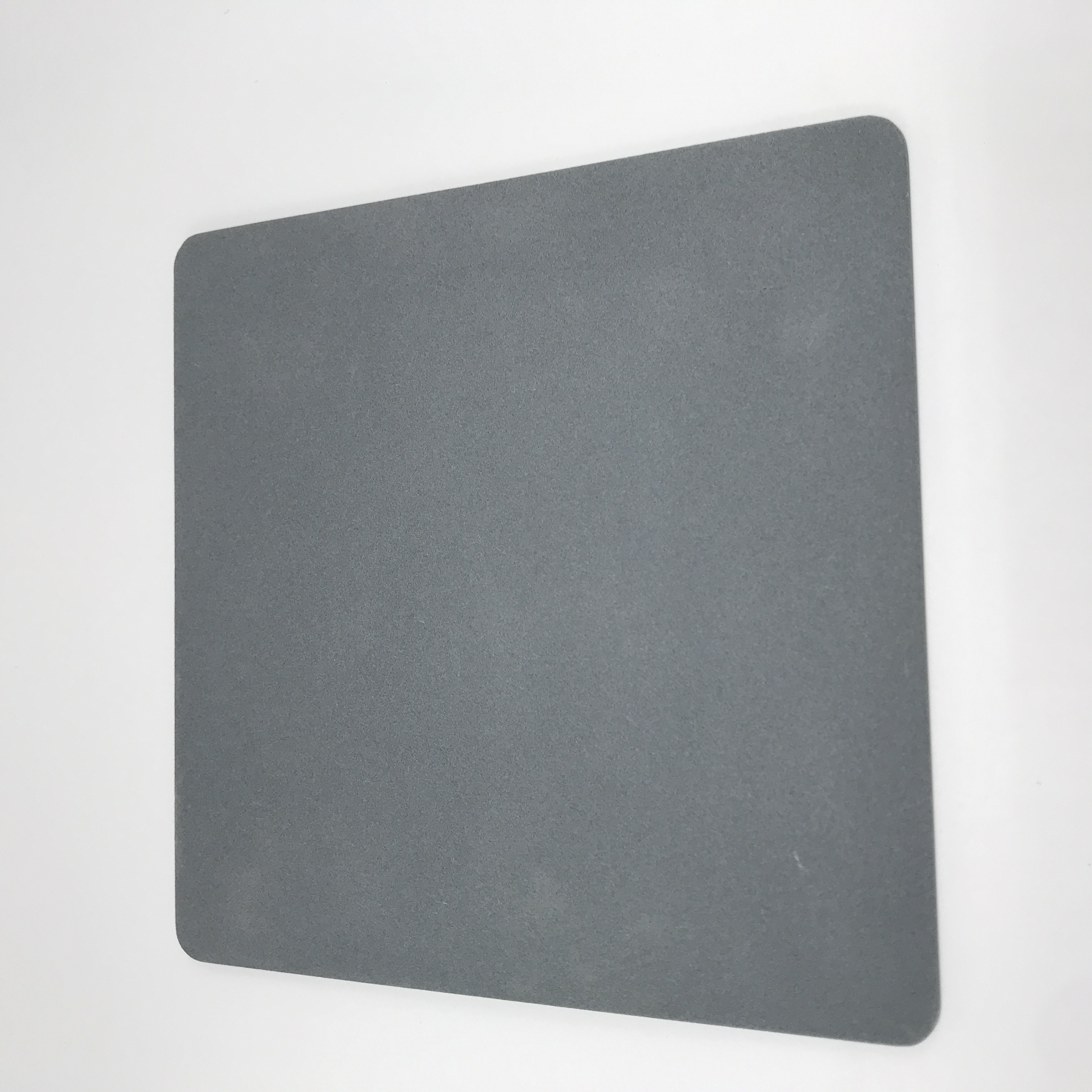
High precision Microporous silicon carbide SiC Ceramic Vacuum Chuck
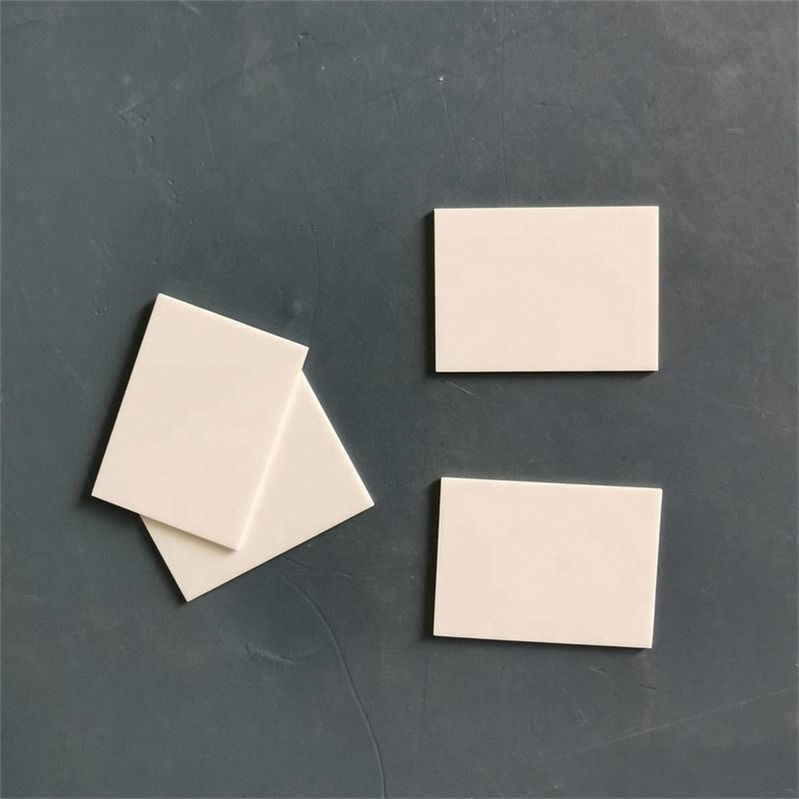
High Thermal Conductivity BeO Plate Beryllium Oxide Ceramic Sheet
High Reflectivity Laser Welding Ceramic Reflectors 99% Alumina Ceramic Cavity


 EN
EN